Last updated: September 16, 2026
If you are trying to determine whether a Toyota Supra uses a timing belt or timing chain, the answer depends on the generation and engine. The modern 2020–2026 GR Supra uses a timing chain. MkIII/A70 Supras with the 7M engine and MkIV/A80 Supras with the 2JZ engine use timing belts. Earlier Celica Supra models vary, so identify the model year and engine before ordering parts or applying a replacement interval.
Quick Answer
A 2020–2026 Toyota GR Supra uses a timing chain. MkIII Supras with the 7M engine and MkIV Supras with the 2JZ engine use a timing belt. Earlier Celica Supra models vary by engine. Belt-equipped cars require model-specific maintenance planning, while Toyota does not list a routine fixed-mileage timing-chain replacement for the modern GR Supra in the maintenance schedule reviewed below.
Key Takeaways
- 2020–2026 GR Supra: timing chain.
- 1993–1998 MkIV/A80 with 2JZ-GE or 2JZ-GTE: timing belt.
- 1986.5–1992 MkIII/A70 with 7M-GE or 7M-GTE: timing belt.
- Earlier Celica Supras: the 4M-E/5M-E cars use a chain, while the 5M-GE cars use a belt.
- Do not use one generic timing-belt replacement interval for every Supra; follow the maintenance information for your exact year, engine, market, and operating conditions.
- The modern GR Supra’s published maintenance schedule does not specify routine timing-chain replacement at a fixed mileage through the schedule reviewed to 120,000 miles.
Does the Toyota Supra Use a Timing Belt or Timing Chain?
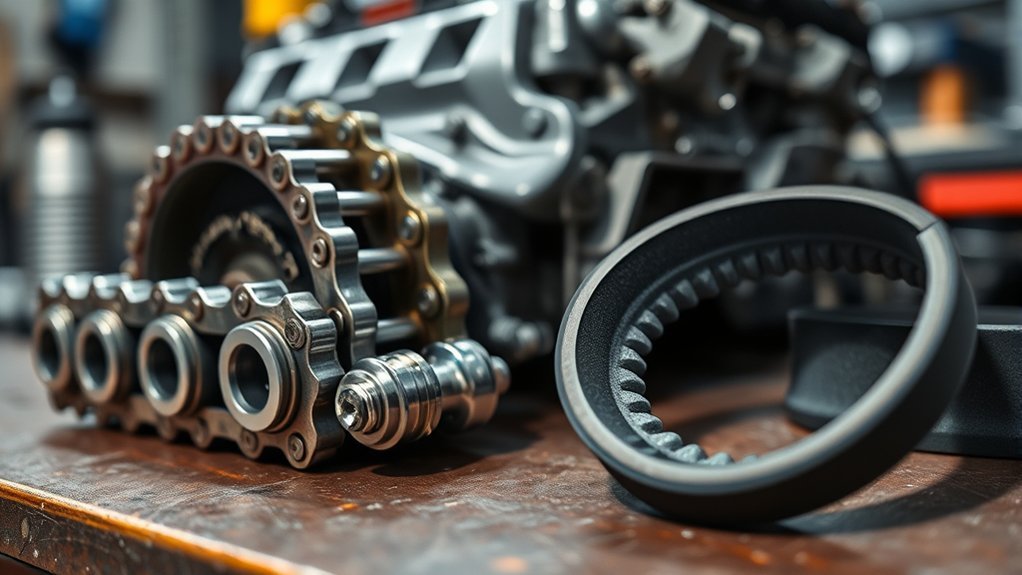
Both systems have been used during the Supra’s history. The practical difference for an owner is not simply whether a belt or chain is “better”; it is whether the exact engine has a scheduled belt-service requirement or a chain that is normally serviced when inspection and diagnosis show a problem.
| Supra generation | Typical U.S. engine | Timing system | Maintenance takeaway |
| 1979–1981 Celica Supra | 4M-E / 5M-E | Timing chain | Confirm the actual engine and condition on these older cars; age, prior repairs, and swaps can matter more than model-year assumptions. |
| 1982–1986 Celica Supra | 5M-GE | Timing belt | Check service history and use maintenance information that matches the exact year and market. |
| 1986.5–1992 MkIII / A70 | 7M-GE / 7M-GTE | Timing belt | Do not assume an old belt is current because annual mileage is low; verify dated service records. |
| 1993–1998 MkIV / A80 | 2JZ-GE / 2JZ-GTE | Timing belt | Use the schedule for the exact year, engine, market, and operating conditions; do not apply one 2JZ interval to every car. |
| 2020–2026 MkV / A90-A91 GR Supra | 2.0L / 3.0L turbo engines, depending on model year | Timing chain | No routine chain-replacement mileage is listed in the Toyota maintenance schedule reviewed through 120,000 miles; maintain the engine correctly and diagnose symptoms if they appear. |
Note: Imported cars, engine swaps, and modified Supras may not match a normal model-year chart. If the history is uncertain, confirm the engine code or VIN before buying timing components.
Editorial method: This guide cross-checks Toyota maintenance documentation and factory repair-manual information for Supra generations and engines. It does not claim hands-on teardown or long-term component testing.
Toyota’s official 1998 maintenance documentation specifically identifies a timing belt for the Supra. For the U.S. non-turbo 1998 Supra, Toyota specified replacement every 90,000 miles or 72 months in its 1998 Scheduled Maintenance Guide. That routine interval is specifically stated for the non-turbo Supra, so do not automatically apply it to a turbo 2JZ-GTE, another model year, or another market without checking documentation for that vehicle.
What Does the Supra Timing Belt or Timing Chain Do?
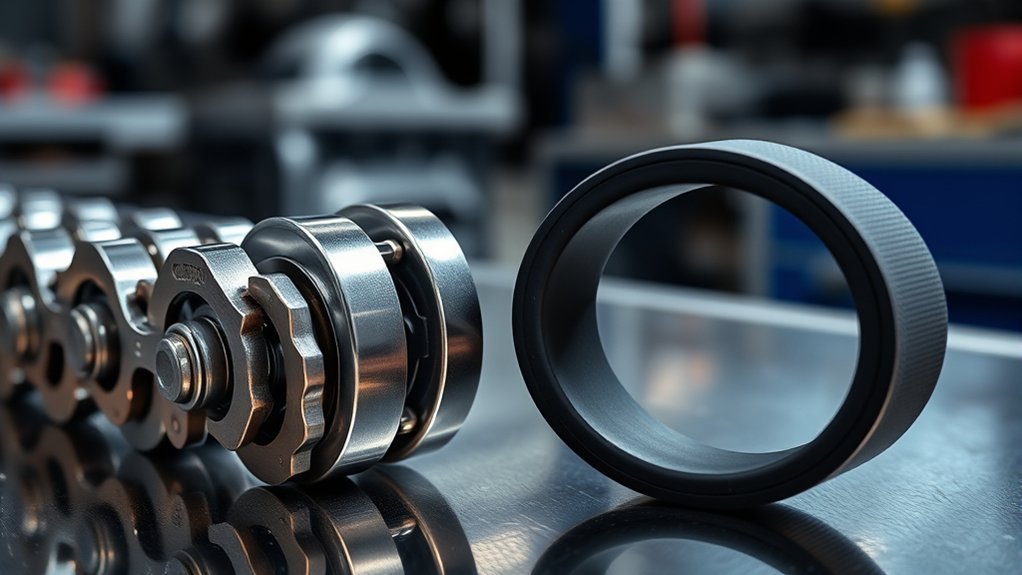
The timing system synchronizes the crankshaft with the camshaft or camshafts so the valves open and close at the intended point in the combustion cycle. A belt and chain perform the same basic timing job, but their construction, lubrication, inspection, and maintenance requirements differ.
- Valve timing: The system keeps piston movement and valve operation synchronized.
- Engine performance: Correct timing supports smooth starting, stable idle, power, and efficient combustion.
- Engine protection: A badly worn, stretched, slipped, or broken timing component can leave the engine unable to run and may cause expensive internal damage depending on the engine and failure mode.
The correct question is not simply “Is a timing chain better?” It is “Which timing system does my exact Supra engine use, and what maintenance does Toyota specify for it?”
Timing Belts vs. Timing Chains: Key Differences
| Feature | Timing belt | Timing chain |
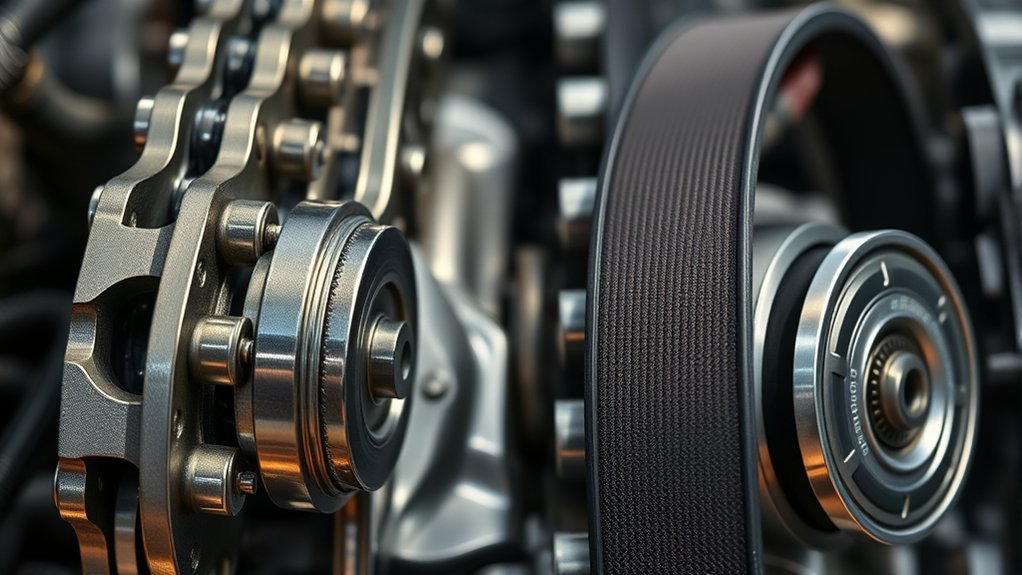
| Material | Reinforced flexible belt material | Metal chain with guides and tensioning components |
| Routine replacement | Often specified by mileage and/or time on belt-equipped engines | Usually condition-based unless the manufacturer specifies an interval |
| Lubrication | Normally runs dry behind timing covers | Runs inside the engine and depends on proper engine lubrication |
| Typical Supra examples | 5M-GE, 7M-GE/GTE, 2JZ-GE/GTE | Early 4M-E/5M-E cars and modern MkV GR Supra |
A chain is not automatically “better,” and a belt is not automatically “worse.” Each engine is engineered around its original timing system. Converting between the two is not normal maintenance.
[Products Worth Considering]

This reusable stretch belt installation and removal tool helps guide stretch-fit belts on and off pulleys with greater control during service. It is designed to improve alignment, reduce belt damage, and make installation easier on compatible vehicles. Built for repeated use, it offers a practical solution for mechanics and DIY repairs working with stretch belt systems.

This 2-piece oil control variable valve timing solenoid set is designed to help restore proper VVT operation and engine performance across a wide range of Toyota, Lexus, Scion, and Pontiac applications. Built to meet or exceed OE performance, it uses quality seals for reliable oil control and helps reduce issues caused by improper oil flow. It is a practical replacement choice for maintaining smooth engine timing and dependable drivability.

This A-Premium serpentine belt drive kit is designed for compatible Toyota Camry, RAV4, and Scion tC models with a DOHC 2.5L L4 engine. It includes a serpentine belt and belt tensioner to help maintain smooth engine operation, reduce noise, and support reliable power transfer. Built for dependable replacement performance, it also comes with a one-year unlimited-mileage guarantee for added peace of mind.
Pros and Cons of Timing Belts for Your Supra
Timing belts are especially relevant to owners of second-generation Celica Supras, MkIII cars, and MkIV 2JZ Supras. Their main maintenance advantage is that factory documentation can provide a defined service plan. Their disadvantage is that age, mileage, operating conditions, and service history can matter even when the engine still runs normally.
- Scheduled maintenance is important: Follow the Toyota schedule for the exact model year and engine rather than relying on a generic internet interval.
- Age can matter as well as mileage: Toyota’s 1998 U.S. non-turbo Supra schedule used both mileage and time—90,000 miles or 72 months.
- Related components should be inspected: A timing-belt service is a logical time for a qualified technician to inspect the belt tensioner, idlers, seals, covers, and nearby components for wear or leakage.
- Service history matters: If you buy an older Supra and cannot document when the belt was last replaced, resolving that uncertainty should be a maintenance priority.
Pro Tip: On a used MkIII or MkIV, do not rely on a seller saying the timing belt “looks fine.” Ask for a dated invoice or service record showing when the work was performed and what parts were replaced.
[Products Worth Considering]
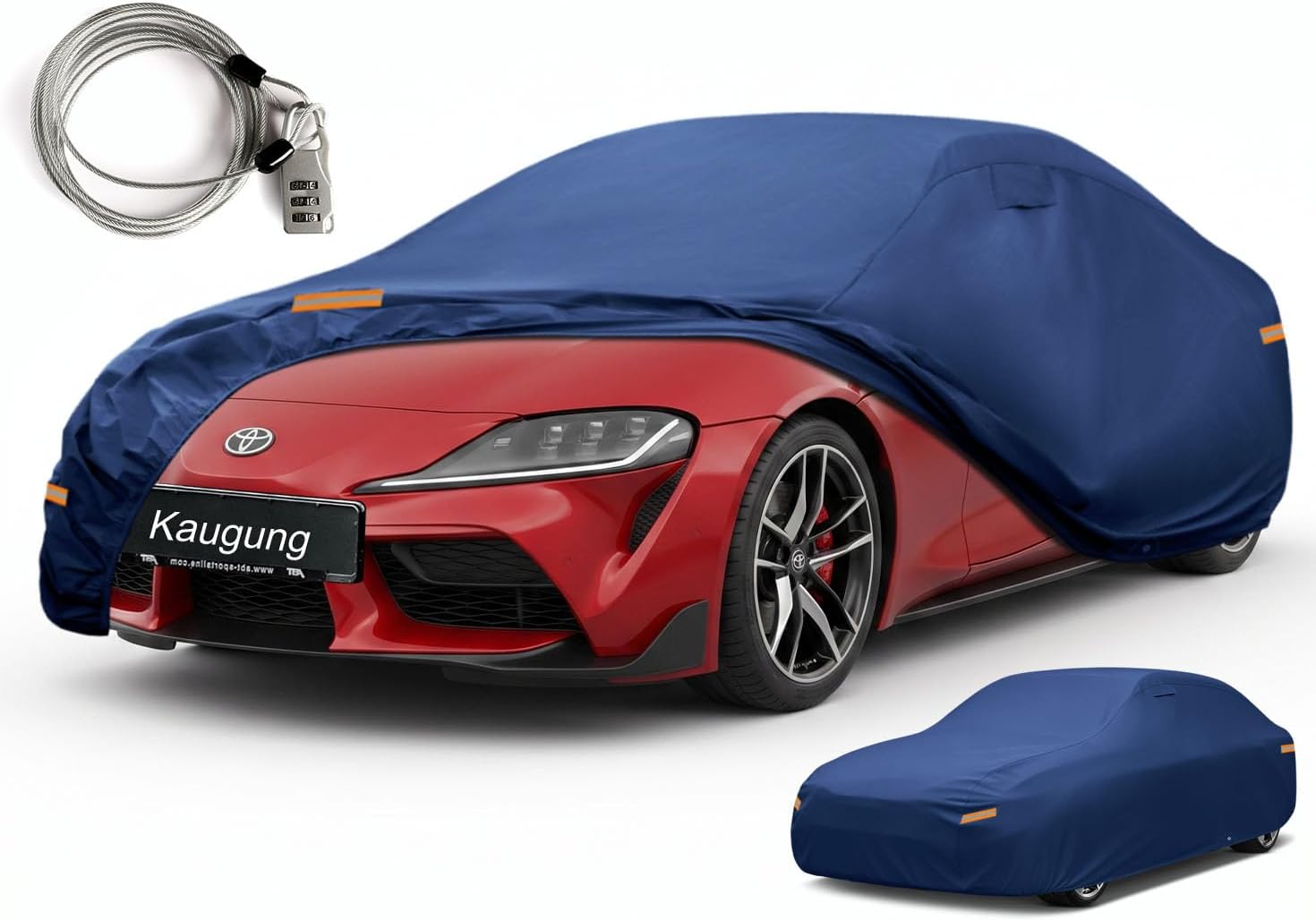
This custom-fit car cover is designed for Toyota Supra and GR Supra models, offering dependable all-weather protection for both indoor and outdoor use. Built with durable Oxford fabric and a soft cotton lining, it helps shield your vehicle from rain, sun, snow, dust, and UV exposure while protecting the paint finish. Windproof straps, dual air vents, reflective details, and included security accessories add convenience and peace of mind.

KUST Custom Fit Trunk Mat is designed for 2020-2026 Toyota GR Supra models to help protect the cargo area from dirt, spills, and daily wear. Its TPE construction offers a fresh, odor-free feel, while the raised-edge design adds extra coverage for all-weather protection. Lightweight and easy to remove, it makes cleaning simple and helps keep the trunk neat and protected.
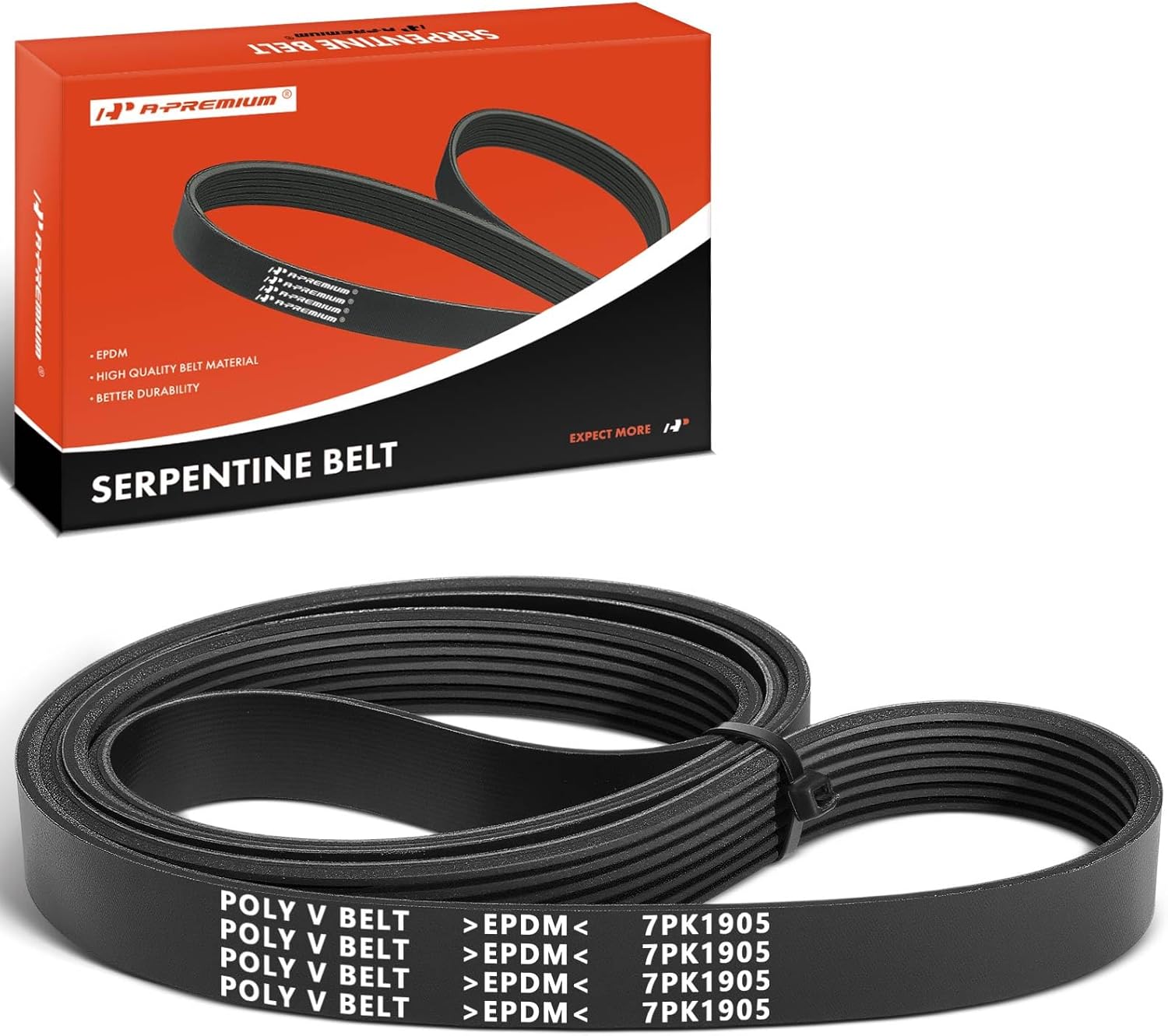
This A-Premium serpentine belt is engineered for select Toyota, Scion, and Pontiac vehicles with the L4 2.4L gas engine, delivering dependable air conditioning drive performance. Made with durable EPDM and precision dimensions, it helps resist cracking, reduce noise, and maintain stable tension for smooth operation. It's designed for straightforward installation and backed by a one-year unlimited-mileage guarantee for added confidence.
Timing Chains: Advantages and Disadvantages to Consider
The modern MkV GR Supra uses a timing chain. Toyota identifies a timing chain in its GR Supra documentation, and its published GR Supra maintenance schedule does not list routine timing-chain replacement at a fixed mileage through the 120,000-mile entry. That does not mean the chain, guides, tensioning components, or related hardware can never wear.
For a chain-driven Supra, engine-oil maintenance is especially important because the chain, guides, and tensioning system operate inside the lubricated engine. Follow the oil-change information for your exact model and investigate abnormal mechanical noise or timing-related engine faults rather than waiting for a made-up “chain replacement mileage.” For more modern-engine context, see the site’s GR Supra B58 engine design guide and Supra oil cooling system guide.
- Advantage: No routine belt-style replacement interval is listed for the modern GR Supra timing chain in the Toyota maintenance schedule reviewed.
- Advantage: The chain is designed as a long-term internal engine component.
- Disadvantage: Diagnosis and repair can require substantial disassembly if the chain, guides, tensioner, or related components develop a problem.
- Disadvantage: Poor lubrication or another engine problem can affect timing-system components, so neglected oil maintenance should not be ignored.
[Products Worth Considering]

This A-Premium engine air filter is designed to help maintain clean airflow for compatible Lexus and Toyota vehicles, supporting better engine performance and efficiency. It uses fine filtration media to capture debris while minimizing airflow restriction, making it a practical replacement for routine maintenance. With fitment for multiple popular models and a convenient boxed single-pack design, it offers a straightforward solution for keeping your engine protected.
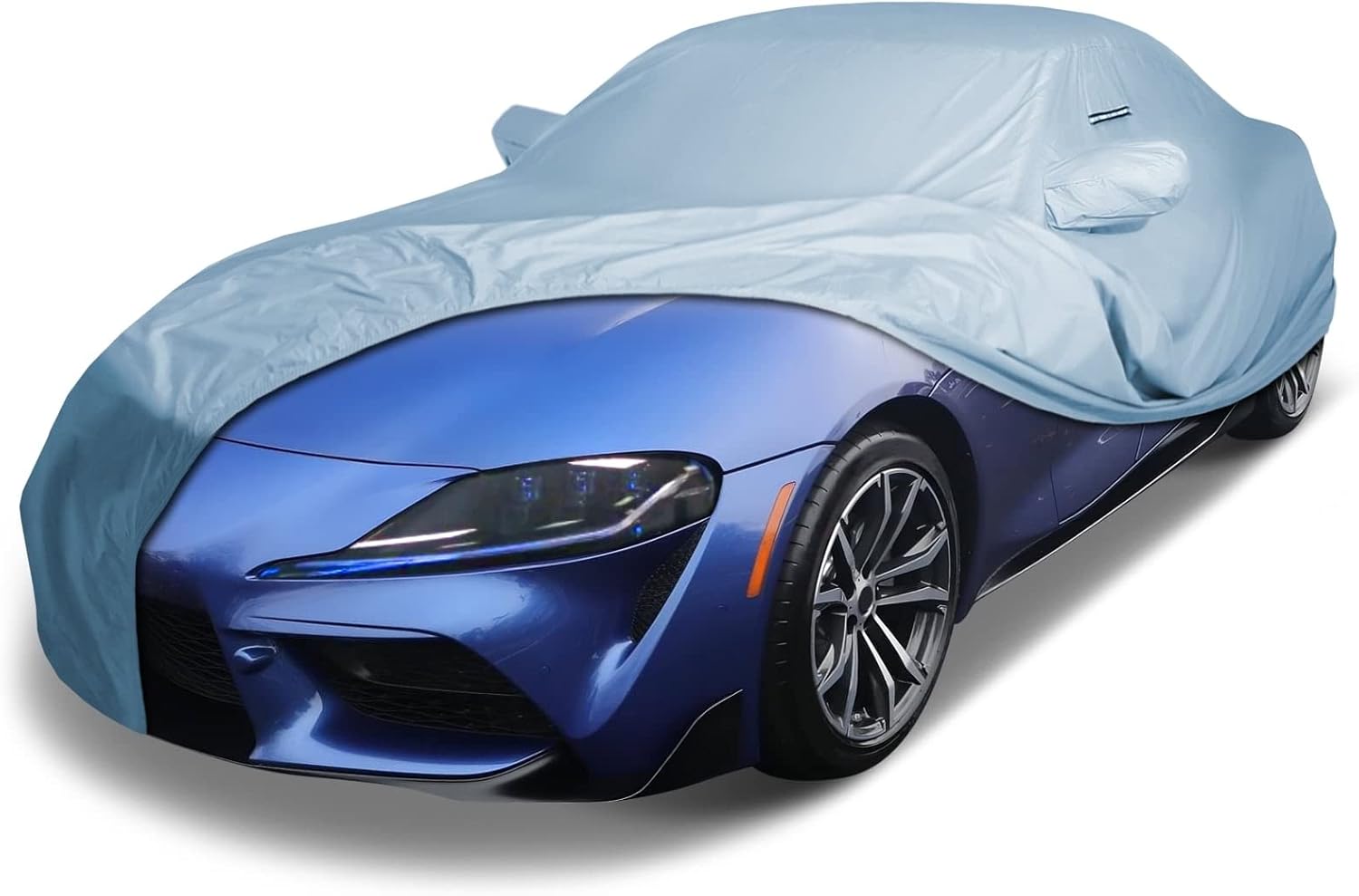
Protect your 2020-2026 Toyota GR Supra with a precision custom-fit cover designed to hug the vehicle’s contours for a secure, reliable fit. Built for all-weather use, it helps guard against rain, snow, sun, and other outdoor elements while the soft inner lining helps reduce the risk of scratches. Added straps, waterproof seams, and ventilation provide dependable protection and everyday convenience.

This A-Premium serpentine belt is designed to deliver dependable drive performance for a wide range of compatible Toyota, Hyundai, Kia, Lexus, and Scion vehicles. Built with EPDM construction and precision dimensions, it helps promote stable tension, reduced noise, and reliable operation in demanding driving conditions. It is a practical replacement choice for maintaining accessory system performance and long-term confidence.
Signs of a Timing Belt or Timing Chain Problem
Timing-system problems do not always produce the same symptoms, but these signs deserve prompt diagnosis:
- Unusual rattling, slapping, or mechanical noise from the engine
- Check-engine light accompanied by camshaft/crankshaft timing faults
- Rough idle or noticeable loss of performance
- Hard starting or a sudden no-start condition
- Visible belt deterioration, contamination, or damage when inspected during service
- Oil leaks or other problems near timing-system covers
Warning: If the engine suddenly develops severe mechanical noise, loses power, misfires heavily, or stops running, do not keep driving in an attempt to “see if it clears up.” A timing fault can worsen quickly. Have the vehicle diagnosed before operating it further.
How to Maintain the Timing System on Your Supra
Your maintenance plan should match the engine, model year, market, operating conditions, and known service history rather than a universal belt-versus-chain rule.
For a MkIV 2JZ Supra
The 2JZ-GE and 2JZ-GTE use a timing belt. For the 1998 U.S. non-turbo Supra, Toyota specified replacement every 90,000 miles or 72 months. That specific routine interval should not automatically be transferred to a turbo 2JZ-GTE, another model year, or another market. Use maintenance documentation that matches the car.
For a MkIII 7M Supra
The 7M-GE and 7M-GTE use a timing belt. Because these cars are now decades old, maintenance history can matter as much as the odometer. Confirm when the belt and related components were last serviced rather than assuming low annual mileage makes an old belt maintenance-free.
For a 2020–2026 GR Supra
The MkV uses a timing chain. Follow Toyota’s normal engine-oil and maintenance schedule and investigate symptoms if they appear. The Toyota GR Supra maintenance log reviewed through 120,000 miles does not specify a routine timing-chain replacement interval.
For a Modified, Swapped, or Imported Supra
Identify the actual engine before ordering parts. A model-year lookup can be wrong if a previous owner installed another engine, and JDM or other-market configurations may differ from a normal U.S.-market car.
Frequently Asked Questions
What’s the difference between a timing belt and a timing chain?
Both synchronize the crankshaft and camshaft. A timing belt is a reinforced flexible belt and may have a scheduled replacement requirement on belt-driven engines. A timing chain is metal, runs inside the lubricated engine, and is generally serviced based on condition unless the manufacturer specifies an interval.
Does the Toyota Supra use a timing belt or timing chain?
Both have been used. The 2020–2026 GR Supra uses a timing chain. MkIII 7M and MkIV 2JZ Supras use timing belts. Earlier Celica Supra models vary by engine.
Does the 2JZ Supra have a timing belt or chain?
The MkIV Supra’s 2JZ-GE and 2JZ-GTE engines use a timing belt. Toyota’s 1998 U.S. maintenance guide specifies a 90,000-mile or 72-month routine replacement interval for the non-turbo Supra, but that exact interval should not automatically be applied to every 2JZ-GTE, model year, or market.
Does the MkIII Supra use a timing belt?
Yes. MkIII/A70 Supras equipped with the 7M-GE or 7M-GTE use a timing belt. Owners should use maintenance information for their exact year and market when planning replacement.
How often should a Supra timing belt be replaced?
There is no single replacement interval for every belt-equipped Supra. For the 1998 U.S. non-turbo Supra, Toyota specified 90,000 miles or 72 months. Other years, engines, markets, and operating conditions can have different requirements, so use maintenance documentation that matches the exact car.
When should the GR Supra timing chain be replaced?
Toyota does not list a routine timing-chain replacement interval in the GR Supra maintenance schedule reviewed through 120,000 miles. Chain work should therefore be based on diagnosis, condition, or a specific repair need rather than an invented mileage interval.
Is a timing chain better than a timing belt?
Not automatically. Chains can eliminate routine belt-style replacement intervals, but chain systems still contain guides, tensioning components, and other parts that can wear. The correct system for a Supra is the one its engine was designed to use and that is maintained correctly.
Conclusion
Whether your Toyota Supra has a timing belt or timing chain depends on its generation and engine. MkIII 7M and MkIV 2JZ Supras use timing belts, while the modern 2020–2026 GR Supra uses a timing chain. Identify the exact engine before applying a maintenance interval, and use Toyota documentation for the vehicle’s year, market, and operating conditions. If you own a belt-equipped Supra with unknown service history, verify the records rather than assuming the belt is current.
Sources
- Toyota 1998 Scheduled Maintenance Guide — timing-belt maintenance information for the 1998 Supra.
- Toyota 2023 GR Supra Warranty & Maintenance Guide — GR Supra timing-chain documentation and maintenance schedule.
- Toyota 2026 Supra Owner Manuals and Warranty Information — current official GR Supra documentation.
- Toyota Technical Information System — official Toyota technical and legacy service-information portal.
- Toyota USA Newsroom: 2026 GR Supra — official information for the 2026 MkV GR Supra.