Bleeding the clutch on a manual Toyota GR Supra removes trapped air from the hydraulic circuit so the clutch can disengage consistently. This guide is aimed at the 2023–2026 MkV GR Supra 3.0 with the six-speed manual transmission. Earlier Supra generations use different components and service procedures, so use the repair information for your exact model if you own an older Supra.
Quick Answer
To bleed a MkV GR Supra clutch, keep the hydraulic reservoir supplied with the specified DOT 4 Low Viscosity brake fluid, connect a clear hose to the clutch release/slave-cylinder bleeder, and remove air with a controlled two-person or pressure-bleeding method. Never let the reservoir run low, and stop when the discharged fluid is bubble-free and the pedal operates normally.
Key Takeaways
- This guide applies primarily to 2023–2026 MkV GR Supra 3.0 manual models.
- Use the fluid specification listed for your exact car; current GR Supra documentation specifies DOT 4 Low Viscosity brake fluid.
- Do not use a fixed pedal-pump count as the goal. Continue controlled bleeding only until air bubbles stop and pedal operation is consistent.
- Never allow the reservoir level to fall far enough for the clutch hydraulic circuit to draw air.
- A pedal that remains soft after a careful bleed may indicate a leak, faulty master/release cylinder, trapped air or another clutch problem that requires diagnosis.
At a Glance
| Time Required | Allow roughly 1–2 hours for safe lifting, access, bleeding and final checks. |
| Difficulty | Intermediate DIY maintenance; safe under-vehicle access is required. |
| Tools Needed | Proper lifting/support equipment, wrench for the bleeder, clear bleed hose, catch bottle, gloves, eye protection and optionally a compatible pressure bleeder. |
| Cost | Low if you already own safe lifting equipment and bleeding tools; fluid and tool prices vary. |
Warning: Never work beneath a Supra supported only by a hydraulic floor jack. Use a suitable lift or correctly rated stands at approved support points. Brake fluid can also damage painted surfaces, so protect nearby finishes, wear eye protection and gloves, and clean spills according to the fluid manufacturer’s instructions.
Why Clutch Bleeding Matters for Your Supra
The manual GR Supra uses a hydraulic system to transfer clutch-pedal movement to the clutch release mechanism. If air enters that hydraulic circuit, some pedal travel can compress the trapped air instead of transmitting full hydraulic force. The result may be a soft or spongy clutch pedal, an inconsistent engagement point or difficulty fully disengaging the clutch.
Bleeding is most useful after the hydraulic circuit has been opened, after hydraulic-component service or when symptoms suggest that air has entered the system. It should not be treated as a cure for every clutch or shifting problem.
Toyota introduced the six-speed manual transmission on the MkV GR Supra for the 2023 model year. The procedure in this guide is therefore intended for the modern manual GR Supra rather than older Supra generations. Toyota continues to list a six-speed manual transmission for the 2026 GR Supra.
When Does a GR Supra Clutch Need Bleeding?
Consider bleeding the clutch hydraulic system when one or more of these conditions apply:
- The clutch hydraulic line, master cylinder or release/slave cylinder has been opened or replaced.
- The clutch pedal suddenly feels softer or spongier than normal.
- The engagement point changes after hydraulic work.
- The pedal does not return normally and air may have entered the system.
- The clutch does not disengage cleanly even though the mechanical clutch itself is otherwise functioning correctly.
- The reservoir was accidentally allowed to become too low during service.
Note: A clutch that slips while accelerating is not usually fixed by bleeding. Slipping can point to clutch friction-surface wear, contamination or another mechanical problem. Bleeding primarily addresses air or hydraulic-service issues affecting clutch release.
Essential Tools for Clutch Bleeding
Prepare the tools before raising the car so the reservoir is not left open longer than necessary. For a typical bleed you will need:
- DOT 4 Low Viscosity brake fluid meeting the specification listed for your exact GR Supra and market.
- A clear bleed hose that fits securely over the bleeder nipple.
- A clean catch bottle or drain container.
- The correct wrench for the clutch bleeder.
- Safe vehicle lifting and support equipment.
- Nitrile gloves and eye protection.
- Clean towels for accidental fluid spills.
- A second person for the pump-and-hold method, or a compatible pressure bleeder if using the pressure method.
Current Toyota GR Supra documentation specifies DOT 4 Low Viscosity brake fluid. Because specifications can vary by model year or sales market, confirm the fluid requirement in the owner’s or repair information for your exact vehicle before adding fluid.
Pro Tip: Use new fluid from a tightly sealed container. Brake fluid absorbs moisture from the atmosphere, so an old bottle that has been open for a long period is a poor choice for hydraulic service.
[Products Worth Considering]

This universal brake bleeding kit lets you flush brake, clutch, and other hydraulic systems by yourself with fast, efficient vacuum-assisted operation. Built with a durable aluminum alloy pump, silicone tubing, and secure fittings, it helps maintain a tight seal for cleaner, easier service. The included blow-molded case keeps every part organized for convenient storage and transport between jobs.
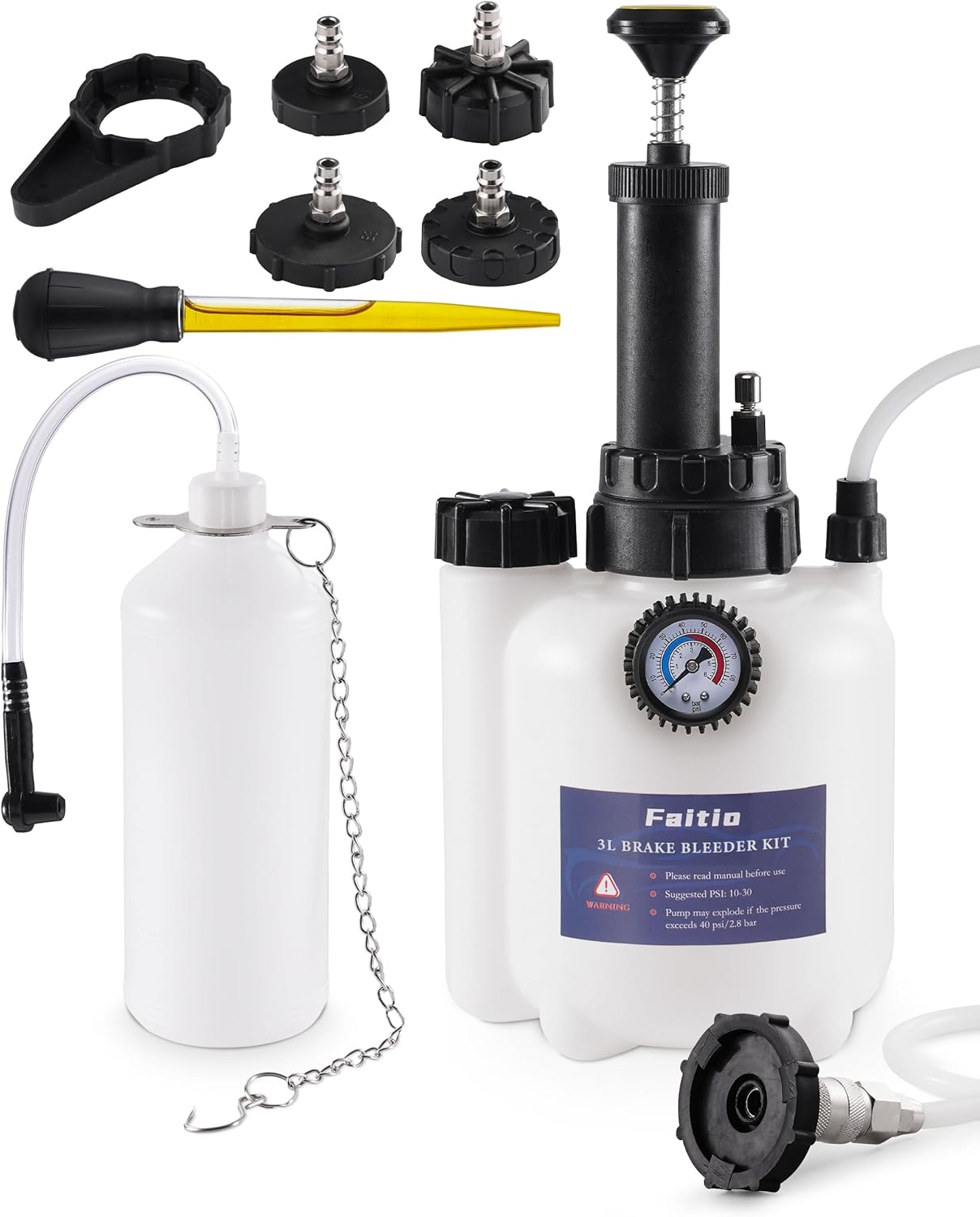
This one-man brake bleeding kit helps flush old brake fluid and remove trapped air for firmer, more responsive braking without the hassle of a second person. Its improved sealing and translucent catch bottle help prevent leaks while making fluid level checks easy during use. With multiple adapter sizes for many vehicle makes, it is a practical tool for clean, efficient brake system maintenance.

This brake bleeder hose kit helps remove old brake fluid and air from motorcycle brake and clutch systems quickly and efficiently. Its one-way check valve prevents air from being drawn back into the system, while the easy-to-connect clips make bleeding simple for routine maintenance. Built for reliable use, it is a practical tool for keeping motorcycle braking performance responsive.
Inspect the System Before Bleeding
Do not immediately assume that air is the only problem. First inspect the hydraulic system for obvious leaks or damage. Look around the reservoir, hydraulic connections, clutch master-cylinder area and clutch release/slave-cylinder area for wetness or fresh fluid.
If the fluid level has been dropping without recent service, find the cause before repeatedly topping it up. A hydraulic leak can return after bleeding and may eventually prevent the clutch from disengaging.
Toyota’s genuine parts catalog identifies both a clutch master cylinder and clutch release cylinder in the GR Supra manual-transmission system.
[Products Worth Considering]

This brake bleeder bottle helps simplify brake fluid replacement by draining old fluid while reducing air in the line. Its rubber connector fits most bleed screws, and the included hose and chain help keep the bottle securely in place during use. Built from durable, corrosion-resistant plastic, it is suitable for a wide range of vehicles including cars, motorcycles, ATVs, dirt bikes, and scooters.

This brake bleeder bottle is designed to make fluid bleeding easier for one-person use with a built-in check valve and magnetic mount. The flexible hose fits most bleeder valves and helps reduce the chance of air entering the system during service. With a practical fluid capacity and universal fit, it is a handy tool for brake maintenance and repair.

Durable CNC-Machined Fittings: Clutch line replaces factory plastic ends with CNC-machined metal fittings that won't degrade with heat or time, ensuring a leak-free connection and better longevity.
How to Bleed Your Clutch in Simple Steps
The exact access procedure and tightening specifications should come from Toyota repair information for your VIN. The following sequence describes the normal two-person hydraulic-bleeding process without inventing a model-specific bleeder torque.
| Step | Action | What to Watch |
|---|---|---|
| 1 | Park and support the car safely. | Work on a level surface. Use a lift or appropriately rated stands at approved support points. |
| 2 | Check the hydraulic-fluid level. | Top up only with the correct fluid. Do not allow the supply level to fall low while bleeding. |
| 3 | Gain access to the clutch release/slave-cylinder bleeder. | Remove only the underbody components required by the repair procedure for your car. Do not loosen hydraulic lines unnecessarily. |
| 4 | Attach the clear hose. | Push the hose securely over the bleeder nipple and route the other end into the catch bottle. |
| 5 | Build pedal pressure gently. | Have the helper operate the clutch pedal slowly, then hold it fully depressed when instructed. A fixed number of pumps is not the goal. |
| 6 | Open the bleeder briefly. | Allow fluid and trapped air to discharge through the clear hose. |
| 7 | Close the bleeder before the pedal is released. | This prevents air from being drawn back through the open bleeder during the return stroke. |
| 8 | Recheck the reservoir. | Top up as necessary before continuing. Do not wait until the reservoir is nearly empty. |
| 9 | Repeat controlled cycles. | Continue until the discharged fluid is consistently free of visible air bubbles and pedal operation improves. |
| 10 | Finish and inspect. | Secure the bleeder to the manufacturer’s specification, correct the reservoir level, clean spilled fluid and check every disturbed area for leaks. |
After bleeding, operate the clutch pedal repeatedly with the engine off. It should return normally and feel consistent from stroke to stroke. If the pedal falls to the floor, fails to return or remains unusually soft, do not assume the job is complete.
[Products Worth Considering]

Complete Master Cylinder Bleeder Kit: this master cylinder bleeding kit is a replacement for 14151; It includes 2 clear hoses, 10 pairs of red threaded fittings, 10 pairs of blue threaded fittings, 2 pairs of tees, a pair of clips, and a PTFE tape

1. Complete Brake Bleeder & Vacuum Pump Kit This handheld vacuum pump kit allows you to quickly bleed brake and clutch systems or test vacuum-operated components. Ideal for cars, motorcycles, ATVs and small trucks. Supports one-person brake bleeding.

Complete Master Cylinder Bleeder Kit: This master cylinder bleeding kit is a replacement for 13911; It includes 2 clear hoses, 5 blue threaded fittings, 7 red threaded fittings, 3 tees, 2 clips, and 1 PTFE tape; It can connect to and effectively bleed air from the braking system
Pressure Bleeding as an Alternative
A compatible pressure bleeder can make hydraulic bleeding easier because it keeps positive pressure at the reservoir while fluid exits at the clutch bleeder. Follow the bleeder manufacturer’s operating instructions and the Toyota repair procedure for your exact vehicle rather than guessing a pressure setting.
Do not exceed the pressure specified for the vehicle or equipment. Monitor the fluid supply throughout the job so air is not introduced into the hydraulic circuit.
A vacuum bleeder connected at the slave-cylinder end is another common automotive technique, but it should not be described as automatically better or guaranteed to remove every trapped air pocket. If a vacuum method repeatedly produces poor pedal feel, use the manufacturer-specified service procedure instead of endlessly drawing fluid through the system.
Avoid These Common Clutch Bleeding Mistakes
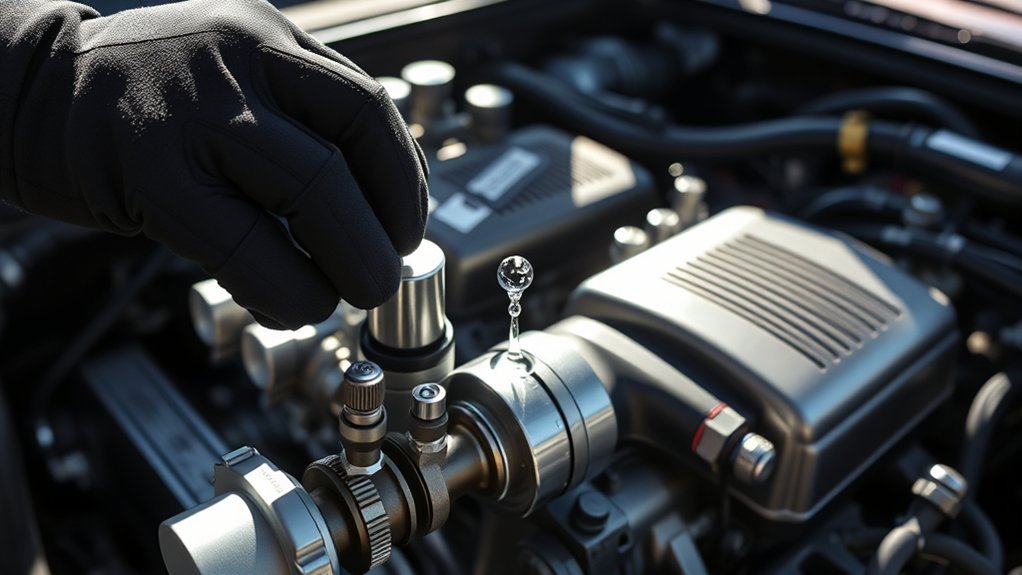
The easiest way to turn a short bleeding job into a long one is to let the fluid level fall too far. Check it frequently. If the clutch circuit draws air at the reservoir, you can end up with substantially more air to remove than you started with.
Also avoid these mistakes:
- Releasing the pedal with the bleeder still open: close the bleeder before allowing the helper to release the pedal during a traditional two-person bleed.
- Using the wrong fluid: verify the DOT 4 Low Viscosity specification for your particular Supra before topping up.
- Using an arbitrary pump count: three pumps, ten pumps or twenty pumps are not universal completion tests. Watch the discharged fluid and pedal behavior.
- Ignoring a leak: bleeding cannot permanently repair a leaking master cylinder, release/slave cylinder, hose or connection.
- Overtightening the bleeder: use the service-manual torque if available. Do not guess or apply excessive force.
- Removing the slave cylinder casually: do not remove, compress or manipulate the release/slave-cylinder piston unless the correct repair procedure calls for it and you have the required restraint/tooling.
- Driving before verifying clutch release: confirm pedal return and clean gear engagement before normal road use.
Warning: If the clutch will not disengage reliably after bleeding, do not continue driving and force the transmission into gear. Diagnose the hydraulic or clutch fault first.
What to Do If Your Clutch Still Feels Soft After Bleeding?
If the clutch still feels soft after bleeding, work through the system methodically instead of immediately replacing parts.
| Symptom | Possible Cause | Next Check |
|---|---|---|
| Pedal remains spongy | Air is still trapped in the hydraulic circuit. | Repeat the correct bleeding procedure while keeping the reservoir safely supplied. |
| Pedal sinks or will not return | Significant trapped air, hydraulic leakage or an internal cylinder fault. | Inspect fluid level, leaks, master cylinder, hydraulic line and release/slave cylinder before driving. |
| Fluid level keeps dropping | External hydraulic leak is likely. | Locate and repair the leak before another bleed. |
| Pedal feels normal but gears are difficult to select | Incomplete clutch release, clutch mechanical fault or transmission-related issue. | Confirm clutch-release operation and have the system diagnosed if the problem continues. |
| Engine speed rises under load without matching acceleration | Clutch slip rather than trapped hydraulic air. | Inspect the clutch assembly and related components instead of repeatedly bleeding the hydraulics. |
What If the Reservoir Ran Low or Dry?
If the reservoir ran too low during service, air may have entered farther upstream in the clutch hydraulic circuit. Refill with the specified fluid and repeat the correct bleeding procedure carefully. The fact that the system ran dry does not automatically mean the master cylinder and release/slave cylinder must both be replaced.
Replace a hydraulic component only when diagnosis identifies a fault such as external leakage, internal bypass, physical damage or failure to generate/hold hydraulic pressure.
When Should You Stop DIY Troubleshooting?
Have the car inspected by a qualified technician if the clutch pedal repeatedly loses pressure, hydraulic fluid continues to disappear, the clutch cannot be made to disengage, the system will not bleed normally or you are uncertain about safely accessing the release/slave cylinder.
Toyota’s maintenance documentation also recommends qualified service for maintenance and repairs when appropriate. The scheduled brake-fluid requirements should be followed separately from corrective clutch bleeding.
Successful clutch bleeding is measured by bubble-free fluid, stable hydraulic operation and consistent clutch release—not by reaching a predetermined number of pedal pumps.
Frequently Asked Questions
How do you bleed a manual-transmission clutch?
Keep the hydraulic-fluid reservoir supplied with the correct fluid, connect a clear hose to the clutch bleeder and use the vehicle-approved pressure-bleeding procedure or controlled pump-and-hold cycles. During a two-person bleed, close the bleeder before the pedal is released. Repeat only until air bubbles stop and normal pedal operation returns.
How many times should I pump my clutch when bleeding?
There is no universal 20- or 30-pump requirement. Use slow, controlled cycles and judge progress by the fluid leaving the bleeder and by pedal operation. Keep checking the reservoir throughout the process so the hydraulic circuit does not draw more air.
What clutch fluid does a MkV GR Supra use?
Toyota documentation for the GR Supra specifies DOT 4 Low Viscosity brake fluid. Verify the specification in the owner’s or repair information for your exact model year and market before adding fluid.
Why does my Supra clutch pedal still feel soft after bleeding?
Possible causes include remaining air, a hydraulic leak, an internal master-cylinder or release/slave-cylinder problem or an incomplete bleeding procedure. Recheck the fluid level and all hydraulic connections before assuming that the mechanical clutch itself has failed.
Do I need to replace the master and slave cylinders if the reservoir ran dry?
No. Running the reservoir dry can introduce a large amount of air, but it does not by itself prove that either cylinder has failed. Refill and bleed the system correctly, then replace a component only if testing or inspection confirms a leak or hydraulic failure.
Conclusion
Bleeding a manual GR Supra clutch is mainly about controlling air and fluid correctly. Use the proper DOT 4 Low Viscosity fluid for your vehicle, keep the reservoir supplied, close the bleeder before releasing the pedal during a two-person bleed and stop only when the discharged fluid is free of visible bubbles and pedal operation is consistent.
If the pedal remains soft or fails to return, look for trapped air or a hydraulic fault rather than repeatedly pumping the pedal or automatically replacing both cylinders. A persistent loss of clutch release deserves proper diagnosis before the car is driven.
Sources
- Toyota USA Newsroom — 2023 GR Supra manual-transmission introduction — confirms introduction and application of the six-speed manual transmission.
- Toyota — GR Supra — confirms the six-speed manual remains available on the current GR Supra lineup.
- Toyota Malaysia — January 2026 GR Supra maintenance information — specifies DOT 4 Low Viscosity brake fluid.
- Toyota — 2024 GR Supra Warranty & Maintenance Guide — covers fluid inspections, brake-fluid service and Toyota maintenance guidance.
- Toyota Genuine GR Supra Parts Catalog — identifies manual-transmission clutch master-cylinder and clutch-release-cylinder components.