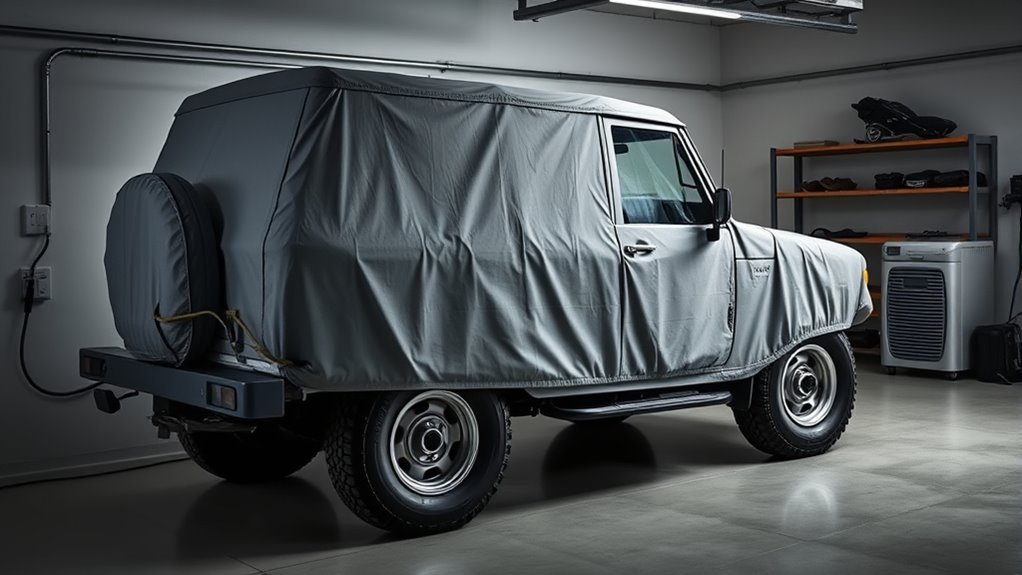
If a Land Cruiser will sit for months, a bit of preparation avoids a dead battery, flat-spotted tires, stale fuel and pests. This guide covers the basics for storing a Land Cruiser. For hybrid models, follow the storage instructions in your owner’s manual, and do not attempt anything involving the high-voltage system yourself.
Quick Checklist
- Pick a dry, secure, preferably indoor space.
- Wash and dry the vehicle, inside and out.
- Top off the fuel and add stabilizer if it will sit more than a month or two (gasoline engines).
- Change the engine oil if it is due or nearly due, since used oil contains acids and moisture.
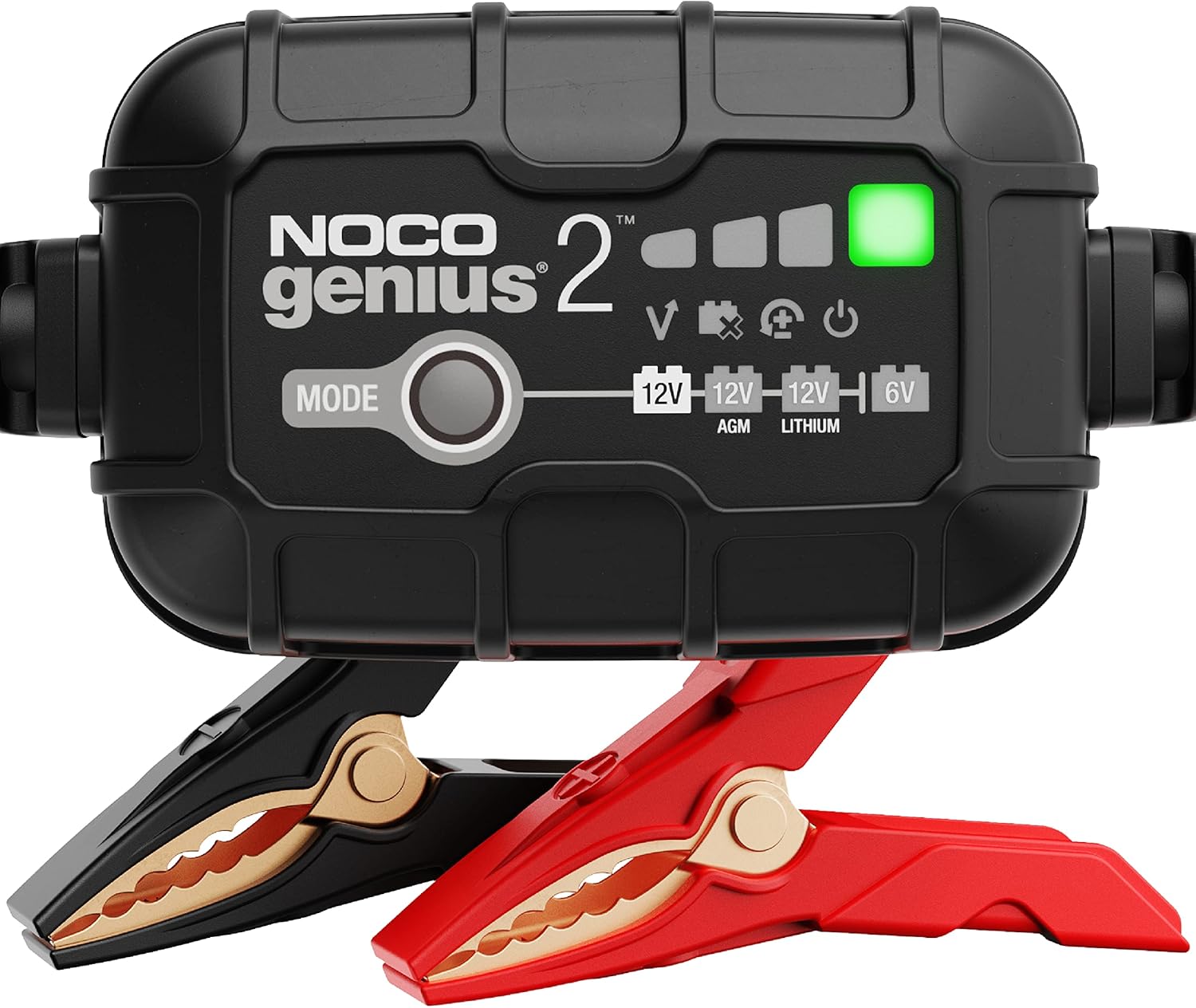
- Fix the 12V battery: use a smart maintainer, or disconnect the negative terminal.
- Set tire pressure correctly or follow the manual’s advice on lifting.
- Block rodent access, add moisture absorbers, and cover the vehicle with a breathable cover.
Choosing a Storage Space
A dry indoor garage is best. A climate-controlled unit is an excellent choice if you can get one, since it limits humidity and temperature swings that cause rust, mildew and battery wear. If you use a self-storage unit, check that vehicle storage is allowed, and look at security, access hours and insurance rules.
Measure before you commit. A Land Cruiser is roughly 15 to 16 feet long, so a 10 by 20 foot unit often fits it with space to open the doors, while a 10 by 30 unit gives room for a small trailer or gear. Confirm your exact vehicle length and any rack or hitch accessories, and check door height.
Fluids, Fuel and Filters
- Fuel: Fill the tank to limit condensation. For gasoline models, add a fuel stabilizer according to its label and run the engine for a few minutes (ideally a short drive) so the treated fuel reaches the injectors.
- Engine oil: Change it before storage if it is near its interval.
- Other fluids: Check coolant, brake fluid and other levels, and top off as needed. Brake fluid absorbs moisture, so if it is due, replace it.
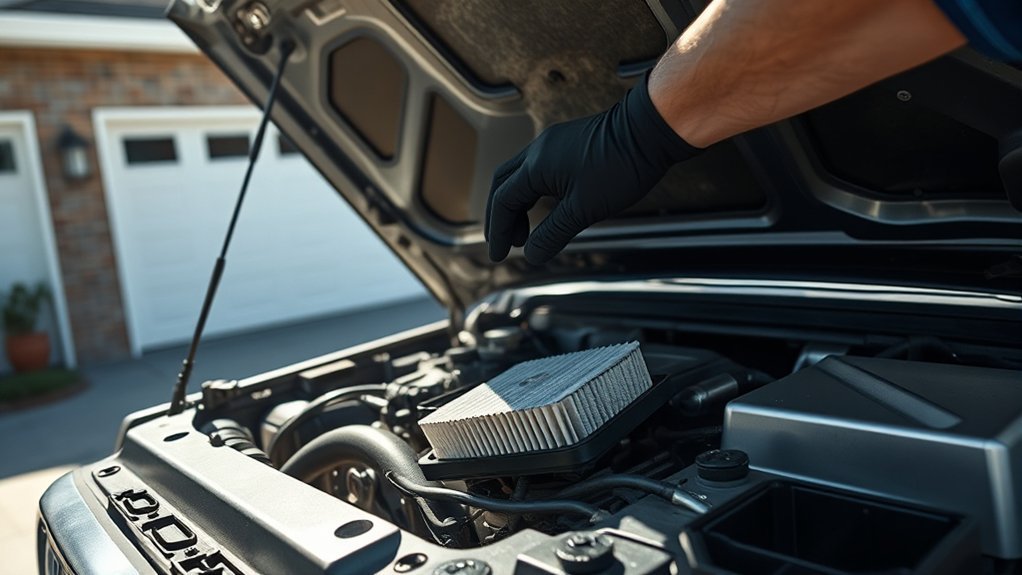
- Filters: Replace the air filter only if it is already due. You do not need to fog the engine for a few months of storage in most cases.
Battery
The 12V battery can discharge in a few weeks because of the electronics on standby. A smart battery maintainer (a trickle charger that tops up only when needed) is the best option. Otherwise disconnect the negative terminal, bearing in mind that this may reset the clock and radio and may require relearning some settings. Check your manual before disconnecting, since some modern vehicles need a specific procedure.
Hybrid Models
If your Land Cruiser is a hybrid, the high-voltage battery pack is sealed and should never be removed or disconnected by an owner. Do not pull a service plug yourself, since this can be dangerous without training. Hybrid manuals typically cover long-term storage, including how often to start the vehicle and the 12V battery. Follow those instructions. A dealer or hybrid-qualified shop can advise if you plan to store it for many months.
Tires and Suspension
- Inflate tires to the placard pressure, or slightly higher if the manual allows, to limit flat spots.
- If the vehicle will sit for many months, consider lifting it onto proper jack stands at the points specified in the manual, using stands rated for the weight. Never rely on a jack alone, and never work under a vehicle that is not supported on stands. Avoid stands if you are not comfortable with them; a few extra months at correct pressure is usually fine.
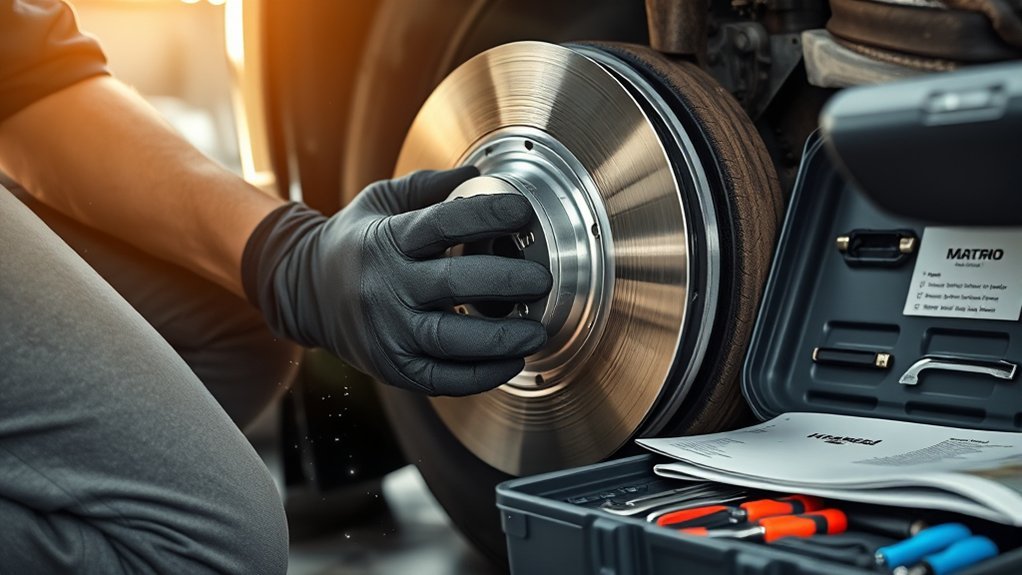
- Release the parking brake if the vehicle will be stored for a long time, and use wheel chocks. Brake pads can stick to rotors in damp conditions.
Body, Interior and Pests
- Wash and wax the paint, including the lower body and wheel wells, and let everything dry fully.
- Vacuum the interior and remove food, wrappers and anything that attracts pests.
- Place moisture absorbers inside, and replace them as they fill.
- If you plug the exhaust tip or air intake to keep out rodents, attach a bright reminder tag where you will see it before starting the engine, and remove the plug before starting.
- Use a breathable car cover indoors. A plastic tarp traps moisture.
While It Is Stored
If possible, start the vehicle every few weeks and, if you can, take it for a drive of 20 minutes or more so the engine and the hybrid system, if fitted, reach operating temperature and the battery recovers. Do not run the engine in a closed garage, because exhaust gases are poisonous. Move the vehicle outdoors or open the door fully. Short idling alone does little and can add moisture. Check tire pressures and look under the vehicle for fluid spots.
Insurance and Paperwork
Tell your insurer you are storing the vehicle, since some companies offer reduced storage coverage, and make sure theft and damage cover remain in force. Photograph the vehicle before storage, and keep keys and documents separate from it.
Bringing It Back to the Road
Remove covers, plugs and absorbers; check tire pressure, fluid levels, under-hood for chewed wires or nests, and the brakes. Reconnect the battery if needed, start the engine and let it settle before driving gently at first.
Frequently Asked Questions
What is the best way to store a car long term?
Store it clean and dry, in a secure indoor space, with fuel stabilizer, a battery maintainer, correct tire pressure and pest protection, and start it periodically if you can.
How do I store a hybrid for three months?
Follow your owner’s manual. Typically that means keeping the 12V battery maintained and starting or driving the vehicle regularly. Leave the high-voltage system alone.
Conclusion
Store your Land Cruiser clean, dry and protected: stable fuel, a healthy battery, correct tire pressure and a pest-proof, secure space. Check the manual for hybrid-specific rules, and give it a good look over before you drive again.