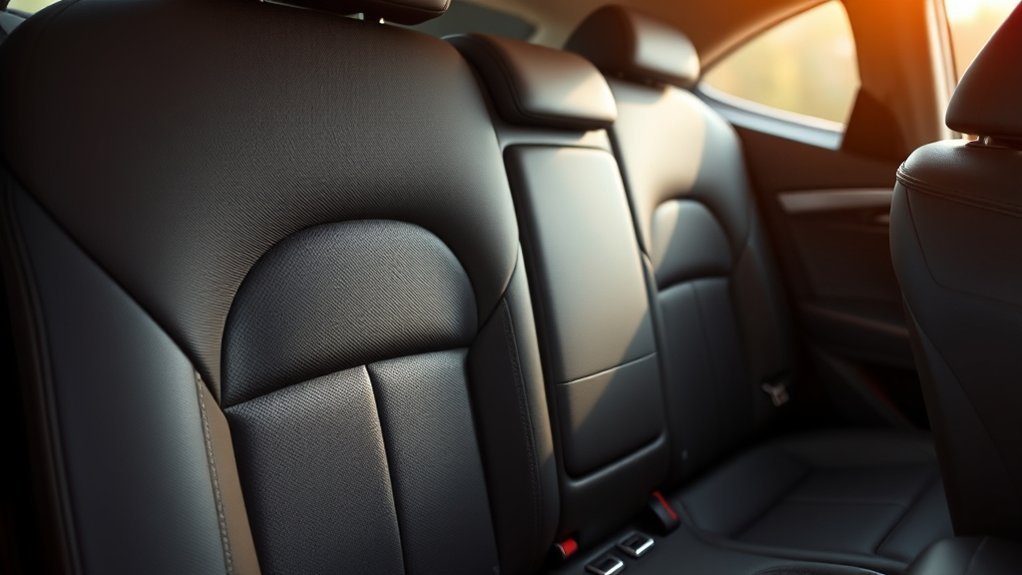
Most Sonatas have LATCH lower anchors in the left and right rear seating positions, and top tether anchors for forward-facing seats. The center position typically has no lower anchors, so check your owner’s manual for the exact locations and weight limits for your model year. Use the top tether for forward-facing seats.
What Is the LATCH System and Why Is It Important?
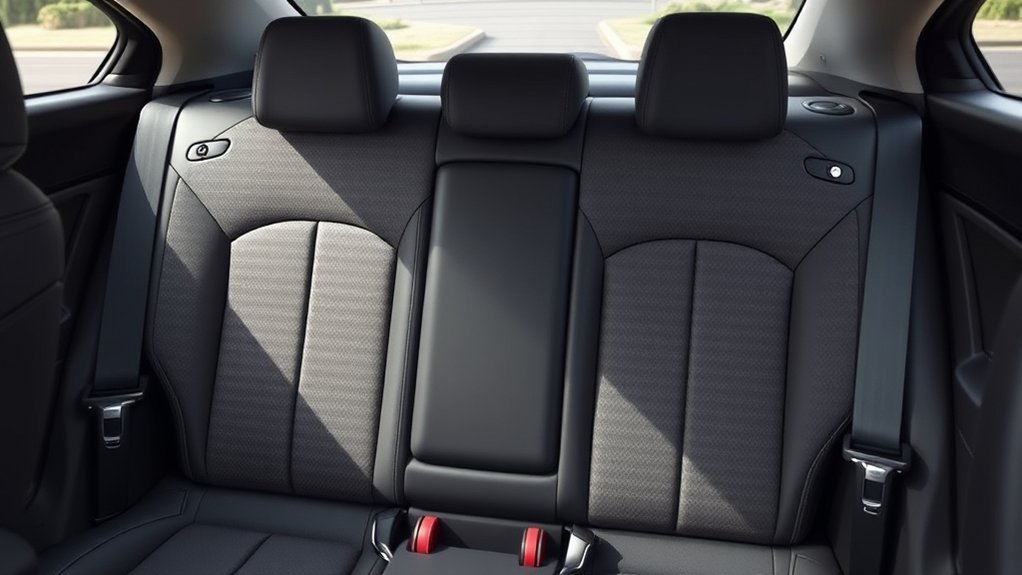
LATCH stands for Lower Anchors and Tethers for Children. It was introduced to make child seat installation easier and more consistent, and to limit the seat’s movement in a crash. It uses two lower anchors and a top tether.
The system uses lower anchors and a top tether attachment for the child restraint system (CRS). In the Sonata, the lower anchors are in the rear seat bight, where the seat cushion meets the seatback. Follow your car seat manual and the Sonata owner’s manual.
Locating LATCH Anchors in Your Hyundai Sonata
When you’re ready to install a child seat in your Hyundai Sonata, locating the LATCH anchors is straightforward. Your owner’s manual shows their exact locations.
Here’s where to find them:
- Lower Anchors: Look for two lower anchor bars in each of the left and right rear seating positions; the center position typically has none.
- Top Tether Anchor: For front-facing child seats, find the top tether anchor behind the rear seatbacks (check your manual for the exact location).
- Model Years: LATCH is standard on all recent Sonatas.
- Secure Connection: After installation, check that the child seat is firmly connected by attempting to move it; it shouldn’t budge more than an inch.
Step-by-Step Guide to Using the LATCH System
To install your child seat with LATCH, first locate the lower anchors in the rear seat bight at the left or right seating position. Attach the car seat’s lower connectors to the anchors without twisting the straps, and tighten. For a forward-facing seat, route the top tether strap over the seatback as your manuals describe and connect it to the tether anchor.
After installation, test the connection by trying to move the car seat; it shouldn’t budge more than an inch in any direction. Regularly check the LATCH system for signs of wear or damage, verifying that the installation remains tight and secure over time.
Common Mistakes to Avoid When Using LATCH
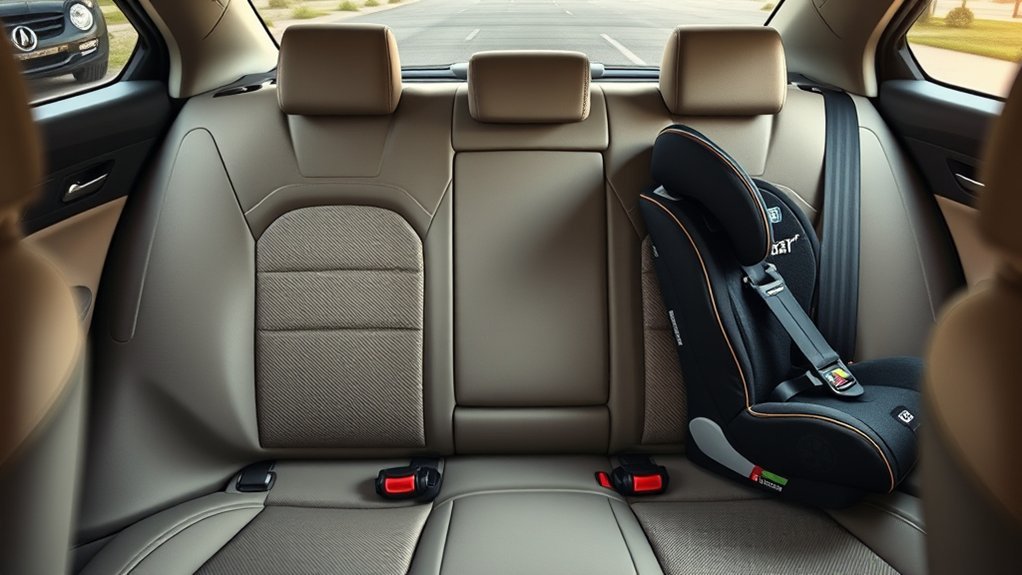
While using the LATCH system in your Hyundai Sonata, you might inadvertently make a few common mistakes that can compromise safety. Being aware of these LATCH misconfigurations can help guarantee your child’s protection. Here are some key points to take into account:
- Verify your child restraint system (CRS) is compatible with the LATCH anchors.
- Avoid attaching multiple CRSs to a single LATCH anchorage to maintain integrity.
- Double-check that the CRS is secured, allowing no more than an inch of movement at the base.
- Always utilize the top tether strap for forward-facing seats to minimize head injury risk.
Regular safety checks of the LATCH system are essential, especially after any collision. By sidestepping these common pitfalls, you can enhance the safety of your child while traveling in your Sonata.
Securing Your Child Seat With LATCH
When securing your child seat with the LATCH system in your Hyundai Sonata, you’ll find the anchors conveniently located in the back seat cushions. Start by connecting the seat’s lower attachments to these anchors, ensuring a tight fit. Don’t forget to attach the top tether strap for front-facing seats to maximize stability and safety.
LATCH System Overview
LATCH in the Sonata uses dedicated anchors at the rear seat bight. Key points:
- Two lower anchors in each outboard seating position.
- A top tether strap provides added support for forward-facing seats.
- Proper installation allows minimal movement, ideally under one inch.
- Following LATCH safety tips reduces the likelihood of improper installation.
Installation Steps Simplified
Properly securing your child seat with the LATCH system helps keep your child safe. Start by locating the LATCH anchors in your Hyundai Sonata’s back seat cushions, typically at the base where the seatback meets the cushion. Attach the child seat’s lower anchors to these connectors, ensuring a secure fit per the manufacturer’s instructions. For front-facing seats, utilize the top tether strap by routing it over the seatback and connecting it to the designated anchor point. After installation, test the connection; the seat should move no more than one inch in any direction. Regularly check the LATCH system and installation for ongoing child seat safety, ensuring compliance with the latest safety standards and enjoying the LATCH benefits.
Troubleshooting Common LATCH Issues
Troubleshooting common LATCH issues is essential for guaranteeing your child’s safety during travel. Start by conducting LATCH compatibility checks to confirm your child restraint system (CRS) is approved for use with your Hyundai Sonata’s LATCH anchors. Pay attention to these points:
Troubleshooting LATCH issues is vital for your child’s safety; ensure your CRS is compatible with your Hyundai Sonata’s anchors.
- Verify LATCH anchors are clearly marked in the back seat cushions for easy access.
- If the child seat moves more than an inch after installation, recheck that both connectors are securely fastened to the anchors.
- Inspect the top tether strap; it should be taut and free of slack for maximum safety.
- If you encounter difficulties, refer to the CRS manual and your vehicle’s owner manual for specific guidance.
Why Does Top Tether Usage Matter?
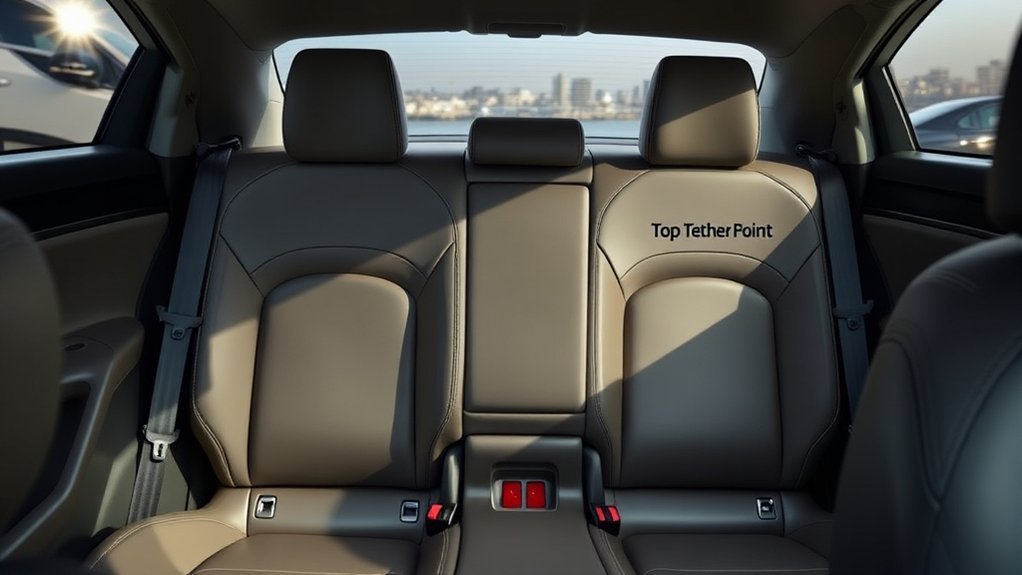
Using a top tether strap is vital for maximizing the safety of forward-facing child restraints. The top tether benefits include limiting the seat’s forward movement during a collision, which greatly reduces the risk of injury to your child. Proper use of the top tether can also decrease the forward tilt of the child seat, enhancing overall stability and safety.
In the Sonata, the tether anchors are located behind the rear seatbacks; check your manual for the exact spot. Always follow the installation tips specific to your child restraint system, as many require a top tether to comply with safety regulations. Neglecting this essential component can lead to increased movement of the restraint in a crash, raising the potential for severe injuries. Prioritize using the top tether to guarantee ideal protection for your child and instill peace of mind while driving.
Essential Maintenance for Your Child Restraint System
To guarantee your Child Restraint System (CRS) remains effective, establish a regular inspection schedule to catch any issues early. Use proper cleaning techniques to maintain its functionality and adhere to safe storage practices to prevent damage. Staying diligent in these areas will help keep your child secure during every journey.
Regular Inspection Schedule
Regular inspections of your Child Restraint System (CRS) are essential for guaranteeing safety during every journey. To maintain peak performance, adhere to a regular inspection schedule. Aim for an inspection frequency every few months, focusing on the following:
- Check the CRS installation; it shouldn’t move more than an inch side-to-side or front-to-back.
- Examine LATCH anchors for any wear indicators or obstructions that might compromise attachment.
- Verify the top tether strap is securely fastened and tightened per manufacturer instructions.
- Revisit the CRS manufacturer’s guidelines and local safety regulations for any updates.
Proper Cleaning Techniques
Maintaining a clean Child Restraint System (CRS) is essential for ensuring its safety and longevity. Regularly check your CRS for dirt or debris, utilizing appropriate cleaning tools like a damp cloth and mild soap for the fabric types and plastic components. Avoid harsh chemicals that could compromise integrity. If your CRS has removable covers, wash them according to the manufacturer’s instructions, typically in cold water on a gentle cycle to prevent shrinkage. Inspect the seat belt webbing for fraying or wear, cleaning it gently with a damp cloth. Remember, exposing the CRS to extreme temperatures can damage materials, so always store it in a dry, cool place when not in use. Regularly check for signs of wear to maintain safety.
Safe Storage Practices
Proper cleaning techniques guarantee your Child Restraint System (CRS) remains safe and reliable, but how you store it is equally important. Proper storage conditions can enhance CRS longevity and assure peak performance. Here are key practices to follow:
- Store the CRS in a cool, dry place, away from direct sunlight to prevent material degradation.
- Regularly inspect the CRS for signs of damage, like frayed straps or cracked components.
- Follow the manufacturer’s cleaning instructions, avoiding harsh chemicals that could compromise the materials.
- Confirm all components, including ISOFIX connectors and the top tether, are properly stowed to prevent unnecessary stress.
Frequently Asked Questions
Can I Use Seat Belts Instead of LATCH for Installation?
Yes, you can use seatbelts instead of LATCH for installation. While LATCH offers advantages like easier installation, seatbelt safety is reliable too. Just make certain you follow your child seat and vehicle manual for proper securing.
How Do I Know if My Child Seat Is Compatible With LATCH?
To check if your child seat’s compatible with LATCH, review the manufacturer’s instructions and verify it meets LATCH guidelines. Different child seat types may have varying compatibility, so always confirm before installation.
What Is the Weight Limit for Using LATCH Anchors?
You should check the LATCH anchor specifications in your vehicle’s manual. Generally, the weight limit for using LATCH anchors is around 65 pounds, but always refer to safety regulation updates for the most accurate guidelines.
Can I Install Two Child Seats Using LATCH Simultaneously?
Often yes, one on each outboard seating position, since each uses its own lower anchors. Never attach two seats to the same anchor unless both manuals allow it, and the center position typically has no lower anchors, so check your vehicle manual and each car seat manual.
How Often Should I Check the Tightness of the Installation?
Check the installation each time you use the seat, and regularly in between and after any crash.
Conclusion
Check your owner’s manual for the anchor locations and weight limits in your Sonata, follow your car seat’s manual, use the top tether for forward-facing seats, and check that the seat moves no more than an inch at the belt path.