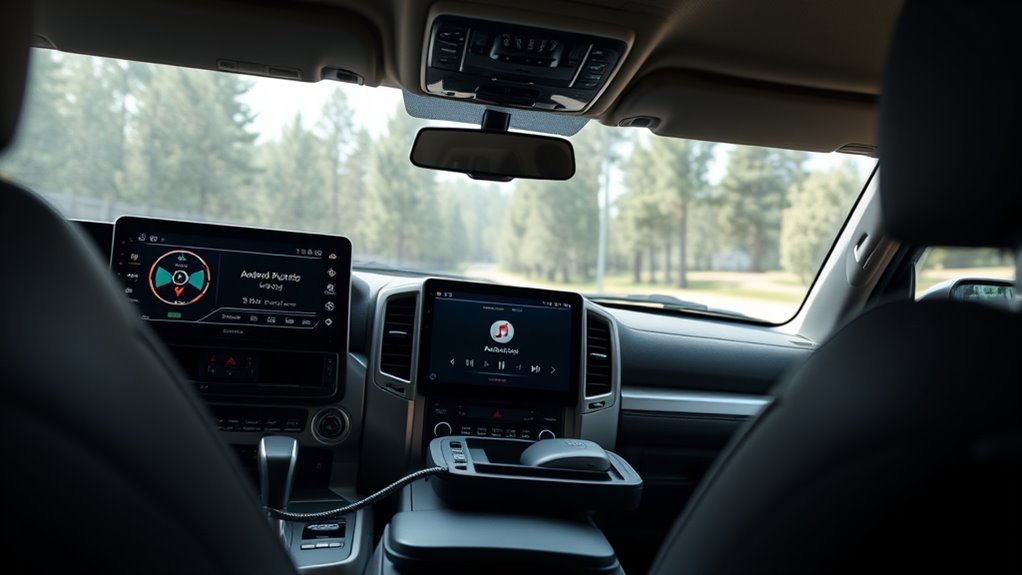
Replacing the Land Cruiser cabin air filter takes about five minutes and requires no tools, but skipping one setup step on older models can snap a $500 climate-control door inside your dashboard. Before you open the glove box, you need to set the air conditioning system to Recirculate so the internal blend door moves out of the way before shutting off the engine. Confirm the right filter for your generation—the washable K&N VF2000 fits 2008–2021 models (200 Series), while the K&N VF2080 fits 2024–2026 models (250 Series)—and match the airflow arrow on the tray for strong heating and cooling performance.
Quick Answer
To replace a Toyota Land Cruiser cabin air filter, turn the vehicle on, set the climate control to Recirculate, and turn the ignition off. Open the glove box, remove the inner access cover, and slide out the filter tray. Install a K&N VF2000 (2008–2021) or VF2080 (2024–2026) with the arrow matching the tray.
Last checked: October 17, 2026. Dates and figures were verified against official sources.
At a Glance
| Time Required | 5 minutes |
| Difficulty | Beginner (no mechanical experience needed) |
| Tools Needed | None (hands only) |
| Cost | $20–$37 for disposable OEM; $38–$53 for washable K&N |
Installing Your K&N Cabin Air Filter: A Quick Guide

Installing your K&N Cabin Air Filter takes less than five minutes with no tools once you position the climate system properly. The filter sits directly behind the passenger glove box on every modern Toyota Land Cruiser. Before buying a filter, confirm your model year: according to the K&N VF2000 cabin air filter specifications, the VF2000 fits 2008–2021 Land Cruiser 200-Series models (as well as 2010–2024 Land Cruiser Prado models), while the K&N Land Cruiser 250 application catalog lists the VF2080 for 2024–2026 Land Cruiser 250-Series and 2021–2026 300-Series models.
Warning: Never pull or pry open the recirculation flap behind the glove box by hand. If the climate system is left in Fresh Air mode on a 2008–2021 Land Cruiser, forcing the flap snaps the plastic servo linkage pin on the blower housing—a repair that costs $400–$500 in parts and requires removing the dashboard.
- Set the AC to Recirculate: Start the engine (or switch the ignition to ON), turn on the climate control system, and press the Recirculate button (the car icon with a curved arrow inside). Wait five seconds for the internal blend door to rotate upward and expose the filter cover.
- Turn off the vehicle: Shut off the ignition with Recirculate still active so the door remains locked in the open access position.
- Access the filter housing: On 2008–2021 (200-Series) models, open the glove box, pull out the horizontal plastic divider shelf, and slide or unclip the outer access panel at the back of the glove box. On 2024–2026 (250-Series) models, open the glove box, unhook the right-side damper arm, and press inward on both sides of the glove box bin to lower it past its rubber stops.
- Remove the filter cover and old element: Pinch the locking tabs on the rectangular filter housing cover to remove it. Note the direction of the UP or AIR FLOW arrow, then pull the old filter straight out.
- Install the new K&N filter: Slide the pre-treated K&N filter into the housing or plastic carrier tray with the polyurethane frame seated flat. Because cabin air flows downward from the cowl intake into the blower motor, ensure the filter’s AIR FLOW arrow points down (or that the tray’s UP arrow points up).
- Reassemble the glove box: Snap the filter cover back into place until both side tabs click, reinstall the shelf or push the glove box back past its stops, and attach the included K&N reusable filter warning decal to the housing cover.
For peak performance, inspect your cabin filter every 12,000 to 20,000 miles. Unlike red cotton engine air filters, K&N cabin filters use a synthetic electrostatic media that requires cleaning and refreshing—never engine filter oil—to preserve airflow and odor control.
Signs Your Cabin Air Filter Needs Replacement?
A dirty cabin air filter makes itself known through weak vent airflow, musty odors, and windows that take too long to defog. Because all outside and recirculated air passes through this single pleated barrier before reaching the dashboard vents, trapped dust, damp leaves, and pollen quickly restrict your heating and cooling output.
Watch for these verified HVAC warning signs while driving:
- Musty or sour odors from the vents: Moisture trapped in organic debris breeds mold and bacteria inside the filter pleats, producing a damp smell as soon as you switch on the air conditioner or heater.
- Reduced fan airflow on high settings: If the blower fan sounds loud at maximum speed but only a weak stream of air exits the registers, a clogged filter is choking the intake path.
- Windows fog up easily in Fresh mode: According to Toyota’s Warranty and Maintenance Guide, interior glass that fogs quickly when using Fresh Air mode is a primary sign that the cabin filter is saturated and restricting dehumidified airflow.
- Whistling or strained blower motor noise: When air is forced through tiny gaps around a plugged filter or warped frame, you may hear a high-pitched whistle or humming noise from beneath the passenger footwell.
- Excess dust settling on the dashboard: Once a disposable filter is overloaded, fine road dust bypasses the seal and coats the center console and instrument cluster shortly after you wipe them clean.
Keep in mind that a cabin air filter only cleans passenger-compartment air. It has no connection to your engine intake, transmission shifting, check engine light, or turn signals—if you experience engine hesitation or warning lights, inspect your under-hood engine air filter and mass airflow (MAF) sensor instead.
Maintain Your Cabin Air Filter for Optimal Performance
Maintaining your cabin air filter protects your blower motor from overheating and keeps cabin air clean across every season. While disposable paper or charcoal filters must be thrown away every 12,000 to 20,000 miles, a washable K&N filter can be rinsed, refreshed, and reinstalled for the life of your Land Cruiser.
| Land Cruiser Generation | K&N Washable Part # | Toyota OEM Part # | Filter Dimensions (L × W × H) |
|---|---|---|---|
| 2008–2021 Land Cruiser (200 Series) & 2010–2024 Prado | VF2000 | 87139-30040 / 87139-50060 | 8.47 in × 7.66 in × 1.16 in (215 × 194 × 29 mm) |
| 2024–2026 Land Cruiser (250 Series) & 2021–2026 300 Series | VF2080 | 87139-30110 | 9.75 in × 7.13 in × 1.13 in (248 × 181 × 29 mm) |
Per K&N’s official cabin air filter cleaning guide, you should service a washable cabin filter every 12,000 miles or once a year using the K&N Refresher Kit (Part #99-6000):
- Tap the filter gently against a flat surface to knock loose dry leaves, sand, and bugs.
- Spray K&N Cabin Air Filter Cleaner liberally onto both sides (focusing on the dirty intake side) and let it soak for 10 minutes without drying.
- Rinse with cool or warm low-pressure water from the clean side out until the water runs clear.
- Shake off excess water and let the filter air-dry for 20 to 30 minutes until dry or only slightly damp.
- Spray K&N Cabin Air Filter Refresher evenly across the synthetic media to restore its electrostatic charge and odor-fighting treatment before reinstalling.
Pro Tip: Before taking a 200-Series Land Cruiser to a dealership or quick-lube shop, lock your glove box with the mechanical key blade inside your smart fob and keep the fob blade with you. Service technicians frequently check the cabin filter during oil changes without turning on Recirculate first, snapping the recirculation door linkage.
Avoid Common Cabin Air Filter Installation Pitfalls

Avoiding four common installation mistakes protects your Land Cruiser’s blower assembly and keeps unfiltered air from bypassing the seal. Always verify that the climate system is set to Recirculate before shutting off the engine, and check how your vehicle marks filter orientation—older Toyota trays display an UP arrow (pointing toward the roof), while replacement filters display an AIR FLOW arrow (pointing down toward the floor).
Here’s a quick reference table to help you:
| Common Mistakes | Consequences |
|---|---|
| Ignoring airflow vs. tray UP arrow direction | Reduced airflow, trapped debris on the wrong side, and blower strain |
| Confusing VF2000 (200 Series) with VF2080 (250 Series) | Gaps around the housing that let unfiltered dust into the evaporator core |
| Using red engine air filter oil on a cabin filter | Oily fumes inside the cabin and ruined synthetic filter media |
| Forcing the recirculation door open in Fresh Air mode | Snapped actuator linkage arm and permanent window-fogging issues |
Discover the Benefits of a Clean Cabin Air Filter
A clean cabin air filter traps road dust, pollen, exhaust soot, and trail debris before they enter the passenger compartment or coat the AC evaporator core. Keeping this barrier clean delivers immediate comfort and mechanical benefits on every drive:
- Cleaner interior air for passengers: High-efficiency pleated media captures airborne allergens and fine trail dust, reducing sneezing and eye irritation during spring pollen season or overland trips.
- Faster cooling and windshield defogging: Unobstructed airflow allows the blower motor to move maximum volume across the heater core and AC evaporator, clearing fogged windshields and cooling a hot cabin faster.
- Longer blower motor lifespan: A clogged filter forces the electric blower fan to work against high static resistance, overheating the blower motor resistor and shortening fan bearing life.
- Lower long-term waste and maintenance cost: Because a washable K&N filter carries a 10-year / 1,000,000-mile limited warranty, cleaning and reusing one filter replaces 5 to 10 disposable filters over 100,000 miles.
Frequently Asked Questions
How Often Does Toyota Recommend Changing the Cabin Air Filter?
Toyota recommends inspecting or replacing a disposable cabin air filter every 12,000 to 20,000 miles or once a year. If you regularly drive your Land Cruiser on dirt trails, in desert areas, or in heavy urban traffic, inspect and clean or replace the filter every 10,000 miles.
Why Must the Land Cruiser AC Be Set to Recirculate Before Changing the Filter?
On 2008–2021 Land Cruiser models, the motorized recirculation door sits directly in front of the cabin filter access cover when the HVAC system is in Fresh Air mode. Turning on Recirculate moves the flap upward so you can open the filter door without snapping the plastic actuator arm.
Do You Oil a K&N Cabin Air Filter Like an Engine Air Filter?
No, you should never apply red engine air filter oil to a K&N cabin air filter. K&N cabin filters are made from non-woven synthetic media and must be cleaned and treated every 12,000 miles using the K&N Cabin Air Filter Refresher Kit (Part #99-6000).
Which Direction Should the Airflow Arrow Point on a Land Cruiser Cabin Filter?
Air enters the Land Cruiser HVAC housing from the top and flows downward into the blower fan. If your replacement filter is printed with an AIR FLOW arrow, point the arrow down; if the filter or plastic tray is marked with an UP arrow, point the arrow up.
Conclusion
Servicing your Land Cruiser cabin air filter once a year—or every 12,000 to 20,000 miles—keeps your interior smelling fresh and protects your HVAC blower motor from unnecessary strain. Before your next filter check, set the climate control to Recirculate with the ignition on, shut the vehicle off, and confirm you have the right filter on hand—the K&N VF2000 for 2008–2021 models or the VF2080 for 2024–2026 models.
Sources
- K&N Engineering (VF2000 Specifications): Dimensions, synthetic material details, OEM cross-references, and 2008–2021 Land Cruiser fitment.
- K&N Engineering (Land Cruiser 250 Catalog): VF2080 fitment and specifications for 2024–2026 Toyota Land Cruiser models.
- K&N Engineering (Official Air Filter Cleaning Instructions): Step-by-step washing and electrostatic refresher procedure for washable cabin air filters.
- Toyota Motor North America (Warranty & Maintenance Guide): Official cabin air filter service intervals, severe-dust guidance, and window-fogging symptoms.