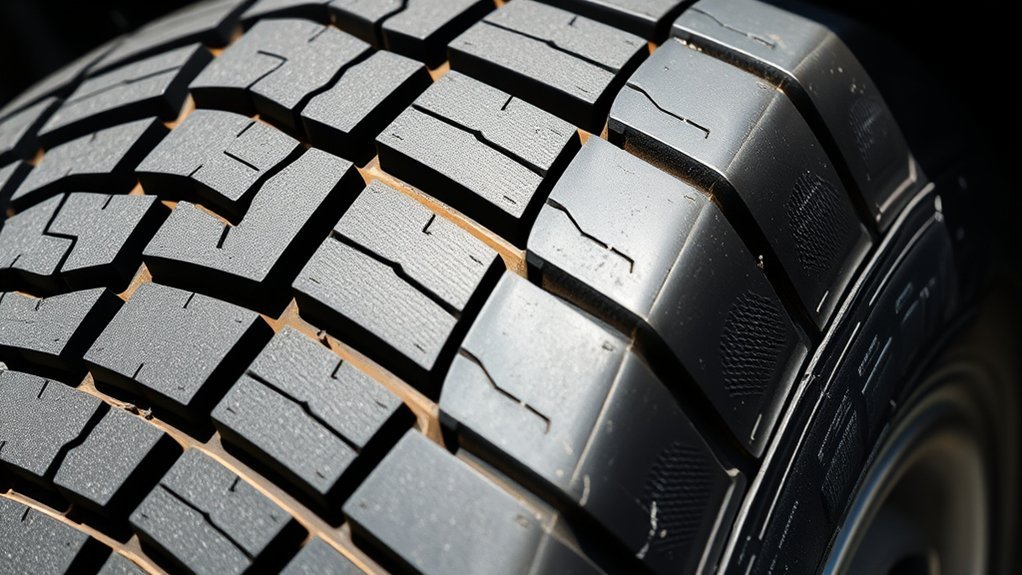
Understanding tire wear patterns on your Toyota RAV4 helps you catch pressure, alignment, rotation, and suspension problems before they shorten tire life or affect safety. A quick tread check can tell you whether the tire is wearing normally, overinflated, underinflated, misaligned, or bouncing from a worn suspension part.
Quick Answer
On a RAV4, center tire wear usually points to overinflation, both-edge wear often points to underinflation or overloading, one-sided inner or outer wear suggests alignment or camber issues, feathering often means toe misalignment, and cupping or scalloping can indicate worn shocks, struts, wheel imbalance, or loose suspension parts.
Key Takeaways
- Use the tire pressure listed on your RAV4’s driver-side door-jamb placard or owner’s manual, not the maximum pressure printed on the tire sidewall.
- Check tires when they are cold, because pressure rises after driving and can give a misleading reading.
- Uneven wear is usually a symptom, not the root problem. Fix the pressure, alignment, balance, rotation schedule, or suspension issue that caused it.
- Replace tires immediately if you see exposed cords, sidewall bulges, deep cracks, tread separation, or tread depth at or below 2/32 inch.
At a Glance
| Time Required | 10–15 minutes for a driveway inspection |
| Difficulty | Easy for inspection; professional help needed for alignment or suspension repair |
| Tools Needed | Tire pressure gauge, tread depth gauge or penny, flashlight, chalk or tire crayon |
| Cost | Free to inspect; about $5–$20 for a basic gauge; shop costs vary for alignment, balancing, or repairs |
Understanding Tire Wear Patterns on Your RAV4
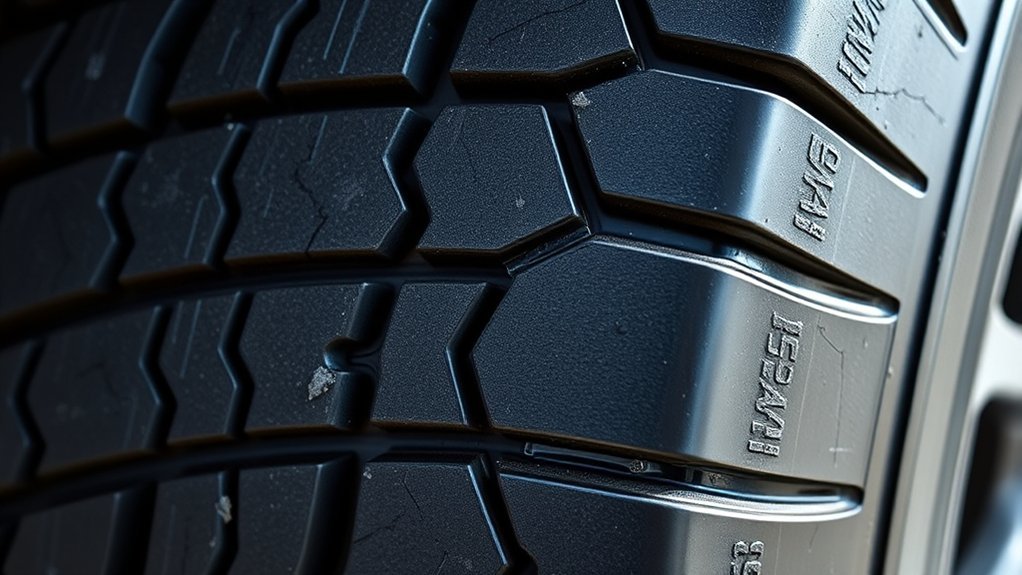
Understanding tire wear patterns on your RAV4 is crucial for maintaining vehicle safety, braking performance, steering response, and tire life. Tires are the only parts of the vehicle touching the road, so abnormal tread wear deserves attention even if the tire still “looks okay” at a glance.
Start by comparing the tread across the full width of each tire: inside edge, center, and outside edge. Inner edge wear can point to camber or alignment problems. Center wear often suggests overinflation. Both-edge wear often suggests underinflation, overloading, or a slow leak. Cupping or scalloped dips can point to worn suspension parts or wheel imbalance, while feathering often comes from toe misalignment.
For pressure, follow Toyota’s guidance: use the cold tire inflation pressure listed on your RAV4’s tire and loading information placard or in the official Toyota owner’s manual. Do not inflate based on a guessed “hot pressure” target, and do not use the sidewall maximum as your everyday pressure setting. Toyota warns that improper inflation can cause excessive wear, uneven wear, poor handling, and tire damage. Toyota RAV4 Owner’s Manual
Warning: If a tire has exposed cords, a sidewall bulge, a deep cut, tread separation, or an audible air leak, do not keep driving on it. Install the spare if safe to do so and have the tire inspected or replaced.
| Wear Pattern | What It Looks Like | Likely Cause | Best Next Step |
|---|---|---|---|
| Center wear | Middle tread is lower than both shoulders | Overinflation or repeated pressure set too high | Set cold pressure to the door-jamb placard and monitor wear |
| Both-edge wear | Inside and outside shoulders wear faster than the center | Underinflation, overloading, or a slow leak | Check pressure cold, inspect for leaks, and verify load limits |
| Inner or outer edge wear | One shoulder wears faster than the rest of the tread | Camber, toe, worn parts, or alignment drift | Schedule alignment and suspension inspection |
| Feathering | One side of each tread rib feels sharp; the other feels rounded | Toe misalignment | Have toe settings checked and corrected |
| Cupping or scalloping | Dips, scoops, or high-low patches around the tread | Worn shocks/struts, imbalance, or loose suspension parts | Inspect suspension and balance before replacing tires |
What Causes Tire Wear?
Tire wear results from normal mileage plus maintenance and driving factors. The most common causes of uneven tire wear are improper inflation, wheel misalignment, missed rotations, wheel imbalance, worn suspension parts, heavy loads, aggressive cornering, hard braking, and road impacts such as potholes.
Common Causes Identified
Proper maintenance is essential for maximizing tire lifespan and performance. On a RAV4, extra cargo, towing, repeated rough-road driving, or worn suspension parts can change how the tire contacts the road. If your RAV4 carries additional weight often, check the tire and loading placard and do not exceed the vehicle’s load rating.
Underinflated tires tend to flex more and can wear on the shoulders. Overinflated tires may wear faster in the center. Alignment issues can scrub one side of the tire. Wheel imbalance or worn shocks and struts can create vibration and cupped tread. Regular tire rotation, balancing when needed, and alignment checks after curb strikes, potholes, suspension work, or unusual wear are key to preventing premature damage.
Importance of Regular Inspections
Regular inspections help you catch tread, pressure, and sidewall issues early. The National Highway Traffic Safety Administration recommends tire safety habits such as checking pressure, checking tread, rotating tires, and looking for damage. A TPMS warning light is helpful, but it is not a replacement for a manual gauge check because it may not warn you until a tire is significantly underinflated.
Make tire checks part of your routine: inspect pressure when the tires are cold, look across the tread width, check tread depth in several grooves, and scan for nails, cuts, bulges, cracking, or unusual heat after driving. If one tire repeatedly loses pressure, have the tire, valve stem, and wheel inspected for leaks.
Note: Tire pressure changes with temperature. A cold snap can lower pressure, and highway driving can raise it temporarily. Set pressure when tires are cold, ideally before driving or after the vehicle has been parked for several hours.
How to Identify Specific Tire Wear Types
To identify specific tire wear types, inspect each tire in good light and compare the tread pattern from inside shoulder to outside shoulder. Do not rely on one quick look from above the fender. Turn the front wheels left and right to expose more tread, and use a flashlight for the rear tires.
[Products Worth Considering]

These aluminum alloy tire stem valve caps provide a stylish, protective upgrade for your vehicle’s valve stems while helping keep out dirt, dust, and road debris. Designed for easy hand installation, they fit most cars, SUVs, trucks, motorcycles, and bicycles, making them a practical accessory for everyday maintenance and a thoughtful gift for drivers.

These aluminum alloy tire valve stem caps provide durable, corrosion-resistant protection for your vehicle’s valve stems while helping maintain stable tire pressure. The rubber seal design helps block dust, moisture, and debris, reducing the risk of air leakage and valve damage. Easy to install and styled for a clean look, they fit a range of cars, SUVs, trucks, and motorcycles.

This 2-piece suspension tool set combines a compact strut spreader with a high-leverage lower control arm prying tool to help speed up safe suspension service. Designed for many FWD, import, and domestic vehicles, it supports strut, hub, ball joint, and control arm work while helping reduce the risk of damage to surrounding components. Heavy-duty steel construction makes it a dependable choice for mechanics and serious DIY suspension repair.
Common Wear Patterns Explained
Identifying tire wear patterns is easier when you match what you see and feel to a likely cause:
- Center Wear: The center of the tread wears faster than both edges. This usually means the tire has been run with too much pressure for the vehicle’s recommended setting.
- Both-Edge Wear: Both shoulders are worn more than the center. This often points to underinflation, overloading, or a leak that keeps the tire low.
- One-Sided Wear: The inside or outside edge is worn more than the rest of the tire. This often points to camber, toe, or worn suspension components.
- Cupping Wear: The tread has scooped dips or patchy high-low spots. This may require a suspension and balance check.
- Feathering: The tread ribs feel sharp in one direction and rounded in the other. This is commonly linked to toe misalignment.
- Flat Spots: One area is worn more than the rest of the circumference. This can come from skidding, brake issues, storage, or a tire that has been damaged.
Causes of Tire Wear
Tire wear can stem from multiple causes at once, so treat the pattern as a clue rather than a final diagnosis. For example, shoulder wear may come from low pressure, but if only one shoulder is worn, alignment is more likely. Cupping may come from worn shocks, but imbalance or loose parts can also contribute.
| Tire Wear Type | Common Causes | What to Do |
|---|---|---|
| Center Wear | Overinflation or pressure set above the RAV4 placard recommendation | Set cold pressure to the placard and recheck weekly for a month |
| Edge Wear | Underinflation, overloading, slow leaks, or alignment issues | Check pressure, inspect for punctures, and schedule alignment if wear is one-sided |
| Cupping Wear | Worn shocks or struts, wheel imbalance, bent wheel, or loose suspension parts | Have the suspension, balance, and wheel condition inspected |
| Feathering | Toe misalignment or worn steering/suspension parts | Have toe settings and front-end components checked |
| Patchy or Diagonal Wear | Missed rotations, imbalance, alignment, or mixed mechanical issues | Rotate if safe, balance, and inspect alignment and suspension |
Maintenance Tips for Longevity
While maintaining your RAV4, recognizing specific tire wear patterns is crucial for extending tire longevity. Use these maintenance tips:
- Check tire pressure cold: Use the tire and loading information placard on the driver-side door jamb or your Toyota owner’s manual for the correct PSI.
- Inspect tread wear: Center wear, shoulder wear, one-sided wear, cupping, and feathering all point to different problems. Do not ignore a pattern that appears on only one tire.
- Measure tread depth: Check multiple grooves on each tire, not just the outer edge.
- Rotate on schedule: Follow your Toyota maintenance guide. Toyota owner materials note that tire rotation helps equalize wear and extend tire life.
- Balance when needed: Vibration at certain speeds, cupping, or new tires should prompt a wheel balance check.
- Get alignment after impacts: A pothole, curb strike, or suspension repair can knock alignment out even if the steering wheel still looks straight.
Pro Tip: Take a clear photo of each tire every time you rotate them. Comparing photos over time makes early uneven wear easier to spot before the tire becomes noisy or unsafe.
Implications of Edge Wear on Safety and Performance
When edge wear appears on your RAV4’s tires, it can signal pressure, load, or alignment problems that affect safety and performance. If both shoulders are wearing faster than the center, the tire may have been run underinflated or overloaded. If only the inner or outer shoulder is worn, alignment or camber is more likely.
Edge wear can reduce wet grip, increase stopping distance, make steering less predictable, and shorten tire life. If the edge is worn near the legal minimum while the center still has tread, the tire may still be unsafe because the lowest tread area is what matters.
Maintaining proper pressure and correcting alignment problems not only extends tire life but also supports better handling and fuel efficiency. According to FuelEconomy.gov, keeping tires inflated to the proper pressure can improve gas mileage by 0.6% on average and up to 3% in some cases.
Properly inflated tires are safer, last longer, and can improve fuel economy. Uneven wear is your early warning that something needs attention.
Spotting Center Wear: What to Know
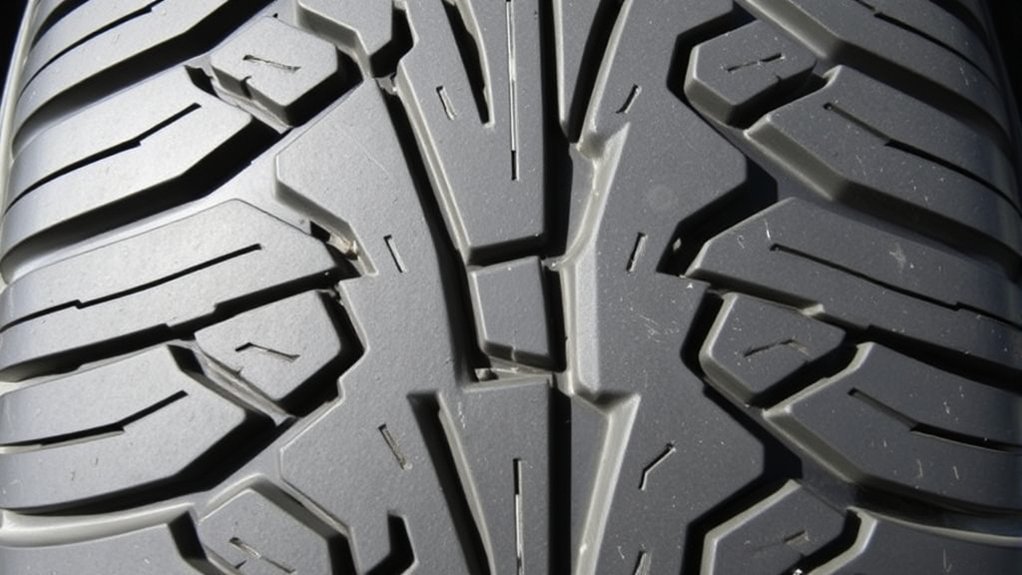
Center wear on your RAV4’s tires means the middle of the tread is wearing faster than the shoulders. This pattern often points to overinflation or repeatedly setting tire pressure too high for the vehicle’s recommended cold pressure.
- Check pressure with a reliable gauge: Do this before driving, while the tires are cold.
- Use the RAV4 placard: Follow the pressure on the driver-side door jamb or the Toyota owner’s manual for your exact model, trim, tire size, and load condition.
- Do not chase a hot-pressure number: Pressure rises during driving. Do not bleed air from hot tires just because the reading is higher after highway driving.
- Inspect for other damage: If center wear is severe, check for low tread depth, cracks, bulges, or vibration that could indicate the tire needs replacement.
How to Spot Cupping and What It Means for Your Tires
Have you noticed a rhythmic thumping noise, vibration, or uneven scooped dips around your RAV4’s tread? This could indicate cupping, also called scalloping. Goodyear describes tire cupping as a pattern of scallops or dips in the tread that can be related to suspension problems. Goodyear Tire Cupping Guide
| Signs of Cupping | Possible Implications |
|---|---|
| Uneven scooped tread patches | Reduced tire life and uneven road contact |
| Thumping noise while driving | Possible tire, balance, or suspension issue |
| Vibration in the steering wheel or seat | Possible imbalance, bent wheel, or worn component |
| Worn shocks or struts | Poor tire control over bumps |
| Poor alignment or loose suspension parts | Safety risk and faster tire wear |
Timely cupping diagnosis is essential. Rotating the tires alone may move the noise to another corner, but it will not fix the root cause. Have the wheel balance, shocks, struts, control arms, ball joints, wheel bearings, and alignment checked if cupping appears.
The Importance of Regular Tire Pressure Checks
Regularly checking your tire pressure is one of the simplest ways to protect tire life, fuel economy, and RAV4 handling. Tire pressure should be checked when tires are cold and adjusted to the specification on the vehicle placard or owner’s manual.
- Check at least monthly: Also check before long trips, after major temperature swings, and whenever the TPMS light comes on.
- Know the correct spec: Your RAV4’s correct pressure is on the tire and loading information placard, usually on the driver-side door jamb.
- Avoid underinflation and overinflation: Underinflation can cause shoulder wear and heat buildup; overinflation can cause center wear and reduced ride comfort.
- Use a manual gauge: TPMS is a safety backup, not a substitute for routine pressure checks.
- Reinstall valve caps: Valve caps help keep dirt and moisture out of the valve stem.
How to Measure Tire Tread Depth After Noticing Edge Wear
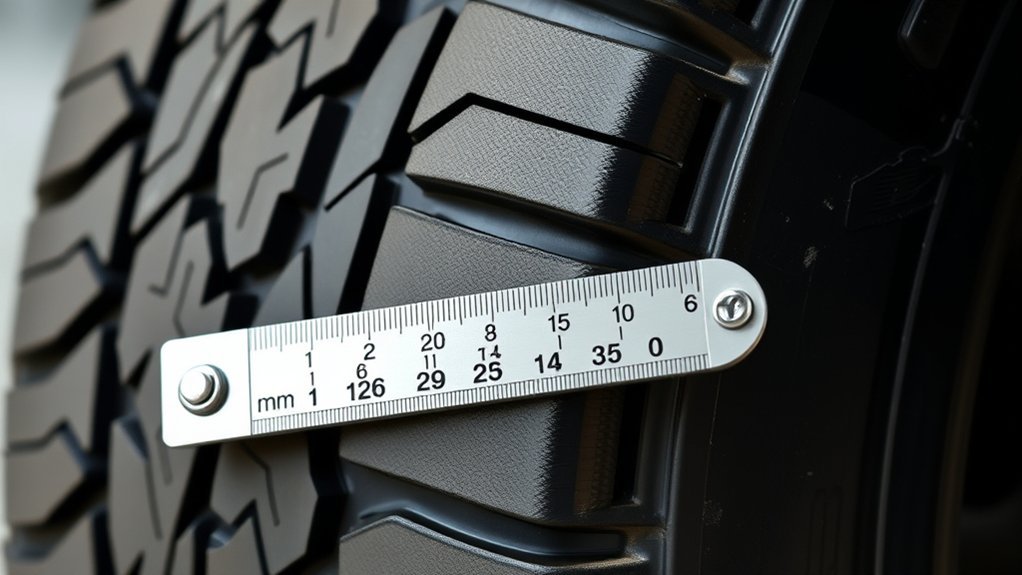
After confirming your tire pressure is correct, measure tread depth, especially if you have noticed edge wear. The most accurate method is a tread depth gauge. Measure the inner groove, center groove, and outer groove on each tire, then write the numbers down so you can compare them later.
You can also use the penny test as a quick screening method. Insert a penny into a tread groove with Lincoln’s head facing down. If the top of Lincoln’s head is visible, the tread is at or below about 2/32 inch and the tire should be replaced. For wet-weather safety, do not wait until the last moment if the tire is already worn unevenly or hydroplanes easily.
If one area is significantly lower than the rest, treat that as a warning sign. Replacing the tire without correcting the underlying pressure, alignment, balance, or suspension issue can cause the new tire to wear the same way.
[Products Worth Considering]
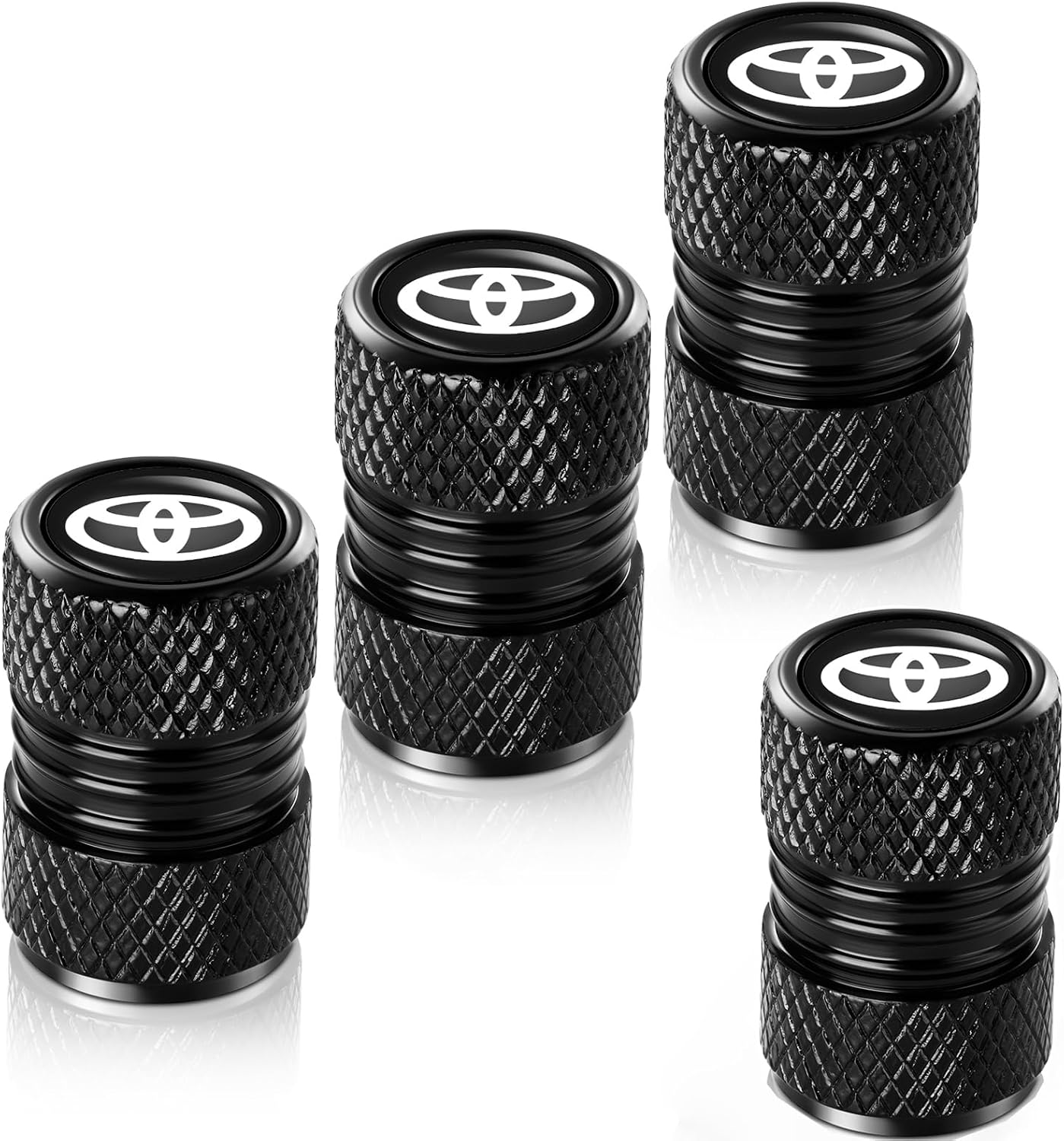
These metal tire valve stem caps are designed to protect tire valves from dust, moisture, corrosion, and air leakage while adding a clean, stylish look to your wheels. Made from durable aluminum alloy with rubber sealing rings, they are easy to install without tools and help support stable tire pressure for safer driving.

These universal valve stem caps help protect tire valves from water, dust, and sand while supporting a tighter seal to reduce air leakage. Made from durable aluminum alloy, they are easy to install by hand and fit a wide range of vehicles, including cars, SUVs, trucks, motorcycles, and bicycles. The sleek black finish adds a clean look and makes them a practical accessory for everyday vehicle maintenance.

These universal tire valve caps add a clean, customized look while helping protect valve stems from dust and debris. Made from aluminum alloy with an internal rubber seal, they are designed for reliable fit, corrosion resistance, and easy threaded installation on most cars, trucks, SUVs, motorcycles, and bicycles.
When to Seek Help for Tire Wear Issues?
You should consult a tire shop, alignment specialist, or Toyota service technician when wear is uneven, fast, noisy, or paired with vibration. Ignoring tire wear can lead to poor handling, tire failure, and extra repair costs.
- Uneven wear patterns: Excessive inner or outer edge wear often requires alignment and suspension checks.
- Cupping or vibration: Scalloped tread, thumping, or vibration may point to imbalance, worn shocks or struts, or loose parts.
- Steering pull: If your RAV4 drifts, pulls, or will not track straight, get the alignment and tires checked.
- Repeated low pressure: If one tire keeps losing air, inspect for punctures, valve-stem leaks, bead leaks, or wheel damage.
- Low tread depth: Replace tires at 2/32 inch or earlier if wet traction is poor, wear is uneven, or damage is present.
- After a hard impact: A curb strike or pothole can bend a wheel or shift alignment even if the tire still holds air.
[Products Worth Considering]

This DIY toe alignment tool kit helps home mechanics quickly check and adjust front-end toe after suspension, steering, or tire service. Stainless steel toe plates and dual tape measures provide a simple, reliable reference for reducing uneven tire wear and improving straight-line tracking without needing a full alignment machine.

This wheel alignment tool makes it easy to check and adjust toe-in and toe-out at home for better handling, stability, and more even tire wear. Designed for one-person use, it includes tape-measure slots for simple setup and accurate measurements without extra help. Its stainless steel construction and broad vehicle compatibility make it a practical addition to any DIY garage.

This custom-fit passenger storage organizer mat is designed for the Toyota RAV4 2026 to help protect and organize the center console storage area. Made from soft silicone with an anti-slip surface, it keeps small items neatly in place while adding a clean, refined look to the interior. Installation is quick and tool-free, making it an easy upgrade for everyday convenience.
Frequently Asked Questions
What tire wear patterns indicate a problem?
Problem patterns include center wear, both-edge wear, one-sided inner or outer wear, feathering, cupping, flat spots, exposed cords, and irregular patchy wear. Center wear often points to overinflation, both-edge wear to underinflation or overloading, one-sided wear to alignment or camber issues, feathering to toe misalignment, and cupping to suspension or balance problems.
How do you tell which tire is low on a RAV4?
Use a tire pressure gauge on all four tires when they are cold and compare each reading with the driver-side door-jamb placard. Some RAV4 models display individual tire pressures, but a manual gauge is still the most reliable way to confirm the low tire and check whether the pressure matches Toyota’s recommended cold setting.
Is 400 a good treadwear rating?
A 400 treadwear rating is generally a reasonable durability rating for an everyday passenger tire, but it is only useful when comparing tires from the same testing system and category. It does not guarantee exact mileage. Driving habits, alignment, pressure, rotation schedule, road conditions, tire compound, and vehicle load all affect how long the tire lasts.
Can uneven tire wear be fixed, or do I need new tires?
The lost rubber cannot grow back, but you may be able to slow further damage by correcting the cause. If the tire still has safe tread depth and no structural damage, pressure correction, rotation, balancing, alignment, or suspension repair may help. If tread is too low, cords are showing, or the tire is damaged, replace it.
How often should RAV4 tires be rotated?
Follow the maintenance guide for your exact RAV4 model year, tire type, and driving conditions. Toyota owner materials state that tire rotation helps equalize tire wear and extend tire life, and many RAV4 maintenance schedules pair tire rotation with regular maintenance visits. Rotate sooner if you notice uneven wear.
Conclusion
Keeping an eye on your RAV4’s tire wear can greatly improve safety, handling, fuel economy, and tire life. Center wear, edge wear, cupping, feathering, and one-sided wear each point to different causes, so read the pattern before guessing at the fix. Check cold tire pressure regularly, measure tread depth across the whole tire, rotate on schedule, and get professional help when wear is uneven, noisy, or paired with vibration or steering pull.
Properly inflated tires can improve gas mileage by up to 3% in some cases, according to FuelEconomy.gov, but the bigger benefit is control: better contact with the road, more predictable handling, and fewer surprises during braking or cornering. Staying proactive about your tires helps keep your RAV4 safer and more comfortable on every drive.
Sources
- Toyota RAV4 Owner’s Manual: Tire Inflation Pressure — backs up Toyota guidance on correct tire pressure and risks of improper inflation.
- Toyota Owners Manuals and Warranties — supports checking the official manual for the exact RAV4 model year and trim.
- NHTSA TireWise — supports tire safety practices, pressure checks, tread checks, rotation, and tire maintenance.
- FuelEconomy.gov: Keeping Your Vehicle in Shape — supports the fuel-economy benefit of proper tire inflation.
- Goodyear: Tire Cupping — supports the explanation of cupping/scalloping and related suspension concerns.
- Goodyear: Tire Feathering — supports the explanation of feathered tire wear and alignment-related causes.