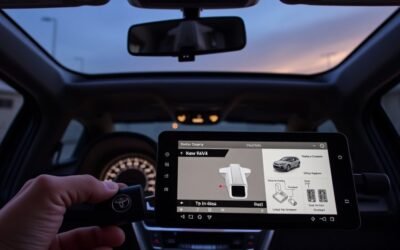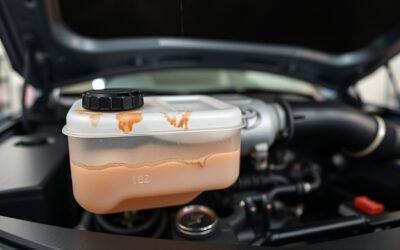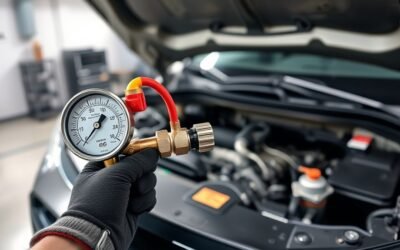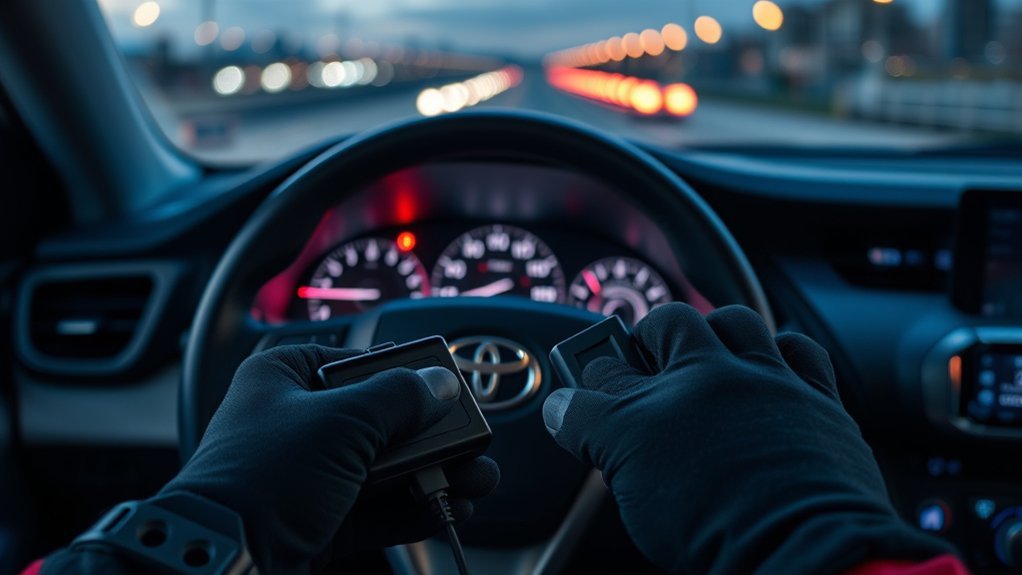
If your RAV4 shows “Adaptive Cruise Control Unavailable,” start by cleaning the front radar and forward camera with a microfiber cloth and gentle cleaner, then drive briefly to let the system recalibrate. Check battery voltage and terminals (12.6V at rest, 13.5–14.5V running) and reset electronics by restarting or disconnecting the negative terminal for 10–15 minutes. Inspect radar connectors and wiring for looseness or corrosion, scan OBD-II for radar/camera codes, and follow up with targeted fixes below.
Quick Fixes: ACC “Unavailable

If your RAV4 shows “ACC Unavailable,” first clean the front radar (behind the bumper or grille) and the forward camera behind the windshield to remove dirt or obstructions, then check the battery voltage and terminals for looseness or low charge, since electrical fluctuations often disable adaptive cruise control. Next, restart the vehicle for 5–10 minutes or isolate the negative battery terminal for 10–15 minutes to reset electronic modules; that quick reset often restores adaptive features and clears transient faults. Inspect the radar connector and wiring for looseness or damage — a clipped pin or corrosion will interrupt safety systems. If the warning persists, run a trouble-code scan at an auto parts store to reveal sensor-specific faults or communication errors. You’ll act with autonomy: prioritize simple, verifiable interventions before escalating to shop diagnostics. These steps reclaim control efficiently, minimizing downtime and restoring the RAV4’s layered safety systems without unnecessary expense.
Clean the Radar and Camera (How to Confirm It Worked)
When you’ve cleaned the radar behind the bumper and the forward camera behind the windshield, confirm success by checking that the “ACC Unavailable” message is gone and the indicator light stays off; if it clears, take the RAV4 for a short drive so the system can re-evaluate and recalibrate sensors under normal operating conditions. Use sensor maintenance best practices: wipe the radar and camera with a microfiber cloth and a gentle cleaner, removing road grime, insects, salt, ice, or tape residue that causes visibility issues. After cleaning, inspect the mounting areas for loose debris or damage that could still block the line of sight. Start the vehicle, observe the dash for the ACC lamp, then drive at low speed on a quiet road to verify adaptive cruise control engages and holds distance. If the warning persists, don’t assume cleaning solved it—log the fault, check connectors, or run a diagnostic scan for stored trouble codes before proceeding.
Check Battery, Voltage, and Reset Procedures
Start by verifying the battery’s health and voltage, since low or unstable power commonly disables the RAV4’s Adaptive Cruise Control and triggers the “ACC Unavailable” message. Use established voltage testing methods—multimeter at rest should read ~12.6V; while running expect ~13.5–14.5V. Apply battery maintenance tips: clean and tighten terminals, remove corrosion, and secure the battery to prevent vibration-related losses. If you recently experienced low voltage, drive the car a few minutes to let the charging system normalize and allow the ACC to recalibrate. When warnings persist, perform an electronics reset: shut the vehicle off for 5–10 minutes or disconnect the negative terminal for 10–15 minutes, then reconnect. After reconnecting, let the engine idle a couple minutes so on-board systems initialize. These steps restore stable power and clear transient faults; if ACC remains unavailable after proper voltage testing and resets, pursue further diagnostics.
Check Sensor Connectors and Wiring
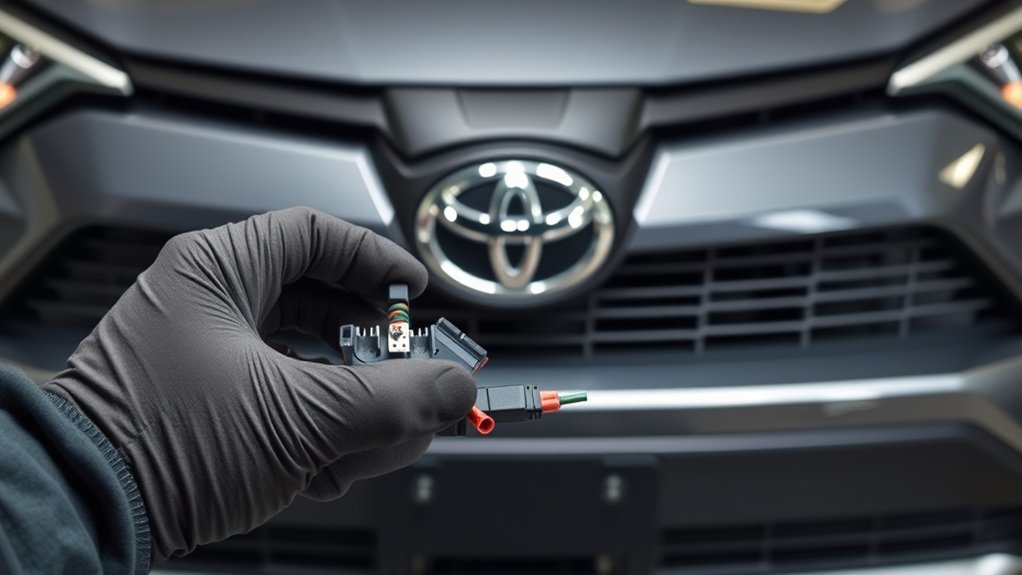
After you’ve confirmed stable battery voltage and completed resets, check the radar sensor connectors and wiring for physical faults that can mimic sensor failure. You’ll want to perform basic sensor maintenance: visually inspect connectors for corrosion, looseness, dirt, or debris that can break electrical contact. Verify wiring integrity along the harness—look for fraying, chafing, pinches, or prior repair points that can cause intermittent faults. Gently wiggle connectors with the ignition on to see if the warning reappears; intermittent changes point to a poor connection or damaged conductor. If a connector shows corrosion, clean it with appropriate electrical contact cleaner and reseat firmly; replace damaged clips or seals to restore a reliable seal. Keep records of your inspections so you liberate future troubleshooting from guesswork. If connectors and wiring look good but symptoms persist, move on to diagnostic scanning for fault codes to pinpoint deeper electrical or sensor failures.
Scan Trouble Codes and What to Tell Your Mechanic
Although a visual inspection can rule out obvious wiring problems, scanning the vehicle’s trouble codes gives you the specific fault data your mechanic will need; plug an OBD-II scanner into the port (many auto parts stores will do this free) and note any codes tied to radar, camera, or ABS/forward-sensing systems. You’ll capture sensor diagnostics that point to failed modules, misaligned cameras, or intermittent power faults. Record code numbers, freeze-frame data, and any pending codes.
Tell your mechanic about recent battery replacements, jump starts, or voltage drops — power events often corrupt calibration or trigger fail-safes. Share steps you already took: connector checks, cleaned lenses, or fused replacements. Offer contextual troubleshooting strategies: when the code is intermittent, suggest road-test replication; when codes persist, request module communication checks and radar recalibration. By supplying clear diagnostics and event history, you reduce diagnostic time, protect your rights to accurate repair, and speed restoration of adaptive cruise control functionality.
Frequently Asked Questions
Why Does My Toyota Say Cruise Control Is Unavailable?
Because sensors, wiring, or low battery voltage can fail, your Toyota reports cruise control issues; troubleshoot by cleaning sensors, checking radar connectors, resetting power (5–10 minutes) and scanning codes—you’re reclaiming control through Toyota troubleshooting.
Conclusion
So your RAV4’s ACC threw a tantrum — clean the radar and camera, check battery voltage, reseat connectors, and scan codes before you panic. If the sensors stay sulky, don’t play mechanic roulette: note the DTCs, explain steps you’ve taken, and let a pro handle the rest. You’ll save time, avoid accidental heroism, and your cruise control will either behave or get a proper bill to sulk about.