When you store your 4Runner, seal the garage and vehicle, block tailpipe and intakes, and set traps outside. Wrap wiring with capsaicin-treated rodent tape or heat-shrink, tuck dryer sheets and peppermint oil around the engine bay, and use mesh or steel wool on gaps. Inspect weekly for droppings, chew marks, and nests, wear gloves when cleaning, and replace contaminated filters. Follow a seasonal checklist and keep on top of inspections to learn practical next steps.
5 Immediate Steps to Protect a Stored 4Runner
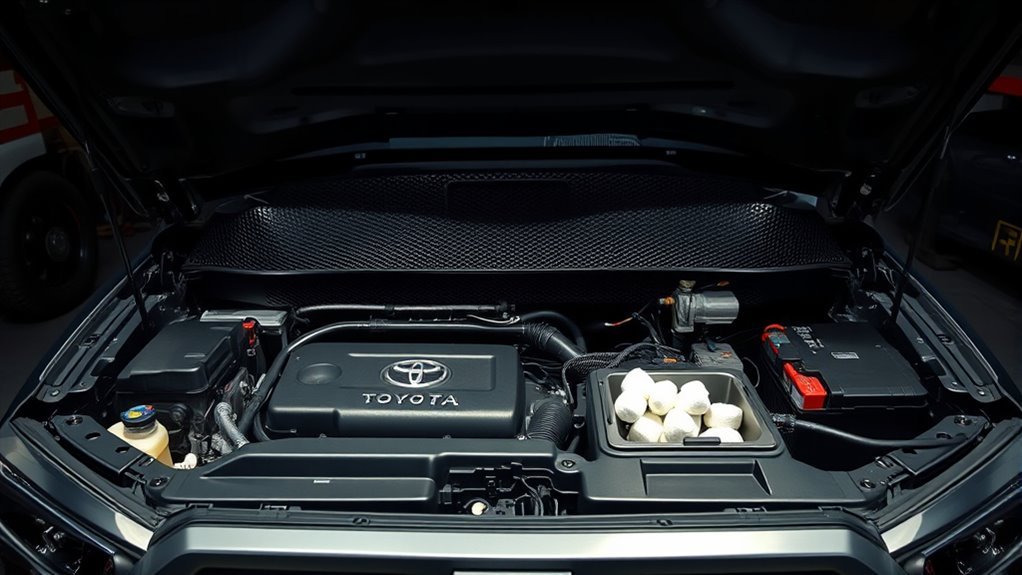
If you’re storing your 4Runner, start by sealing it and the garage to keep rodents out: close all doors and windows, check and seal gaps as small as a dime, and park inside a sealed garage. You’ll implement preventive measures that stop problems before they start. Use peppermint spray on wiring and visible engine components every couple of months; the scent deters rodents without toxic residues. Tuck dryer sheets under the hood and inside the cabin to add another layer of scent-based deterrent. Walk the perimeter and seal any vehicle openings you can access without dismantling components—focus on obvious gaps and crevices. Set traps around the garage and near the 4Runner, baited with peanut butter, to catch intruders that get past barriers. These storage techniques are straightforward, low-cost, and effective; they free you from frequent inspections and nerve-wracking surprises. Take these steps now, and you’ll reclaim control of your vehicle’s safety while it’s parked.
[Products Worth Considering]

This A-Premium engine air filter is designed to help maintain clean airflow for compatible Lexus and Toyota vehicles, supporting better engine performance and efficiency. It uses fine filtration media to capture debris while minimizing airflow restriction, making it a practical replacement for routine maintenance. With fitment for multiple popular models and a convenient boxed single-pack design, it offers a straightforward solution for keeping your engine protected.

This professional-grade RTV silicone squeezer is designed to make automotive repairs, HVAC sealing, and custom modifications easier and more efficient. Its heavy-duty steel frame helps reduce hand fatigue while delivering smooth, even extrusion for cleaner results and less wasted sealant. The one-hand lever design and upgraded chain lock make it a reliable choice for tight engine bays and demanding shop use.

These custom-fit floor mats are designed for compatible Toyota 4Runner models and provide dependable all-weather protection for the first and second rows. Made from durable TPE material, they help guard against water, mud, dirt, and debris while offering a non-slip surface and raised edges to keep messes contained. They are easy to remove and clean, making them a practical upgrade for maintaining a clean interior.
Seal Entry Points on Your 4Runner (Tailpipe, Intake, Vents)
Because rodents can squeeze through surprisingly small openings, sealing your 4Runner’s obvious access points—tailpipe, air intakes, vents, and gaps around doors and windows—is the most effective first step in preventing infestations while the vehicle’s stored. You’ll practice tailpipe sealing with a tight-fitting cover or heavy-duty tape, and do intake blocking using mesh screens or tightly packed rags. Fill small holes with steel wool and apply weather stripping to doors and windows. Check seals regularly and replace damaged material; maintenance keeps your freedom from pests intact.
| Area | Method | Frequency |
|---|---|---|
| Tailpipe | Cover or duct tape | Every storage period |
| Air intakes/vents | Mesh screens/rags | Monthly inspections |
| Gaps/holes | Weather strip/steel wool | At setup and as needed |
| Undercarriage | Steel wool in gaps | Inspect quarterly |
Seal decisively, inspect routinely, and you’ll deny rodents access without overcomplicating the task.
Protect Wiring: Tape, Wraps, and Engine‑Bay Shields
When you protect your 4Runner’s wiring with rodent-deterrent tape, heat‑shrink wraps, and engine‑bay shields, you cut the risk of costly chewing damage and electrical failures before they start. Take decisive action: apply rodent-deterrent tape treated with capsaicin along the wiring harness where rodents usually chew. Evaluate tape options for durability and coverage; overlap ends and secure with zip ties. Add heat‑shrink tubing on exposed or high‑risk runs to create a tough secondary barrier that resists gnawing and abrasion. Fit engine‑bay shields to block common entry points and deny rodents shelter in tight spaces. Inspect insulation regularly—modern soy‑based compounds attract rodents, so replace compromised sections immediately. Combine these physical defenses with ultrasonic devices for layered protection during storage, but don’t rely on them alone. You’re preserving freedom from damage and unexpected repairs by proactively shielding wiring. Be thorough, check periodically, and choose rugged materials so your 4Runner stays ready when you are.
Natural Deterrents That Actually Work (Peppermint, Dryer Sheets)
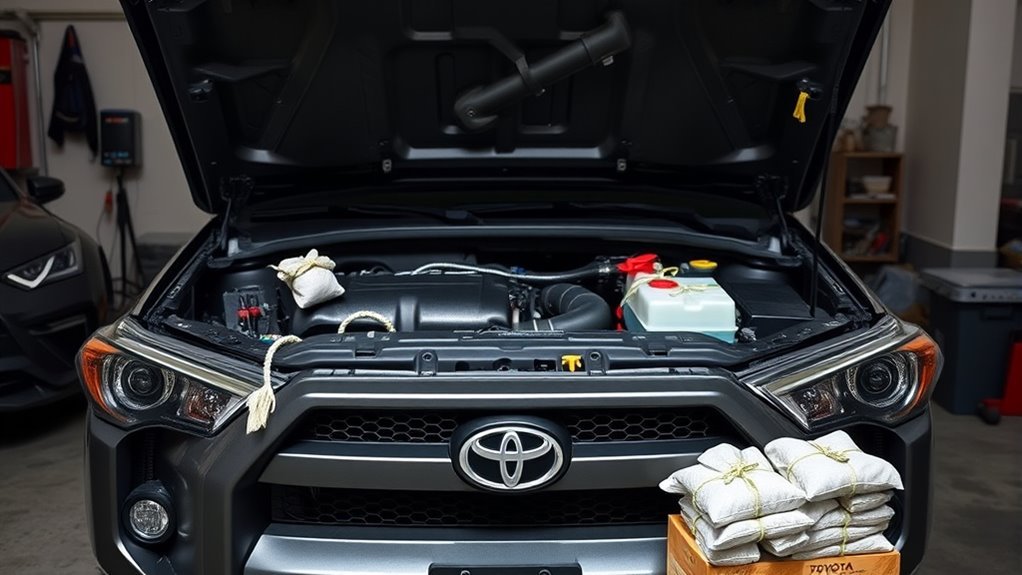
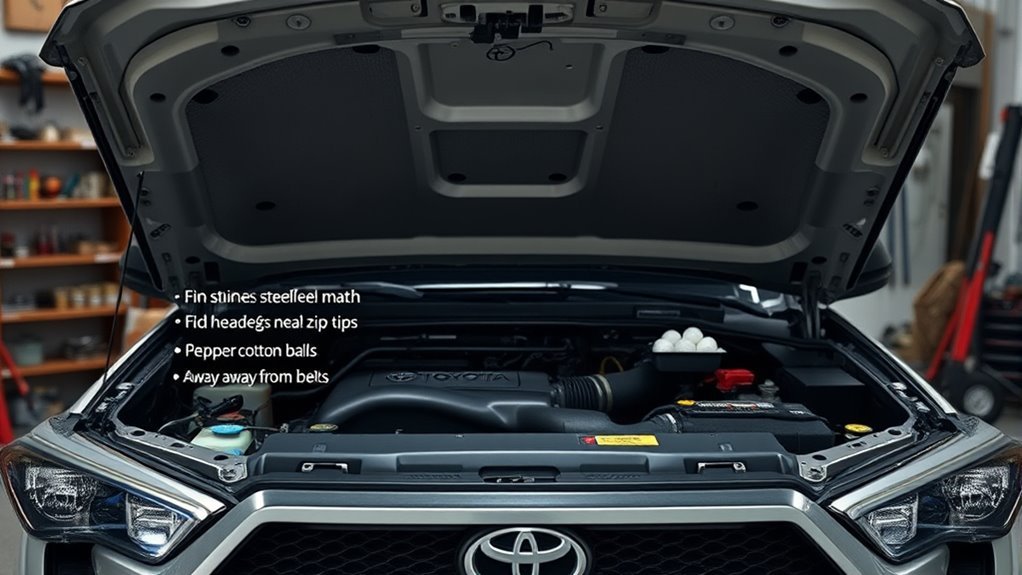
Although no single trick guarantees total rodent-proofing, natural scents like peppermint oil, dryer sheets, and Irish Spring soap give you a simple, low-cost layer of defense that actually works when applied correctly. You’ll rely on peppermint effectiveness by placing concentrated drops around the engine bay perimeter, on cotton balls, or using peppermint sacks for continuous release; reapply Grandpa Gus’s peppermint spray monthly to prevent wiring chewing. For quick wins, tuck Bounce dryer sheets where mice travel—under the hood, behind panels, and in the trunk—mindful dryer sheet placement keeps scent distributed without interfering with components. Add Irish Spring bars in vents and storage areas to repel both mice and wasps. Rotate and refresh scents every few weeks; rodents acclimate if odors fade. These tactics won’t replace physical barriers, but they free you from constant worry by reducing visits. Use scents as one disciplined layer in your storage routine, and pair them with cleaning, sealing, and periodic inspections for real liberation from pests.
Commercial Repellents and Products Worth Trying
Natural scents and soaps can cut down visits, but you’ll get far better protection by adding purpose-built products designed for vehicles. Use commercial repellents like peppermint sprays (Grandpa Gus’s works) around wiring and voids every couple months to keep rodents away without toxic residue. Wrap vulnerable harnesses with rodent-deterrent tape—Honda’s capsaicin-infused tape makes chewing painful and protects critical lines.
Don’t ignore electronic options: ultrasonic devices emit high-frequency sound that disorients rodents while staying silent to you. Combine those with accessible baiting where needed—D-Con placed in unreachable spots reduces populations while protecting pets. For proactive defense, invest in specialized products made for cars, like Vehicle Rodent Shield, which blocks entry and nesting in engine bays during storage.
You want freedom from constant worry; pick a layered approach: repellents, physical barriers, and targeted control. Use commercial repellents and specialized products together for dependable, low-maintenance protection.
[Products Worth Considering]

This all-in-one wiring kit combines a wire stripper, portable heat gun, and a large assortment of waterproof solder seal connectors for fast, reliable electrical repairs. Designed for automotive, marine, and industrial wiring tasks, it helps you cut, strip, connect, and seal with greater precision and cleaner results. The organized case and included accessories make it a practical choice for professionals and DIY users who need a complete connector solution.

This cabin and engine air filter kit is designed for a wide range of compatible Toyota, Scion, and Pontiac models, helping improve airflow and keep your HVAC and engine systems cleaner. The activated carbon cabin filter helps reduce odors and trapped debris, while the engine air filter supports efficient performance with extended service life. It is easy to install and offers a convenient replacement solution for routine vehicle maintenance.
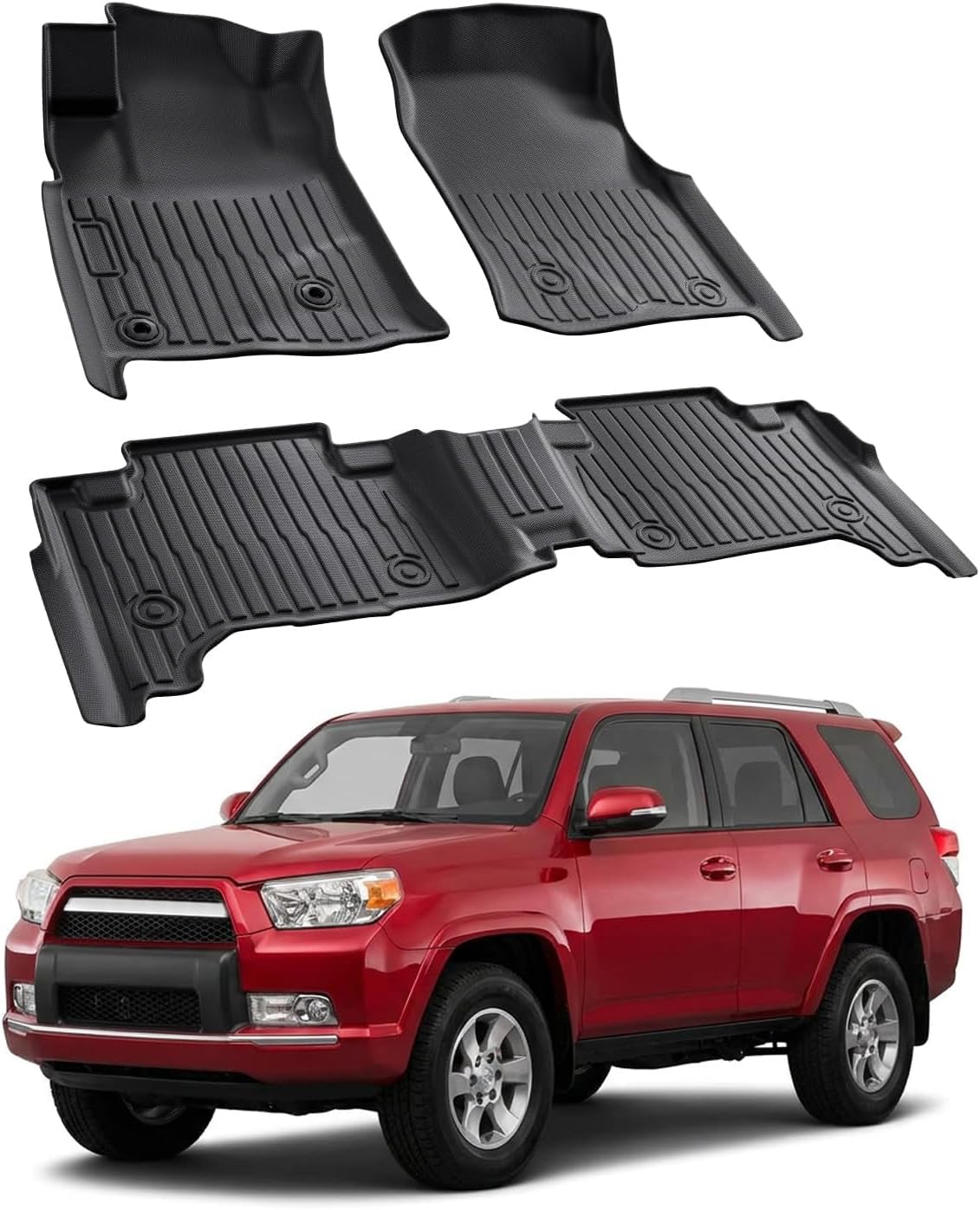
These custom-fit floor mats are designed for Toyota 4Runner models from 2003 to 2009, offering edge-to-edge coverage for a factory-like fit without trimming. Built for all-weather protection, they help shield your interior from mud, snow, sand, rainwater, and daily debris while staying securely in place. The durable TPE construction is flexible, easy to clean, and made to handle regular use with minimal maintenance.
Garage & Parking Strategies to Reduce Attraction
Park away from garbage cans and heavy vegetation to reduce the chance rodents find food or shelter near your 4Runner. Seal garage entryways and repair gaps around doors and windows so pests can’t get inside. Keep the car interior clean and free of food or paper debris that could attract nesting.
Park Away From Trash
When you keep your 4Runner in a garage instead of outdoors, you cut down on exposure to vegetation, trash, and other rodent attractants that invite nesting under the hood. Choose a parking location away from bins and clutter; good trash management outside the garage reduces scent trails that draw rodents. Keep the garage uncluttered, use sealed containers, and inspect the perimeter for droppings or damage so you can act fast. Natural repellents like peppermint spray or dryer sheets add a low-effort barrier. You’re reclaiming control—drive freedom starts with smart storage.
| Garbage bins | Sealed storage | Inspection |
|---|---|---|
| Keep outside | Use airtight | Check weekly |
| Distance >10ft | No open boxes | Address signs promptly |
Seal Garage Entryways
Think like a pest inspector: seal every gap around garage doors, windows, and walls to deny rodents the small openings they exploit. You’ll use weather striping techniques at thresholds and window frames and choose durable garage sealing materials—rubber sweeps, silicone caulk, and metal mesh—so entry points close tight. Inspect walls and floors regularly; patch cracks as small as a dime with concrete or steel wool plus sealant. Consider a rodent-proof garage door with a continuous perimeter seal to limit warmth-seeking pests. Install motion-activated exterior lights to discourage nocturnal approach. Act decisively: a sealed garage removes temptation and shelter, reducing the chance rodents migrate into your 4Runner. Maintain inspections quarterly and after storms to keep freedom from infestation.
Keep Car Interiors Clean
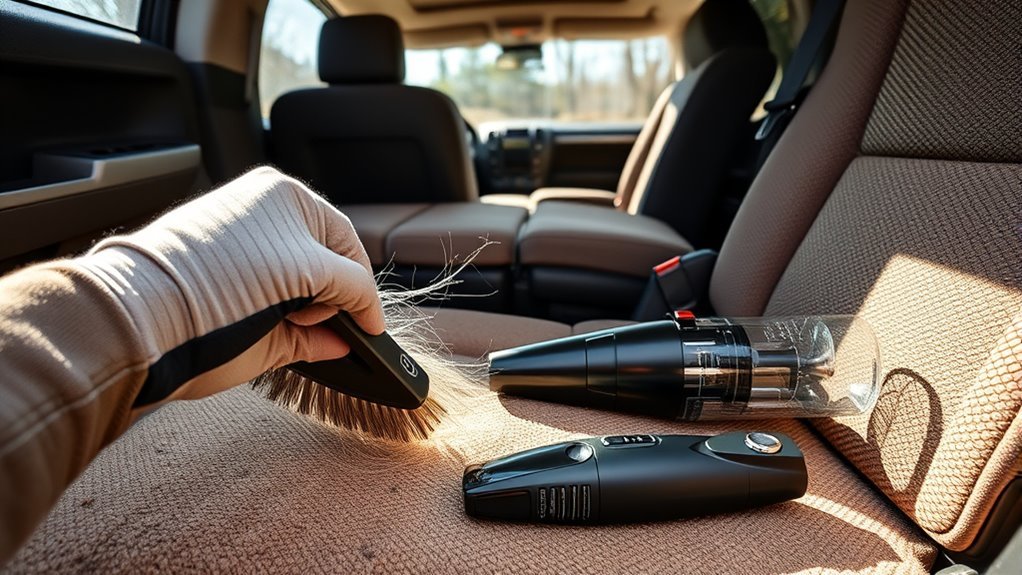
Because rodents are drawn to food and shelter, keep your 4Runner’s interior free of crumbs, wrappers, and loose items that can hide or provide nesting material. You’ll adopt straightforward cleaning techniques: vacuum seats and floor mats, wipe surfaces with a mild cleaner, and remove trash after every trip. Store nothing perishable or cloth that can be shredded. Park away from bins and gardens to cut external attraction, and keep the surrounding area clear of clutter that invites nesting. Use weather strips on doors and windows to seal gaps and prevent entry despite open vents. Regular interior maintenance and disciplined routines turn your vehicle into an unappealing target, giving you freedom from infestations and costly damage.
Inspection Checklist and What to Do If You Find Rodents
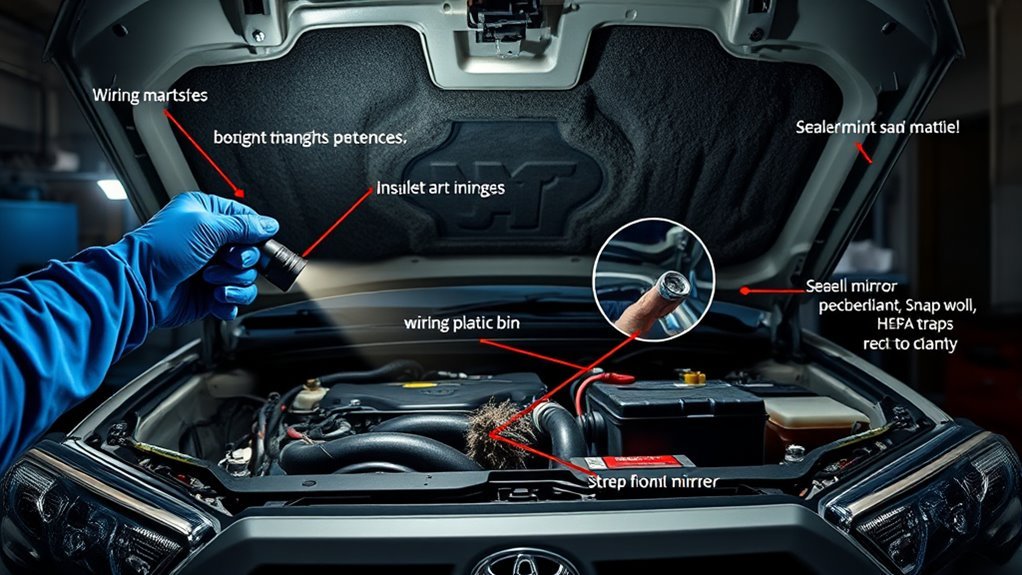
Start by doing a quick weekly visual sweep of the engine bay and surrounding areas for droppings, nesting material, chew marks on wires, or stray insulation — catch signs early to limit damage. Note rodent behavior and set an inspection frequency you’ll keep: weekly during active seasons, biweekly otherwise. Check air intake, battery area, and under-hood crevices.
If you find droppings or nests, put on disposable gloves, remove material carefully, and spray a disinfectant; let it sit five minutes before wiping to neutralize pathogens. Replace the air filter if contamination appears near the intake. Document damage and inspect wiring—chewed insulation needs repair or replacement before driving.
Seal gaps with weather stripping around doors, windows, and hood seams to deny access. Place traps around the garage perimeter to intercept rodents early. Stay vigilant: consistent inspections, prompt cleanup, and targeted repairs free you from escalating damage and keep your 4Runner ready for the road.
Long‑Term Storage Plan: Monitoring, Schedules, and Seasonal Tips
Now that you’ve got an inspection routine and know how to deal with immediate rodent signs, set up a long‑term storage plan that keeps pests away while your 4Runner sits. Decide a clear storage frequency: check monthly for droppings, gnaw marks, and entry points, and document findings so patterns emerge. Use simple monitoring techniques—visual engine inspections, taped tailpipes and covered air intakes, and a log sheet—to catch issues early.
Adopt a seasonal schedule: clean the engine bay before winter so engine warmth won’t invite nesting, reapply peppermint spray or essential oils every couple of months, and replace deterrents after heavy weather. Add layers: ultrasonic devices or motion‑activated lights around the storage spot increase protection without constant effort. If you find activity, act immediately—seal holes, set traps outside the vehicle, and recheck weekly until clear. This plan gives you control, protects your 4Runner, and lets you reclaim time and freedom instead of fighting avoidable rodent damage.
Frequently Asked Questions
How to Keep Rodents Out of a Stored Vehicle?
You keep rodents out by sealing gaps, using rodent repellents like peppermint spray and dryer sheets, performing regular engine maintenance, storing in a sealed garage, removing attractants, and inspecting often so you reclaim control and prevent damage.
How to Keep Mice Out of Toyota?
Like armor, you’ll protect your Toyota: use mouse repellents, seal gaps, add engine insulation, clean food debris, apply deterrent tape on wiring, and refresh peppermint spray—don’t wait; reclaim control and keep mice out.
Conclusion
You’ve prepped the 4Runner like a fortress — now keep up the routine. Think of a neighbor who checked his stored car weekly and found gnawed wiring before it became a hazard; that one inspection saved him hundreds. Inspect seals, stick to your schedule, and replace repellents as advised. Small, regular actions prevent big repairs. Treat storage like lawn care: a little effort regularly keeps problems from growing into expensive surprises.
[Products Worth Considering]

This silicone vacuum hose kit provides a versatile selection of tubing sizes and connector pieces for automotive, marine, and industrial routing tasks. Built for heat resistance and durability, it supports air and water applications in engine bays, custom intake setups, turbo piping, and cooling system projects. The included size variety makes it a practical choice for repairs, fabrication, and DIY maintenance work.

KAX CA12377 Premium Engine Air Filter is designed as a replacement for select Toyota and Lexus vehicles, helping keep harmful particles out of the engine while supporting steady airflow. Its high-efficiency filtration and longer service life can help improve acceleration, maintain consistent performance, and support better fuel economy. Built for broad vehicle coverage, it offers dependable protection for everyday driving and extended maintenance intervals.

KAX CA10171 premium engine air filter is designed as a direct replacement for select Toyota Camry and Venza models, helping maintain clean airflow to protect critical engine components. Its high-performance filter media delivers strong filtration efficiency and long service life for dependable everyday driving. With a precise rectangular fit and easy replacement design, it supports better acceleration, consistent performance, and improved fuel economy.