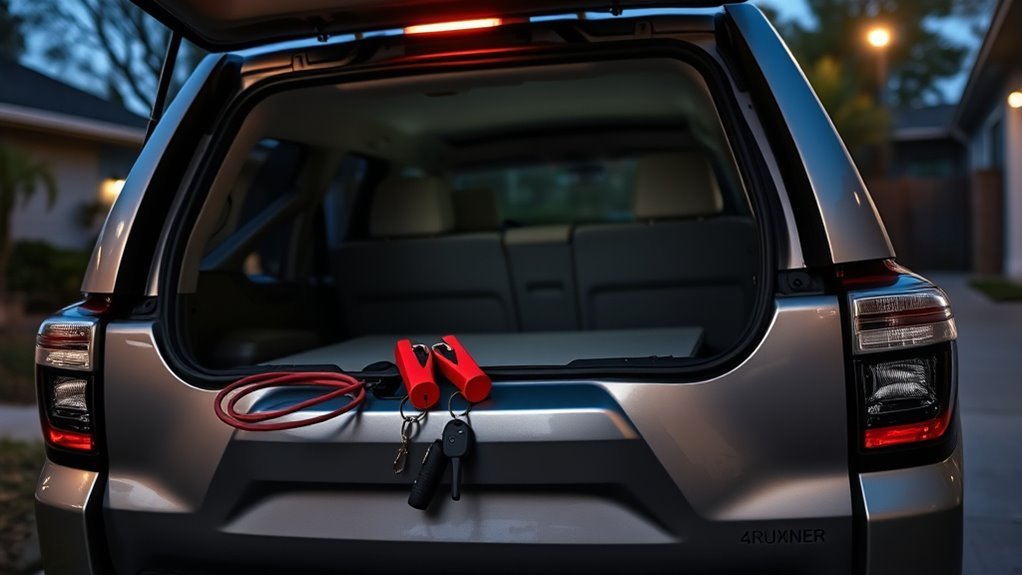
A dead battery can make a Toyota 4Runner liftgate feel completely locked, especially if the rear hatch switch will not respond. In most 2010–2024 4Runners, you can still open the back door from inside the cargo area by reaching the emergency manual release behind the interior trim. For 2025 and newer 4Runners, especially models with a power back door, confirm the exact procedure in the owner’s manual before removing trim because the design and access points can differ.
Quick Answer
To open a 4Runner liftgate with a dead battery, fold the rear seats, enter the cargo area, remove the small cover on the back-door trim, carefully open the plastic film or inner cover, and pull the manual release lever near the latch. Use a jump pack only through approved battery or jump points.
Key Takeaways
- The safest no-power method is the interior manual release, not prying the hatch from outside.
- Most 2010–2024 4Runners use a trim-cover access point near the back-door latch; 2025+ models may differ.
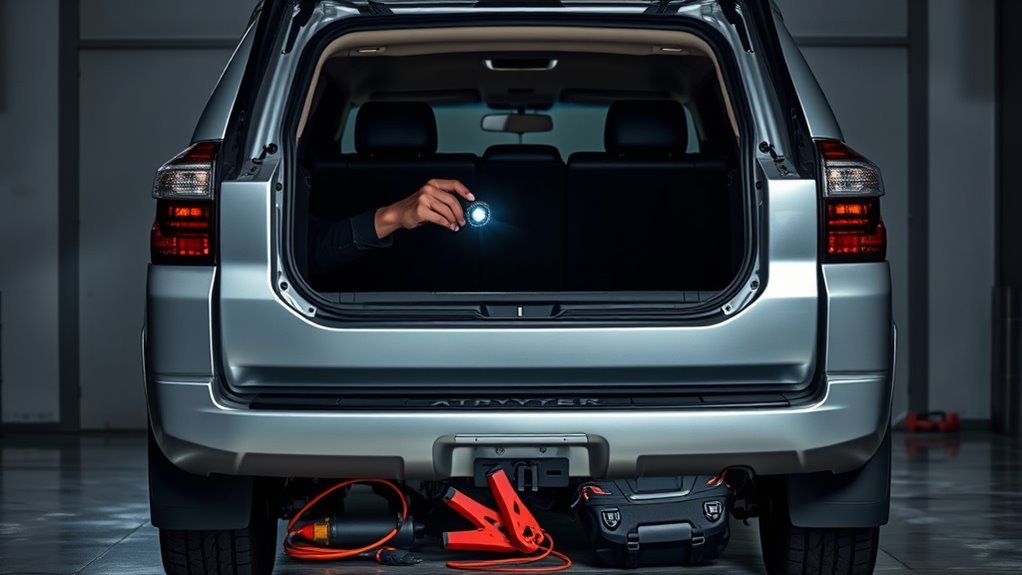
- Use a 12V jump pack only at approved battery or jump-start terminals, with the final negative clamp on a proper ground point.
- Do not apply 12V power to random liftgate wires or build a homemade backup-power circuit unless the work is designed and installed by a qualified automotive electrician.
- After the hatch opens, test the battery and latch system so the problem does not repeat.
At a Glance
| Time Required | 5–20 minutes for manual release access; longer if trim is tight or cargo blocks the hatch area |
| Difficulty | Easy to moderate; requires working from inside the cargo area |
| Tools Needed | Flashlight, plastic trim tool or flat screwdriver wrapped with tape, gloves, and optional 12V jump pack |
| Cost | Usually $0 if using the manual release; $60–$200+ if buying a quality jump pack |
Before You Start: Confirm the Safest Method
Use the manual release first if you can reach the cargo area. It avoids electrical risk and follows the emergency-access approach described in Toyota owner-manual materials for the 4Runner back door. If you cannot enter the cargo area, or if the vehicle needs power for other reasons, use a properly rated 12V jump pack at the approved battery or jump-start points.
Warning: Do not jump-start or connect external power if the battery case is cracked, swollen, frozen, leaking, unusually hot, or smells like sulfur or rotten eggs. Do not smoke near the battery, and do not let jumper clamps touch each other.
Also check your model year. For most 2010–2024 4Runners, the back-door emergency release is accessed from inside the hatch trim. For 2025 and newer models, including vehicles with a power back door, use the exact owner’s manual for your year and trim from Toyota Owners Manuals and Warranties.
Safety Checklist Before Opening the Liftgate
Take one minute to make the vehicle stable and the work area safe before you crawl into the cargo area or connect a jump pack.
- Park on level ground, shift to Park, set the parking brake, and keep the key with you.
- Clear loose cargo so you can reach the rear hatch without putting weight on sharp or unstable items.
- Wear gloves and use a flashlight. Trim edges and latch parts can be sharp.
- Use a plastic trim tool if possible. If you only have a screwdriver, wrap the tip with tape to reduce scratches.
- If you will remove trim around live wiring, disconnect the negative battery cable only if it is safe and practical to do so. If the battery is fully dead, still avoid touching exposed wiring with metal tools.
Note: Toyota refers to this panel as the back door. Many owners call it the liftgate, hatch, tailgate, or trunk. In this guide, those terms refer to the same rear door unless a specific model-year feature is mentioned.
Find the Interior Access Panel and Manual Release
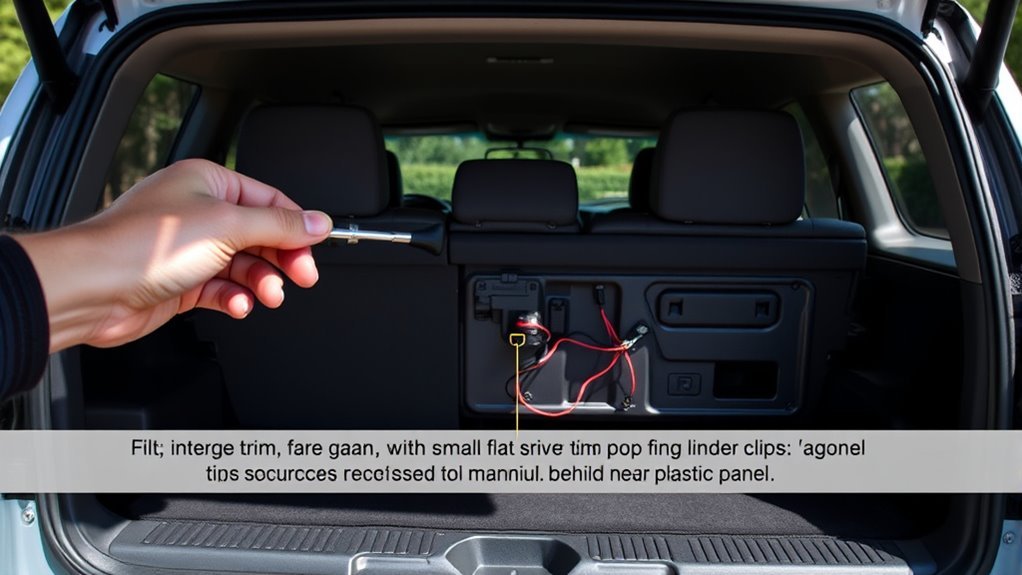
Fold the second-row seats and enter the cargo area from inside the cabin. On most 2010–2024 4Runners, the emergency access point is on the inner back-door trim near the latch area. Look for a small rectangular or square trim cover low on the hatch panel.
[Products Worth Considering]

These power liftgate struts are designed to restore smooth, reliable rear hatch operation on Toyota RAV4 models from 2013 to 2018. Built for plug-in installation with original-style fitment, they help reduce noise and shock while delivering strong, dependable lift support. The units are engineered for durability and long service life, making them a practical replacement for worn electric tailgate actuators.

These Energizer jumper cables are built to help start dead or weak batteries quickly and safely for a wide range of vehicles, including cars, SUVs, and trucks. The 16-foot length and flexible cable design make it easier to reach battery connections, while the protective coating and sturdy handles support secure placement. A carrying bag is included for convenient transport and storage.

TOPDC heavy duty jumper cables are designed to help drivers get a dependable boost when a battery runs down. The 20-foot length offers added reach for cars, SUVs, and trucks, while insulated serrated clamps provide a secure connection to top-post and side-terminal batteries. A flexible PVC jacket, carry bag, and included guide make these cables practical for everyday emergency use.
Locate the Back-Door Trim Cover
Shine your flashlight at the lower center area of the hatch trim. The access cover is usually close to the latch, not high near the glass. Carefully pry the cover open from one edge. Work slowly so you do not crack the cover or drop it inside the trim panel.
Open the Plastic Film or Inner Cover
Behind the trim cover, you may see a plastic film or an additional small cover. Toyota’s emergency procedure for the 4Runner back door describes removing the trim cover, opening the plastic film or inner cover, and then pulling the lever. If you have to disturb the vapor barrier, make the smallest opening needed and press it back into place afterward so dust and moisture do not enter the door cavity.
Pull the Manual Release Lever
Find the small release lever near the latch. Keep your face and fingers clear of the latch path, then pull the lever firmly in the direction it moves. Hold it while gently pushing the back door outward. Once the latch releases, open the liftgate slowly and make sure the gas struts hold it up before leaning into the cargo area.
Pro Tip: Take a phone photo before removing any cover or fastener. It makes reassembly easier and helps a technician diagnose the latch if the opener still fails after the battery is charged.
Step-by-Step: Open the 4Runner Liftgate From Inside
- Fold the rear seats. Move the front seats forward if needed, then fold the second row to create a path to the cargo area.
- Remove cargo from the hatch area. Make enough room to kneel or sit safely inside the rear cargo space.
- Find the small access cover. Look on the lower interior trim near the latch.
- Pry the cover gently. Use a trim tool or a taped screwdriver. Avoid forcing the surrounding trim panel.
- Open the plastic film or inner cover. Peel or move only what is necessary to reach the release.
- Pull the release lever. Pull firmly until the latch disengages.
- Lift the back door slowly. Watch for cargo shifting, weak gas struts, or wind that could move the hatch.
- Reinstall the cover. Press the vapor barrier and trim cover back into place after the hatch is open.
[Products Worth Considering]

The OXILAM jump starter delivers powerful emergency starting performance for gas engines and up to 12L diesel engines, helping revive dead batteries in seconds. It also doubles as a portable power bank and LED flashlight, with USB and Type-C ports for convenient device charging. Built with multiple safety protections, a clear LED display, and a rugged portable design, it is a reliable roadside companion for cars, trucks, motorcycles, and more.

The S ZEVZO ET03 is a powerful 12V jump starter designed to revive gas and diesel vehicles quickly, including cars, trucks, motorcycles, lawnmowers, and boats. It also doubles as a portable power bank with USB charging ports, a bright LED flashlight, and an LCD display for added convenience during roadside emergencies. Built with multiple safety protections and included carrying case, it offers dependable backup power whenever you need it.

NOONE jumper cables are designed to help get 12V and 24V vehicles back on the road with reliable boosting power. The 10-foot length, insulated rubber covering, and copper-clad aluminum conductors support dependable performance in extreme temperatures, while the strong clips help ensure a secure connection. Ideal for family cars and vehicles up to 3.0L gas engines, this kit offers a practical emergency starting solution backed by a two-year service promise.
If the Manual Lever Is Stiff or Will Not Move
Do not yank the lever hard enough to bend it. A stiff release usually means the latch is under tension, dirty, corroded, or not fully aligned.
- Push inward on the hatch while pulling the lever. This can remove pressure from the latch striker.
- Check for cargo pressure. A box, cooler, or recovery gear may be pushing against the hatch from inside.
- Clear visible dirt. If you can see the latch area, remove grit with a cloth or small brush.
- Use a small amount of penetrating lubricant only on metal latch pivots. Keep spray away from electrical connectors, trim, and the window area.
- Stop if the lever feels like it will break. At that point, the latch, actuator, cable, or linkage may need professional repair.
After the hatch opens, clean the latch and apply a suitable automotive latch lubricant. If the back-door opener still does not work after the battery is charged, have the system inspected by a Toyota dealer or qualified repair shop.
Alternate Access: Reach the Hatch Through the Cargo Area or Rear Seat
If you cannot stand directly behind the 4Runner because it is parked against a wall, trailer, or garage door, enter from the side doors and work through the cabin. This is usually safer than trying to pry the rear hatch from outside.
Access Via Folded Seats
Fold the second-row seats flat and slide bulky items forward. Keep one hand braced so you do not fall into the cargo area. If the cargo floor is loaded, remove items through the side doors until you can reach the back-door trim cover.
Remove Cargo Trim Only if Necessary
Most dead-battery liftgate openings do not require removing large cargo panels. Start with the small hatch access cover. Remove larger trim panels only if the release lever is blocked, broken, or unreachable. Use even pressure around clips, and check for hidden screws before prying.
Inspect Plugs and Connectors After the Hatch Opens
If the manual release opens the hatch but the outside switch still does not work after power is restored, inspect the visible latch connector and wiring harness for loose plugs, corrosion, or obvious damage. Do not pierce wires or feed power into connectors. Electrical diagnosis should be done with a wiring diagram and a multimeter by someone trained to work on vehicle circuits.
Use a 12V Booster or Jump Pack Safely to Open the Hatch
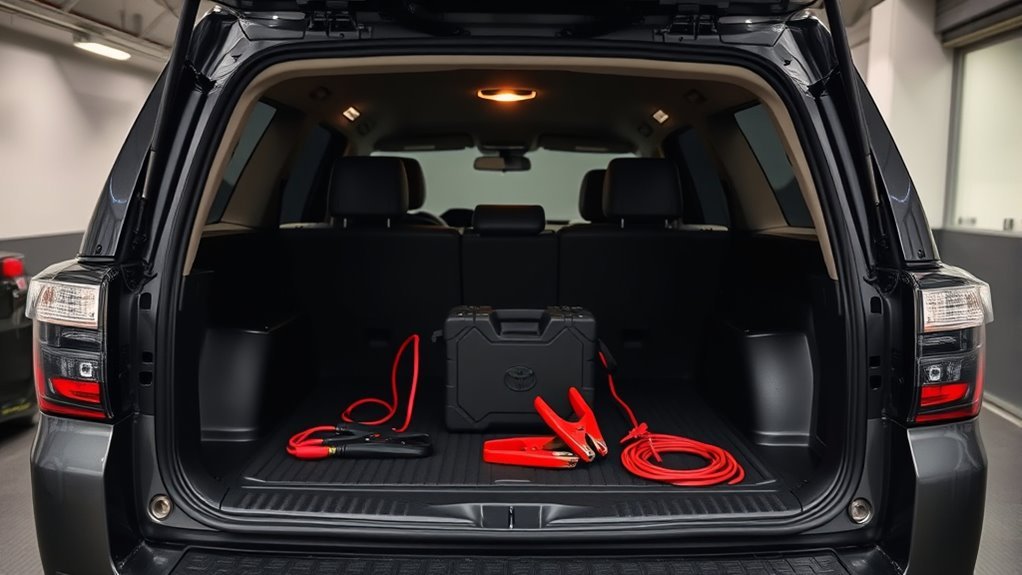
If you cannot reach the manual release, a 12V jump pack can restore enough power for the door locks or hatch opener. Use the jump pack at the battery or approved jump-start terminals, not at the liftgate wiring.
[Products Worth Considering]

This driver side front door lock actuator is designed to restore reliable locking performance across a wide range of Toyota, Lexus, and Scion vehicles. It serves as a direct replacement for multiple OE part numbers and helps solve issues with power door locks that are slow, unresponsive, or failing. Built for broad compatibility and backed by a one-year warranty, it is a practical solution for dependable door lock operation.
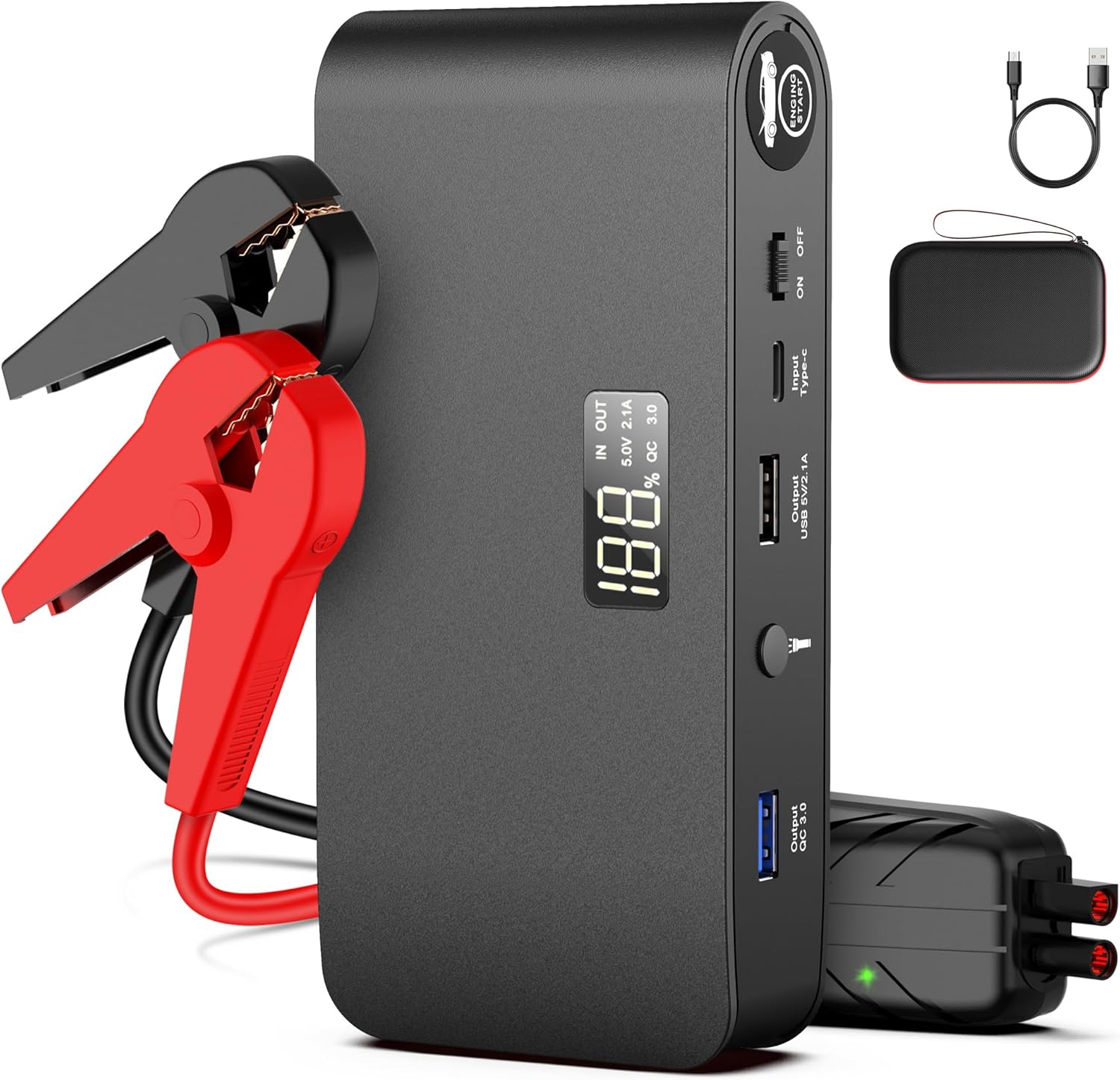
This portable jump starter delivers powerful 12V starting support for cars, trucks, boats, motorcycles, and more, helping you restart dead batteries in seconds. It also doubles as a high-capacity power bank with USB charging, plus a built-in LED flashlight with emergency modes for roadside and outdoor use. Smart safety protections and a rugged waterproof case make it a reliable companion for emergencies.

This portable jump starter delivers powerful starting performance for 12V vehicles with gas and diesel engines, helping revive dead batteries quickly in emergencies. It also doubles as a high-capacity power bank for charging phones and other USB devices, while its built-in multifunction light adds visibility for roadside repairs and outdoor use. Designed with rugged protection and multiple safety safeguards, it offers dependable, beginner-friendly support when you need it most.
Safe Jump-Pack Order
- Turn off lights, climate controls, audio, and accessories.
- Connect the red positive clamp to the 4Runner’s positive battery terminal or approved positive jump point.
- Connect the black negative clamp to a solid, stationary, unpainted metal ground point away from the battery and moving parts, unless your exact manual gives a different approved point.
- Turn on the jump pack and wait a few minutes if the battery is deeply discharged.
- Try the door lock or hatch opener. If it responds, open the hatch and keep the area clear.
- Turn off the jump pack and remove the clamps in reverse order: negative ground first, then positive.
If you are using another vehicle instead of a jump pack, follow the owner’s manual order: positive to the discharged vehicle, positive to the helper battery, negative to the helper battery, and the final negative clamp to a solid unpainted ground point on the disabled vehicle. Remove the cables in reverse order.
Warning: A jump pack is not a license to probe wires in the hatch. Backfeeding power into the wrong circuit can damage body-control modules, wiring, fuses, or the latch actuator.
Avoid Electrical Mistakes: Backfeed, Wiring, and Module Damage
The safest electrical rule is simple: restore power through the normal battery or approved jump-start points. Do not connect a booster pack to random liftgate wires, license-plate-light wiring, actuator plugs, trailer wiring, or fuse terminals unless you are following a vehicle-specific service procedure.
Prevent Backfeeding Risks
Backfeeding happens when external power enters a circuit in a way the vehicle was not designed to handle. That can energize the wrong modules, blow fuses, trigger alarms, or damage sensitive electronics. If you need electrical diagnosis beyond a standard jump pack, stop and use a factory wiring diagram or a qualified technician.
Protect the Body ECU and Liftgate Components
The back-door latch, opener switch, window circuit, and body electronics are connected systems. A dead battery is usually solved by charging or replacing the battery, not by modifying the hatch wiring. If the opener fails with a good battery, the problem may be the latch actuator, switch, wiring harness, fuse, or body ECU. Diagnose the fault instead of bypassing it.
| Do This | Use the interior manual release or approved battery/jump points. |
| Avoid This | Do not power the liftgate actuator through unknown wires or unfused homemade leads. |
| Call a Pro When | The lever will not move, the latch stays stuck, wires are damaged, or the hatch still will not work with a charged battery. |
After You Get the Liftgate Open
Opening the hatch solves the immediate access problem, but it does not fix the reason the battery died or the opener failed. Before you button everything up, work through this quick checklist.
- Charge and test the battery. A jump-start is temporary. Have the battery and charging system tested if the battery was fully discharged.
- Check the hatch latch. Open and close it several times with power restored. Listen for slow, weak, or grinding actuator movement.
- Inspect the access cover. Reinstall the plastic cover and press the vapor barrier back into place to reduce dust and moisture intrusion.
- Confirm the back door closes fully. Do not drive with the liftgate ajar. Exhaust gases can enter the cabin, and cargo can fall out.
- Look for the drain cause. Common causes include lights left on, an aging battery, parasitic draw, short trips, or a failing charging system.
Preventive Steps: What to Store and How to Prepare
The best time to learn the emergency release location is before the battery fails. You do not need to remove the hatch panel every few months, but you should know where the access cover is and keep the right tools in the vehicle.
- Keep a charged, reputable 12V jump pack in the cabin or cargo area, not buried under heavy gear.
- Store a small flashlight, gloves, and a plastic trim tool in an easy-to-reach pouch.
- Check battery age and terminals during routine maintenance. Clean corrosion and replace a weak battery before it leaves you locked out.
- Review the owner’s manual for your exact model year, especially if you own a 2025+ 4Runner with power-back-door features.
- Do not use the emergency release as a routine handle. It is meant for access when the normal opener does not work.
Permanent Fixes: Better Maintenance Beats Risky Mods
A permanent fix should address the cause, not bypass the system. For most owners, that means replacing a weak battery, repairing a sticky latch, fixing a worn actuator, cleaning corroded connectors, or diagnosing parasitic draw.
Custom mechanical handles or auxiliary backup-power circuits should be treated as fabrication work, not a casual driveway fix. Any added circuit must be fused, isolated, weather-protected, and designed so it cannot backfeed vehicle electronics. If you want a custom backup release or auxiliary power setup, have it designed and installed by a qualified automotive electrician who can reference the correct wiring diagram for your year and trim.
The reliable long-term solution is simple: know the manual-release location, keep a charged jump pack, and replace a weak battery before it strands you.
Frequently Asked Questions
Can I manually open my 4Runner trunk or liftgate?
Yes. On most 2010–2024 Toyota 4Runners, you can open the rear back door from inside by removing the small trim cover near the latch and pulling the emergency release lever. Your exact cover shape and access point may vary by model year.
Will the rear window open if the 4Runner battery is dead?
Usually no. The rear window is powered, so a dead battery can keep the window and hatch switch from responding. Use the interior manual release or restore power through approved jump-start points.
Can I jump the battery just to open the liftgate?
Yes, if the battery is safe to jump and you connect the jump pack correctly. Connect positive to the approved positive terminal or jump point, connect negative to a solid unpainted ground point away from the battery, and remove the clamps in reverse order.
Why will my 4Runner liftgate not open even after charging the battery?
The issue may be a failed latch actuator, sticky latch, blown fuse, bad back-door opener switch, damaged wiring, or a body-control problem. If the manual release works but the electric opener does not, have the back-door system diagnosed.
Is it safe to pry the 4Runner hatch open from outside?
No. Prying from outside can bend the latch, damage paint, crack trim, or break the back-door opener. Enter through the cabin and use the interior release instead.
Conclusion
If your 4Runner liftgate will not open because the battery is dead, start with the safest mechanical path: fold the seats, reach the back-door trim cover, and pull the manual release lever near the latch. Use a 12V jump pack only through approved battery or jump-start points, and avoid homemade wiring or random backfeeding. Once the hatch is open, test the battery, inspect the latch, and fix the root cause so the next dead battery does not trap your cargo again.
Sources
- Toyota Owners Manuals and Warranties — official source for year- and trim-specific Toyota manuals.
- Toyota 2025 4Runner Hybrid Back Door Manual Page — current Toyota back-door operation and safety reference for newer models.
- Toyota 2025 4Runner Hybrid 12-Volt Battery Discharged Page — Toyota jump-start reference for current 4Runner Hybrid models.
- AAA Club Alliance: How to Use Jumper Cables — safe jumper-cable order, grounding, and portable jump-starter guidance.
- AAA Via: How to Safely Jumpstart a Car — battery hazard warnings, hydrogen gas risk, and safe jump-start steps.
- Interstate Batteries: The Official Way to Jump Start a Car — battery safety checklist, ground connection guidance, and battery testing advice.