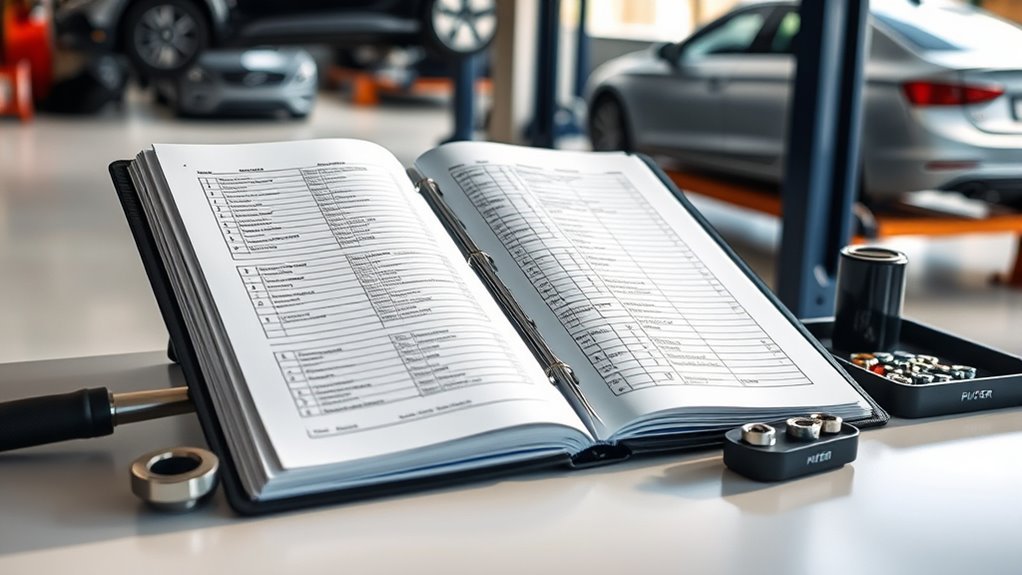
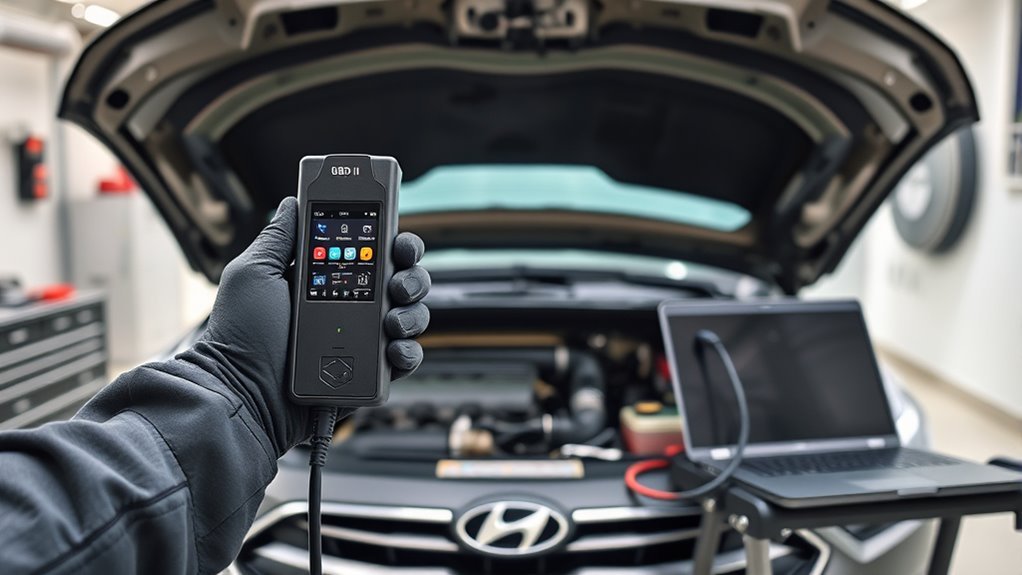
Hyundai says a new Sonata doesn’t need a formal break-in, but the owner’s manual still lists a few precautions for the first several hundred miles, and the exact list varies by model year. In general: avoid full-throttle starts and hard stops, vary your speed instead of holding one speed for long, and don’t tow. Check the manual for your model year and follow it.
Understanding the Importance of the Break-In Period

Hyundai’s owner’s manuals generally say a new Sonata needs no special break-in, but they still list a few precautions for the early miles, and the mileage and wording vary by model year. The usual advice is to avoid full-throttle starts and hard stops, vary your speed rather than holding one speed for long, and skip towing. Older manuals gave tighter limits, for example staying at or below 55 mph for the first 1,200 miles. Treat the manual for your own car as the rule.
Essential Break-In Steps for Your Hyundai Sonata
Start with the guidelines in your owner’s manual for the early miles. Older manuals list limits such as staying at or below 55 mph and avoiding hard acceleration and constant-speed driving; newer ones are less strict. Varying your speed rather than holding a constant pace is sensible either way.
In the first 200 miles or so, avoid hard acceleration and hard braking unless you need to, so the brakes can bed in. For oil changes, follow the maintenance schedule in your owner’s manual.
Recommended Driving Habits During the Break-In Phase
During the early miles, drive gently: vary your speed, use moderate acceleration, and avoid hard braking when you can. Check your owner’s manual for the specific limits that apply to your model year.
Recommended Speed Limits
Older Sonata owner’s manuals list a speed limit of 88 km/h (55 mph) for the first 1,200 miles (2,000 km), while newer ones are less strict. If your manual lists it, follow it. Avoid full-throttle starts, vary your speed instead of holding a constant pace, and minimize hard braking during the first 200 miles (300 km) so the brakes can seat.
Engine RPM Variability
Many manuals advise against holding one speed or engine speed for long during the early miles. Vary your speed, use moderate acceleration, and don’t rev the engine hard. If your manual gives specific rpm or speed limits, follow those.
Gentle Braking Techniques
Avoid hard stops in the first 200 miles or so, except in an emergency, so the brakes can bed in. Brake gradually, and space out your braking so the brakes don’t overheat.
How Towing Restrictions Affect Break-In

If you plan to tow, check your owner’s manual. Many manuals advise against towing during the early miles, and the mileage varies by model year. Also confirm that your Sonata is rated for towing at all before you hitch anything.
The Role of Oil Changes in Engine Longevity
Hyundai’s maintenance schedule in your owner’s manual sets the oil-change intervals for your model year, engine and driving conditions. Some owners choose to change the oil earlier than the schedule says; that is optional, not a Hyundai requirement.
Importance of Early Changes
Follow the oil-change interval and oil grade in your owner’s manual, and replace the oil filter with the oil. Keeping the service records also helps if you ever need warranty service.
Recommended Change Intervals
Regular oil changes are important for engine life. Follow the schedule and oil grade in your owner’s manual. If you want to change the oil earlier than scheduled, that is your choice and can’t hurt, but it isn’t something Hyundai requires.
Consider these oil change benefits:
- Enhanced Engine Longevity: Early changes help establish a clean engine environment.
- Increased Reliability: Consistent maintenance reduces the risk of engine issues down the line.
- Maximized Performance: A well-lubricated engine operates more efficiently.
How to Monitor Engine Performance During the Break-In Period?
Monitor how your Sonata runs in the early miles. Check the oil level regularly, since some engines use a little oil early on, and watch fuel economy for any sudden changes.
| What to Monitor | Why It Matters |
|---|---|
| Oil Levels | Prevents engine damage |
| Unusual Noises/Vibrations | Indicates potential issues |
| Dashboard Warning Lights | Early signs of performance problems |
Maintain a log to record mileage and performance observations. This helps you identify trends and address issues early. If you notice anything unusual, have it checked.
If You Have a Sonata Hybrid
If your Sonata is a Hybrid, the early miles are a good time to learn the hybrid system. Here are some tips:
- Utilize regenerative braking benefits: This feature can greatly boost energy efficiency, so practice using it to maximize your hybrid’s potential.
- Monitor performance: Keep an eye on fuel economy and engine responsiveness during these initial miles to verify everything’s functioning at its best.
- Adapt your driving style: Hybrids may feel different; gentle acceleration and braking can improve efficiency.
Do Modern Engines Still Need a Break-In?

Modern engines are built to tighter tolerances than older ones, which is why many manuals no longer require a formal break-in. Even so, driving gently for the first several hundred miles is cheap insurance, and many owners prefer to do so.
What to Do After the Break-In Period?
After the early miles, return to the normal maintenance schedule in your owner’s manual. Keep an eye on fuel economy, oil level and how the car drives, and keep service records.
Maintenance Schedule Update
Once the early miles are behind you, keep up with these basics:
- Change the oil: Follow the oil-change interval and oil grade in your owner’s manual.
- Follow the maintenance schedule: Regularly check fluids, brakes, and tires to ensure reliability and longevity.
- Track your records: Keep a log of mileage and services to adhere to warranty requirements and avoid missing important maintenance.
Performance Monitoring Tips
After the early miles, keep watching your Sonata’s performance. Check for changes in fuel efficiency or oil consumption, follow the oil-change schedule in your manual, and check tire pressure and tread depth. A log of maintenance helps you track trends.
Maintaining Your Vehicle for Long-Term Reliability
To guarantee your Hyundai Sonata remains reliable for years to come, regular maintenance is key. Staying proactive not only enhances your vehicle’s performance but also optimizes fuel efficiency under various driving conditions. Here are some essential practices to follow:
Regular maintenance is crucial for your Hyundai Sonata’s reliability and performance, ensuring optimal fuel efficiency over time.
- Schedule oil changes at the intervals in your owner’s manual.
- Keep a detailed maintenance log to track fluid changes, tire wear, and brake checks.
- Engage with community forums for tips and shared experiences on maintaining your Sonata.
Frequently Asked Questions
How Do I Break-In to a Hyundai?
Hyundai says no formal break-in is needed, but check your owner’s manual for the precautions that apply to your model year. Typically that means varying your speed, avoiding hard acceleration and braking, and not towing during the first few hundred miles. Older manuals limited speed to 55 mph for the first 1,200 miles.
What Is the Recommended Break-In Period for a New Car?
It varies by manufacturer and model year, so check your owner’s manual. Many newer cars need no formal break-in, though driving gently for the first several hundred miles is still a good habit.
Conclusion
Hyundai says a new Sonata needs no formal break-in, but the owner’s manual still lists a few precautions for the early miles, and driving gently is an easy habit. Follow the manual for your model year and the maintenance schedule, and keep service records.