Road salt is useful on icy roads, but it is rough on a Tacoma interior. Once salt dries in carpet fibers or floor mats, it leaves white crust, holds moisture, and can keep coming back after a light wipe. The safest fix is to dissolve the salt, lift it out with suction, and dry the carpet fully before the mats go back in.
Quick Answer
To get salt out of Tacoma carpet, vacuum loose grit first, mist the stain with warm water and diluted white vinegar, wait 2–3 minutes, gently brush the fibers, then extract the dirty moisture with a wet/dry vac or carpet extractor. Repeat until the residue is gone, then dry completely.
Key Takeaways
- Do not scrub dry salt deeper into the carpet. Vacuum first, then dissolve it with a light mist of warm cleaning solution.
- Use suction, not soaking, to remove salt. A wet/dry vac or hot-water extractor works better than towels alone.
- Always spot-test vinegar on a hidden carpet area and keep it away from leather, electronics, seat wiring, and painted trim.
- Dry mats and carpet fully before reinstalling. The EPA recommends drying wet materials within 24–48 hours to reduce mold risk.
At a Glance
| Time Required | 20–45 minutes of cleaning, plus several hours to 24 hours of drying |
| Difficulty | Easy to moderate |
| Tools Needed | Vacuum, spray bottle, soft brush, microfiber towels, wet/dry vac or hot-water extractor, fan |
| Cost | Low if you already own the tools; higher if renting or buying an extractor |
Quick Salt-Spot Fix for Tacoma Carpet Now
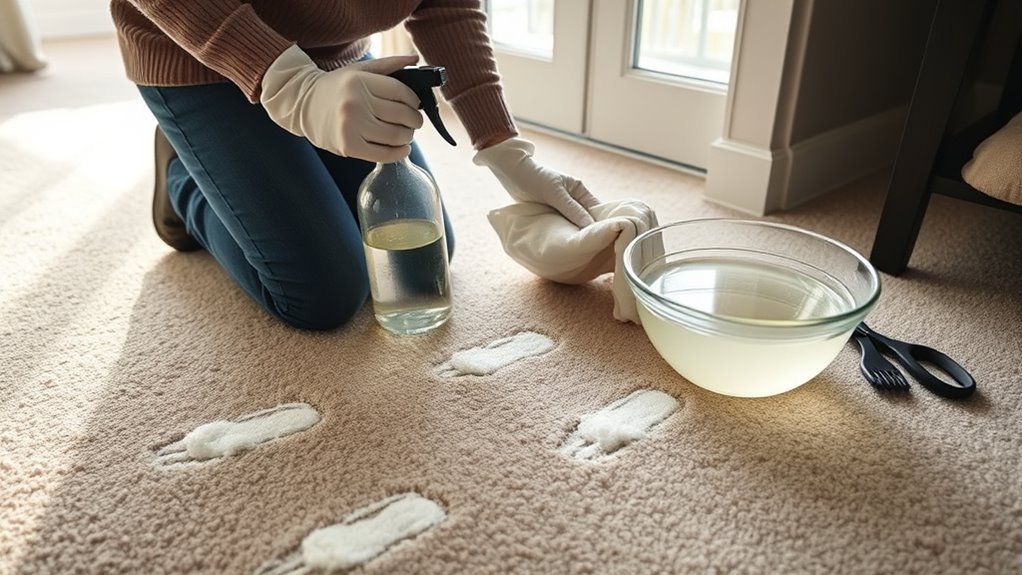
Start by vacuuming the Tacoma carpet while it is dry. This removes loose salt crystals, sand, and grit before they scratch fibers or turn into a slurry. Use the crevice tool along the seat rails, door sills, pedal area, and mat edges, where salt collects first.
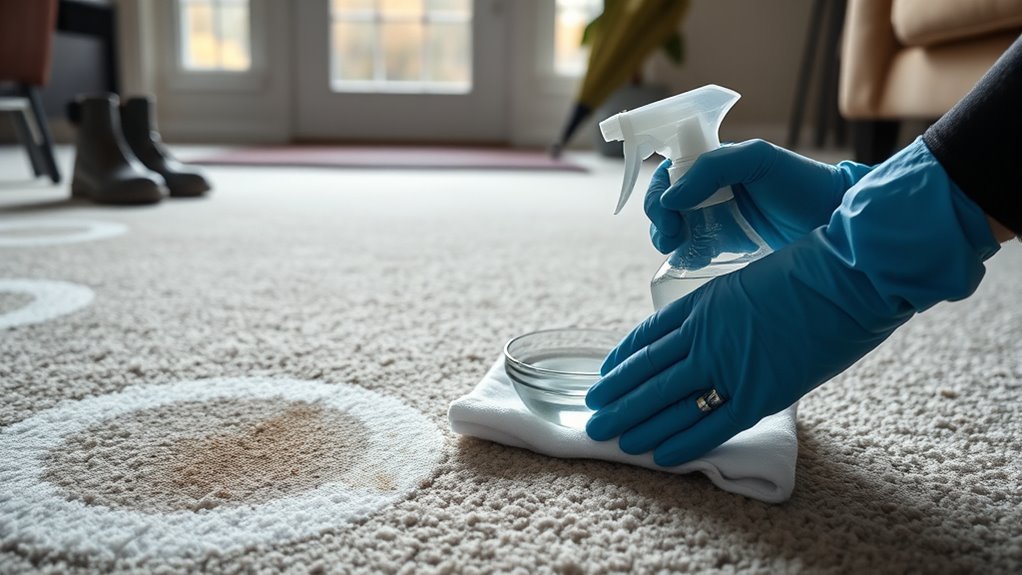
Next, mix a mild cleaning solution in a spray bottle. For most Tacoma carpet salt stains, use 1 part white vinegar to 3 parts warm water. For heavy white crust on carpet or fabric mats only, you can step up to a 1:1 mix after a hidden spot test. Mist the stained area lightly and let it sit for 2–3 minutes so the salt can dissolve.
Use a soft scrub brush and short strokes to lift the dissolved residue. Do not grind the brush into the pile. After agitation, use a wet/dry vac or hot-water extractor to remove the dirty moisture. Make overlapping suction passes until the liquid pulled up looks clear and the carpet feels only slightly damp.
Warning: Do not soak the carpet under the seats or near wiring, connectors, seat tracks, or airbag-related components. Use a light mist and strong extraction instead of pouring liquid into the cabin.
Finish by opening the doors in a safe, dry place, running fans, and leaving mats out until everything is fully dry. This methodical sequence—vacuum, mist, dwell, agitate, extract, dry—removes salt without complicated products or unnecessary downtime.
Gather Tools & Protect Your Tacoma Interior
Before cleaning, remove loose floor mats and shake them outside. Slide the seats forward and back to expose hidden salt at the edges. You usually do not need to remove the seats. If you remove door sill trim to reach carpet edges, use plastic trim tools and work gently so clips do not snap.
Protect sensitive areas with towels and plastic sheeting where needed. Toyota’s owner information for the Tacoma recommends gentle interior cleaning methods, including vacuuming and mild detergent for interior materials, so keep any salt cleaner controlled and avoid harsh solvents, bleach, or strong acidic products on trim and upholstery.
[Products Worth Considering]

Custom-fit floor liners, trunk mat, and backrest mat designed for Toyota RAV4 models from 2019 to 2025, including hybrid versions. The precision laser-measured design helps deliver full coverage and a secure fit, while the raised edges and grooves help contain dirt, mud, and spills. Made from durable, easy-to-clean TPE, these mats are built for all-weather protection and everyday convenience.

This stiff bristle cleaning brush helps lift dirt, grime, and debris from carpeted and upholstered surfaces for a deeper interior clean. Its ergonomic, lightweight design with non-slip rubber contact points offers comfort and control while scrubbing. Ideal for automotive interiors as well as home, office, and other fabric surfaces, it works especially well with carpet and upholstery cleaners.

These custom-fit all weather floor mats are designed for Toyota Tacoma Double Cab models to deliver full-floor coverage without trimming. Made from durable TPE material, they help protect against mud, water, snow, and debris while staying flexible, odorless, and easy to clean. The anti-slip design improves traction and helps keep the mats securely in place for safer everyday driving.
Tool Checklist
Gather a compact set of tools before you begin. Having everything ready keeps the job clean and prevents half-treated salt from drying back into the carpet.
- Dry removal tools: vacuum with crevice attachment, stiff mat-shaking area, and microfiber towels.
- Cleaning solution: warm water and white vinegar in a spray bottle, or a vehicle-safe salt remover for stubborn deposits.
- Agitation tools: soft carpet brush or soft drill-brush attachment used at low speed.
- Extraction tools: wet/dry vac or hot-water extractor with clean rinse water.
- Drying tools: clean towels, portable fan, and a warm ventilated drying area.
Note: If the salt stain is on rubber or all-weather liners instead of carpet, skip the vinegar soak. Remove the liner, rinse it outside, wash with mild soap, rinse again, and dry it before reinstalling.
Interior Protection Tips
Keep moisture away from electronics, painted trim, leather, and seat hardware. Spray the carpet, not the dashboard, console, leather seating surfaces, or metal seat rails. If cleaner touches trim, wipe it off with a damp microfiber towel and then dry the area.
Never mix vinegar with bleach or ammonia cleaners. The Tacoma cabin is a small space, and mixing household chemicals can create irritating or dangerous fumes. Use one cleaner at a time, ventilate the truck, and wear gloves if your skin is sensitive.
Clean With Hot Water, Vinegar & Extraction
After vacuuming to remove loose salt, lightly mist the stained areas with your warm water and vinegar solution. The goal is to re-dissolve the salt without flooding the carpet backing. Let the solution dwell for 2–3 minutes, then brush gently to move dissolved salt into the liquid where it can be extracted.
Salt removal works best when you dissolve the residue and pull it out. Wiping the surface only removes what you can see and often leaves salt deeper in the fibers.
- Vacuum dry: remove loose salt, sand, and grit from the carpet surface, seams, and mat edges.
- Spray and dwell: mist the stained area, wait 2–3 minutes, and avoid oversaturation.
- Agitate lightly: brush in short strokes so the solution reaches the salt without damaging the pile.
- Extract: use a wet/dry vac or hot-water extractor to pull out dirty moisture.
- Rinse if needed: mist with clean warm water and extract again to reduce vinegar odor and leftover residue.
- Dry completely: blot, run fans, and leave mats out until the carpet is dry to the touch.
Repeat the spray–agitate–extract cycle until the white haze disappears and the carpet no longer feels gritty. If the stain returns after drying, salt is still trapped below the surface; repeat extraction rather than adding stronger chemicals.
[Products Worth Considering]

These CAR PASS floor mats provide universal-fit protection for SUVs, vans, sedans, and trucks with a stylish rainbow-inspired look. The anti-slip nibbed backing helps keep each mat securely in place, while the waterproof design makes cleanup quick and easy after dirt, mud, or spills. Designed as a set of four, they offer a practical blend of everyday protection, easy maintenance, and eye-catching style.

These heavy-duty running boards are designed to improve access to your 2024-2026 Toyota Tacoma while preserving off-road clearance. Built for Double Cab and Crew Cab models, they provide a sturdy step for daily entry, loading roof gear, and rugged trail use. With a no-drill installation and durable construction, they deliver dependable support and long-lasting convenience.

These BDK all-weather floor mats are designed to help protect your vehicle’s original carpet from mud, dirt, dust, and spills. Made with durable rubber and capture ridges, they trap messes and provide dependable coverage for cars, trucks, and SUVs. The universal fit design is easy to trim for a more customized fit, making them a practical choice for everyday interior protection.
Tackle Stubborn Stains: Steam, Extractors, Krown
Stubborn salt stains often need heat, dwell time, and suction. A hot-water extractor is usually safer than pouring water directly onto the carpet because it applies liquid and removes it in the same pass. Keep the nozzle sealed to the carpet and work slowly in overlapping lines.
For entrenched deposits, apply short bursts of steam to the stained fibers, then extract immediately. Avoid prolonged steam on glued edges, plastic trim, or areas near wiring. Do not pour boiling water into the truck; it can spread salt deeper, loosen adhesives, and create a burn risk.
If residue persists, use a vehicle-safe salt remover such as Krown Salt Eliminator according to the product directions. Apply it only where needed, allow the recommended dwell time, agitate gently, and extract until the rinse water runs clear.
Pro Tip: Mark stubborn zones with small pieces of painter’s tape on nearby trim, not on the wet carpet. This helps you track which areas need another extraction pass.
[Products Worth Considering]

Chemical Guys Lightning Fast Carpet & Upholstery Stain Extractor is a professional-strength cleaner designed to quickly break down and lift stains, dirt, and odors from carpet, fabric, and upholstery. Its fast-acting formula is safe for natural and synthetic fibers, making it a versatile choice for automotive interiors, furniture, rugs, and other fabric surfaces. Easy spray-and-scrub application helps deliver deep-cleaning results with a fresh, renewed finish.

The BISSELL Little Green Mini Portable Carpet Cleaner helps tackle spills, pet stains, and embedded dirt on carpets, upholstery, car interiors, and pet beds. Its compact, lightweight design makes it easy to store and use in tight spaces, while the included stain tool and self-cleaning hose tool support convenient deep cleaning. Every purchase also helps support BISSELL Pet Foundation and its mission to save pets in need.

These custom-fit floor mats and door sill protectors are designed specifically for Toyota RAV4 2026 Hybrid models to help keep the interior cleaner and better protected. Made with all-weather TPE material and molded using vehicle-specific measurements, they provide coverage for dirt, mud, snow, and everyday wear while helping maintain a tidy factory look. Easy to install, remove, and clean, this set adds practical protection for daily driving and frequent passenger entry.
Dry, Deodorize & Reinstall Mats Safely
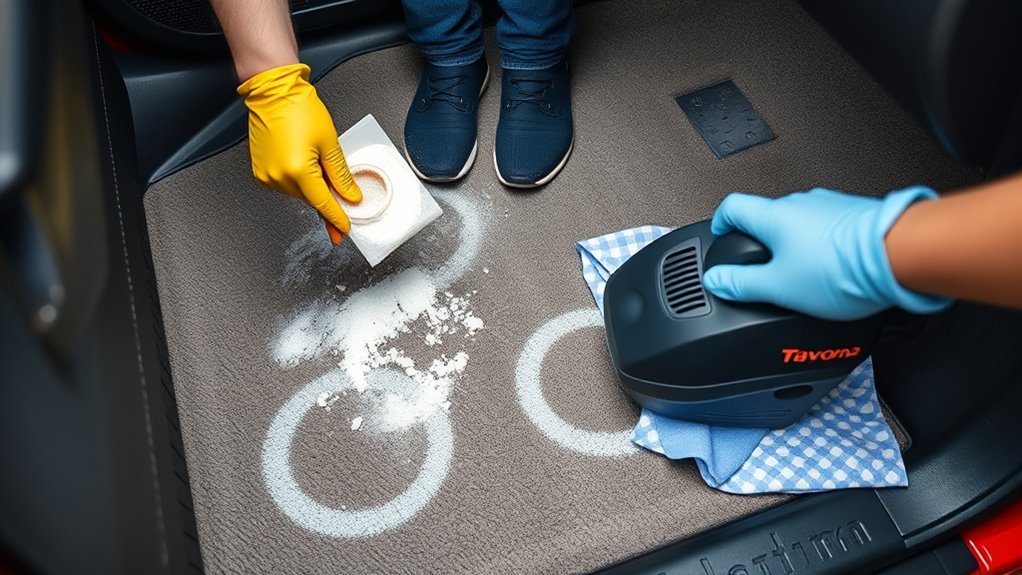
Let the mats and carpet dry fully before reinstalling anything. Use a wet/dry vac first to extract as much moisture as possible, then air-dry the mats in a warm, ventilated area. If weather allows, place fabric mats outside in shade or indirect sun with airflow on both sides.
- Extract moisture: work slowly with overlapping wet/dry vac passes until little water comes up.
- Blot remaining dampness: press clean microfiber towels into the carpet instead of rubbing.
- Deodorize lightly: once the surface is barely damp, sprinkle a small amount of baking soda on removable fabric mats only, let it sit 3–6 hours, then vacuum thoroughly.
- Confirm dryness: compare the mat’s weight and feel to a dry mat, and check that the carpet backing is not cool or damp.
Before driving, reinstall each mat correctly and secure it to the factory retention hooks. Toyota advises checking that floor mats do not interfere with pedal travel after cleaning or installation, so press each pedal fully with the engine off before the truck goes back on the road.
Prevent Salt Buildup on Tacoma Carpet
Prevention is easier than deep cleaning. Road salt is highly corrosive and contributes to infrastructure and automobile corrosion problems, according to the EPA’s deicing material guidance. In a Tacoma, the best defense is to keep salty slush on removable liners instead of letting it reach the factory carpet.
Regular Mat Cleaning
Vacuum your Tacoma’s mats at least once a week during winter, and clean them immediately after heavy slush exposure. A quick weekly routine keeps salt from building into a hard crust.
- Remove and shake: take mats out of the truck so salt does not fall onto the carpet.
- Vacuum dry grit: use a crevice tool around grooves, logos, and raised edges.
- Wash based on material: use mild soap and water for rubber liners; use diluted vinegar only for carpet or fabric salt stains after spot testing.
- Rinse and extract: pull dirty water out of fabric mats with a wet/dry vac or extractor.
- Dry fully: do not reinstall damp mats, especially in freezing weather.
Protective Floor Liners
Molded all-weather liners are worth using in snowy climates because raised edges and channels hold slush away from the carpet. Choose liners that match your Tacoma generation and cab style so they fit the floor shape and lock onto the retention points.
Remove liners often during winter. Rinse them, wash with mild detergent if needed, and inspect the underside for salt trapped along the edges. A liner that stays dirty underneath can still transfer brine to the carpet.
When to Call a Professional Detailer
Call a professional detailer if salt has soaked through the carpet backing, the truck smells musty after drying, or the stain keeps returning after several extraction cycles. A detailer can lift trim carefully, use heated extraction, and dry the cabin with stronger airflow.
You should also get help if the carpet is wet under the seats, if there is visible mold, or if you suspect moisture reached electrical connectors. Deep moisture can create odor and corrosion problems that a surface cleaning will not fix.
Frequently Asked Questions
How do you get salt out of truck carpet?
Vacuum the dry salt first, mist the stain with warm water and diluted white vinegar, wait 2–3 minutes, brush gently, and extract the liquid with a wet/dry vac or carpet extractor. Repeat with a clean-water rinse if needed, then dry the carpet fully.
Will road salt damage Tacoma carpet?
Yes. Salt crystals and winter grit can abrade carpet fibers, and salty moisture can linger in the backing. Salt is also corrosive around metal parts, so removing it quickly helps protect the carpet, mat hardware, seat rails, and surrounding interior areas.
Is vinegar safe for Tacoma carpet?
Diluted white vinegar is commonly used on fabric salt stains, but it should be spot-tested first. Keep vinegar away from leather, painted trim, electronics, seat wiring, and metal hardware, and rinse/extract afterward so the cabin does not smell sour.
Can I use a steam cleaner on salt stains?
Yes, but use steam carefully. Short steam bursts can help loosen stubborn salt, but you should extract moisture right away and avoid prolonged heat near glued edges, plastic trim, wiring, or seat hardware.
Why do salt stains come back after cleaning?
Salt stains return when dissolved salt remains in the carpet backing and wicks back to the surface as the carpet dries. The fix is more extraction, not more scrubbing. Mist lightly, agitate, extract, rinse with clean water, and dry with airflow.
Conclusion
Salt stains in Tacoma carpet are easiest to remove when you act before they harden. Vacuum first, dissolve the salt with a controlled mist of warm water and diluted vinegar, brush gently, and extract until the residue is gone. For stubborn deposits, use heated extraction, short steam bursts, or a vehicle-safe salt remover, then dry the mats and carpet completely before reinstalling them. Keep all-weather liners clean through winter to prevent the same buildup from returning.
Sources
- Toyota Owners — 2025 Tacoma: Cleaning and Protecting the Vehicle Interior — supports gentle interior cleaning and material-care cautions.
- Toyota Owners — 2024 Tacoma: Before Driving — supports checking floor mat installation and pedal clearance after cleaning.
- U.S. EPA — A Brief Guide to Mold, Moisture and Your Home — supports drying wet materials within 24–48 hours to help prevent mold growth.
- U.S. EPA — Deicing Material Application and Storage BMP — supports the corrosive nature of road salt and the need to manage salt-containing wash water.
- Krown — Salt Eliminator Trigger Sprayer — supports the optional commercial salt-remover reference for vehicle salt deposits.