
To remove odors from your Toyota RAV4 cabin, start by replacing the cabin air filter every 12,000 to 15,000 miles for better airflow. Inspect the A/C drain hose for clogs and stagnant water, and run the fan without A/C for a few minutes after use to dry the evaporator coil. Spraying disinfectant at the air intake while the HVAC runs can also help. If odors persist, there are more methods you can explore to tackle the issue effectively.
Quick Fixes for Odors in Your Toyota RAV4
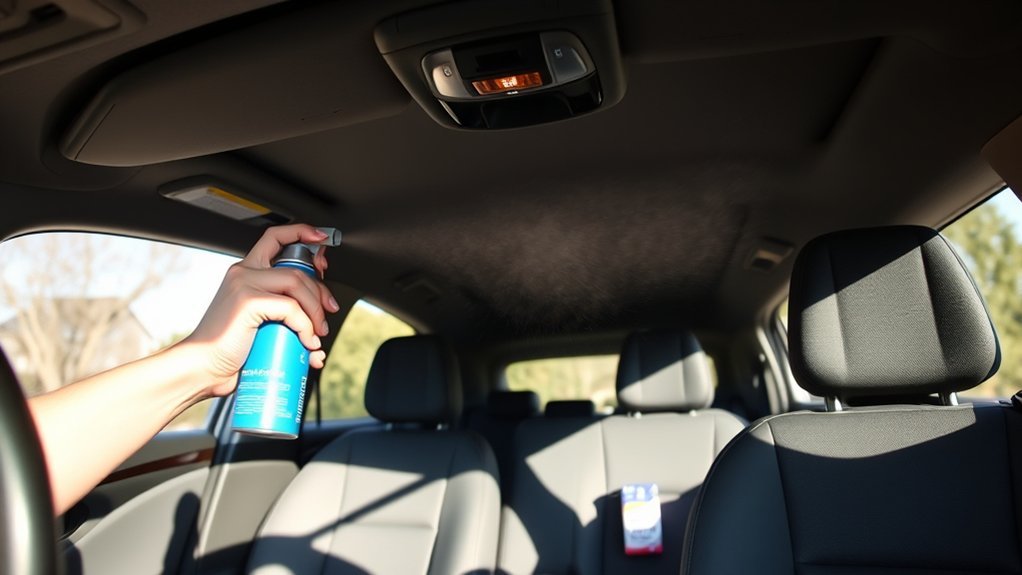
When it comes to tackling odors in your Toyota RAV4, a few quick fixes can make a significant difference. Start by turning off the A/C a few minutes before parking. This allows moisture to evaporate, preventing mildew buildup. Regularly replace the cabin air filter every 12,000 to 15,000 miles; a clean filter guarantees better airflow and reduces odors from trapped debris. When using the A/C, switch to recirculation while spraying disinfectant into the air intake; this effectively kills mold and bacteria that cause unpleasant smells. Don’t forget to check and clean the A/C drain hose to prevent clogs that can lead to stagnant water. For enhanced odor absorption, consider using carbon or charcoal cabin filters. Finally, supplement these methods with scent eliminators and air fresheners to keep your RAV4 smelling fresh and inviting.
Steps to Replace Your Cabin Air Filter
Replacing the cabin air filter in your Toyota RAV4 is a straightforward process that can greatly improve air quality inside your vehicle. Here are the steps to guarantee effective cabin filter maintenance:
Replacing the cabin air filter in your Toyota RAV4 is easy and significantly enhances your vehicle’s air quality.
- Remove the glove box: Locate and unscrew the pins holding the glove box in place. Lower it gently to access the cabin air filter.
- Detach the filter cover: Squeeze the tabs on the black cover to remove it, exposing the old cabin air filter.
- Replace the filter: Pull out the old filter, noting the airflow direction. Clean the filter space and insert the new filter correctly. Secure the housing cover and reattach the glove box.
Identifying the Source of the Smell in Your RAV4
To identify the source of the smell in your RAV4, start by conducting a smell test near the vents to see if the odor comes from the HVAC system. Next, inspect the cabin air filter for any dirt or dampness that could be trapping odors. Finally, check for moisture buildup in the footwell, as this may indicate drainage issues or leaks contributing to the unpleasant smell.
Common Odor Triggers
Identifying the source of unpleasant odors in your Toyota RAV4 is vital for maintaining a comfortable driving environment. Common odor triggers include:
- Moisture accumulation in the HVAC system, often leading to mildew growth on the evaporator coil due to improper drainage.
- Clogged cabin air filters that trap dust and debris, contributing to stale or unpleasant odors within your vehicle’s cabin.
- Blocked or damaged drain lines that can cause a sewer-like smell, indicating trapped moisture or bacteria in the AC system.
You’re likely to notice these odors more during hot, humid weather, when conditions favor mold growth. Regular inspection and maintenance of your AC system are vital to prevent these issues and guarantee a fresh driving experience.
HVAC System Inspection
A thorough HVAC system inspection can help pinpoint the source of unpleasant odors in your Toyota RAV4. Begin with a smell test near the vents; musty or sour scents often indicate mold or mildew. Inspect the cabin air filter for dirt or moisture, as a clogged filter can trap dampness, leading to odors. Check for moisture buildup in the footwell or around vents, which may signal drainage issues in the AC system. Listen for unusual noises—whistling or gurgling—while the HVAC runs; these can indicate airflow restrictions causing smells. Finally, monitor when the odor appears, especially after using the AC, to identify patterns that align with specific conditions. Implementing these HVAC maintenance tips will enhance your odor detection methods.
Cabin Air Filter Check
Regular cabin air filter checks are essential for maintaining a fresh environment in your Toyota RAV4. Neglecting cabin filter maintenance can lead to unpleasant odors from trapped dust, pollen, and debris. To effectively detect odors, follow these steps:
- Inspect the cabin air filter every 12,000 to 15,000 miles for dirt, moisture, or growth.
- If you notice a mildew smell, replace the filter immediately to address moisture issues.
- Make sure you note the correct airflow direction when installing the new filter to maintain peak air quality.
DIY Cleaning Methods for Persistent Odors

To effectively combat persistent odors in your Toyota RAV4, start by ensuring that your cabin air filter is replaced every 12,000 to 15,000 miles. This keeps airflow clean and minimizes bacteria buildup. Next, regularly inspect and clean the A/C drain hose to prevent moisture accumulation, which can lead to mildew. While running your HVAC system, spray a disinfectant like Lysol in the air intake; this effectively kills mold and bacteria. After using your vehicle, run the fan without the A/C for 5-10 minutes to dry the evaporator coil and reduce moisture retention. Consider incorporating essential oils or odor neutralizers as natural alternatives for freshness. Finally, periodically apply a specialized A/C cleaning kit, following the instructions carefully, to eliminate odors caused by mildew and mold. These DIY methods empower you to maintain a pleasant cabin environment in your RAV4.
How the AC Drain Helps Control Odors
When you keep your Toyota RAV4’s AC drain clear, you greatly reduce the risk of odors caused by moisture buildup. Proper AC drain maintenance is essential for effective moisture control, guaranteeing that condensation escapes efficiently. Here’s why it matters:
Keeping your Toyota RAV4’s AC drain clear is vital for preventing odors and ensuring efficient moisture control.
- Prevents Mold and Mildew: A clear AC drain stops moisture from accumulating, reducing the chance of bacterial growth that leads to unpleasant smells.
- Enhances Air Quality: Regularly checking the AC drain keeps the air inside your vehicle fresh, preventing musty odors from stagnant water.
- Improves HVAC Performance: A functional AC drain guarantees ideal airflow, making your air conditioning system work more efficiently.
Professional Cleaning Services for Your Toyota RAV4
If you’ve noticed persistent odors in your Toyota RAV4, seeking professional cleaning services can be an essential step toward restoring a fresh interior. These services typically involve a thorough inspection of the HVAC system, including the evaporator coils and drain lines, to identify the root cause of odors. Technicians use specialized cleaning agents and equipment for effective mold, mildew, and bacteria removal, ensuring long-lasting odor elimination.
Many providers also include cabin air filter replacement in their packages, which optimizes airflow and reduces future odor risks. Additionally, sanitizing treatments target specific sources, like rodent issues or moisture buildup. Regular professional interior detailing is recommended at least once a year to maintain air quality and prevent recurring odor problems. By investing in these services, you can liberate your RAV4’s interior from unwanted smells and enjoy a cleaner, fresher driving experience.
Preventive Tips for a Fresh Cabin
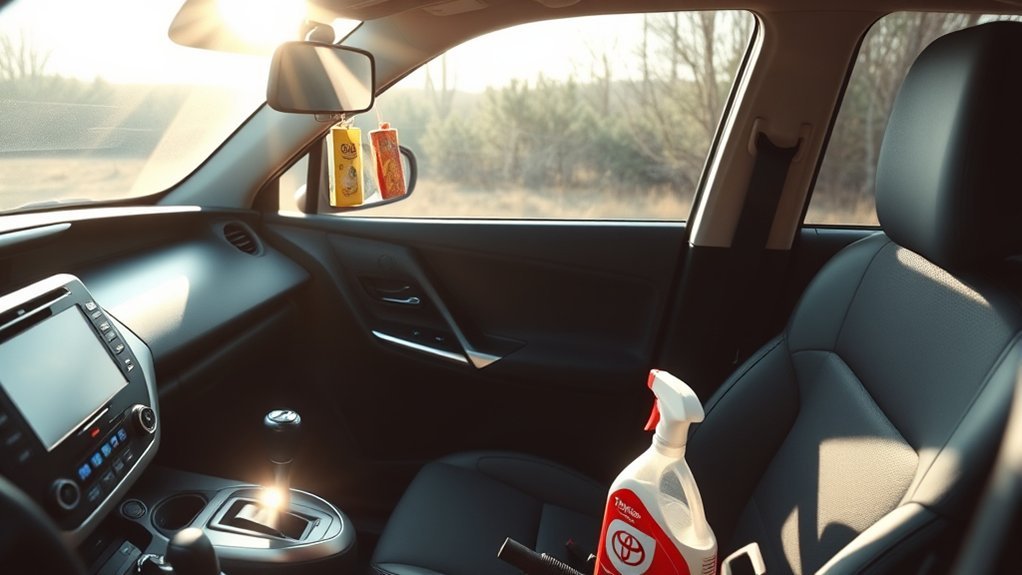
Maintaining a clean cabin in your Toyota RAV4 requires proactive measures to prevent odors from developing. By implementing these strategies, you can enhance car fragrance and promote effective odor absorption:
Maintaining a fresh cabin in your Toyota RAV4 involves proactive steps to prevent odors and enhance overall fragrance.
- Replace the Cabin Air Filter: Change it every 12,000 to 15,000 miles to prevent moisture and bacteria buildup that can cause unpleasant smells.
- Dry the A/C System: Turn off the A/C five minutes before parking. This allows the evaporator to dry, reducing moisture accumulation.
- Clear Air Intake Vents: Regularly check and remove debris to guarantee clean air circulation, minimizing the risk of odors.
Additionally, periodically run the fan without the A/C for 10-15 minutes to dry out internal components. Consider using activated carbon cabin filters for enhanced odor control, effectively trapping unpleasant smells before they enter your cabin. These steps will help maintain a revitalizing environment for every drive.
Why You Should Regularly Check Your HVAC System
Regularly checking your HVAC system is essential for preventing moisture buildup, a major contributor to odors like mildew and mold in your RAV4. By ensuring the cabin air filter remains effective and monitoring the AC drain hose, you enhance air quality and keep unpleasant smells at bay. Routine maintenance also helps eliminate bacteria growth that can lead to foul odors, ensuring a fresher driving experience.
Prevent Moisture Buildup
To prevent odors from taking hold in your Toyota RAV4, it’s crucial to routinely check your HVAC system for moisture accumulation. Proper moisture prevention and humidity control can greatly enhance your cabin’s freshness. Here are three key actions to take:
- Inspect Drain Hoses: Regularly check and clean your A/C drain hoses to guarantee proper drainage, preventing stagnant water.
- Turn Off A/C Before Parking: Allow residual moisture to evaporate by turning off the A/C five minutes before you park.
- Clear Air Intake Vents: Keep air intake vents free of debris to promote better circulation and reduce moisture buildup.
Enhance Air Quality
While you might not think about it often, your HVAC system plays an essential role in maintaining air quality inside your Toyota RAV4. Regularly checking it helps identify moisture accumulation, which can lead to mold and mildew growth, negatively impacting air quality. A well-maintained system enhances airflow, allowing the cabin air filter to capture dust, pollen, and allergens, contributing to a healthier environment. Inspecting the AC drain hose prevents clogs, reducing the risk of unpleasant odors and bacteria. Routine maintenance, like cleaning evaporator coils and replacing cabin air filters every 12,000 to 15,000 miles, guarantees peak performance. Addressing unusual smells or noises early can prevent costly repairs, ultimately securing fresh cabin air quality and effective odor removal.
Signs Your Cabin Air Filter Needs Changing?
Noticing changes in your Toyota RAV4’s cabin air quality can indicate it’s time to replace the cabin air filter. Ignoring these signs can lead to airflow issues and decreased comfort. Here are three key indicators that your filter needs changing:
- Reduced Airflow: If you notice less air coming from the vents, your filter might be clogged with dust and debris.
- Increased Allergy Symptoms: Sneezing or itchy eyes while driving may suggest the filter is no longer capturing allergens effectively.
- Persistent Odors: Unpleasant smells in the cabin could mean the filter is saturated with moisture or contaminants.
For ideal filter maintenance, inspect your cabin air filter regularly, especially if you drive in high pollution areas. Replacing it every 12,000 to 15,000 miles helps maintain air quality and guarantees your HVAC system runs efficiently.
How to Maintain a Smell-Free Vehicle
Maintaining a smell-free vehicle is essential for a comfortable driving experience, especially in your Toyota RAV4. Start by regularly replacing the cabin air filter every 12,000 to 15,000 miles to guarantee clean air circulation and prevent odors from accumulating. Before parking, turn off the A/C system five minutes early to allow moisture to evaporate, reducing mildew and mold risks. After using the A/C, run the fan without it for 5-10 minutes to dry out the evaporator coil.
Keep air intake vents clear of debris and clean the A/C drain hose to promote proper drainage. Employ odor absorption techniques by using activated carbon or charcoal cabin filters, which effectively absorb unpleasant smells. Finally, enhance your environment with scented air fresheners to maintain a pleasant atmosphere. By following these steps, you’ll enjoy a fresher, more inviting ride in your RAV4.
Frequently Asked Questions
Why Does My Toyota RAV4 AC Smell Bad?
Your Toyota RAV4’s AC smells bad due to moisture, mold, or dirty cabin air filters. Regular AC maintenance tips, including filter replacement and system cleaning, can prevent these odors and maintain a fresh cabin environment.
How to Remove Foul Odor From Car Interior?
To remove foul odor from your car interior, regularly clean surfaces with car cleaning products, apply odor neutralizers, and guarantee proper ventilation. Consider using activated carbon filters for long-lasting freshness and improved air quality.
Conclusion
By tackling odors in your Toyota RAV4 with these strategies, you can transform your cabin from a musty cave into a revitalizing oasis. Regular maintenance—like changing your cabin air filter and cleaning the interior—ensures a pleasant driving experience. Keep an eye on your HVAC system to prevent unwanted smells from creeping in. With these tips, your RAV4 will smell as fresh as a spring morning, making every journey a joy rather than a chore.