
You’ll locate the four sunroof drains at each corner of the opening (front near the windshield, rear near the wheel wells), open the sunroof and inspect with a flashlight, then clear surface debris with a small brush. Probe gently with trimmer line to dislodge clogs, use compressed air to blow out residue, and test by pouring water into the channel while checking exit points beneath the car. Follow-up steps and troubleshooting tips are available if you want more detail.
Find the Toyota Camry Sunroof Drains Fast
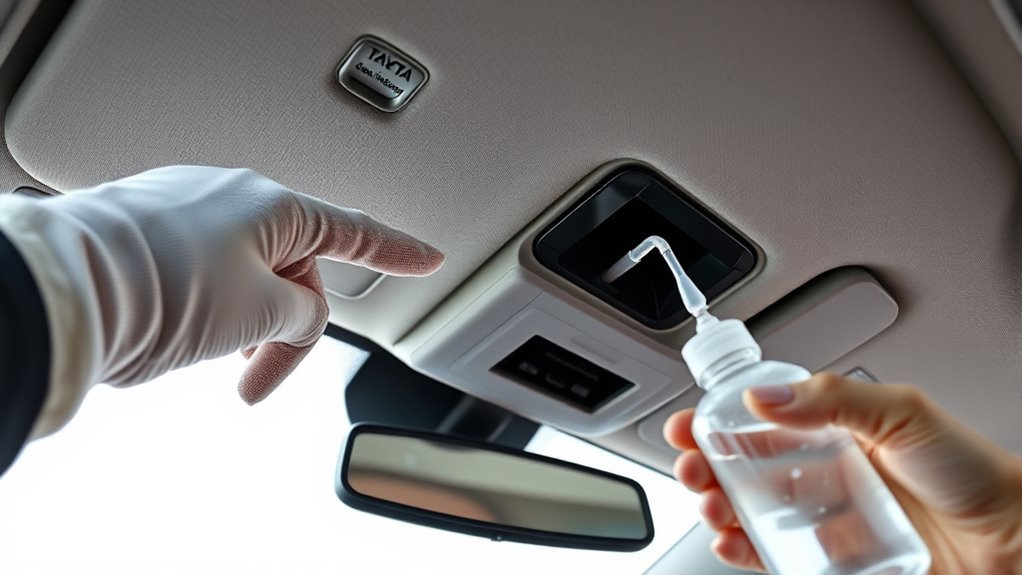
If you want to find the Camry’s sunroof drains quickly, inspect each corner of the sunroof opening—there are four drains total—with the front pair located at the base of the windshield and the rear pair near the wheel wells. Start by opening the sunroof to expose each corner; you’ll see small recessed outlets or rubber grommets where water exits. Use a flashlight to confirm the drain location and to spot debris or deformities. Work methodically: front-left, front-right, rear-left, rear-right. Record any blockage or asymmetry so you can target cleaning precisely. Regularly performing this step is a core sunroof maintenance habit that prevents cabin leaks and preserves your freedom to drive without worry. You’ll gain control by knowing exact drain placement and by inspecting at intervals after storms or long parking. This procedural routine keeps drains clear and reduces the chance of intrusive water damage.
Tools You Need (Plus Cheap Trimmer-Line Alternative)
Tools: a short list of essentials will get you through a sunroof drain cleaning quickly and cheaply. You’ll want compact, effective gear so you can act and free yourself from recurring leaks.
- Flashlight and small brush — inspect and clear surface debris so you can see the drain entry.
- String trimmer line (cut long) — a cheap, stiff probe that reaches and dislodges clogs; trimmer line benefits include affordability, flexibility, and low risk of damage.
- Air blower/compressor attachment — blow remaining debris out after probing.
Use the trimmer line as an alternative cleaning methods option when specialized drain tools aren’t available. Cut the line longer than needed so it won’t disappear into the tube. Work deliberately: inspect, probe, then blow. Regularly repeat this simple kit routine to prevent blockages and cabin water intrusion. These tools let you reclaim control of maintenance without dependence on costly shop visits.
Unclog Camry Sunroof Drains Safely With Trimmer Line
Now that you’ve inspected the drain entry and loosened surface debris, use a length of string trimmer line to clear deeper blockages: cut the line longer than the expected depth so you can grip the end, insert it gently into the drain, and work it back and forth to dislodge obstructions without forcing it past resistance. You’ll adopt trimmer line techniques that prioritize control and preservation of components. Feed slowly, feel for change in resistance, and retract frequently to remove pulled debris. If you meet firm resistance, stop; forcing risks internal damage. After clearing, test flow by pouring a small amount of water into the sunroof channel and confirm unobstructed drainage. These drain maintenance tips form a repeatable routine—inspect, clear with trimmer line, test—so you reclaim control over potential water intrusion. Maintain a spare length of trimmer line in your toolkit and schedule checks seasonally to prevent clogs and protect interior freedom from avoidable leaks.
Use Compressed Air or a Blower Safely on Drains

Before you apply compressed air or a blower, clear visible debris around the sunroof drains and position the nozzle a short distance away so you can pulse short bursts without forcing air directly into the tube. You’ll adopt safety precautions: wear eye protection, keep the vehicle interior covered, and work in a ventilated area. Use controlled, short bursts to conserve air pressure and avoid dislodging internal components. Maintain a gap so peak pressure at the drain stays low.
- Visualize a steady, rhythmic pulse — don’t blast.
- Picture the nozzle held 1–2 inches back, not sealed to the port.
- Imagine debris migrating out, not deeper in.
After pulsing, check for expelled debris and clear it manually. Regular, measured use of a blower prevents buildup, preserving the sunroof’s freedom and functionality. If you sense resistance or hear unusual noises, stop and reassess to avoid damage.
Test Drain Flow and Confirm the Clog Is Cleared
Pour a small amount of water into the sunroof channel and watch the exit points for fast, unobstructed flow. Check the rear wheel well for emerging water to verify the drain path is clear. If flow is slow or stopped, repeat after blowing the line until water drains freely.
Pour Water Into Channel
Test the flow by adding a small amount of water directly into the sunroof channel and watch for steady drainage. You’re doing water testing to verify drainage efficiency after cleaning. Pour gradually, observe the channel for pooling, and note the exit point beneath the car. If water exits freely, the clog’s cleared; if it pools, repeat cleaning.
- Visual: water streams from the channel edge, no surface pooling.
- Audible: steady trickle from the drain tube, no gurgling.
- Location: see flow at the vehicle underside near the expected exit.
Retest until flow matches all three cues. Regular water testing prevents interior leaks and maintains your vehicle’s freedom from water damage.
Inspect Rear Wheel Well
After you’ve verified flow from the sunroof channel, move to the rear wheel well and inspect for water exiting at the expected drain point; you want to see a steady stream or pooled water draining out beneath the wheel arch. Position a flashlight and probe, clear debris at the exit, and watch for visible flow — this confirms drainage importance and validates your unclogging. Note any water accumulation patterns: puddling, slow drip, or no flow. If water flows freely, the line is clear and you’ve reclaimed control of the system. If it doesn’t, re-clean the line, check for hidden obstructions at the exit, and retest. Regular inspections prevent cabin damage and reinforce proactive vehicle stewardship.
Repeat After Blowing
Once you’ve used a moderate-pressure blower to dislodge debris, run water into the sunroof channel while watching the rear wheel well exit to confirm uninterrupted flow; you should see a steady stream or rapid drainage with no bubbling or backflow. If flow is uneven, repeat blowing and mechanical clearing until smooth. Testing verifies success and enforces clog prevention.
- Visual: steady stream at rear wheel well, no sputter.
- Tactile: no resistance when probing drain tube.
- Audible: consistent rushing, not gurgling.
You act decisively to resolve drainage issues and reclaim control over your vehicle’s integrity. Regular post-cleaning tests prevent recurrence. If water stalls, repeat the unclogging cycle—blow, probe, and retest—until evacuation is uninterrupted.
Troubleshooting: Leaks After Cleaning and When to Call a Pro
If you still get leaks after clearing the sunroof drains, recheck for partial clogs and verify the drain exits at the rear of the wheel well are unobstructed, since small debris or a blocked exit will let water into the cabin. Begin systematic leak prevention: run water over the sunroof while one person watches the drain outlets and another checks the interior for ingress. Use a flexible wire or compressed air in short bursts to dislodge residual debris, then retest.
Perform a seal inspection: look for cracks, hardening, or gaps in the sunroof gasket; press and flex the seal to detect soft spots or separations. If drains and seals appear sound but leaks persist, stop DIY escalation. Repeated failed attempts suggest deep clogs, hidden body channels, or seal failure that need professional tools and disassembly. Call a qualified technician to diagnose and repair—doing so protects the vehicle and preserves your freedom from recurring water damage.
Simple Maintenance Schedule and Quick Checklist
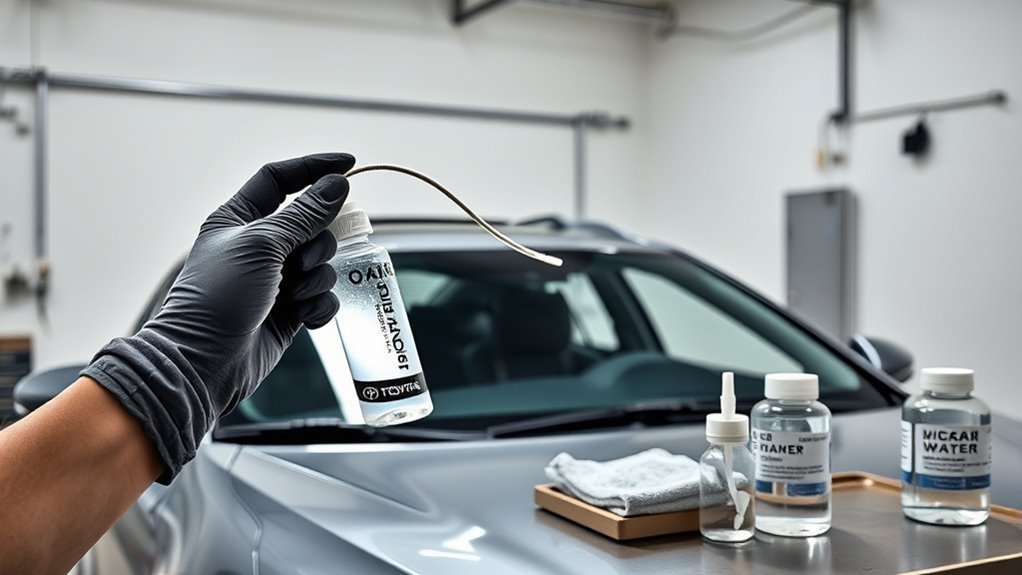
Set a twice-yearly maintenance cadence: every six months inspect the sunroof drains, clear visible debris, and verify flow at the wheel-well outlets. You’ll keep control over moisture and avoid common drainage issues by following a simple, repeatable routine. Begin by visually clearing leaves and grit, then use trimmer line or a dedicated drain tool to dislodge clogs. Pour water into the sunroof channel to confirm flow to the wheel wells. Use a low-pressure blower to evacuate residual particles—don’t over-pressurize and risk damage. Log each service entry to build an immutable record that frees you from surprise leaks.
Inspect sunroof drains every six months: clear debris, probe clogs, confirm wheel-well flow, and log each service.
- Inspect: remove debris, check gaskets, note wear.
- Clear: probe drains, flush with water, blow out residue.
- Verify: confirm outlet flow at wheel wells, document result.
This procedural checklist makes sunroof maintenance manageable, reduces vulnerability to drainage issues, and empowers you to act before small problems trap you in avoidable repair cycles.
Frequently Asked Questions
How to Clean Sunroof Wind Deflector?
Retract the deflector, wipe it with a soft microfiber and mild soap, rinse and dry thoroughly, clear nearby debris, avoid abrasives or harsh chemicals, and schedule regular sunroof maintenance for reliable deflector cleaning and long-term performance.
How to Unblock a Roof Drain Pipe?
You clear a roof drain pipe by removing visible debris, using cleaning tools like a plumber’s snake or high‑pressure jet, flushing with water, checking slope, and installing grates; prioritize drain maintenance routinely to keep systems free and empowering.
Conclusion
You’ve cleared the Camry’s sunroof drains and verified flow, so don’t forget routine checks. Treat the drains like garden hoses—if they’re kinked or blocked, water backs up fast. Inspect quarterly, run a bit of water, and use trimmer line or low-pressure air to clear minor clogs. If leakage persists, tighten seals and consider a mechanic. Keep tools handy and log dates; preventive care prevents messy, costly repairs.