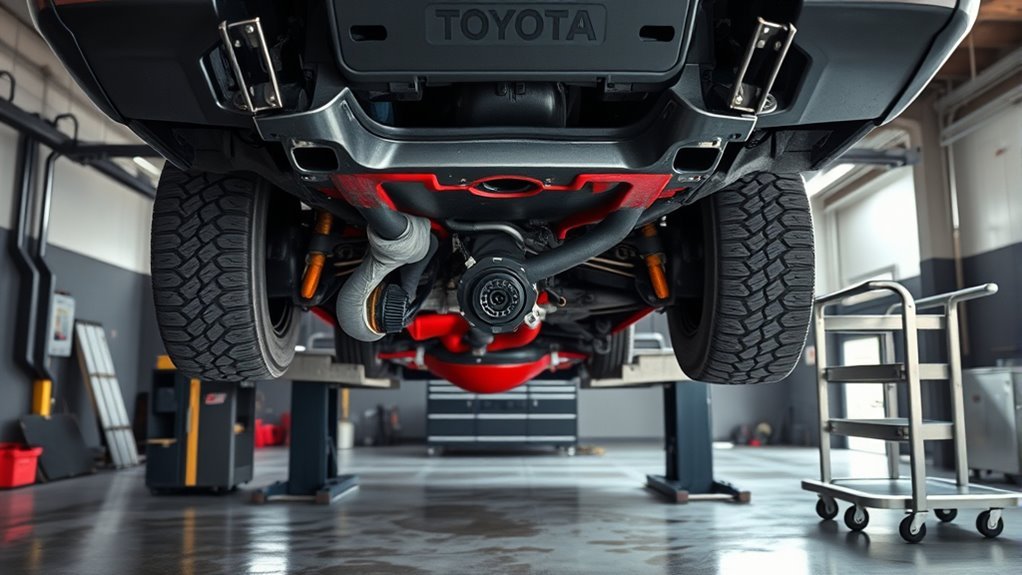
You should change your Land Cruiser’s transmission fluid every 40,000 km (≈25,000 mi) for peak performance, and consider 30,000 km if you tow or use 4WD frequently. Inspect fluid visually each service: healthy fluid is pinkish-red and clear; dark or burnt fluid needs attention. Do drain-and-fill for routine service, reserve full exchange or cautious flushing for heavy duty or suspected contamination, and log each service for trend tracking—keep going to see step-by-step checks, tools, and risks.
Quick Answer: Land Cruiser Transmission Fluid Intervals
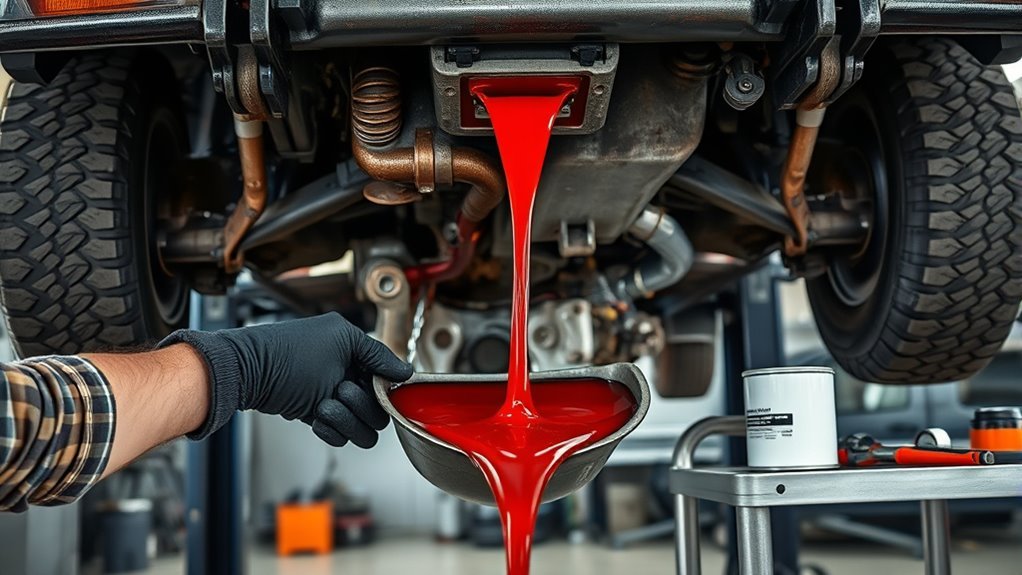
If you drive a Toyota Land Cruiser, change the transmission fluid roughly every 40,000 km (about 25,000 miles) for ideal factory-recommended performance, though many owners opt for annual changes or at every oil service—especially if you tow or use the vehicle heavily. You’ll find that sticking to the 40,000 km interval gives predictable shift quality and longevity; some owners still follow a 30,000 km schedule for added conservatism. Check fluid quality at each service: color, odor, and contamination tell you if a sooner change’s needed. Some users report fluid remaining acceptable up to 18 months when it looks and smells normal, but visual checks aren’t foolproof. Consider a gradual exchange method if you want to refresh fluid without dislodging debris—it’s a practical compromise between a full drain and a flush. Use these maintenance tips to retain control over service decisions, prioritize reliable shifting, and avoid being forced into unnecessary repairs or premature component wear.
When to Shorten Intervals (Towing, 4WD Use, Age)
When you use a Land Cruiser for towing, frequent 4WD runs, or it’s showing high mileage, shorten transmission fluid service intervals to reduce wear and overheating risk. You’ll follow towing considerations that force earlier changes: heavy loads raise temperatures and accelerate fluid degradation, so change every 30,000 km when towing regularly. For routine 4WD use, plan on 40,000 km intervals—off-road duty stresses the drivetrain. Older, high-mileage Cruisers need yearly or ~50,000 km services to prevent cumulative wear.
| Condition | Recommended Interval | Rationale |
|---|---|---|
| Regular towing | 30,000 km | High heat, faster fluid degradation |
| Frequent 4WD | 40,000 km | Increased mechanical strain |
| High mileage/old | 50,000 km / yearly | Prevents wear-related failures |
| Overheating/shifting | Immediate | Symptom-driven service |
Keep records and act on symptoms: overheating or poor shifts during towing or 4WD means change fluid now. This protects the transmission and preserves your vehicle’s freedom to roam.
How to Check Your Land Cruiser’s Transmission Fluid
Start by parking your Land Cruiser on a level surface, then start the engine so the transmission reaches operating temperature—this gives an accurate fluid reading. Locate the transmission dipstick; the dipstick location is usually toward the back of the engine bay. Pull it out, wipe it clean with a lint-free cloth, reinsert fully, then pull it out again to read level and fluid condition.
Inspect the fluid visually and by smell. Healthy fluid is pinkish-red and clear; dark, brown or burnt-smelling fluid signals contamination or internal wear. Note the level against the dipstick markings while the engine runs and the transmission is in park or neutral per your manual. If your Land Cruiser has a sealed transmission, you won’t have a serviceable dipstick—consult the owner’s manual or a qualified technician to verify fluid level and condition. Regular checks keep you free from unexpected failures and give you control over maintenance decisions.
[Products Worth Considering]

These genuine Toyota oil drain plug gaskets are designed to help maintain a reliable seal during oil changes, reducing the chance of leaks and supporting proper engine maintenance. With an OEM fit and trusted Toyota quality, they are a practical choice for routine service on compatible vehicles. The convenient quantity pack is ideal for keeping multiple maintenance intervals covered.

These custom floor mats are designed to fit the Toyota Land Cruiser GX550 with a 5-seat layout for a precise, secure install. Made from durable TPE, they help shield your interior from spills, mud, snow, dirt, sand, pet hair, and everyday debris while making cleanup quick and easy.

Custom-fit floor mats and cargo liner designed to provide edge-to-edge protection for the Toyota Land Cruiser Prado. Made from durable TPE material, they offer all-weather defense against rain, slush, snow, mud, and everyday dirt while remaining easy to install, clean, and maintain. The odorless, non-slip design helps keep your interior safer, cleaner, and more comfortable in every season.
Drain-and-Fill vs. Full Fluid Exchange: Step-by-Step
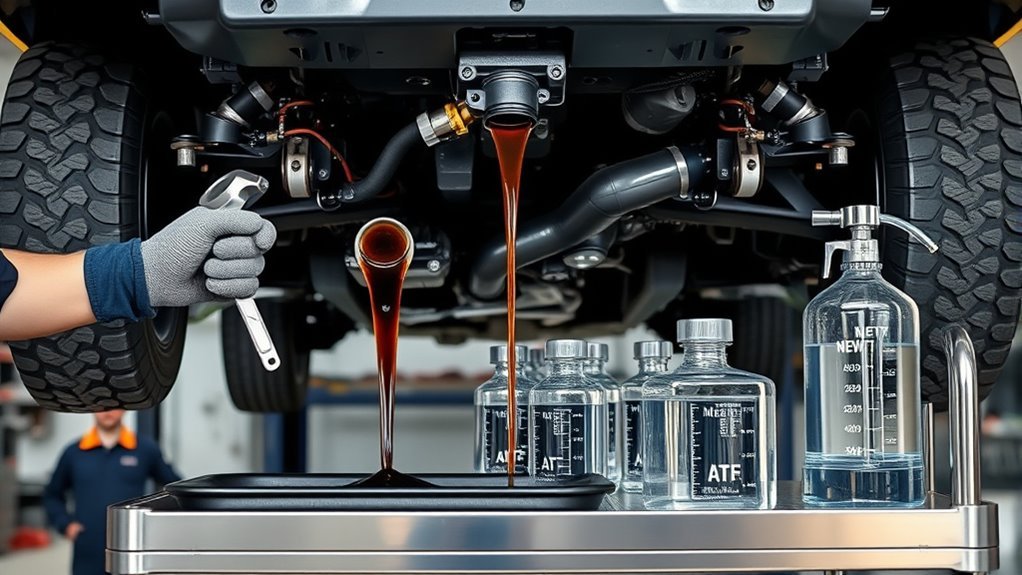
Choose between a drain-and-fill and a full fluid exchange based on your Land Cruiser’s service history and goals: you’ll follow different steps depending on the chosen scope. For a drain-and-fill (30–40% replacement), warm the transmission, lift the vehicle, remove the drain plug or loosen the pan, drain old fluid, reseal, and refill to the correct level. You can perform this at every oil change or every other one to keep fluid fresh without aggressive intervention. For a full fluid exchange (nearly 100% replacement via cooler-line cycling), disconnect cooler lines, run the engine while pumping in 14–16 quarts until new fluid runs clear, then reconnect and top to spec; schedule this at longer intervals (≈60,000 miles/90,000 km). In both methods monitor fluid color; clean red fluid is normal, burnt or dark means change now. Don’t fall for maintenance myths that promise eternal service—use condition-based decisions aligned with liberation: control your schedule, not fear.
[Products Worth Considering]

This upgraded engine oil funnel kit makes oil changes cleaner and easier with a spill-proof design, flow control valve, and transparent body for precise filling. Built from durable polycarbonate and equipped with 12 adapters, two 45-degree elbows, and a debris filter, it fits a wide range of vehicles and works well in tight engine spaces. The secure, hands-free setup helps reduce mess while improving control during oil filling and fluid transfers.
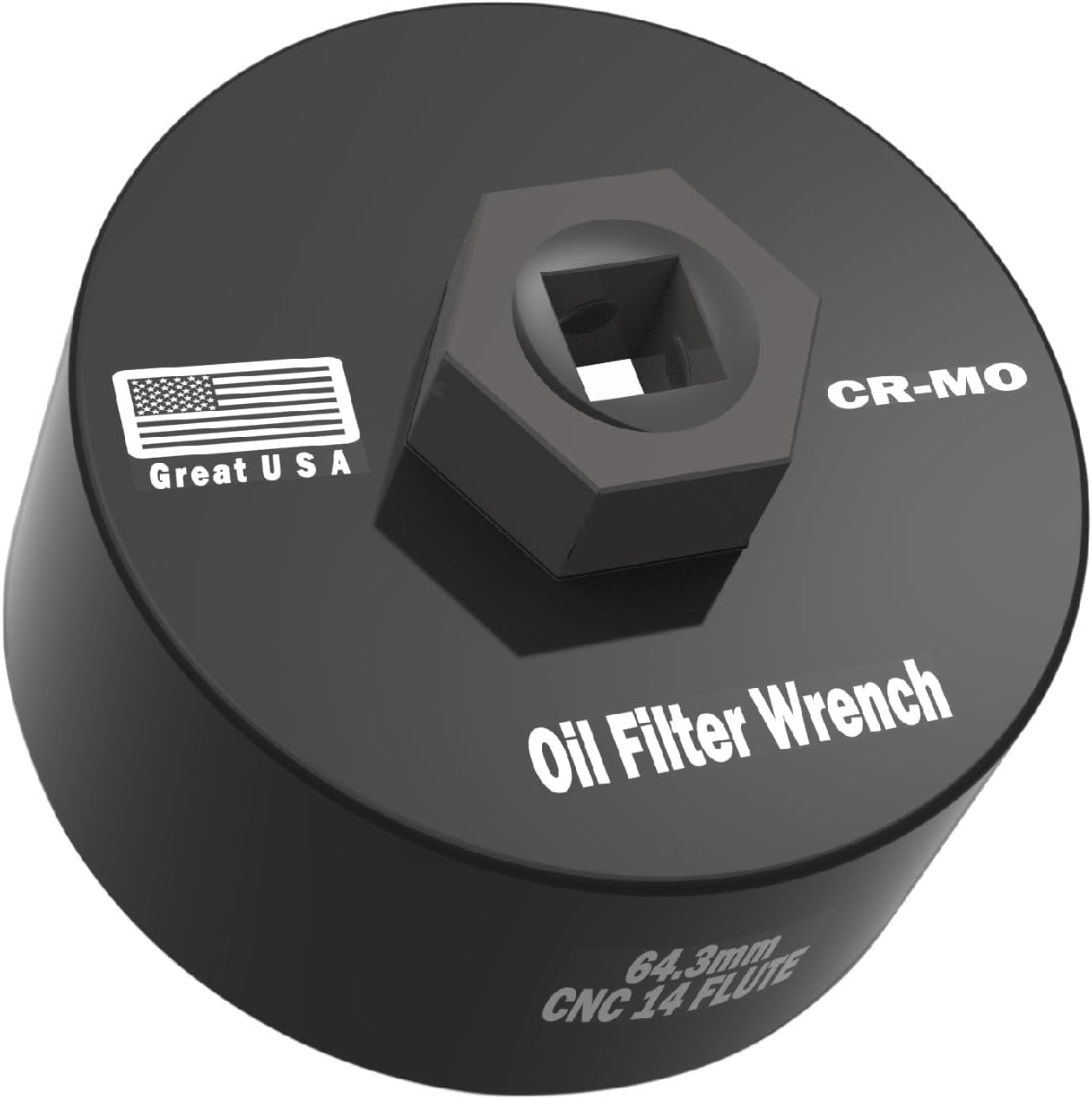
This precision oil filter wrench is designed for Toyota and Lexus cartridge-style filters, delivering a secure 14-flute fit for smooth removal and installation without slipping. Made from hardened chrome-molybdenum steel with a low-profile design, it works well in tight engine spaces and pairs with common drive tools for easier oil changes.

This 12-pack oil filter and drain plug washer set is designed for a wide range of Toyota and Scion vehicles, helping support clean oil flow and dependable engine performance. It replaces several common OE part numbers and offers an easy-fit solution for routine maintenance. Built with corrosion-resistant materials and efficient filtration, it helps keep engine contaminants out and supports longer service life.
Risks to Know: Flushing, Filter Issues, and When to Stop
Because flushing can strip away sludge that’s been temporarily sealing worn seals and passages, you should treat any flush as a calculated risk rather than a routine step—especially on high-mileage Land Cruisers. You’ll weigh flushing risks against potential benefits: a full flush can dislodge debris that then exposes or widens leaks, or overloads valves and passages, accelerating failure. If fluid looks clean—red, clear, no burnt odor—avoid aggressive flushing; a drain-and-fill is often sufficient.
Respect filter importance: always replace the transmission filter during fluid service, since a clogged filter restricts flow and hides problems. Prefer a gradual exchange method for older units to minimize pressure spikes and particulate migration. Stop flushing if the vehicle has prior transmission issues, if fluid is dark and burnt, or if leaks appear after partial exchange. Your goal is control and freedom from breakdowns—choose conservative methods when uncertainty or high mileage increases risk.
DIY Checklist and Tools for a Safe Fluid Change
Before you start, fit proper safety gear — gloves, eye protection, and wheel chocks — and work on a level surface. Gather required hand tools like a 6mm hex key for the drain plug, a 24mm socket and breaker bar for the fill plug, plus a clean container and funnel for fluid handling. Consider a magnetic drain plug, measure the drained fluid volume, and confirm fluid type and capacity from the owner’s manual.
[Products Worth Considering]

CHAPIN’s low-profile oil drain pan is designed to slide under low-clearance vehicles and equipment, making fluid changes easier in tight spaces. The large splash-free target area helps reduce mess while the molded carry handles support easier lifting, pouring, and storage. Built for draining oil, coolant, and other automotive fluids, it offers a practical high-capacity solution for routine maintenance.

This NewYall pack of two oil filters is designed for a wide range of Toyota, Lexus, and Scion vehicles from the 2005 to 2014 model years. Each filter includes a gasket seal O-ring element for a proper fit and reliable oil filtration, helping support clean engine oil flow and routine maintenance. It is a practical replacement choice for many popular sedans, SUVs, and hybrids.

The Scepter AM07029 Oil Drain Pan makes oil changes cleaner and easier by helping contain spills and reducing mess in the garage or driveway. Its lidded opening, removable drain screen, and gasketed pour spout support convenient collection, transport, and disposal of fluids. Built from durable high-density polyethylene, it resists rust, dents, and corrosion for reliable use with engine oil, transmission fluid, hydraulic fluid, and antifreeze.
Essential Safety Gear
Always wear safety glasses and gloves when changing transmission fluid, and work on a sturdy, level surface with wheel chocks in place to prevent movement. You’ll treat safety equipment and protective gear as essential tools for control and autonomy: eye protection, chemical-resistant gloves, and closed-toe footwear. Keep a rated fire extinguisher within reach if fluid or fumes are flammable. Position absorbent pads and a spill kit to contain leaks promptly and avoid contamination. Maintain clear access to the vehicle and illumination so you can move deliberately. Inspect gear before use and replace compromised items. These measures minimize risk, preserve your freedom to work independently, and let you complete the fluid change efficiently and responsibly without reliance on others.
Required Hand Tools
With safety gear in place, gather the specific hand tools you’ll need to change a Land Cruiser’s transmission fluid: a 6mm hex key for the drain plug and a 24mm socket for the fill plug, plus a breaker bar and extensions to overcome tight fittings. You’ll also want a magnetic drain plug ready to replace a worn one and catch metal debris, and spare plugs in case threads or head profiles round off. Use a rigid container to catch and measure drained fluid so you can refill accurately. Keep sockets, keys, extensions, and spare plugs in a compact kit so tool organization is immediate and visible. You’ll move faster, avoid improvisation, and keep control—liberating you from roadside compromises.
Fluid Handling Supplies
If you want a clean, safe transmission fluid change on your Land Cruiser, assemble a compact kit of fluid-handling supplies: a 6mm hex key and 24mm socket, magnetic drain plug, rigid catch container, funnel sized for the dipstick tube, and a calibrated measuring cup. You’ll use the 6mm hex and 24mm socket to access drain and fill plugs reliably. Fit the magnetic drain plug to trap metal debris and simplify future inspections. Position the rigid catch container to control used-fluid flow, reducing splash and enabling measured fluid storage for disposal or analysis. Use the funnel to prevent spills while refilling through the dipstick tube. Measure the exact drained volume with the calibrated cup to restore correct level—this protects the transmission and empowers you.
Recommended Maintenance Schedule and Log Template
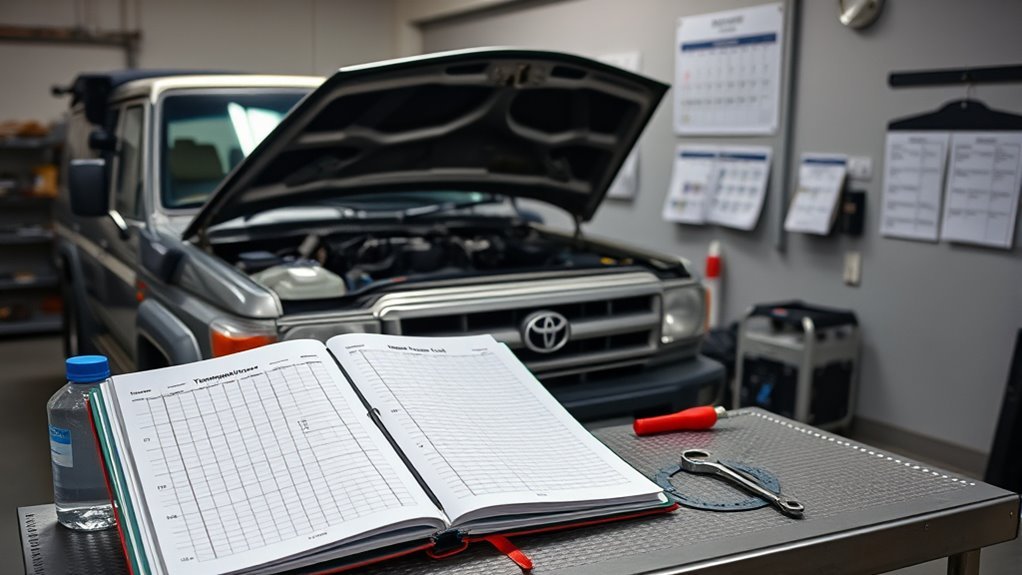
1 clear schedule helps you track and maintain transmission health: for a Land Cruiser Toyota advises a fluid change every 40,000 km (≈25,000 mi), though many owners opt for annual changes or every oil change (~7,500 mi) when the vehicle sees frequent use. Use that guidance to set your fluid change frequency and apply maintenance best practices: inspect fluid color monthly, note red = good, dark/burnt = change.
Create a concise maintenance schedule: date, mileage, service performed, fluid type, technician, notes. Log entries after every check, drain, or refill. For frequent use, mark oil-change intervals as checkpoints and perform full changes annually or per severe-duty intervals. Retain receipts and batch codes for traceability.
This disciplined approach prevents cumulative wear and preserves drivetrain freedom. You’ll spot trends, justify proactive service, and avoid costly failures. A simple paper or digital log template, synced to your calendar, keeps responsibility actionable and your Land Cruiser running on your terms.
Frequently Asked Questions
How Often Does Toyota Recommend Changing Transmission Fluid?
Toyota recommends changing transmission fluid every 40,000 kilometers (about 25,000 miles). You’ll protect transmission lifespan by choosing proper fluid types, following schedules, and adapting to severe conditions so your vehicle stays reliable and liberated.
Is Toyota Transmission Fluid Lifetime?
Not exactly—Toyota doesn’t call transmission fluid “lifetime.” You’ll challenge transmission myths by embracing fluid longevity practices: check and change per recommendations, especially under severe use, so you’re free from costly, avoidable failures.
What Is the Maintenance Schedule for a Toyota Land Cruiser?
You follow Toyota’s maintenance schedule: service intervals list oil, filter, brake, and transmission inspections every 5,000–10,000 km; maintenance tips include checking fluids, tires, and belts, with heavier-duty use needing shorter service intervals for freedom of reliable travel.
Conclusion
You should change your Land Cruiser’s transmission fluid on a steady schedule—think of it as pulse-checking the drivetrain—to avoid costly failure. For normal use, follow Toyota’s interval, shorten it for towing, heavy 4WD, or high-mileage vehicles, and inspect fluid level/color regularly. Prefer full exchange when possible, use the correct fluid and filter, and avoid aggressive chemical flushes. Keep a maintenance log and tools ready so service stays timely and traceable.