Last updated: July 31, 2026.
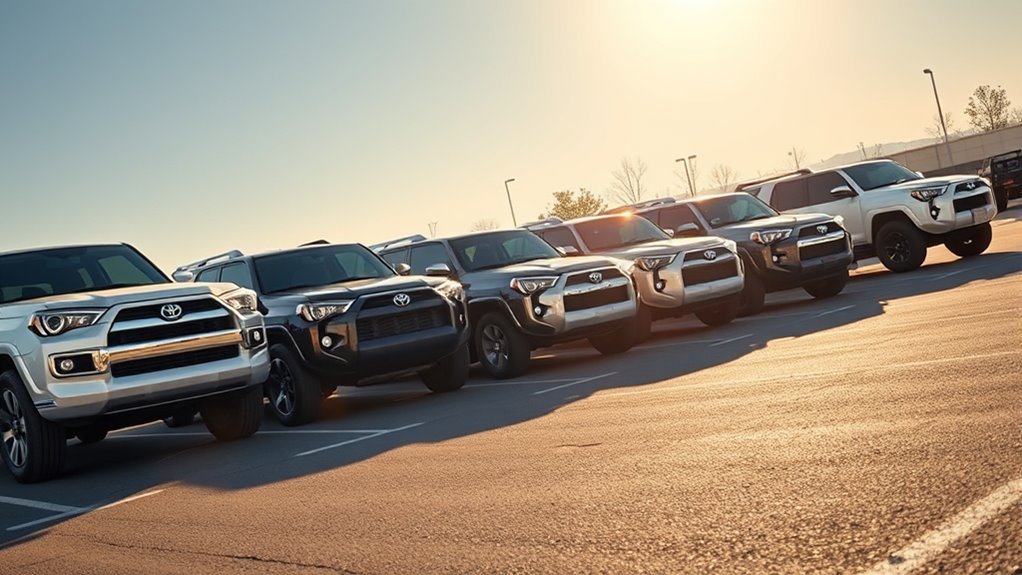
The Toyota 4Runner has six generations. The first generation arrived for 1984 with pickup-based construction and a removable rear roof. The second added four-door practicality, the third became a more refined midsize SUV, the fourth introduced the only factory V8 in 4Runner history, and the fifth paired a long-running 4.0-liter V6 with increasingly advanced off-road equipment. The sixth generation began with the 2025 model year, moving to Toyota’s TNGA-F truck platform with turbocharged four-cylinder and available hybrid power. For most used buyers, condition, maintenance records, rust, drivetrain configuration, and trim matter more than the generation name alone.
Toyota 4Runner Generations at a Glance
| Generation | Model years | Defining change | Best fit | Main buying caution |
|---|---|---|---|---|
| First | 1984–1989 | Pickup-based body with removable rear roof | Collectors and simple trail builds | Age, corrosion, prior modifications, and parts condition |
| Second | 1990–1995 | Fixed roof and available four-door body | Classic SUV utility on a lower budget | Service history, cooling system, rust, and worn suspension |
| Third | 1996–2002 | New chassis, improved cabin, 2.7L I4 or 3.4L V6 | Compact size with everyday usability | Frame condition, steering and suspension wear, and maintenance records |
| Fourth | 2003–2009 | Larger body, 4.0L V6, and available 4.7L V8 | Towing, cabin space, or V8 preference | Rust, 4WD operation, suspension condition, and neglected maintenance |
| Fifth | 2010–2024 | 270-hp 4.0L V6 and expanding trail-focused trims | A proven modern used 4Runner | Underbody damage, modifications, recall status, and service history |
| Sixth | 2025–present | TNGA-F platform, turbo four-cylinder, and available hybrid | New safety, power, efficiency, and technology | Limited long-term reliability history and higher system complexity |
Toyota’s official 4Runner history confirms the six-generation timeline and the major redesigns. See the company’s histories for the first and second generations, third and fourth generations, and fifth and sixth generations.
4Runner DNA & Chassis Choices
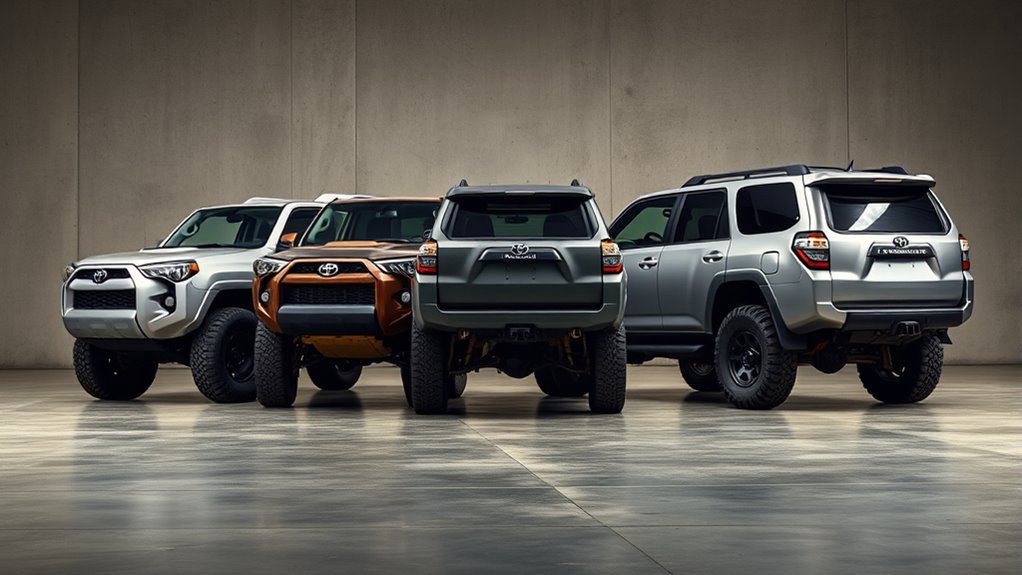
Every 4Runner generation has used body-on-frame construction, but Toyota has repeatedly changed the frame, suspension, steering, powertrain, and four-wheel-drive systems. The first generation was closely related to the Toyota pickup. The 1986 switch from a solid front axle to independent front suspension improved on-road ride and steering while retaining a solid rear axle.
Later generations became more SUV-focused. The third generation received a new chassis, engines, more cabin space, and added safety technology. The fourth grew larger and offered V6 or V8 power. The fifth retained a solid rear axle and combined a 4.0-liter V6 with available systems such as a locking rear differential, Multi-Terrain Select, Crawl Control, KDSS, and full-time four-wheel drive, depending on trim and model year. The sixth uses Toyota’s TNGA-F truck platform with a double-wishbone front suspension and multi-link coil-spring rear suspension.
The practical lesson is simple: do not judge capability by generation alone. A two-wheel-drive SR5, a Limited with full-time four-wheel drive, a TRD Off-Road with a rear locker, and a TRD Pro can behave very differently even when they share the same basic generation.
Quick Picks: Best 4Runner by Buyer
- Best removable-roof classic: First generation (1984–1989). It is the only generation with the factory removable rear roof.
- Best compact used all-rounder: Third generation (1996–2002), provided the frame and maintenance history are sound.
- Best factory V8 choice: Fourth generation (2003–2009). It is the only 4Runner generation offered with a V8.
- Best proven modern used choice: Fifth generation (2010–2024), especially for buyers who value a long production run, broad parts support, and multiple off-road trims.
- Best new technology and power: Sixth generation (2025–present), with the important caveat that it does not yet have the long-term ownership history of the fifth generation.
These are use-case recommendations, not universal reliability rankings. A well-maintained example with a clean frame is usually a safer buy than a neglected vehicle from a more desirable year or trim.
[Products Worth Considering]
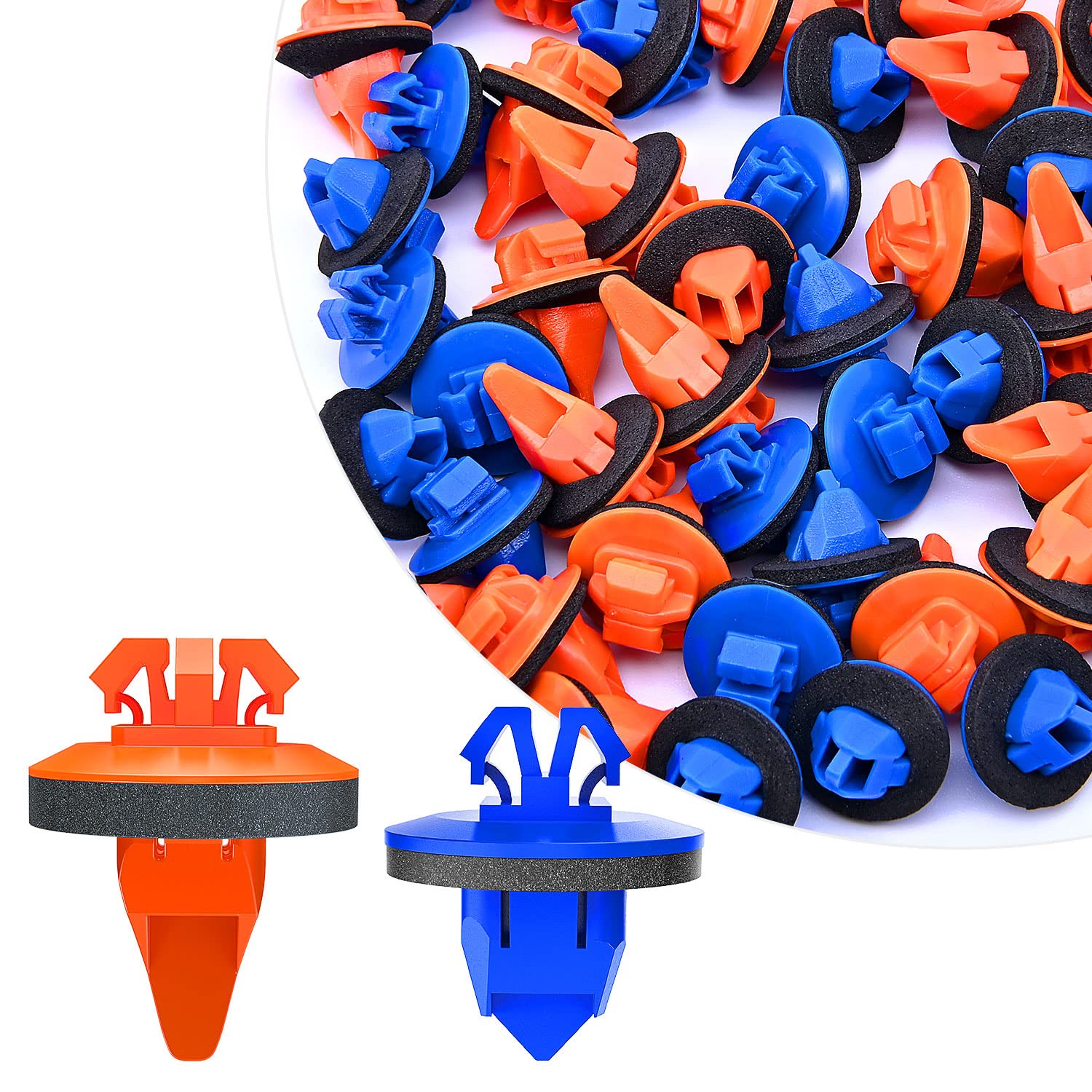
These replacement fender flare clips are designed to restore secure body trim mounting on compatible Toyota vehicles. The kit includes both rocker moulding and wheel flare moulding clips with sealers, helping ensure a proper fit for common applications on 4Runner, FJ Cruiser, Highlander, RAV4, and Tacoma models. With a mixed 100-piece assortment, this set is ideal for repairs, trim replacement, and maintenance.

This metal replacement center console latch is designed to restore secure closing performance for a wide range of Toyota and Scion vehicles. Built as an upgraded metal part, it helps solve broken latch issues and provides a more durable alternative to the original component. It is compatible with many popular models and includes the needed screws and screwdriver for installation.

This engine water pump kit is designed to help maintain reliable cooling performance across a wide range of compatible Toyota, Lexus, Scion, and Pontiac vehicles. Built with aluminum and tested for leak-free operation, it offers a direct replacement solution that supports engine efficiency and long-term service life. The kit includes a professional water pump and gasket for a convenient installation-ready repair.
How We Compared the Generations
This guide compares each generation by five buyer-relevant factors: body and chassis changes, engine and drivetrain choices, passenger and cargo usability, factory off-road equipment, and the risks created by age, corrosion, modifications, or limited long-term data. It is a researched generation guide, not a claim that every model year or trim has been personally tested.
First Generation (1984–1989): Truck Roots & Suspension Shift
The first-generation 4Runner was based on the Toyota pickup and used a two-door body with a removable fiberglass rear roof. Early examples were extremely simple inside, while later versions added rear seating, improved trim, fuel injection, an available turbocharged four-cylinder, and a 3.0-liter V6 for 1988–1989. The rear power window became a lasting 4Runner signature.
Hilux-Based Utility
The original design prioritized cargo utility and trail durability over passenger comfort. Removing the rear roof opened the cargo area, while the foldable or optional rear seating helped the vehicle serve as both a small truck alternative and an early SUV. It remains appealing to collectors and builders because of its mechanical simplicity and distinctive body style.
Its age is now the main buying issue. Inspect the frame, body mounts, floors, cooling system, steering, brakes, wiring, weather seals, and previous off-road modifications. A clean, documented vehicle is more valuable than one with a fresh paint job covering structural corrosion or improvised repairs.
Fiberglass Shell Design
The removable fiberglass roof is unique to the first generation. It gives the vehicle open-air flexibility, but it also creates inspection points that do not apply to later 4Runners. Check the roof seals, mounting hardware, rear window operation, tailgate condition, water intrusion, and any cracks or repairs in the fiberglass. Replacement parts and weather seals may be harder to source than routine mechanical parts.
Suspension Evolution
Models through 1985 used a solid front axle. Toyota introduced independent front suspension for the 1986 model year to improve ride comfort, steering precision, and ground clearance under the front differential. The rear remained a leaf-sprung solid axle. Buyers who want the early solid-front-axle layout usually target 1984–1985 vehicles, while later first-generation models are generally easier to live with on pavement.
Second Generation (1990–1995): Four-Door Comfort & Drivetrain Changes
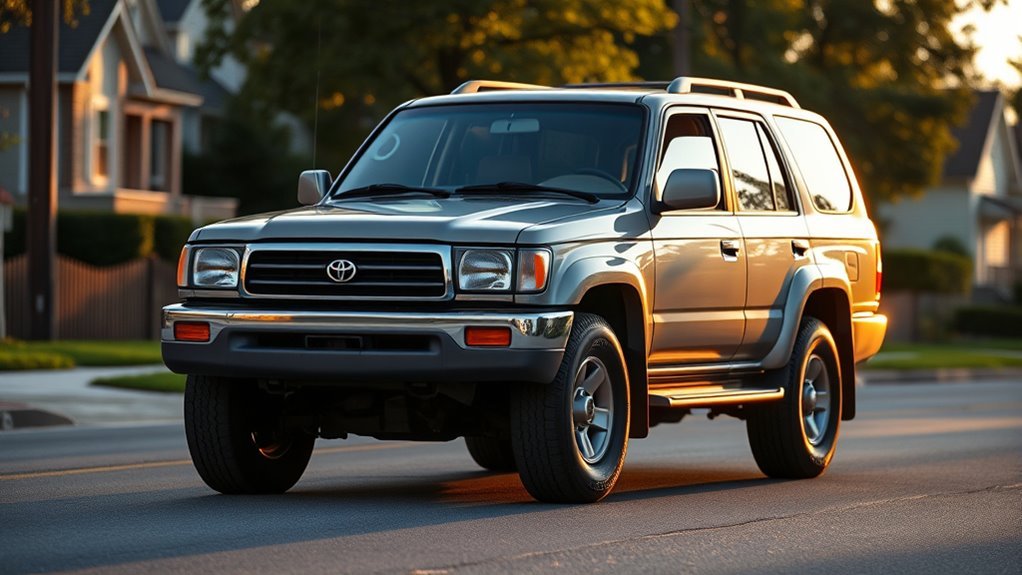
The second generation moved the 4Runner away from its removable-roof pickup conversion and toward the familiar SUV format. Toyota replaced the detachable rear roof with a fixed steel body and offered a four-door version, making rear-seat access and weather sealing far more practical. A two-door version continued briefly in some markets.
U.S. buyers could choose a 2.4-liter four-cylinder or a 3.0-liter V6. Rear coil springs improved passenger ride compared with the first generation’s leaf-spring rear setup, but the vehicle still used a body-on-frame chassis and solid rear axle. This generation suits buyers who want a classic appearance and simpler equipment without the first generation’s removable-roof complexity.
Because every surviving second-generation 4Runner is now more than 30 years old, condition is more important than mileage alone. Check for overheating history, coolant or oil contamination, exhaust smoke, rust, steering play, worn suspension bushings, braking condition, four-wheel-drive engagement, and incomplete repair records. A pre-purchase inspection by a Toyota-experienced technician is strongly recommended.
Third Generation (1996–2002): New Chassis, Better Handling
Toyota redesigned the third-generation 4Runner with a new chassis, new engines, a larger cabin, and improved safety and convenience features. It was offered with a 2.7-liter four-cylinder or a 3.4-liter V6. Independent double-wishbone front suspension, rack-and-pinion steering, and a coil-sprung solid rear axle gave it more predictable road manners than the earlier generations without abandoning low-range four-wheel-drive capability.
| Feature | Buyer benefit | What to verify |
|---|---|---|
| 2.7L I4 or 3.4L V6 | Choice between simplicity and stronger performance | Maintenance history, leaks, cooling performance, and cold-start behavior |
| Rack-and-pinion steering | More precise road feel | Play, uneven tire wear, and worn steering or suspension joints |
| Available rear locking differential | Improved low-speed traction on equipped 4WD models | Actual trim equipment and correct locker operation |
| Larger cabin and cargo area | Better daily and travel usability | Rear window, locks, interior water damage, and seat operation |
The third generation is often attractive because it is smaller and simpler than later 4Runners while still feeling like a conventional modern SUV. Its age means rust, deferred maintenance, worn chassis parts, accident repairs, and off-road modifications can outweigh the advantages of a desirable trim or drivetrain.
Fourth Generation (2003–2009): Bigger, More Refined, V8 Option
The fourth-generation 4Runner grew in width, wheelbase, passenger room, and available equipment. It introduced the 4.0-liter V6 and the only factory 4.7-liter V8 offered in a 4Runner. V8 output changed during the generation, so buyers should verify specifications by exact model year rather than applying one horsepower figure to every 2003–2009 vehicle.
Larger Interior Space
The larger cabin made the fourth generation better suited to family travel and towing than the earlier compact models. Toyota also offered an optional third-row seat on some SR5 and Limited models beginning in this generation. The third row is occasional seating rather than a substitute for a full-size three-row SUV, so buyers should test access and space before purchasing.
| Benefit | Tradeoff |
|---|---|
| More passenger and cargo room | Larger exterior footprint than earlier generations |
| Available V8 and strong towing-oriented drivetrain | Higher fuel use and additional age-related maintenance considerations |
| More comfort and electronic features | More systems to inspect on an older used vehicle |
V8 Performance Option
The 4.7-liter V8 is the fourth generation’s defining powertrain. It provides smoother low-speed torque and is the natural choice for buyers specifically seeking a V8 4Runner. However, the V8 should not be chosen on engine reputation alone. Verify maintenance records, cooling-system condition, exhaust condition, four-wheel-drive operation, fluid leaks, and evidence of towing or heavy off-road use.
Enhanced Off-Road Tech
Fourth-generation equipment varied by engine, drivetrain, trim, and year. Available systems included full-time or part-time four-wheel drive, a locking center differential on applicable configurations, Hill-start Assist Control, Downhill Assist Control, and later trail-focused equipment. Confirm the exact transfer case, differential, suspension, and traction features on the vehicle itself; seller listings often use “4WD,” “AWD,” and “locking differential” imprecisely.
Fifth Generation (2010–2024): Long-Running V6 & Modern Trail Tech
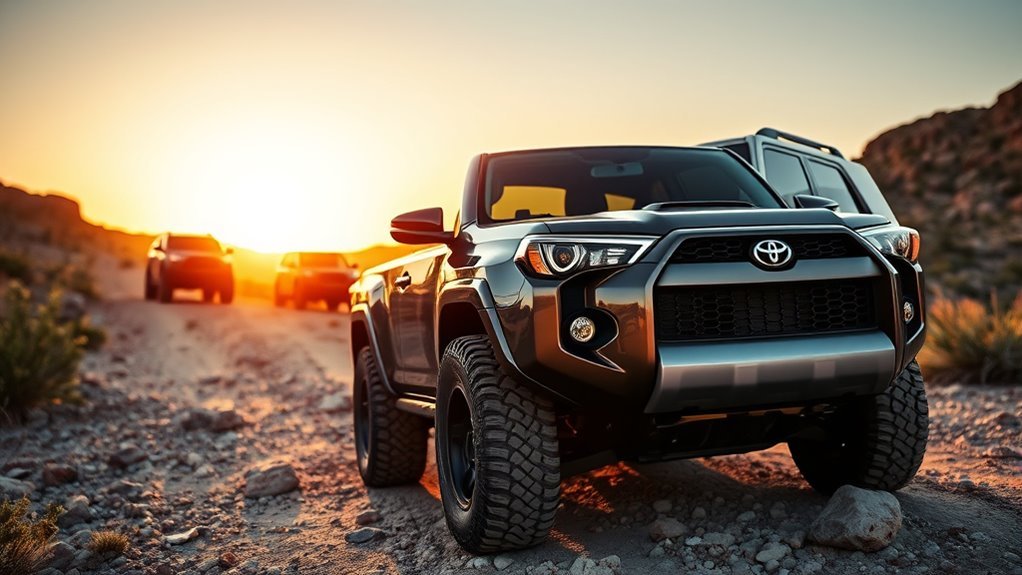
The fifth generation ran from the 2010 through 2024 model years. Most examples use a 270-hp 4.0-liter V6 and five-speed automatic transmission. A four-cylinder was briefly available on some 2010 two-wheel-drive models, so buyers should still verify the engine rather than assume every fifth-generation vehicle has the V6.
| Feature | What it means |
|---|---|
| Body-on-frame construction and solid rear axle | Strong trail and towing foundation, with a more trucklike ride than a crossover |
| 4.0L V6 on most models | Consistent, familiar powertrain across a long production run |
| Available Multi-Terrain Select and Crawl Control | Low-speed traction assistance on equipped off-road trims |
| Available rear locker, KDSS, or full-time 4WD | Capability and road behavior vary significantly by trim |
| 2020 technology update | Apple CarPlay, Android Auto, and Toyota Safety Sense became available as standard-generation updates |
A 2014 model-year styling refresh changed the exterior and interior presentation, while later updates added TRD trims, improved infotainment, and more driver-assistance features. The fifth generation is a strong used-buy candidate because it combines modern usability with a long production history, but shoppers should still check the frame and underbody, look for trail damage, verify modification quality, review service records, and test every 4WD mode.
Sixth Generation (2025–Present): Turbo & Hybrid Power
The sixth-generation 4Runner began with the 2025 model year. It moved to Toyota’s TNGA-F body-on-frame platform, shared with other Toyota trucks and SUVs, and replaced the fifth generation’s naturally aspirated V6 with two 2.4-liter turbocharged four-cylinder choices. The standard i-FORCE engine produces up to 278 horsepower and 317 lb-ft of torque. The available i-FORCE MAX hybrid produces up to 326 horsepower and 465 lb-ft. Both use an eight-speed automatic transmission.
Toyota also introduced Trailhunter and Platinum grades, an available 14-inch touchscreen, Toyota Safety Sense 3.0, and a maximum towing rating of up to 6,000 pounds when properly equipped. Off-road hardware and drivetrain availability still vary by trim, so a buyer should compare the exact SR5, TRD, Limited, Trailhunter, Platinum, or TRD Pro configuration rather than treating all sixth-generation models as equivalent. Toyota’s launch specifications are available in its official 2025 4Runner announcement.
The sixth generation offers substantially newer safety, infotainment, powertrain, and trail technology. Its main buyer caveat is evidence, not a known defect: as of July 2026, it has far less long-term ownership data than the 2010–2024 generation. Buyers prioritizing proven longevity may prefer a well-kept late fifth-generation model, while buyers prioritizing current technology, torque, and efficiency may prefer the sixth.
[Products Worth Considering]

This Toyota navigation SD card provides updated North America maps and points of interest for compatible factory navigation systems. It is preloaded with recent road and location data to help drivers find destinations, services, and routes more easily across the U.S. and Canada. Designed for select Toyota models, it offers a simple plug-and-play replacement for the original navigation card.
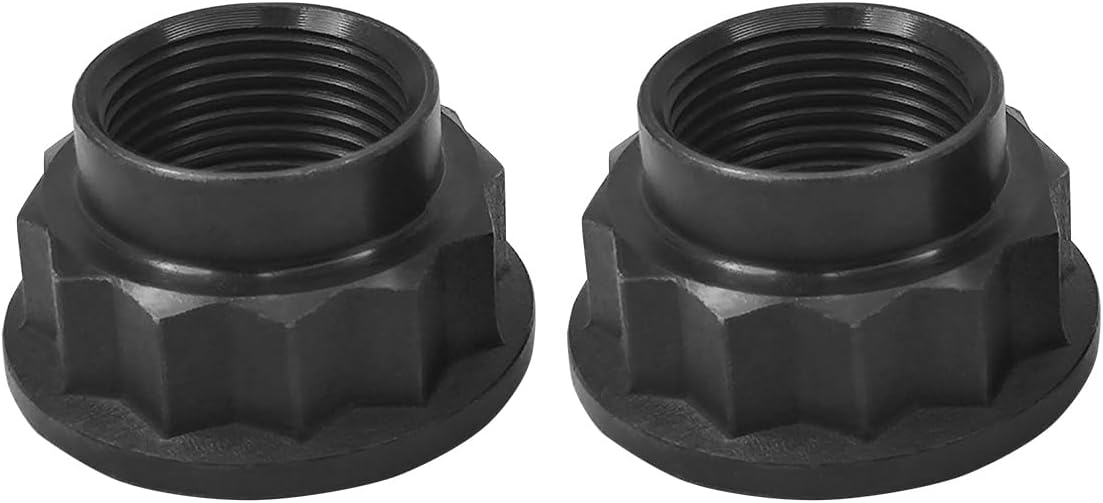
This pair of front axle shaft nuts is designed to secure CV joints and wheel bearings on compatible Toyota and Lexus front drive axles. Built from heat-treated carbon steel for durability and corrosion resistance, it helps maintain proper torque and reliable power transfer. It is a direct replacement for several factory part numbers and is recommended for paired replacement.

FOXWELL NT201 is an easy-to-use OBD2 scanner designed to help drivers quickly read and clear check engine codes, view live engine data, and check emissions readiness. Its color screen, one-key I/M readiness test, and broad compatibility with most gasoline vehicles since 1996 make it a practical tool for everyday diagnostics and maintenance. With plug-and-play operation and lifetime free updates, it offers a simple way to understand vehicle issues without expensive shop visits.
Which 4Runner Should You Buy? Pros, Tradeoffs & Inspection Priorities
Choose by intended use first, then narrow the search by condition and trim. The generation name is only the starting point.
| Your priority | Generation to start with | Why | What could change the decision |
|---|---|---|---|
| Collectible design or removable roof | First | Unique pickup-based body and removable rear roof | Severe rust, missing roof hardware, or poorly executed modifications |
| Compact classic with useful road manners | Third | Smaller size, improved chassis, and practical V6 option | Frame condition and neglected suspension or cooling-system work |
| Factory V8 or towing-focused used SUV | Fourth | Only generation with an available V8 and a roomier cabin | Maintenance history, rust, 4WD faults, and fuel-cost priorities |
| Proven modern platform and broad used selection | Fifth | Long production run, familiar V6, and multiple off-road trims | High asking price, trail damage, poor modifications, or missing records |
| Newest safety, technology, torque, or hybrid option | Sixth | Modern platform, turbo power, available hybrid, and updated driver aids | Budget and limited long-term reliability evidence |
[Products Worth Considering]

These grille retainer clips provide a reliable replacement for the OEM Toyota 90467-12040 part number, helping restore secure body panel attachment on compatible vehicles. Designed for a tight push-in fit, they are made from durable black nylon to resist wear, corrosion, and cracking during everyday use. This set of 10 is ideal for keeping spare clips on hand for grille and trim repairs.

This wheel alignment tool makes it easy to check and adjust toe-in and toe-out at home for better handling, stability, and more even tire wear. Designed for one-person use, it includes tape-measure slots for simple setup and accurate measurements without extra help. Its stainless steel construction and broad vehicle compatibility make it a practical addition to any DIY garage.

This enhanced OBD2 scanner helps drivers quickly diagnose check engine light issues, read and clear trouble codes, and check emissions readiness before a smog test. It also adds EVAP and O2 sensor testing, live data, freeze frame capture, and a one-click battery health check in a simple plug-and-play tool with a bright color screen.
Used 4Runner Pre-Purchase Checklist
- Inspect the frame and underbody: Look for scaling rust, perforation, bent brackets, crushed skid plates, leaks, and fresh coatings that may hide corrosion.
- Verify the drivetrain: Confirm whether it is 2WD, part-time 4WD, or full-time 4WD. Test high range, low range, center-lock, rear-locker, and terrain systems that are actually fitted.
- Review maintenance records: Match receipts to the VIN and mileage. Pay attention to cooling-system work, fluid services, suspension repairs, and engine-specific scheduled maintenance.
- Check modifications: Inspect lifts, wheels, tires, bumpers, winches, wiring, and skid plates for correct installation, rubbing, alignment problems, and overloaded suspension.
- Scan for codes: A warning light that is temporarily cleared can return after a complete drive cycle. Use a proper scan tool and confirm emissions-monitor readiness.
- Check recalls by VIN: Use the NHTSA recall lookup and arrange any open recall repair through a Toyota dealer.
- Get an independent inspection: A Toyota-experienced technician should inspect the vehicle before money changes hands, especially for older or modified examples.
Frequently Asked Questions
How Many Generations of Toyota 4Runner Are There?
There are six Toyota 4Runner generations: 1984–1989, 1990–1995, 1996–2002, 2003–2009, 2010–2024, and 2025–present. The sixth generation began with the 2025 model year.
Which 4Runner Generation Is Best?
There is no single best generation for every buyer. The third generation suits buyers who want a compact classic, the fourth is the only choice for a factory V8, the fifth offers the longest modern production history, and the sixth provides the newest powertrain, safety, and technology. Vehicle condition and maintenance history can matter more than generation.
Which 4Runner Generation Had a V8?
Only the fourth-generation 4Runner, sold for the 2003–2009 model years, offered a factory V8. The available engine was a 4.7-liter V8. Output varied during the generation, so verify specifications by exact year.
What Changed With the 2025 4Runner?
The 2025 model started the sixth generation. It introduced the TNGA-F platform, a standard turbocharged 2.4-liter four-cylinder, an available i-FORCE MAX hybrid, an eight-speed automatic, Toyota Safety Sense 3.0, and new Trailhunter and Platinum grades.
Is the Fifth- or Sixth-Generation 4Runner Better?
The fifth generation is the more established used choice because it ran from 2010 through 2024 with a familiar 4.0-liter V6. The sixth is more powerful, more efficient in some configurations, and more technologically advanced, but it has less long-term reliability data. The better choice depends on whether you value proven history or newer capability and features.
Can I Swap Engines Between Different 4Runner Generations?
A cross-generation engine swap is possible as a custom fabrication project, but it is not a simple bolt-in upgrade. Mounts, transmission compatibility, wiring, immobilizer systems, ECU communication, cooling, exhaust, gauges, emissions equipment, and local registration rules may all require engineering. Confirm the complete plan with a qualified swap specialist before buying parts.
Are Factory Hardtops Compatible Across Generations?
No. The removable factory rear roof is a first-generation feature. Later 4Runners use fixed steel bodies, so their roofs are not interchangeable with the first generation or with one another as removable hardtops.
What Aftermarket Lift Sizes Fit Without Extensive Mods?
There is no universal lift height that fits every 4Runner generation without additional work. Compatibility depends on the suspension design, trim, wheel offset, tire size, alignment range, brake lines, driveshaft angles, load, and kit design. Use the lift manufacturer’s exact year-and-trim fitment instructions and have the final setup aligned and inspected.
Which Generations Accept Modern Infotainment Retrofits Easily?
Fourth- and fifth-generation models have broad aftermarket support, but installation difficulty varies by factory amplifier, navigation system, steering-wheel controls, camera, and trim. Earlier generations may need custom mounting or wiring. Sixth-generation systems are more integrated, so verify compatibility before replacing factory equipment.
How Do Insurance Rates Vary by 4Runner Generation?
Insurance rates cannot be predicted accurately from generation alone. The driver’s record, location, annual mileage, coverage limits, vehicle value, trim, theft data, repair cost, safety equipment, and insurer all affect the quote. Compare premiums using the exact VIN before buying.
Conclusion
The Toyota 4Runner evolved through six generations without abandoning body-on-frame construction. The first generation is the removable-roof classic, the third is a compact used favorite, the fourth is the only V8 generation, the fifth is the established modern used choice, and the sixth introduces turbo and hybrid power with current safety and infotainment technology.
Before choosing one, decide how much you value size, towing, trail equipment, fuel use, technology, and long-term ownership evidence. Then buy on condition: inspect the frame and underbody, test the exact 4WD system, review service records, check the VIN for recalls, and obtain an independent pre-purchase inspection.