If your RAV4 is losing coolant, start by checking the reservoir, radiator, hoses, water pump, and cap for visible leaks, wet spots, or pressure build-up. Use a pressure tester, UV dye, and a block tester to find hidden seepage or combustion gases. Watch for white smoke, milky oil, or overheating that suggest a head gasket issue. Temporary sealant or hose clamping can get you to a shop, but plan for proper repairs and diagnostics. Keep reading for detailed steps and costs.
Quick Answer
- Check your coolant reservoir regularly. A steady drop means you have a leak somewhere.
- The most common leak sources on a RAV4 are the water pump, radiator, hoses, coolant bypass valve, and head gasket.
- Use a cooling-system pressure tester, UV dye, and a combustion-gas block tester to track down hidden leaks.
- White exhaust smoke, milky oil, or coolant loss with no visible leak often points to a blown head gasket.
- Temporary fixes like sealants and hose tape can buy time, but schedule a proper repair as soon as possible.
- Professional diagnostics typically cost $50 to $200+, while a head gasket replacement can run $1,000 to $2,500.
Quick Checks: Is Your RAV4 Losing Coolant?
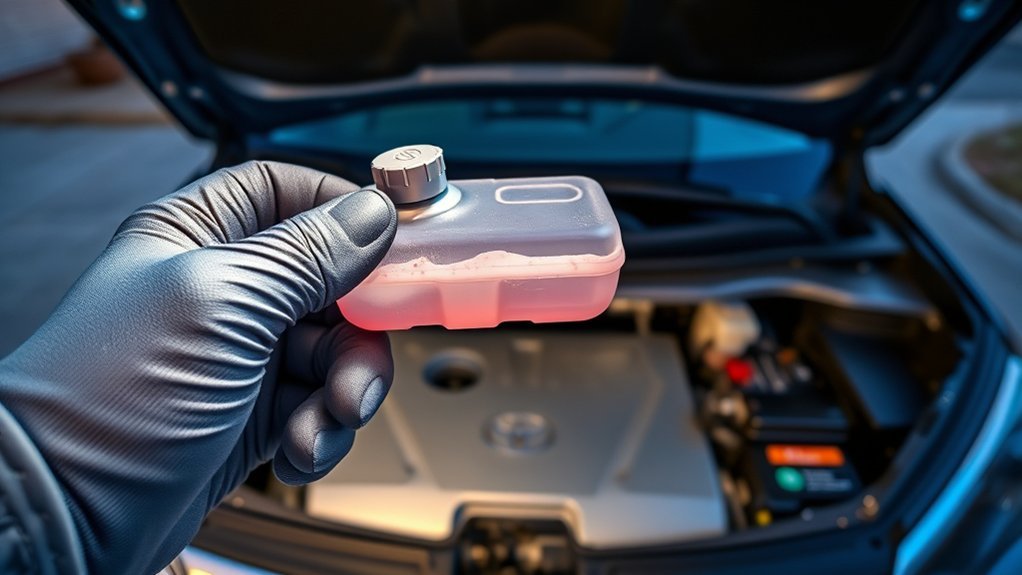
Think your RAV4 might be losing coolant? Start by checking the reservoir levels on a regular basis. A steady drop is a clear sign something is off.
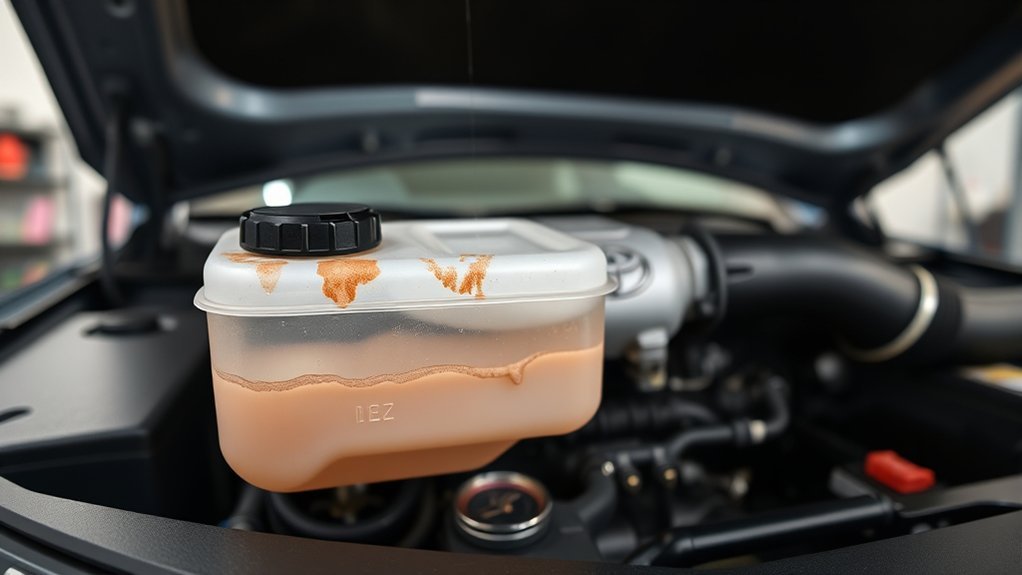
With the engine cool, look at the min/max marks on the reservoir and write down the level. Check again over the next few days to see if it keeps dropping. Look for overflow stains or persistent air bubbles on the reservoir itself. These can point to a faulty radiator cap or a head gasket problem.
Check under the parked vehicle for wet patches, especially near the radiator and along hose routes. That can help you spot a leak without taking anything apart.
If you open the coolant bottle after the engine has cooled and feel excessive pressure, pay attention. That pressure is a diagnostic clue that combustion gases may be getting into the coolant.
Use a cooling-system pressure tester to pressurize the system and reveal hidden leaks or trapped air pockets. Write down what you find, then decide whether you can handle hose clamps and cap replacements yourself or need a mechanic.
RAV4 Coolant Loss: Common Leak Sources
Now that you know the basic checks (reservoir monitoring, pressure testing, and visual inspections), it’s time to focus on where leaks most often start on a RAV4. Be systematic and prioritize parts that commonly fail.
The water pump can develop small weeps or shaft-seal leaks, especially on older units from the 2008 era. Radiator cracks or joint failures often dump coolant under the vehicle with little visible evidence under the hood. Upper and lower hose leaks may show up as slits or pinholes that only appear under pressure. The head gasket, particularly on the 2AD-FHV diesel engine found in some international-market RAV4s, can fail internally and hide symptoms. A faulty coolant cap will prevent the system from holding pressure and vent coolant to the overflow tank.
On 2019 to 2023 RAV4 (and Corolla) models, a known weak point is the coolant bypass valve. This plastic valve can crack and leak, triggering an “Engine Maintenance Required” warning on the dashboard. Toyota issued Customer Support Program 24TE04 in late 2024, offering free replacement of the valve on certain 2019 to 2021 RAV4s built before February 2021.
- Water pump: external seepage, bearing wear
- Radiator cracks: seams and core failures
- Hose leaks: aging, clamps, pinholes
- Head gasket and coolant cap: internal breaches and pressure loss
- Coolant bypass valve (2019–2023 models): cracking, coolant leak into electrical connector
Inspect each part methodically, document your findings, and replace anything that’s failing.
Find Hidden Leaks: Pressure, Dye & Block-Tester Methods
Start by pressurizing the cooling system with a radiator tester. Hold it at operating pressure and watch for drops that point to hose, radiator, or gasket leaks. If that doesn’t reveal anything, add a UV-reactive dye to the coolant, run the engine, then scan joints and components with a UV lamp to reveal hidden seepage. Use a block tester to sample coolant for combustion gases. Any color change in the test fluid indicates a possible head gasket or cylinder-leak issue.
Pressure Testing Procedure
You’ll use three complementary techniques: pressure testing, fluorescent dye inspection, and block testing. Together, they help you pinpoint hidden leaks and tell the difference between coolant loss and combustion contamination.
Attach a radiator pressure tester and a calibrated gauge, then pump to the system standard (about 15 psi for most RAV4s). Watch the gauge closely. Any steady drop signals a leak. Inspect the radiator, hoses, clamps, and fittings while the system is pressurized. Even small pinholes matter.
- Monitor the pressure gauge for at least 10 to 15 minutes to detect slow leaks.
- Visually scan seams and hose junctions while under pressure.
- Note any coolant seepage or wet trails that indicate leak points.
- If pressure holds, proceed to combustion checks to rule out head gasket failure.
UV Dye And Block-Tester
Small leaks and combustion contamination can look like intermittent coolant loss. By combining UV dye inspection with a block tester, you can pinpoint the source quickly and accurately.
Add a manufacturer-approved UV dye to the coolant, run the engine to operating temperature, then scan joints, hoses, the radiator, and the heater core with a UV lamp. Fluorescence reveals escape points that are otherwise invisible. Follow up with a block tester to sample the coolant for combustion gases. The presence of hydrocarbons points to a head gasket failure or cracked block.
Use a radiator pressure tester during or after these steps to raise system pressure and provoke marginal leaks. This triangulated method gives you solid evidence. It lets you target specific repairs rather than guessing or tearing things apart unnecessarily.
Is It the Head Gasket? Signs & Quick Tests
How can you tell if your RAV4’s coolant loss stems from a blown head gasket? Watch for these head gasket symptoms: persistent overheating, white exhaust smoke, oil that looks milky, or coolant disappearing without external leaks.
Do these quick tests to confirm:
- Run a compression test across all cylinders. A weak or leaking cylinder signals a gasket breach.
- Perform a chemical block test to detect combustion gases in the coolant. It’s fast and definitive.
- Watch the coolant reservoir for air bubbling while the engine runs. Bubbling suggests combustion gases are entering the cooling system.
- Pressure test the cooling system to reveal internal leaks if you can’t find external ones.
Monitor the coolant level and inspect the oil regularly. Early detection keeps repair options open. If your tests point to a failure, plan for professional repair. Head gasket replacement isn’t a temporary DIY workaround.
Temporary DIY Fixes (When They’re Safe)
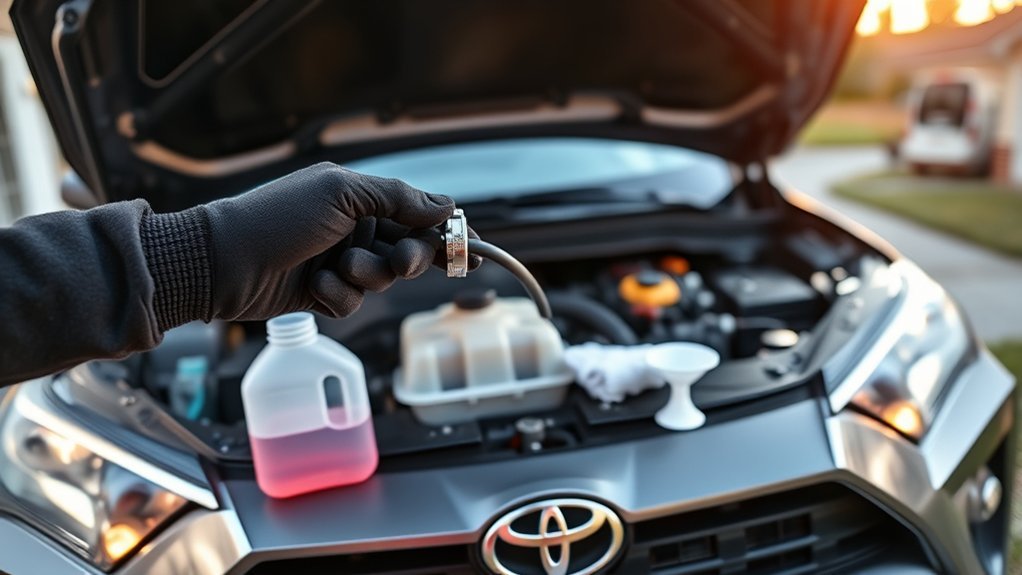
If you spot a small, external coolant leak and need to reach a shop, a temporary sealant can buy you time. Don’t treat it as a permanent fix. Only use it for minor radiator or housing leaks, and follow the product instructions carefully.
For short drives, you can wrap a cracked hose with duct tape or a hose clamp as a stopgap. Top up with a 50/50 coolant mix, but plan to replace the hose and flush the system soon. Always verify the issue with a pressure test and keep an eye on the temperature gauge while driving to avoid masking a serious failure.
When To Use Sealants
If you spot a small, well-contained coolant leak and can’t get to a mechanic right away, a commercial sealant can buy you time. It works by temporarily sealing pinholes in hoses or the radiator. Inspect and clean the area thoroughly, follow the product instructions exactly, and monitor coolant level and temperature closely afterward.
Use sealants only for minor, visible leaks with no signs of overheating or major mechanical failure. Pick the right sealant for your situation and follow the application tips to avoid clogging the system. This is a controlled, temporary measure. Plan a professional inspection as soon as you can.
- Clean the surface thoroughly for adhesion.
- Use manufacturer-recommended sealant formulations.
- Apply with the engine cool and follow cure times.
- Monitor coolant level and cabin/exhaust temperature continuously.
Temporary Radiator Repairs
Temporary radiator repairs can buy you some extra mileage, but they’re strictly stopgap measures. Only apply them to small, accessible leaks after the engine has fully cooled.
Use epoxy or commercial sealants like Radweld for pinpoint radiator matrix leaks. Follow product instructions, respect cure times, and pressure-test before driving. For hose failures, use hose clamps or heavy-duty tape as immediate containment, then monitor pressure and coolant level frequently.
Never work on a hot system. Burns and pressurized spray are real hazards. These tactics keep you from getting stranded, but they don’t restore system integrity. Schedule a professional inspection and permanent repair as soon as possible to avoid head gasket or engine damage. Track how long the temporary fix holds and replace it at the first sign of deterioration.
Safe Coolant Top-Ups
After using short-term radiator patches, you’ll often need to top up the cooling system to keep the engine at safe operating temperatures until a permanent repair is done.
Work with the engine cold. Check the reservoir and radiator cap, then add fluid carefully. Use a 50/50 mix of the correct coolant type and distilled water for the best freeze and boil protection. In emergencies, distilled water alone will do temporarily, but replace it with proper coolant as soon as possible. Don’t overfill. Leave room for thermal expansion, and inspect for fresh leaks that might suggest deeper failures like a head gasket issue.
- Only add fluid when the engine is cold to avoid burns and false readings.
- Prepare a 50/50 coolant and distilled water blend.
- Avoid overfilling the reservoir.
- Monitor levels and inspect for leaks.
What a Mechanic Will Diagnose: Costs & Expectations
A mechanic will start with a visual inspection and a pressure test to pinpoint leaks and check the cooling system’s integrity. Expect the pressure test to run about $50 to $100 depending on local shop rates.
You’ll get clear repair expectations: hoses, radiator, clamps, and overflow lines are checked first. If combustion gases are entering the coolant, they’ll run a chemical or compression test. Those diagnostics can reach $200 or more. A suspected head gasket raises costs significantly. Replacement typically runs $1,000 to $2,500 depending on parts and labor.
| Procedure | Typical Cost |
|---|---|
| Pressure test | $50–$100 |
| Visual inspection | Often included |
| Chemical/compression test | $100–$200+ |
| Coolant flush | $100–$150 |
| Head gasket replacement | $1,000–$2,500 |
Expect transparent steps, itemized quotes, and timelines so you can make an informed decision.
Preventing RAV4 Coolant Loss: Maintenance Checklist
Staying ahead of slow coolant loss and costly repairs comes down to routine maintenance. Keep levels between the COLD and FULL marks, verify that the radiator cap seals properly and holds pressure, and replace contaminated fluid on schedule.
For newer RAV4 models using Toyota Super Long Life Coolant (SLLC), the first coolant replacement is typically at 100,000 miles or 10 years, then every 50,000 miles or 5 years after that. Older RAV4s may need coolant changes every 30,000 to 50,000 miles depending on the coolant type. Check your owner’s manual for the correct interval.
Monitor temperature regularly, watch for small drops in the reservoir, and catch hose degradation early. Inspect the reservoir each month and after long trips.
- Perform a visual reservoir inspection: confirm level, color, and absence of oil or debris.
- Test and replace the radiator cap if it fails to hold pressure or shows corrosion.
- Inspect hoses, clamps, and connections for cracks, soft spots, or seepage. Replace aging parts.
- Schedule coolant system flushes according to your owner’s manual and record service dates.
These steps help you catch problems early, reduce trips to the shop, and keep your cooling system in good shape for the long haul.
Frequently Asked Questions
What Is the Toyota Class Action Lawsuit About Coolant?
In 2024, a class action lawsuit (Barrientos v. Toyota) alleged that 2019 to 2023 RAV4 and Corolla models were equipped with defective coolant bypass valves prone to premature failure. The lawsuit claimed Toyota concealed the defect and refused to cover repairs under warranty. The case was voluntarily dismissed in August 2024. Shortly after, in December 2024, Toyota issued Customer Support Program 24TE04, which offers free replacement of the coolant bypass valve on certain 2019 to 2021 RAV4s manufactured before February 2021. If you own an affected model, contact your Toyota dealer to check eligibility.
Conclusion
You’ve now got a clear, step-by-step path: check the obvious spots like the reservoir and hoses first, then pressure-test and dye-scan hidden areas, and use a block tester before assuming head gasket failure. If you need to limp home, use only approved stop-leak and proper coolant as a temporary measure. A mechanic will confirm with compression and leak-down tests and give you cost options. Keep up with scheduled flushes and hose inspections to keep your RAV4 running cool for the long run.