What’s in This Article
- Why the GR Supra Fuel System Matters
- Key Components of the Supra Fuel System
- How Fuel Moves: Pickup, Jet Return Flow, and Surge Behavior
- Planning Supra Fuel for Power Goals: Pumps, Lines, Injectors
- Factory vs Aftermarket Parts: What to Change First
- Installation and Wiring Best Practices to Avoid Failures
- Troubleshooting Fuel Starvation, Vapor Lock, and Ethanol Corrosion
- Frequently Asked Questions
- Conclusion
A weak fuel system can turn a strong GR Supra build into a lean, risky setup fast. under boost, hard cornering, or ethanol fuel use, the engine needs steady pressure and enough flow at every injector. This guide explains how the Supra fuel system works, what parts matter most, and how you can plan upgrades without creating new failure points.
Quick Answer
A reliable GR Supra fuel system must keep fuel pressure and flow stable under boost, cornering, and high heat. For higher power goals, you usually need more pump flow, larger injectors, E85-rated hoses, safe wiring, and a surge control plan. Match every part to your power target and fuel type before you tune the car.
Key Takeaways
- Plan pump, injector, line, and regulator upgrades as one matched system.
- Use E85-rated hoses, seals, fittings, and pumps if you run ethanol blends.
- Keep fuel pressure stable with proper pickup, return, and surge control.
- Upgrade wiring and grounds before you demand more current from larger pumps.
- Pressure-test the system after installation to catch leaks before driving hard.
Why the GR Supra Fuel System Matters
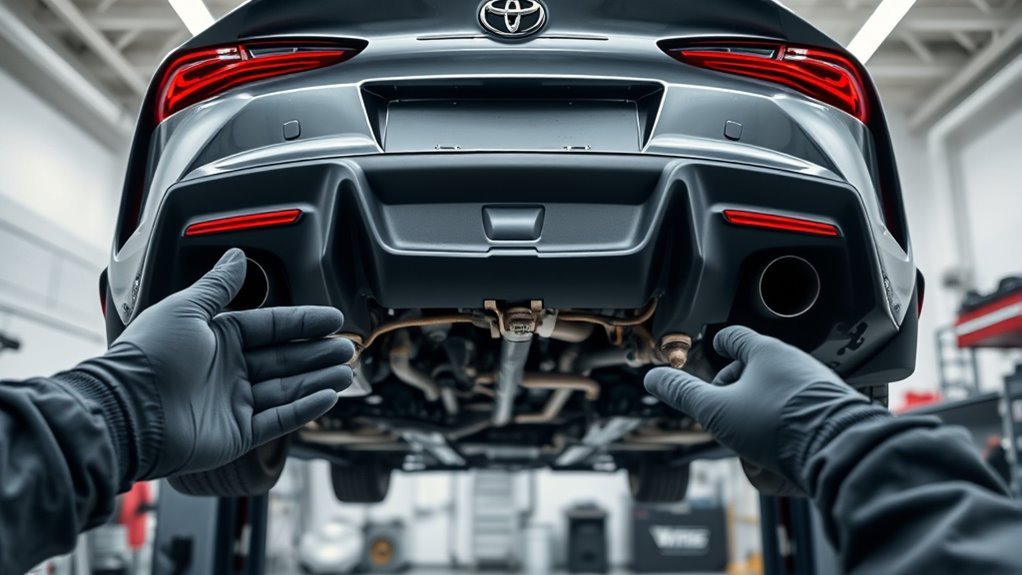
The GR Supra engine depends on precise, high-volume fuel delivery when you raise boost or run the car hard. A stable fuel system helps prevent lean conditions during high-RPM pulls, track use, and hard cornering.
You need enough flow and steady pressure before you chase major power gains. A dual pump arrangement with a surge tank or swirl pot can keep fuel supply more stable during lateral load. E85 compatibility raises fuel demand, so you need ethanol-safe hoses, fittings, seals, and pumps.
Install quality hardware, pressure-test the system, and tune fuel maps to match the setup. That keeps your Supra powerful, safe, and more reliable on the street or track.
Key Components of the Supra Fuel System
A strong Supra fuel system works as a chain, not as one single part. The engine control unit (ECU) manages sequential fuel injection, while the pumps, lines, regulator, rail, and injectors keep fuel moving at the right pressure.
High-capacity pumps, such as common Walbro-style upgrade pumps, can add flow for higher power builds. A surge tank or swirl pot helps stop air from reaching the rail when fuel sloshes away from the pickup.
The fuel rail feeds matched injectors that suit your power goal, fuel type, and spray needs. A fuel pressure regulator helps maintain target rail pressure, so the injectors can atomize fuel in a more stable way.
Note: Confirm your exact Supra model, engine, and fuel system layout before buying parts, since factory and aftermarket setups can vary.
How Fuel Moves: Pickup, Jet Return Flow, and Surge Behavior
The factory pickup draws fuel from the tank, but low fuel level can expose the pickup during hard acceleration or cornering. Many drivers keep about a quarter tank or more during hard use to reduce starvation risk.
Jet pump and return flow can help move fuel back toward the pickup area. A surge tank adds a small reserve before the rail, which helps reduce air ingestion during high-G maneuvers.
Fuel Pickup Location
The fuel pickup location affects how well fuel reaches the pump under acceleration, braking, and cornering. A good pickup design keeps the pump fed and lowers the chance of aeration or pressure drop.
Check pickup depth, baffling, and the way the pickup works with any surge tank or jet system. Poor placement can uncover the pickup, stress the pump, and reduce fuel output.
| Item | Effect |
|---|---|
| Pickup depth | Submersion |
| Baffles | Stability |
| Surge tank | Reserve |
| Fuel level | Starvation risk |
| Jet plumbing | Distribution |
Jet Pump Action
A jet pump uses flow from the main pump circuit to help move fuel inside the tank. That action can draw fuel from one area and send it back toward the pickup area.
This design helps the main pump stay supplied during moderate load changes. Low fuel level can reduce this effect and raise the risk of starvation.
Model variations can change the exact layout, so confirm your car’s hardware before upgrading. If you want stronger protection during sustained high-performance driving, consider a surge tank or improved baffling.
Surge And Starvation
When you push a Supra hard, fuel shifts inside the tank. The pickup, jet flow, return flow, and any surge tank must work together to keep injectors fed.
If the pump draws air, the engine can stumble, run lean, or lose power. A surge tank gives the system a small fuel reserve during lateral or forward g-force.
Keep lines clear, filters clean, and hoses free from kinks. Those simple checks help preserve flow and protect pump life.
Warning: Do not keep driving hard if fuel pressure drops, since a lean condition can damage the engine.
Planning Supra Fuel for Power Goals: Pumps, Lines, Injectors
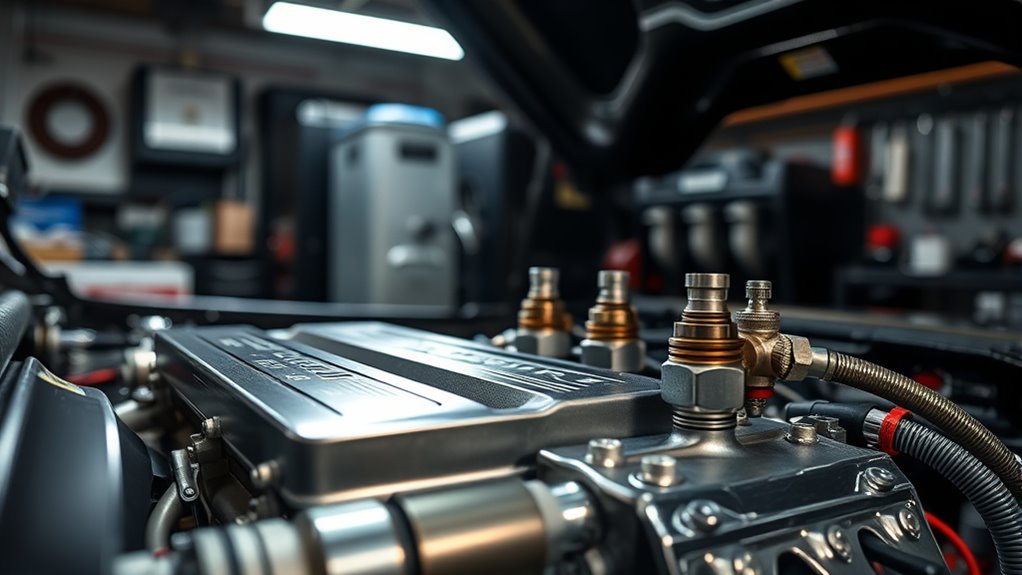
Plan your Supra fuel system around your power goal, fuel type, and duty cycle. A setup for pump gas will not need the same flow as an E85 build.
For high-power builds, many owners use dual high-flow pumps, larger feed and return lines, matched injectors, and a surge tank. A common layout uses a -8AN feed and -6AN return, but your tuner should size the system for your exact build.
Choose injectors with enough flow at your target duty cycle and fuel pressure. Confirm the wiring can support pump current during long pulls, hot weather, and track sessions.
Pro tip: Size the fuel system for your next power goal, not only the power level you run today.
Factory vs Aftermarket Parts: What to Change First
The stock fuel pump can become a limit when you raise boost, add larger injectors, or switch to ethanol blends. Start with fuel delivery, because more airflow without more fuel can create a lean condition.
After pump capacity, inspect the rail, regulator, hoses, fittings, and wiring. A strong pump still fails to help if the rest of the system restricts flow or creates voltage drop.
Stock Pump Limitations
Many stock fuel systems support mild power gains, but they may not support high-horsepower goals with enough safety margin. If your build targets major gains, upgrade fuel delivery before you push the tune.
Common upgrade paths include high-flow in-tank pumps, dual pump setups, larger injectors, and ethanol-safe fuel lines. A surge tank can also help keep pressure stable under hard cornering and launch loads.
| Component | Benefit | Notes |
|---|---|---|
| Stock pump | Factory fit | Best for mild goals |
| High-flow pump | More flow | Match to fuel type |
| Dual pump setup | More capacity | Requires strong wiring |
| Surge tank | Stable pressure | Helps prevent lean events |
Prioritize Fuel Delivery
Match fuel components to your power goal and chosen fuel. If you chase more than mild gains, upgrade pump flow before you rely on larger injectors or higher boost.
Next, add an aftermarket rail, proper feed and return lines, and a regulator that supports stable pressure. Replace hoses and fittings with high-pressure, E85-compatible hardware if you run ethanol blends.
- Upgrade pump flow before aggressive tuning.
- Match injector size to fuel type and power target.
- Use ethanol-safe lines, seals, and fittings for E85.
- Inspect filters and lines during routine service.
Installation and Wiring Best Practices to Avoid Failures
When you install and wire the Supra’s fuel system, use secure, E85-compatible connections and fuel-safe wiring. Good parts can still fail when clamps, grounds, or routing fall short.
Follow disciplined fuel pump maintenance and wiring practice. Use quality hose clamps, E85-rated hoses and fittings, and sealed bulkhead fittings at the pump hanger.
Route harnesses away from heat, sharp edges, and moving parts. Control pump voltage only with hardware and tuning that suit the pump design and your engine management setup.
- Use E85-compatible hoses, clamps, and bulkhead fittings.
- Install fuel-safe wiring, secure grounds, and protected harnesses.
- Use pump control methods that match your parts and ECU setup.
- Pressure-test the system before you drive under boost.
Troubleshooting Fuel Starvation, Vapor Lock, and Ethanol Corrosion
Fuel starvation, vapor lock, and ethanol corrosion can undo a strong build. Start diagnosis with fuel pressure, pump voltage, filter condition, and line routing.
Check pickup position and keep enough fuel in the tank during hard use. Inspect the jet pump, baffling, return flow, and any surge tank if pressure drops under load.
Route fuel lines away from exhaust and other heat sources. Use heat-resistant hoses where needed, and look for crimps, leaks, or blocked filters that cut flow.
Ethanol blends can demand more fuel flow than gasoline and can attack parts that lack ethanol compatibility. Use compatible pumps, hoses, seals, and filters, then inspect them on a set schedule.
- Check fuel pressure during idle, cruise, and boost.
- Inspect filters for debris or restriction.
- Test pump voltage at the pump, not only at the relay.
- Look for heat soak near fuel lines and rails.
- Verify that all ethanol-contact parts suit your fuel blend.
Frequently Asked Questions
How Does a Toyota Fuel Pump Work?
An electric fuel pump pressurizes fuel and sends it from the tank toward the injectors. The system uses pressure control, filters, and fuel lines to keep delivery stable as engine load changes.
How Does a Toyota Fuel Cell Work?
A fuel cell stores fuel in a sealed container built for performance or racing use. Pumps, pickups, foam, and baffles help control fuel movement and reduce starvation during hard driving.
Can You Run E85 on a Stock Supra Fuel System?
You should not assume the stock system can support E85 at higher power levels. Ethanol usually needs more fuel flow, and every hose, seal, pump, and injector must suit the blend you plan to run.
What Are Signs of Fuel Starvation in a Supra?
Common signs include hesitation, lean air-fuel readings, fuel pressure drops, misfires, or power loss during cornering or hard pulls. Stop hard driving and test the system before you make more boost runs.
Do Larger Injectors Need a Tune?
Yes, larger injectors need proper calibration. Your tuner must adjust injector data, fuel maps, and pressure targets so the engine gets the right fuel amount.
Conclusion
Your Supra fuel system works best when every part supports the same power goal. Start with stable pump flow, safe wiring, clean filters, and the right injector size for your fuel. Then add surge control and ethanol-safe hardware if your build needs them. Build the fuel system with care now, and your Supra will reward you with safer, steadier power later.