If your Toyota Tacoma drifts to one side, has a crooked steering wheel, vibrates at speed, or wears tires unevenly, wheel alignment should be near the top of your checklist. Alignment problems are common after potholes, curb hits, off-road driving, suspension wear, lift-kit changes, or running incorrect tire pressure. The key is to catch the symptoms early, because a small alignment issue can quickly turn into poor handling, shorter tire life, and more expensive repairs.
Quick Answer
The most common Toyota Tacoma misalignment signs are pulling to one side, an off-center steering wheel, uneven or feathered tire wear, steering vibration, squealing tires, and handling that feels loose or unstable. Check tire pressure first, then schedule a professional alignment inspection if the symptoms remain.
Key Takeaways
- A Tacoma that pulls left or right on a flat road may have misalignment, uneven tire pressure, tire damage, brake drag, or worn suspension parts.
- Uneven tire wear, especially one-sided shoulder wear or feathering, is one of the strongest clues that the wheels are not tracking correctly.
- Off-road driving, potholes, curb impacts, beach sand, lift kits, worn shocks, and tired suspension bushings can all knock alignment out of spec.
- Tire rotation helps even out normal wear, but it will not fix a bad camber, caster, or toe setting.
- Get an alignment checked after major impacts, suspension work, new tires, steering changes, or anytime the truck no longer tracks straight.
At a Glance
| Time Required | 5–10 minutes for a basic driveway check; about 45–90 minutes for a professional alignment service |
| Difficulty | Easy to spot symptoms; professional equipment is needed to measure and correct alignment accurately |
| Tools Needed | Tire pressure gauge, tread depth gauge, flashlight, flat road for a short test drive |
| Cost | Free for basic checks; professional alignment pricing varies by shop, region, and whether suspension repairs are needed |
Identifying Causes of Misalignment in Your Tacoma
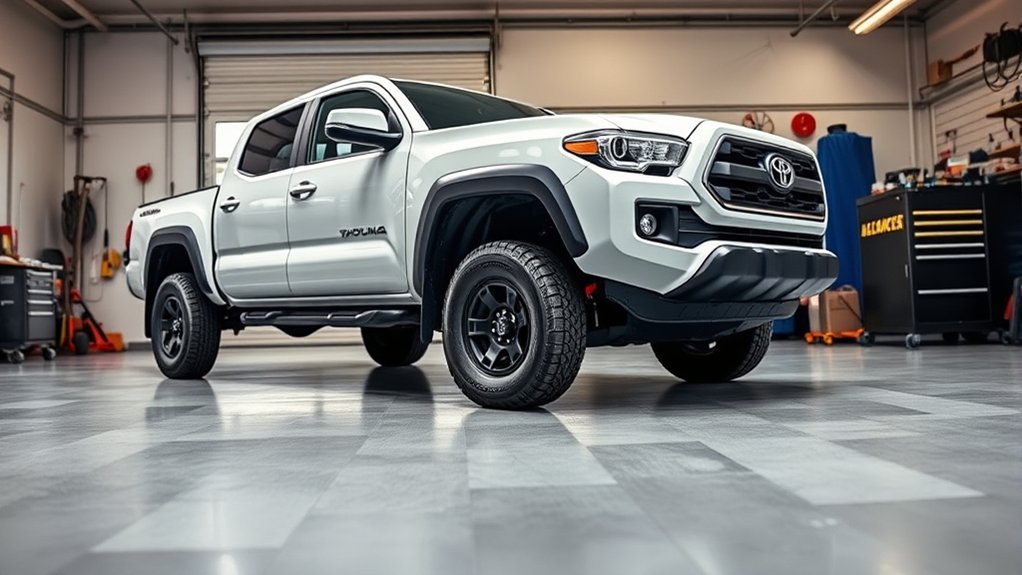
When your Toyota Tacoma starts pulling to one side, the issue is not always the alignment itself. Misalignment is a common cause, but tire pressure, tire damage, worn suspension parts, brake drag, and even road crown can create similar symptoms. Start with simple checks, then move toward a professional inspection if the problem continues.
Common causes of Tacoma misalignment include:
- Potholes and curb hits: A hard impact can change toe, camber, or caster angles.
- Off-road driving: Rocks, ruts, washboard roads, and deep trail impacts put extra load on steering and suspension parts.
- Worn suspension components: Ball joints, tie rods, bushings, shocks, struts, and leaf spring hardware can all affect how the wheels sit and track.
- Lift kits or leveling kits: Any ride-height change should be followed by an alignment because suspension geometry changes when the truck is raised.
- Uneven tire pressure: A low tire can make the Tacoma drift or pull even when the alignment is acceptable.
- Recent tire or wheel changes: New tires, different wheel sizes, or larger off-road tires can reveal existing alignment problems.
Note: Toyota tells owners to check tires for uneven wear, including excessive wear on one side of the tread. That kind of wear is a strong reason to inspect tire pressure, suspension condition, and alignment together. See the official Toyota Tacoma tire inspection guidance.
[Products Worth Considering]

Kit Includes: 2 Front Inner Tie Rods; 2 Front Lower Control Arms with Ball Joints; 2 Front Outer Tie Rods; 2 Front Steering Rack & Pinion Bellows; 2 Front Sway Bar Links; 2 Front Upper Control Arms with Ball Joints
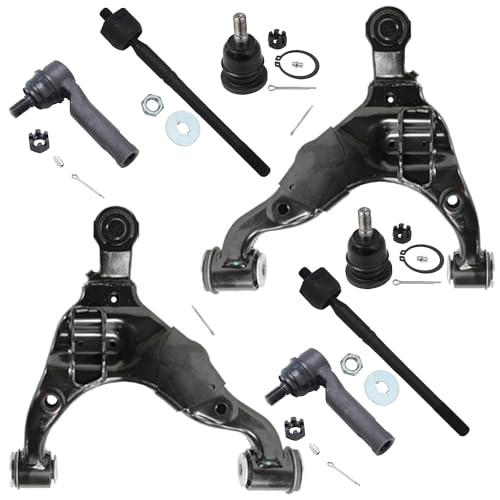
Control Arms Kit Replacement for 2016 2017 2018 2019 2020 2021 2022 2023 Toyota Tacoma

【Suitability】Fit for [Toyota] 2016 - 2022 Tacoma
How to Identify Symptoms of Misalignment
Misalignment changes how your Tacoma’s tires meet the road. Because of that, the first warning signs usually show up in the steering wheel, tire tread, and the way the truck tracks on a straight road.
Signs of Vehicle Drift
If your Tacoma pulls left or right while driving on a flat, straight road, alignment may be off. You may feel like you have to hold steady pressure on the wheel just to keep the truck centered in the lane. A small amount of drift can happen because of road crown, wind, or uneven pavement, but steady pulling on multiple roads deserves attention.
| Symptom | What It May Mean | What to Check First |
|---|---|---|
| Pulls to one side | Possible alignment issue, tire pressure problem, brake drag, or tire damage | Tire pressure, visible tire damage, road conditions |
| Crooked steering wheel | Toe angle may be off, or the steering wheel was not centered during a previous alignment | Whether the truck tracks straight on a flat road |
| Steering wheel vibration | Possible tire imbalance, tire damage, bent wheel, worn suspension, or alignment-related tire wear | Tire balance, tire wear pattern, wheel damage |
| Loose or wandering steering | Possible caster issue, worn steering parts, or suspension wear | Tie rods, ball joints, bushings, shocks |
Uneven Tire Wear Patterns
Uneven tire wear patterns are among the clearest indicators of misalignment in a Toyota Tacoma. One edge of a tire may wear faster than the other, or the tread blocks may feel smooth in one direction and sharp in the other. That sharp/smooth pattern is often called feathering and is commonly linked to toe problems.
Watch for these tread clues:
- Inner or outer shoulder wear: One side of the tread is wearing faster than the rest.
- Feathering: Tread blocks feel rounded on one edge and sharp on the other.
- Cupping or scalloping: Dips appear around the tread, often from worn shocks, imbalance, or suspension issues.
- One side of the truck wearing faster: Tires on the left or right side wear more quickly than the opposite side.
- Fast wear on new tires: New tires begin showing uneven wear soon after installation.
NHTSA’s TireWise guidance recommends monitoring tire pressure, tread condition, tire rotation, balance, and alignment as part of tire safety. For a Tacoma, this matters even more if you tow, carry loads, drive off-road, or use all-terrain tires.
Steering Wheel Misalignment Issues
A crooked steering wheel while driving straight is a classic alignment warning. The truck may still go straight, but the steering wheel sits slightly left or right. This can happen when toe settings are off or when the steering wheel was not centered properly during a previous alignment.
Steering wheel vibration is different. Vibration often points to tire balance, a bent wheel, damaged tire, or worn suspension part. However, misalignment can create uneven tire wear that later causes vibration, so it should not be ignored.
Warning: If your Tacoma suddenly pulls hard to one side, feels unstable, shakes badly, or makes grinding or clunking noises, do not treat it as a simple alignment issue. Pull over safely and have the truck inspected before continuing to drive.
Quick Driveway Check Before Booking an Alignment
Before paying for an alignment, do a few quick checks. These steps will not replace a professional alignment rack, but they can help you avoid misdiagnosing a simple tire issue.
- Check tire pressure when the tires are cold. Use the pressure shown on the driver-side door placard, not the maximum pressure printed on the tire sidewall.
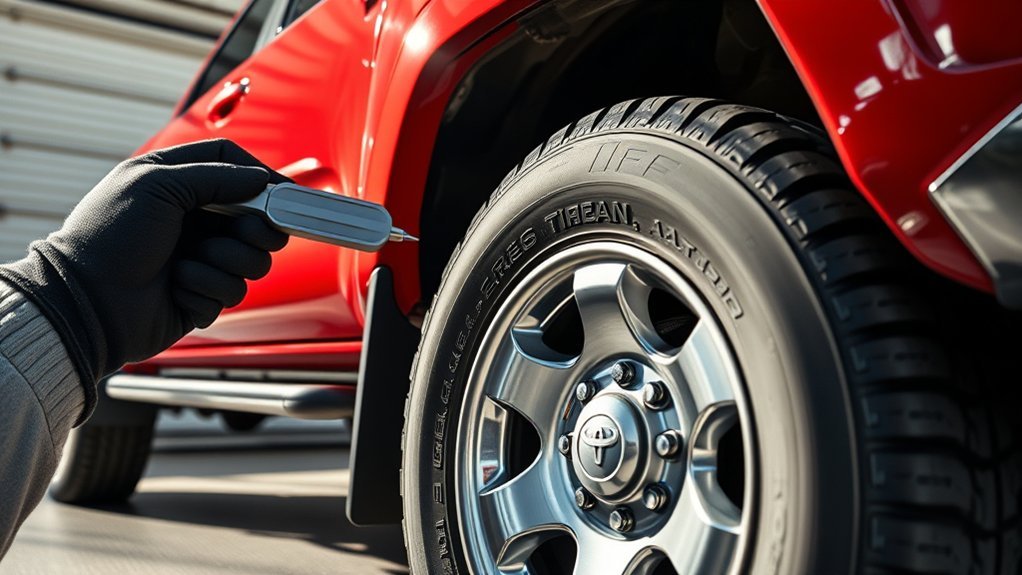
- Inspect all four tires. Look for uneven shoulder wear, nails, sidewall bubbles, tread separation, or one tire that looks lower than the others.
- Measure tread depth. Compare the inner, center, and outer tread on each tire.
- Look at the steering wheel on a flat road. If it sits off-center while the truck tracks straight, alignment should be checked.
- Listen for noises. Grinding, humming, clicking, or clunking can point to wheel bearings, CV joints, brakes, or suspension parts instead of alignment alone.
- Review recent events. Note any pothole hits, curb contact, trail impacts, new tires, lift-kit installation, or suspension work.
Pro Tip: Take clear photos of your tire wear before visiting a shop. Photos help the technician see whether the wear is mainly on the inner shoulder, outer shoulder, center tread, or in a cupped pattern.
How Misalignment Affects Your Tires
Misalignment makes tires scrub across the road instead of rolling cleanly. Over time, that extra friction causes heat, noise, and uneven tread wear. It can also reduce grip in wet weather and make the truck feel less predictable during braking or cornering.
[Products Worth Considering]
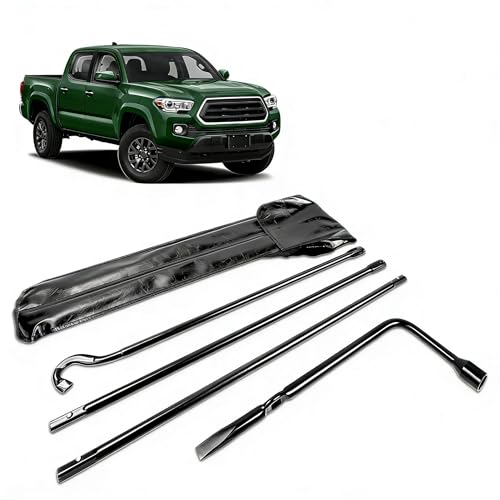
【Applicable Models】:Compatible with 2005-2022 Tacoma

Wrench Size:The Socket Size is 21mm,pls kindly confirm if the size is the same before order.
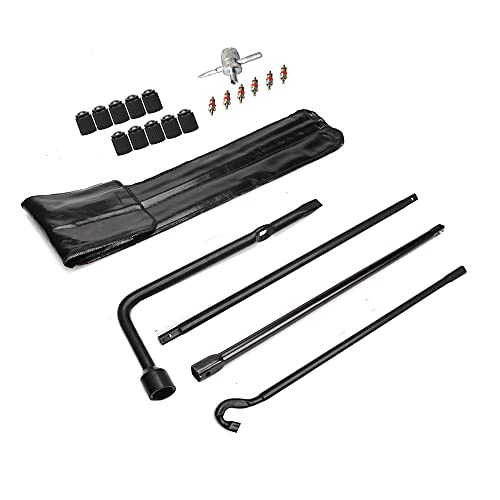
Premium OEM Upgraded Quality Spare tire tool: Stable strong rustproof automotive grade steel,tubing instead of soil designed made it more light,not only stong but also convenient.
Uneven Tire Wear Patterns
When misalignment occurs, one part of the tire may carry more load than it should. That is why one shoulder can wear faster than the center or the opposite shoulder. Tire rotation can move that wear to another position, but it will not correct the underlying alignment angle.
Rapid Tire Deterioration
A Tacoma that pulls to one side may be scrubbing the tires every mile. The more aggressive the tires, the more noticeable this can become. All-terrain and mud-terrain tires can also make alignment-related noise easier to hear, especially if feathering or cupping develops.
| Symptom | Possible Effect |
|---|---|
| Steering wheel vibration | Uneven tire wear, imbalance, bent wheel, or worn suspension parts may worsen ride quality |
| Vehicle pulls to one side | Tires can scrub instead of rolling straight, increasing wear |
| Uneven tire wear | Traction, braking feel, and tire life can be reduced |
Reduced Tire Lifespan
Even brand-new tires can wear quickly if they are installed on a misaligned truck. This is why it is smart to inspect alignment when replacing tires, especially if the previous set had one-sided wear. Michelin notes that uneven tire wear and changes in steering response, including pulling to one side, are reasons to have alignment inspected.
Why You Shouldn’t Ignore Steering Wheel Issues
A crooked or vibrating steering wheel is more than an annoyance. It can signal an issue that affects control, tire wear, and suspension health. If the steering wheel is off-center, you may start making small corrections without noticing. Over time, that makes the truck feel tiring to drive and less stable at highway speeds.
Ignoring steering symptoms can also hide other problems. A worn tie rod, loose ball joint, failing wheel bearing, or dragging brake can feel like an alignment issue at first. That is why a good inspection should include the tires, wheels, brakes, steering linkage, and suspension before the final alignment adjustment.
Why Regular Wheel Alignment Checks Matter
Regular wheel alignment checks help your Tacoma handle predictably and keep the tires wearing evenly. This is especially useful if you drive on rough roads, tow, haul, use oversized tires, or take the truck off-road.
A practical schedule is to have alignment checked:
- After hitting a curb, pothole, rock, or trail obstacle hard enough to jar the truck
- After installing new tires
- After lift-kit, leveling-kit, steering, or suspension work
- When the steering wheel is off-center
- When the truck pulls, wanders, or feels unstable
- When tire wear becomes uneven
- About once a year if the truck sees rough use, heavy towing, or frequent off-road driving
For routine tire maintenance, follow Toyota’s maintenance schedule for your specific model year and driving conditions. The official Toyota Tacoma Warranty & Maintenance Guide is the best place to confirm the service intervals that apply to your truck.
How Driving Conditions Impact Alignment in Your Tacoma
The Tacoma is built for truck duty, but alignment angles can still change when the suspension takes repeated impacts. Rough roads, trails, and beach driving can all speed up wear on parts that help hold alignment.
Off-Road Driving Effects
Off-road driving can stress your Tacoma’s tie rods, ball joints, control arms, leaf springs, shocks, and bushings. Rocks, washouts, ruts, and sudden suspension compression can change how the wheels sit. After a hard trail run, check for uneven steering, new noises, visible tire damage, and a steering wheel that no longer sits straight.
If your Tacoma has a lift kit, leveling kit, aftermarket upper control arms, or oversized tires, alignment becomes even more important. Ride-height changes affect suspension geometry, and some trucks may need additional parts to bring caster and camber into a proper range.
Beach Driving Challenges
Beach driving adds a different set of problems. Soft sand increases rolling resistance, and saltwater can speed corrosion on exposed suspension and steering parts. Sand can also collect around underbody components, especially after repeated trips.
| Challenge | Impact on Alignment and Tire Wear |
|---|---|
| Soft beach terrain | Increases load on tires and suspension |
| Sand buildup | Can hide leaks, damage, or worn components during quick inspections |
| Saltwater exposure | Can corrode suspension hardware and make future adjustments harder |
| Lowered tire pressure for sand | Helpful off-road, but tires must be reinflated before highway driving |
| Frequent beach trips | Make post-trip rinsing and suspension checks more important |
Wheel Alignment vs. Tire Balancing: What’s the Difference?
Wheel alignment and tire balancing are often confused, but they fix different problems.
- Wheel alignment adjusts the wheel angles so the tires meet the road correctly and the truck tracks straight.
- Tire balancing corrects uneven weight in the tire and wheel assembly to reduce vibration.
Misalignment commonly causes pulling, uneven tire wear, an off-center steering wheel, or poor tracking. Imbalance commonly causes vibration at certain speeds, especially through the steering wheel or seat. A Tacoma can have both problems at the same time, so a shop may recommend balancing and alignment if the symptoms overlap.
| Issue | Typical Symptoms | Common Fix |
|---|---|---|
| Misalignment | Pulling, off-center wheel, uneven tire wear | Professional alignment adjustment |
| Tire imbalance | Vibration at certain speeds | Wheel and tire balancing |
| Worn suspension | Clunking, wandering, cupped tires, unstable handling | Repair worn parts, then align |
| Bad wheel bearing | Growling or humming noise that changes with speed | Inspect and replace bearing if needed |
[Products Worth Considering]

Camber Bolts OE Numbers: The cam plate toe adjust bolts correspond to OE numbers 48409-35050 and 48452-35020, ensuring a direct match with the quality and specifications of original equipment.

Thx for your suggestions, we updated the material and finish of the bolts (Oct. 5, 2023).
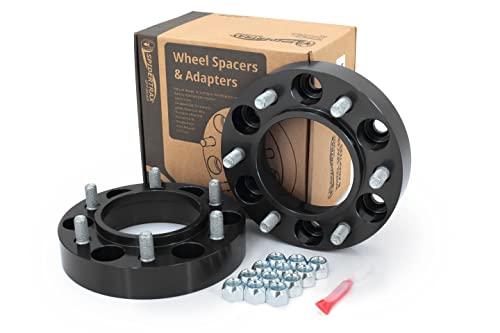
Spidertrax 1.25" thick, 6 on 5.5" bolt-on design for front and rear late model Toyota axles.
What Happens During a Wheel Alignment?
During a wheel alignment, a technician measures the wheel angles with alignment equipment and compares them with factory specifications. The main angles are toe, camber, and caster.
- Toe: Whether the front of the tires points slightly inward or outward when viewed from above. Toe problems are a major cause of feathered tire wear.
- Camber: Whether the top of the tire leans inward or outward when viewed from the front. Camber problems can create inner or outer shoulder wear.
- Caster: The forward or rearward tilt of the steering axis. Caster affects straight-line stability and steering return.
Before adjusting anything, a good shop should inspect for loose or worn parts. Aligning a truck with worn ball joints, bad tie rods, damaged control arms, or failing bushings will not hold for long. After the adjustments, the technician should confirm that the steering wheel is centered and the Tacoma tracks straight on a road test.
A proper alignment is not just “straightening the wheels.” It is a suspension-angle correction that helps the tires contact the road evenly and the truck steer predictably.
Debunking Common Wheel Alignment Myths
Misconceptions about wheel alignment can lead to wasted money and unsafe driving. Here are the myths Tacoma owners should ignore.
Myth: Alignment Is Only Needed After a Big Impact
A pothole or curb hit can cause immediate misalignment, but normal wear can also change alignment slowly. Bushings, shocks, ball joints, and steering parts all age over time.
Myth: Tire Rotation Fixes Alignment Problems
Tire rotation helps spread normal wear across all four tires. It does not correct toe, camber, or caster. If the truck is misaligned, rotated tires can begin wearing unevenly in their new positions too.
Myth: You Can Align a Modern Truck Accurately at Home
Basic DIY checks can reveal symptoms, but a proper alignment needs precise measuring equipment and the correct specifications. Guesswork can make the problem worse.
Myth: A Crooked Steering Wheel Is Only Cosmetic
An off-center wheel can point to toe problems or an incomplete previous alignment. It can also make the truck feel less predictable on long drives.
How to Maintain Proper Alignment After Service
After your Tacoma has been aligned, protect that service by keeping up with tire and suspension checks. Small habits can help the alignment last longer.
- Keep tire pressure correct. Use the tire placard on the driver-side door jamb and check pressure when the tires are cold.
- Rotate tires on schedule. Follow the maintenance guide for your model year and driving conditions.
- Inspect tread monthly. Look for one-sided wear, feathering, cupping, cuts, or bulges.
- Rinse after beach or mud driving. Clean sand, salt, and mud from the underbody and suspension area.
- Check alignment after hard impacts. Do not wait for tire wear to become severe.
- Repair worn parts before alignment. Bad tie rods, ball joints, bushings, or shocks can keep the truck from holding alignment.
- Get an alignment after suspension changes. Lift kits, leveling kits, control arms, and steering repairs should be followed by an alignment check.
Note: If your Tacoma still pulls after a professional alignment, ask the shop to inspect tire conicity, brake drag, wheel bearings, bent wheels, and worn suspension parts. Not every pull is caused by alignment.
Frequently Asked Questions
How can I tell if my Tacoma alignment is really bad?
Strong warning signs include a truck that pulls on a flat road, a steering wheel that sits crooked while driving straight, fast one-sided tire wear, feathered tread, poor steering return, or unstable highway handling. If the symptoms appeared after a hard impact, schedule an inspection soon.
How often does a Toyota Tacoma need an alignment?
There is no single mileage interval that fits every Tacoma. Have alignment checked when the truck pulls, the steering wheel is off-center, tires wear unevenly, new tires are installed, suspension work is performed, or the truck hits a pothole, curb, or trail obstacle. Annual checks are smart for trucks used on rough roads or off-road trails.
Can bad alignment cause steering wheel vibration?
Alignment can contribute to vibration by causing uneven tire wear, but vibration is more often linked to tire imbalance, bent wheels, damaged tires, loose suspension parts, or worn wheel bearings. If the steering wheel shakes, inspect the tires and wheels as well as the alignment.
How do I tell if a Tacoma wheel bearing is bad instead of the alignment?
A bad wheel bearing often causes a humming, growling, or grinding noise that changes with vehicle speed. You may also feel vibration or looseness. Alignment problems usually show up as pulling, off-center steering, and uneven tire wear. A technician can check bearing play, tire condition, and suspension parts during inspection.
Should I get an alignment after lifting my Tacoma?
Yes. A lift kit or leveling kit changes suspension geometry, so alignment should be checked after installation. Some lifted Tacomas may also need aftermarket upper control arms or additional adjustment range to bring caster and camber where they should be.
Can tire pressure make my Tacoma pull to one side?
Yes. A low tire on one side can make the truck drift or pull even if the alignment is acceptable. Always check cold tire pressure before assuming the truck needs alignment work.
Conclusion
A properly aligned Tacoma should track straight, steer predictably, and wear its tires evenly. If your truck drifts, pulls, vibrates, or shows uneven tread wear, start with tire pressure and a visual inspection, then have the alignment and suspension checked if the symptoms remain. Staying ahead of alignment problems helps protect your tires, steering components, and confidence behind the wheel.
Sources
- Toyota Owners — 2024 Tacoma Tires — tire inspection, treadwear indicators, and uneven wear checks
- Toyota Tacoma Warranty & Maintenance Guide — official maintenance reference for Tacoma owners
- NHTSA TireWise — tire pressure, tread, rotation, balance, alignment, and tire safety guidance
- AAA — Guide to Vehicle Wheel Alignment and Suspension — alignment symptoms, suspension angles, and inspection guidance
- Michelin — Handling Problems: Pulling to One Side — tire wear and pulling symptoms related to alignment