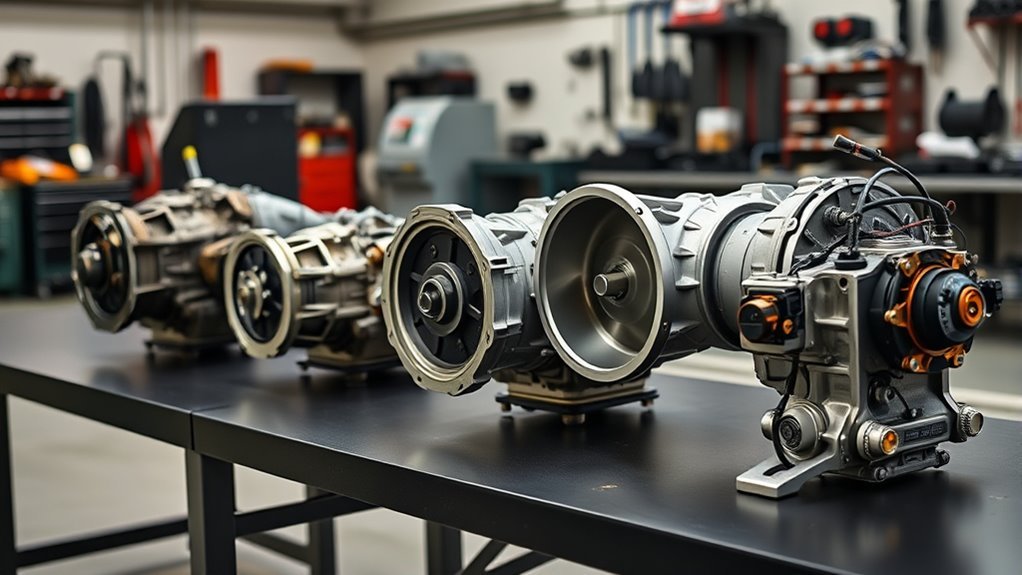
Your driving style dictates which Supra generation and transmission best serves your needs. Early models offer tactile manual control, while modern iterations provide refined automatic efficiency. This guide covers how to align your performance goals with the right Toyota Supra gearbox.
Quick Answer
If you want raw tactile control, look for manual-equipped Mk1 through Mk4 models. If you prioritize consistent performance and daily driving convenience, the Mk5’s 8-speed automatic provides superior responsiveness and modern reliability.
Which Supra Transmission Is Right for You?
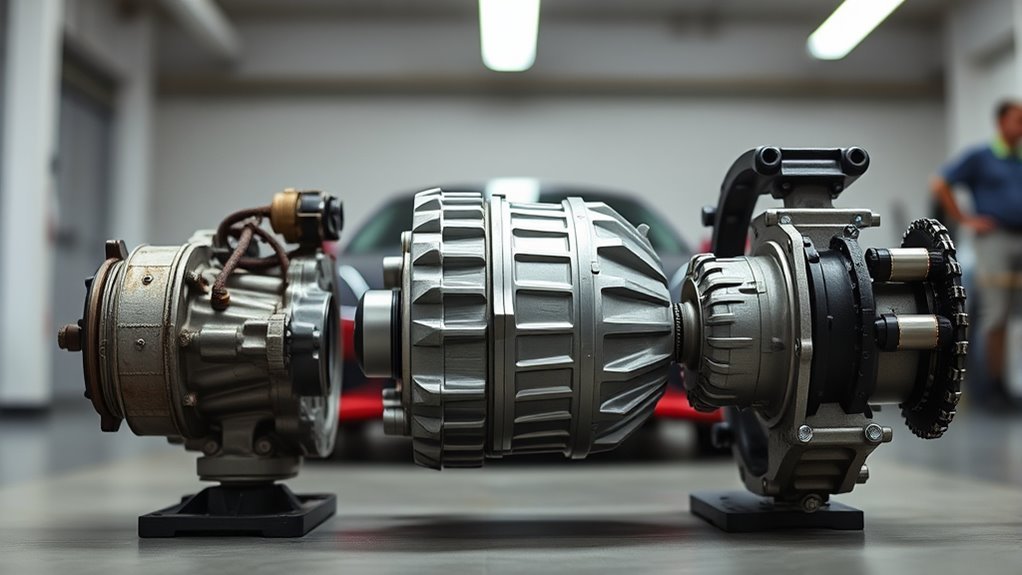
Selecting a transmission requires balancing mechanical longevity against your driving preferences. Manual gearboxes in generations produced between 1979 and 1998 provide a direct mechanical connection to the engine. These units reward spirited driving and often last for decades when owners follow proper maintenance schedules. Automatics offer relaxed commuting and consistent shifts if you keep the fluid clean.
The Mk5 generation uses an 8-speed automatic that shifts performance expectations toward modern efficiency. While this unit removes the manual clutch pedal, it delivers lightning-fast gear changes and high-tech reliability. You must decide whether you value manual engagement or refined power delivery before choosing your ideal Supra.
Quick Overview: Transmission Options by Generation (Mk1–Mk5)
The Mk1 generation established a foundation with 5-speed manuals and 4-speed automatics. By the Mk3 era, Toyota focused on performance by offering 5-speed manuals for both naturally aspirated and turbo models. The modern Mk5 lineup exclusively uses a high-performance 8-speed automatic sourced from BMW.
Mk1: Manuals and Automatics
Toyota built the Mk1 Celica Supra for drivers who wanted a balance between engagement and comfort. You could choose between a 5-speed manual for precise input control or a 4-speed automatic for cruising. The manual rewards drivers who enjoy shifting gears, while the automatic simplifies driving in heavy traffic.
| Transmission | Role |
|---|---|
| 5-speed manual | Driver engagement |
| 4-speed automatic | Daily comfort |
Mk3: Turbo Manual Options
The Mk3 turbo era introduced the 5-speed manual as the primary choice for performance enthusiasts. When paired with the 232-hp engine, this transmission allows for a 0–60 mph sprint of about 6.1 seconds. Manual gearboxes allow for precise rev-matching, which helps you exploit the turbo power band. If you crave feedback, the manual’s direct connection combined with the Toyota Electronic Modulated Suspension creates a highly responsive platform.
Mk5: BMW-Sourced Automatics
The Mk5 Supra uses an 8-speed automatic tuned for track-ready performance. Paddle shifters allow you to command shifts manually, and the gearbox responds instantly to inputs. This setup helps the 382-hp 2021 GR Supra reach 60 mph in roughly 3.9 seconds. Although the absence of a manual pedal frustrates some purists, this transmission provides accessible power and confidence for modern driving.
| Aspect | Feature | Effect |
|---|---|---|
| Source | BMW 8-speed | Reliability |
| Control | Paddles | Quick shifts |
| Result | 382 hp variant | 3.9s 0–60 |
Mk1 (1978–1981): Manuals and Automatics
The Mk1 Supra (1978–1981) used transmission choices to define its character. You can choose the 5-speed manual for better acceleration or the 4-speed automatic for daily ease. The manual provides a mechanical feel that makes early U.S. models popular with collectors. Remember that older gearboxes require frequent fluid changes to remain reliable. Weigh your desire for control against the need for comfort before you finalize your choice.
Mk2 (1982–1985): 5‑Speed Manuals vs. Upgraded Automatics
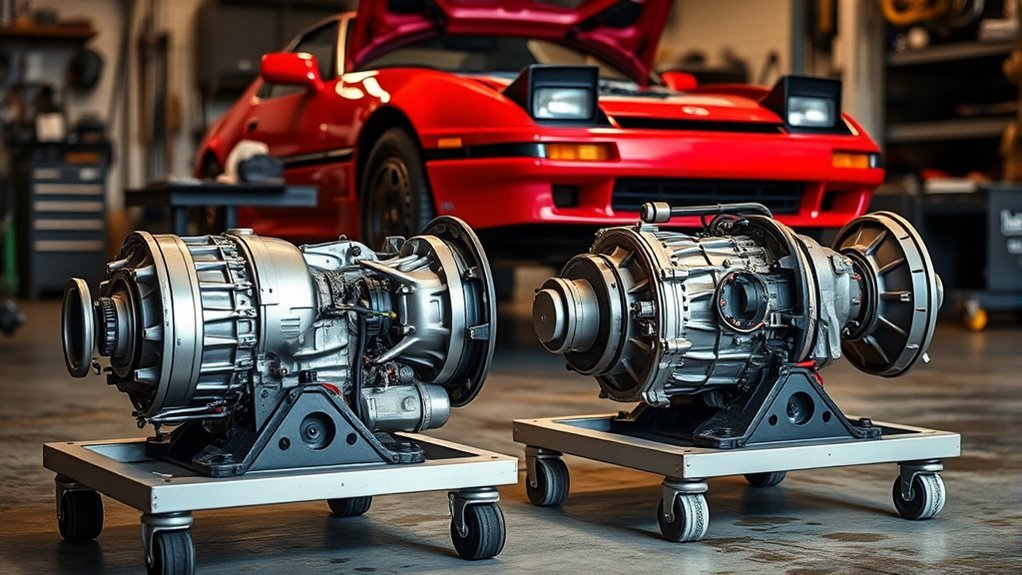
The Mk2 5-speed manual provides a sharp connection to the 2.8L inline-six engine. This makes it the top choice for drivers who value performance above all else. The upgraded 4-speed automatic features Electronic Controlled Transmission technology for smoother, more consistent shifts in city traffic. This system adapts to your throttle input to provide better comfort without sacrificing the car’s balance.
Manual Transmission Advantages
The Mk2 5-speed manual offers a direct driving experience that avoids electronic interference. Because manual gearboxes contain fewer components, they often weigh less than automatics. This reduced mass improves your car’s handling and acceleration.
- Direct control: You choose the ratios to extract maximum power from the engine.
- Feedback: Tactile shifts keep you connected to the road.
- Efficiency: Lighter hardware aids in fuel economy and cornering balance.
Automatic Upgrade Features
The Mk2’s 4-speed automatic with Electronic Controlled Transmission (ECT) brought modern adaptability to the Supra line. You will appreciate the ECT system when driving in stop-and-go traffic. It adjusts shift points based on how hard you press the gas pedal. This transmission trades a slight amount of peak power for a more predictable and relaxed ride. Always consult a qualified mechanic if you notice inconsistent shifting patterns in older ECT units.
Mk3 (1986–1992): Performance Trans Choices
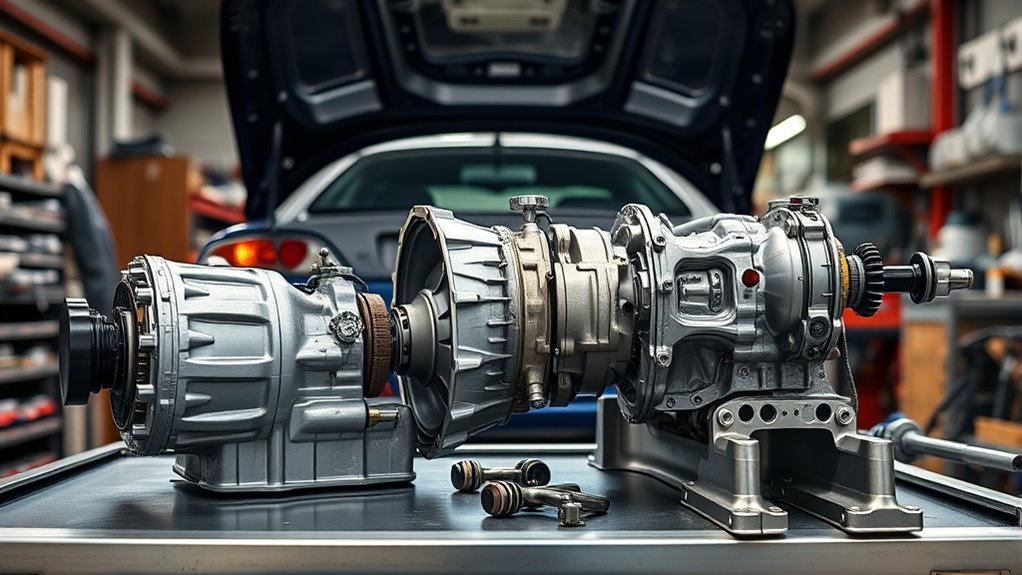
Toyota offered a five-speed W58 manual and a four-speed automatic for the Mk3 Supra. The manual provides crisp shifts for the 232-hp turbo models, while the strengthened automatic handles the increased torque of the turbocharged engine. Before buying, consider if you plan to use the car for track days or highway cruises. Stronger automatics help you exploit turbo performance without risking premature transmission wear.
Mk4 (1993–1998): Getrag 6‑Speed vs. Toyota 4‑Speed
The Mk4 Supra features two very different transmission personalities. The legendary Getrag 6-speed manual is famous for its extreme durability and high power capacity. It is the standard for enthusiasts who want to modify their cars for high output. The Toyota 4-speed automatic focuses on comfort and ease, though it is not ideal for high-power tuning projects. Choose the Getrag if you want to grow your build, or the automatic if you want a reliable daily cruiser.
Gears & Real‑World Acceleration
Transmission technology has improved drastically across the five Supra generations. Older 4-speed boxes often limited performance during acceleration, while modern 8-speed units use tighter gear ratios to keep the engine in its power band. This progress shows in 0–60 mph times, which dropped from about 10 seconds in the early years to roughly 4 seconds in the latest models.
Reliability & Common Failure Points
Each transmission type carries specific maintenance requirements. Manuals often suffer from clutch wear if owners drive them aggressively, while synchros may degrade over high mileage. Automatics risk overheating if the cooling system is not kept in top shape. The Mk5’s 8-speed is reliable, but it relies on complex electronics that require professional diagnostic tools. Consult a transmission specialist if you plan to push your Supra beyond factory power levels.
Buying Checklist
Inspect any potential purchase thoroughly before you commit. A clear service history for the transmission is vital for peace of mind.
- Check the clutch condition and bite point for manual models.
- Review transmission fluid history for automatic gearboxes.
- Verify that all mounts and bellhousings are in good shape if you intend to perform an engine swap.
Frequently Asked Questions
Can I Daily-Drive a Mk4 With a Modified Getrag 6-Speed?
Yes. You can drive a modified Mk4 daily, provided you upgrade the cooling system and use a clutch rated for street use. Regular maintenance is necessary to ensure long-term reliability.
Are Supra Transmission Rebuild Kits Widely Available?
Yes. Most parts for the W58 and common automatic units are available through specialized suppliers. Costs vary depending on whether you choose OEM components or upgraded aftermarket parts.
Which Transmission Swaps Require ECU Modifications?
Swapping a manual into a car that originally used an automatic often requires ECU reprogramming to resolve shift error codes. You will also need to wire the reverse light and neutral safety switches.
Do Any Generations Offer Factory Limited-Slip Differential Options?
Yes. Many turbo and performance trims came with factory limited-slip differentials. These improve traction during cornering and help put power to the pavement effectively.
How Do Transmission Warranties Transfer Between Private Owners?
Factory warranties rarely transfer between private parties. Always confirm the remaining warranty status with the manufacturer and get the documentation in writing before you complete your purchase.
Conclusion
Your choice of transmission changes how your Supra feels on every drive. Whether you select the classic tactile feel of a manual or the modern performance of an automatic, ensure the unit fits your specific goals. Schedule a test drive today to feel the difference for yourself. A well-maintained gearbox will keep your Supra running for years to come.