How to Open the Hood on a 2017 Toyota Camry Safely
Last updated: May 31, 2026
What’s in This Article
- How to Find the Hood Release Lever Inside Your Camry
- Before You Begin
- Step-by-Step Guide to Opening the Hood
- How to Use the Auxiliary Catch Lever
- Essential 2017 Toyota Camry Maintenance Tasks
- Stay Safe While Working Under the Hood
- Fluid Check Tips After You Open the Hood
- Resources for Learning More About Your Toyota Camry
You need the hood open before you can check oil, coolant, washer fluid, or a weak hood support. On a 2017 Toyota Camry, the process starts inside the driver’s area and ends at the front latch. Pull the hood lock release lever under the dashboard, move to the front of the car, lift the auxiliary catch lever, and raise the hood with care.
Quick Answer
To open the hood on a 2017 Toyota Camry, pull the hood release lever under the driver-side dashboard. The hood should pop up slightly. Then go to the front of the car, lift the auxiliary catch lever under the front edge of the hood, and raise the hood fully. Support it before you place your hands or tools in the engine bay.
Key Takeaways
- Start inside the car by pulling the hood lock release lever near the driver’s footwell.
- Use the auxiliary catch lever at the front of the hood to release the second lock.
- Park on a flat surface, turn the engine off, and set the parking brake first.
- Let a hot engine cool before you touch parts, caps, fans, belts, or hoses.
- Close the hood firmly and confirm it locks before you drive.
How to Find the Hood Release Lever Inside Your Camry
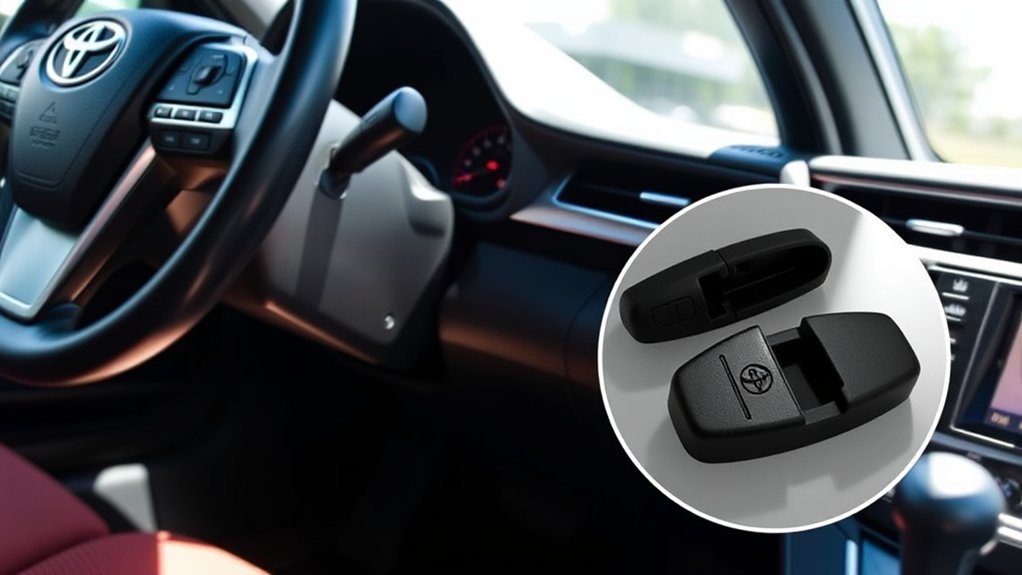
To access the hood of your 2017 Toyota Camry, sit in the driver’s seat and look below the dashboard on the driver’s side. The hood lock release lever sits near the lower kick panel and pedal area. Look for a small lever with a hood icon.
Pull the lever toward you with steady pressure. The hood should pop up slightly when the primary latch releases. If you hear the click but the hood does not rise, press down lightly on the front edge of the hood and pull the lever again.
This lever gives you basic access for checks such as oil level, coolant level, brake fluid, and washer fluid. It also helps you inspect the hood latch area if the hood feels loose or hard to close.
Before You Begin
Estimated total time: 1 to 3 minutes for normal hood access.
You do not need tools to open the hood on a 2017 Toyota Camry. You only need a safe parking spot, enough light, and clean hands or gloves. Use a flashlight if you need to check fluids in low light.
- Park the Camry on a flat surface.
- Shift into Park and set the parking brake.
- Turn the engine off before you open the hood.
- Let the engine cool if you drove recently.
- Keep loose clothing away from fans, belts, and pulleys.
Warning: Do not open coolant caps or reach near fans, belts, or hot parts while the engine bay remains hot.
Step-by-Step Guide to Opening the Hood
Follow these steps in order. Toyota’s owner manual describes the same basic process: release the lock from inside the vehicle, then lift the auxiliary catch lever at the hood.
- Park safely. Stop on level ground, shift into Park, set the parking brake, and turn the engine off.
- Find the hood release lever. Sit in the driver’s seat and look below the dashboard near the left side of the pedal area.
- Pull the lever. Pull it toward you until the hood pops up slightly.
- Move to the front of the car. Stand in front of the Toyota emblem and place your fingers under the front edge of the hood.
- Lift the auxiliary catch lever. Feel for the latch near the center area and move it gently until the hood releases.
- Raise the hood. Lift the hood with both hands and support it with the prop rod or the hood support struts, depending on your model.
- Check that the hood stays secure. Do not work under a hood that feels loose, weak, or unstable.
Locate Hood Release Lever
Finding the hood release lever on your 2017 Toyota Camry should take only a few seconds. Sit in the driver’s seat and look below the dashboard near the pedal area. The lever usually shows a small hood icon.
| Step | Location | Purpose |
|---|---|---|
| 1. Sit in driver’s seat | Under dashboard, near pedals | Locate release lever |
| 2. Pull lever | Near pedals | Release primary hood latch |
| 3. Approach front | Front of vehicle | Find auxiliary catch lever |
| 4. Lift hood | Under front hood edge | Open hood for access |
Open Secondary Hood Latch
After you pull the inside lever, go to the front of your Toyota Camry. The second latch helps keep the hood from opening by accident while you drive. Toyota calls this part the auxiliary catch lever.
- Stand at the center front of the hood.
- Place your fingers under the front hood edge.
- Feel for the auxiliary catch lever near the latch area.
- Move the lever with gentle pressure until the hood releases.
- Raise the hood and support it before you inspect the engine bay.
Do not force the latch if it feels stuck. Dirt, rust, cable stretch, or latch wear can make the release harder to move.
Safety Precautions Under Hood
Before you place your hands under the hood, create a safe work area. Park on a flat surface, set the parking brake, and keep the engine off. Let hot parts cool before you check fluids or touch caps.
Wear gloves if you plan to touch metal parts, caps, or fluid containers. Safety glasses also help protect your eyes from fluid spray, dust, and debris. Keep a flashlight nearby if shadows make labels hard to read.
How to Use the Auxiliary Catch Lever
After you pull the inside hood release lever, the hood rises just enough for your fingers to reach the latch area. Place your fingers under the front edge of the hood near the center. Find the auxiliary catch lever and move it until the hood releases.
Locate The Secondary Lever
The auxiliary catch lever sits at the front center area of the hood, close to the grille. It acts as a backup lock after the inside lever releases the main latch. Use a light touch because the lever does not need force when it works correctly.
- Confirm that you already pulled the inside release lever.
- Place your fingers under the front center edge of the hood.
- Feel for the latch or small lever behind the front edge.
- Move the lever gently to release the secondary catch.
- Lift the hood only after the latch fully releases.
Proper Finger Placement
Good finger placement helps you open the hood without pinching your hand. Keep your fingers under the front edge of the hood, away from the hinge area. Apply light upward pressure while you move the auxiliary catch lever.
If the lever does not move, stop and check your position. Forcing the hood can bend the latch or damage the cable. A stuck latch may need cleaning, lubrication, or service.
Fully Open The Hood
Once the auxiliary catch releases, lift the hood with both hands. If your Camry has a prop rod, place the rod in its correct slot before you work. If your model has hood support struts, confirm they hold the hood firmly.
- Raise the hood slowly and watch for sudden movement.
- Use the prop rod or hood supports before reaching inside.
- Keep your head and shoulders clear until the hood feels stable.
- Replace weak hood supports if the hood drops or sags.
- Close the hood fully after maintenance.
Before you drive, press down on the hood lightly and confirm it sits flush. Toyota warns that an unlocked hood can open while the vehicle moves and cause a serious crash.
Essential 2017 Toyota Camry Maintenance Tasks

Opening the hood gives you access to several basic maintenance checks. According to the 2017 Camry owner manual, the engine compartment includes the engine oil dipstick, oil filler cap, brake fluid reservoir, coolant reservoir, battery, radiator, cooling fans, and washer fluid tank.
Start with the engine oil level. Park on level ground, turn the engine off, and check the dipstick after the oil settles. Keep the oil level between the low and full marks.
Check coolant only when the engine cools. Look at the reservoir level, not the radiator cap, during a simple visual check. Low coolant can lead to overheating, so fix leaks or repeated drops quickly.
Brake fluid also needs a visual check. The reservoir has level marks, and low fluid can point to brake wear or a leak. If the level drops below the safe range, schedule service before you keep driving.
Top off windshield washer fluid as needed. Clear glass helps you see better in rain, dust, and winter road spray. Use the fluid type that fits your local weather.
Stay Safe While Working Under the Hood
Under-hood work looks simple, but hot parts and moving parts can injure you fast. Always keep the engine off before a basic visual check. If you must inspect a running engine, keep hands, hair, tools, and clothing far from belts and fans.
- Turn the engine off before you check fluids.
- Let hot parts cool before you touch caps or hoses.
- Wear gloves and safety glasses when fluids or debris may splash.
- Keep scarves, ties, sleeves, and long hair away from moving parts.
- Stop work if you see steam, smell fuel, or notice leaking fluid.
Toyota notes that electric cooling fans can start automatically under some conditions when the ignition stays on. Treat the fan area as a risk zone. Keep your hands out of that area unless the engine and ignition stay off.
Fluid Check Tips After You Open the Hood
When you’re under the hood, fluid checks can help you spot problems early. Start with engine oil because low oil can harm the engine. Pull the dipstick, wipe it clean, insert it again, and read the level.
Next, check the coolant reservoir while the engine stays cool. The level should sit between the marked lines on the reservoir. Do not loosen coolant caps while the engine or radiator remains hot.
Check the brake fluid reservoir from the outside if the plastic container lets you see the level. If the fluid looks very low, do not just top it off and ignore it. Ask a qualified technician to inspect the brake system.
Then check the windshield washer fluid tank. Fill it when the level looks low or when the warning light appears, if equipped. Washer fluid does not protect the engine, but it protects your view of the road.
What to Check After the Hood Is Open
You do not need to repair the engine every time you open the hood. A quick visual check can still catch small problems before they become costly. Look for leaks, loose caps, cracked hoses, low fluid levels, and battery corrosion.
- Look under the car for fresh fluid spots.
- Check that caps sit tight on fluid reservoirs.
- Scan hoses for cracks, swelling, or wet areas.
- Check the battery area for white or blue corrosion.
- Listen for unusual fan or belt noise after startup.
If you see steam, smell fuel, or notice a fast fluid leak, stop driving and get help. A small issue can become unsafe when heat, pressure, or brake fluid loss enters the problem.
Resources for Learning More About Your Toyota Camry
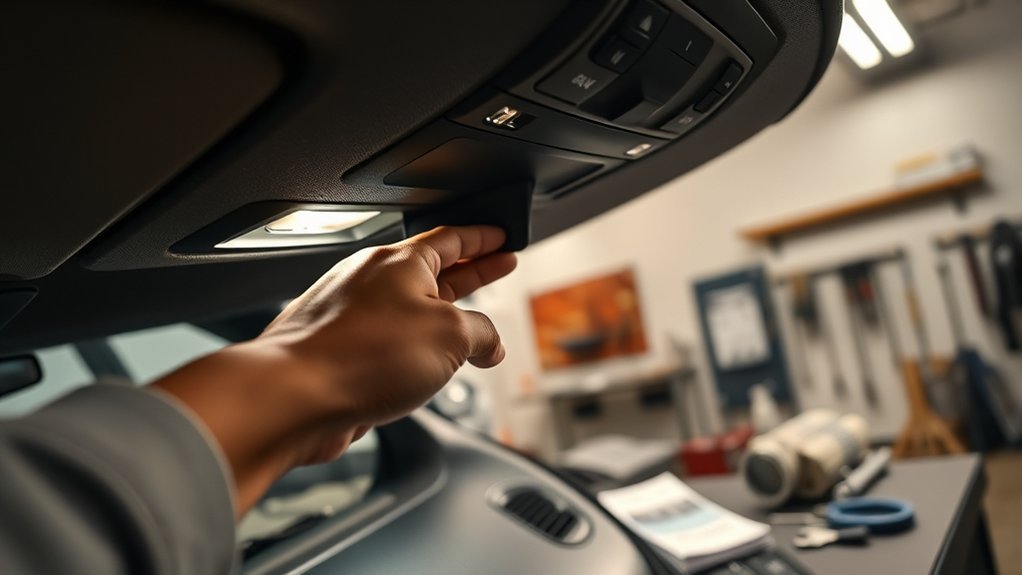
The best resource for your Camry is the owner manual for your exact model year. Toyota’s owner site provides manuals and warranty information for U.S. Toyota vehicles. The 2017 Camry manual also includes diagrams for the engine compartment and hood release process.
- 2017 owner manual: Use it for hood access, fluid locations, and safety warnings.
- Toyota owner website: Use it to find manuals and warranty details.
- Service schedule: Follow mileage and time intervals for routine maintenance.
- Toyota dealer or trusted mechanic: Ask for help when a latch, cable, or hood support fails.
- Hands-on video guides: Use them only as a supplement to the owner manual.
Use community forums with care. They can help you understand common owner problems, but they should not replace the manual or a trained technician.
Frequently Asked Questions
What Tools Do I Need to Open the Hood?
You do not need tools to open the hood on a 2017 Toyota Camry. You only need to pull the inside hood release lever, lift the auxiliary catch lever, and raise the hood safely.
Can I Open the Hood Without the Release Lever?
A broken release lever or cable can make hood access difficult. Do not pry the hood open because you can damage the latch, grille, or hood edge. Ask a mechanic to inspect the latch cable if the inside lever fails.
What if the Hood Won’t Stay Open?
Stop working under the hood if it will not stay open. Use the prop rod if your model has one, or replace weak hood support struts if your hood uses struts. A falling hood can hurt your head, hands, or shoulders.
How Do I Close the Hood Properly?
Remove tools, close all caps, and lower the hood with control. Let it latch from a short height or press down gently at the front center if needed. Check that the hood sits flush and does not lift at the corners.
Is It Safe to Work on the Engine When Hot?
No, a hot engine can burn your hands and release hot steam or pressurized coolant. Let the engine cool before you check fluids or touch caps. Never open a coolant cap while the engine or radiator remains hot.
Safety Disclaimer: This article is for informational purposes only and does not replace your owner manual or professional vehicle service. Always follow Toyota’s official guidance and consult a qualified technician if the hood latch, cable, cooling system, brakes, or hood supports do not work correctly.
Conclusion
Opening the hood on a 2017 Toyota Camry is simple once you know where the inside lever and auxiliary catch lever sit. Park safely, release the hood from inside, lift the front latch, and support the hood before you inspect anything. Use that access to check basic fluids and spot leaks, loose caps, or weak hood supports. Before you drive, close the hood firmly and confirm it locks. A careful one-minute check can help you keep your Camry safer and easier to maintain.
References
- 2017 Camry Owner’s Manuals and Warranties — Toyota Motor Sales, U.S.A., 2026
- 2017 Toyota Camry Owner’s Manual, OM33C64U — Toyota manual text archive, 2017
- 2017 Toyota Camry Hood Lift Support — Toyota Parts Overstock, Lakeland Toyota, 2026
- Toyota Camry Maintenance Schedule — Toyota of Des Moines, 2026
- 6 Essential Car Fluids and How to Check Them — Anderson Toyota, 2026