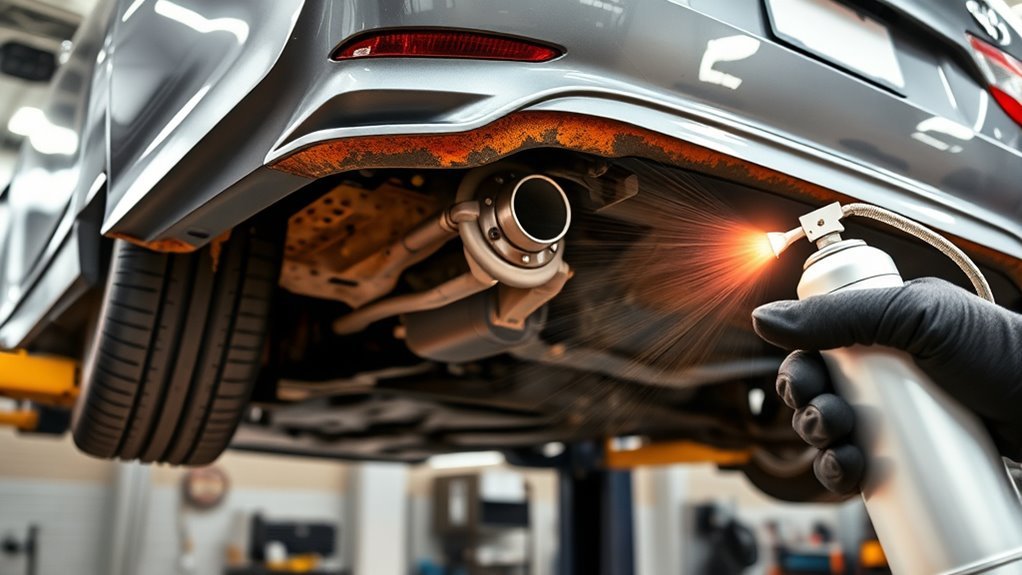
Rust on a Toyota Camry usually starts in predictable places: wheel wells, rocker panels, lower door seams, trunk seams, and the undercarriage. The best way to stop it is to remove salt and dirt often, repair paint chips quickly, protect hidden seams, and inspect the car before small surface rust becomes metal loss.
Quick Answer
To stop rust on your Camry, rinse the wheel wells and undercarriage after salt exposure, wash lower panels regularly, wax when water stops beading, touch up paint chips promptly, and inspect rocker panels, strut towers, door seams, and rear wheel arches twice a year.
Key Takeaways
- Salt, moisture, trapped mud, and paint chips are the main rust triggers on a Camry.
- The highest-risk areas are wheel arches, rocker panels, lower doors, trunk seams, strut towers, and underbody seams.
- Surface rust can often be cleaned, treated, primed, and painted; holes, soft metal, and structural rust need a body shop.
- Oil sprays, lanolin coatings, and cavity wax can help in winter regions, but they need inspection and reapplication.
- Keep receipts, photos, and inspection notes because documentation helps with resale and warranty conversations.
At a Glance
| Time Required | 20–45 minutes for inspection; 1–3 hours for small paint-chip or surface-rust repair |
| Difficulty | Easy for washing and inspection; moderate for sanding, priming, and touch-up paint |
| Tools Needed | Flashlight, microfiber towels, pH-neutral soap, hose or wash bay, plastic pick, gloves, eye protection, touch-up paint, primer, clearcoat |
| Cost | About $20–$80 for DIY supplies; more for professional cleaning, coating, or body repair |
How to Stop Rust on Your Camry: The Core Plan
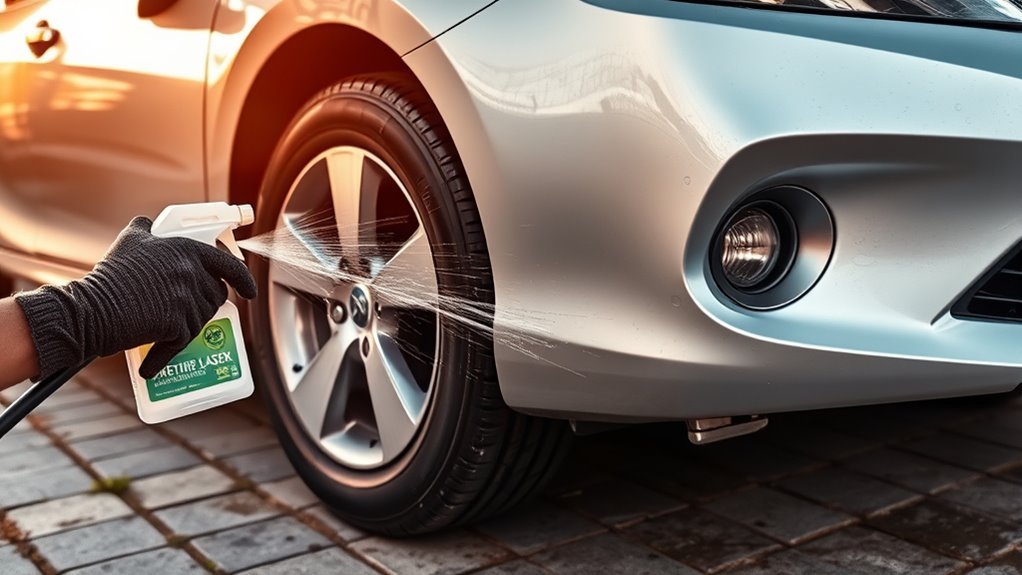
Start with a simple rule: keep salt, mud, and moisture from sitting on bare or damaged metal. Toyota’s owner guidance for exterior cleaning says to apply water from top to bottom, including the wheel wells and underside, to remove dirt and dust. It also recommends waxing when water no longer beads on a clean painted surface. You can review Toyota’s exterior-care guidance here: Toyota Camry exterior cleaning and protection.
For most Camry owners, the best rust-prevention routine is:
- Rinse the undercarriage and wheel wells after driving on salted roads.
- Wash lower panels and door sills every few weeks in winter or after muddy drives.
- Repair paint chips quickly so exposed steel does not stay open to moisture.
- Inspect hidden seams twice a year, especially before and after winter.
- Use a rust-inhibiting coating if you live in a salt-belt climate or keep the car long term.
Pro Tip: Take photos of the same rust-prone areas every spring and fall. Comparing photos makes it easier to spot bubbling paint, spreading rust, or a seam that is staying damp.
Where Camrys Typically Rust: Wheel Wells, Strut Towers, Rocker Panels
Camrys are generally durable, but any steel-bodied car can rust when paint protection is damaged and salt or moisture stays trapped. Pay closest attention to these areas:
- Rear wheel arches: Look for bubbling paint, brown staining, chipped paint on the lip, and dirt packed inside the arch.
- Front wheel wells: Check the liner edges, fender lips, and areas behind the tires where road debris hits.
- Rocker panels and pinch welds: Inspect the long lower panels under the doors, especially near jack points.
- Lower door seams: Open each door and check the folded seam along the bottom edge.
- Strut towers: Look under the hood for bubbling paint, flaking seam sealer, or rust near mounting points.
- Trunk lid and rear body seams: Check around weatherstripping, license plate lights, and the trunk seam.
- Undercarriage, brake lines, and fuel lines: Surface rust can be normal on some exposed parts, but heavy scaling, wet seams, or soft metal need attention.
The goal is early detection. Paint bubbles, orange staining, and tiny chips are cheaper to fix than scaly metal, holes, or structural corrosion.
Why These Areas Corrode: Paint Edges, Trapped Moisture, and Salt
Corrosion is the deterioration of metal through chemical or electrochemical reaction with its environment. Salt water is especially aggressive because it helps carry electrical current between different areas of metal. That is why road salt, brine, slush, and trapped moisture are so hard on wheel wells and underbody seams. For corrosion background, see AMPP Corrosion Basics.
On a Camry, rust usually begins when one of these protective layers fails:
- Paint chips: Gravel and road debris expose bare metal at fender edges and rocker panels.
- Seam sealer gaps: Small openings let salty water sit between folded panels.
- Clogged drains: Dirt can hold water inside doors, rocker cavities, and trunk seams.
- Old or damaged undercoating: Cracked hard coatings can trap salt water underneath.
- Neglected touch-ups: Tiny chips can grow into bubbling paint if left through winter.
Rust prevention is not one product or one wash. It is a cycle: clean, inspect, repair chips, protect seams, and repeat before corrosion spreads.
Inspect Your Camry for Early Rust Signs: Step-By-Step Checklist
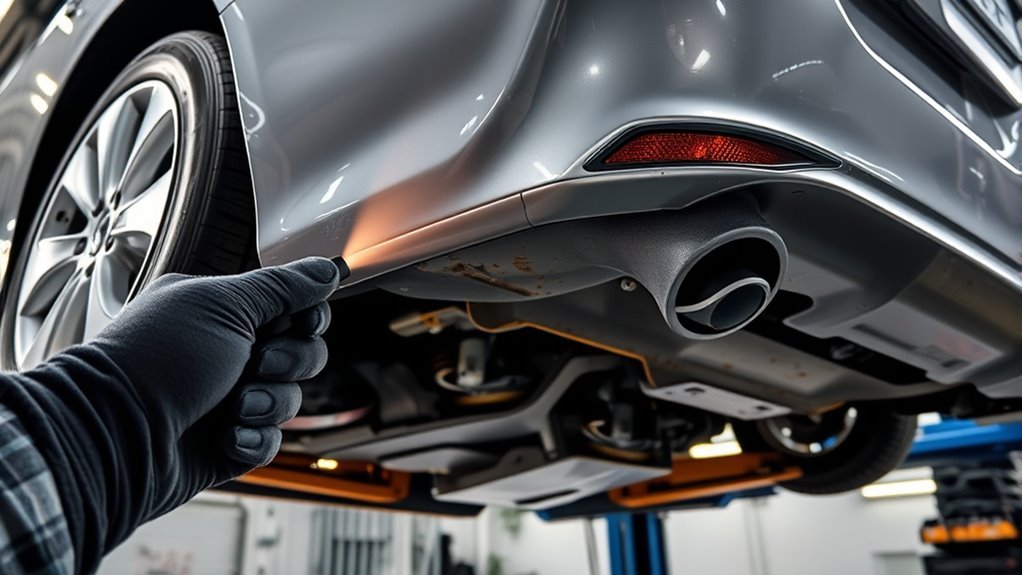
Warning: Never crawl under a car supported only by a jack. Use ramps or properly rated jack stands on level ground. Wear gloves and eye protection when inspecting sharp metal edges, sanding rust, or applying chemicals.
Work in good light and let the car dry first. A flashlight, plastic trim tool, and phone camera are enough for a basic inspection.
- Start at the rear wheel arches. Look at the painted lip, inner edge, and the area where mud collects.
- Move to the front wheel wells. Turn the steering wheel for access and inspect behind the tire.
- Check rocker panels. Look along the lower edge below each door and around jack points.
- Open every door. Inspect the lower seam, drain holes, and weatherstrip channel.
- Inspect the trunk area. Check the trunk lid seam, spare tire well, and taillight areas for water stains.
- Look under the hood. Check strut towers, seam sealer, fender bolts, and painted seams.
- Check the undercarriage safely. Look for heavy scale, flaking metal, wet packed dirt, and rust around brackets or lines.
- Document findings. Photograph each spot and note the date, location, and size.
How to Tell Surface Rust From Serious Rust
| Rust Type | What It Looks Like | What to Do |
|---|---|---|
| Paint chip / early surface rust | Small orange dot, no bubbling, metal feels solid | Clean, lightly sand, prime, touch up, and seal |
| Bubbling paint | Raised paint, blistering, rust stain around edge | Sand back to solid paint; body shop if the area is spreading |
| Scale rust | Flaking layers, rough surface, metal thickness loss | Have it evaluated before coating over it |
| Perforation / structural rust | Hole, soft metal, crunching sound, rust near suspension or jack points | Do not DIY as a cosmetic repair; get professional repair advice |
DIY Prevention Today: Washing, Waxing, Undercarriage Rinsing, and Touch-Ups
A strict cleaning routine does more than make the Camry look good. It removes the salt and dirt that keep metal wet. Focus on the lower half of the car because that is where winter grime collects.
Washing and Undercarriage Rinsing
- Use pH-neutral car soap and a soft microfiber mitt.
- Rinse wheel wells, rocker panels, lower doors, and the underside after salt exposure.
- Use a commercial wash bay with an undercarriage rinse when outdoor temperatures are low.
- Do not blast electrical connectors, torn boots, sensors, or peeling seam sealer with a narrow high-pressure stream.
- Dry door jambs, trunk channels, and lower seams when possible.
Note: Wash water can carry detergents, oils, metals, and road grime. When possible, use a commercial car wash or a wash area where runoff does not flow directly into a storm drain. EPA stormwater guidance explains the runoff concern here: EPA vehicle washing BMP.
Waxing and Paint Protection
Wax or seal the paint when water no longer beads on a clean surface. Before waxing, wash thoroughly and inspect the paint for chips. On older Camrys, pay close attention to the hood edge, rocker panels, wheel arches, and trunk lip.
Touching Up Chips
For small chips that have not spread, clean the spot, remove loose rust, apply primer if bare metal is exposed, apply matching Toyota touch-up paint in thin coats, and finish with clearcoat if the paint system requires it. Use the paint code on the driver-side door jamb label or confirm it with a Toyota dealer.
Oil Undercoating vs. Fluid Film: Pros, Cons, and Recommended Frequency
Underbody protection is most useful in salt-belt regions, on older cars, or on vehicles you plan to keep for many years. The right product depends on climate, condition, and whether rust has already started.
| Option | Best For | Pros | Watchouts |
|---|---|---|---|
| Oil-based rustproofing | Salt-belt drivers and hidden seams | Creeps into seams and helps displace moisture | Can drip after application and usually needs periodic reapplication |
| Lanolin coating / Fluid Film | DIY or annual undercoating | Fluid Film says it is non-drying, self-healing, migrates into inaccessible areas, and provides up to a full year of protection | Fluid Film says it may soften some existing undercoatings; check compatibility first. See Fluid Film automotive applications. |
| Cavity wax | Doors, rocker cavities, seams, and repaired panels | Good for tight internal spaces when applied with proper wands | Coverage depends on access and application technique. 3M notes cavity wax must reach the protected area effectively: 3M corrosion protection resources. |
| Hard rubberized coating | Clean, rust-free surfaces when professionally prepped | Creates a tough barrier when applied correctly | If applied over rust or moisture, it can trap corrosion underneath |
Warning: Do not cover active rust with a thick hard coating and assume the problem is solved. If metal is scaly, soft, or perforated, clean and repair it first or have a body shop inspect it.
In heavy winter climates, inspect coatings before winter and again in spring. Many oil or lanolin treatments are refreshed annually, but actual frequency depends on product instructions, road salt exposure, washing habits, mileage, and whether the car is stored indoors.
[Products Worth Considering]

These TPE door anti‑kick pads provide durable, water‑resistant protection for Toyota Tundra doors from 2022 to 2026. They fit precisely, are easy to install with double‑sided tape, and can be cleaned simply with water. The pads guard against scuffs and impacts while preserving the door's appearance and smooth operation.

The Pigenius windshield sunshade protects your Tundra's interior from heat and UV damage while keeping the cabin cool. Its accordion design folds easily for storage and quick setup, and the triple‑laminate construction provides durable, reflective protection. Ideal for long trips and daily commutes, it guards dashboards, seats, and steering wheels from sun‑related wear.

Upgrade your Toyota's interior with this ultra-thin, perforated leather steering wheel cover that offers a glove‑like fit and full protection while preserving heating functionality. Installation is quick and tool‑free, snapping into place in under a minute. The cover enhances aesthetic appeal and provides a comfortable, authentic feel for daily driving.
Professional Rust-Protection Services: Deep Clean, Coatings, and Guarantees

A professional rust-protection service makes sense when the car is older, driven in salted winters, or already showing rust in seams and underbody areas. A good shop should do more than spray product over dirt. Ask what they clean, what they mask, which cavities they access, and what product they use.
What to Ask Before Paying for Rust Protection
- Will the undercarriage be cleaned and dried before coating?
- Will the shop inspect rocker panels, brake lines, fuel lines, strut towers, and seams first?
- Is the coating oil-based, lanolin-based, wax-based, or hard rubberized?
- Does the product require annual reapplication?
- Can the shop provide before-and-after photos?
- Does the guarantee cover surface rust, perforation, or only specific panels?
- Are there exclusions for existing rust, stone chips, salt damage, neglect, or missed annual visits?
Some providers offer written guarantees, but terms vary widely. Read the warranty before buying, and keep every receipt. A coating guarantee is only useful if you understand what is covered and what maintenance is required.
Fix Small Rust Spots: Sanding, Rust Arrestors, and Paint Touch-Ups
Small rust spots are easiest to fix when the metal is still solid. Work slowly and keep the repair area small. If you find a hole, soft metal, or rust near a structural mount, stop and get professional help.
DIY Small Rust Repair Steps
- Wash and dry the area. Remove dirt, wax, and road film.
- Mask surrounding paint. Protect the good finish around the repair.
- Remove loose rust. Use fine sandpaper or a small abrasive tool until the surface is clean and solid.
- Feather the edges. Smooth the transition between bare metal and surrounding paint.
- Apply rust converter only if appropriate. Follow the product label. Some converters are meant for light rust, not clean bare metal.
- Prime bare metal. Use an automotive primer compatible with your paint system.
- Apply touch-up paint in thin coats. Let each coat dry as directed.
- Add clearcoat if required. Many modern finishes need clearcoat to seal and match gloss.
- Let it cure, then protect it. Avoid wax until the paint has cured according to the product instructions.
Note: Rust repair products are not all interchangeable. Primer, converter, basecoat, and clearcoat must be compatible. When in doubt, follow the paint manufacturer’s instructions or ask a body shop.
Maintenance Schedule by Climate and Vehicle Age
Rust risk changes with climate, storage, mileage, and vehicle age. A Camry in Arizona does not need the same schedule as a Camry driven through salted winters in Michigan, Ontario, New York, or New England.
| Driving Conditions | Washing / Rinsing | Inspection | Coating / Touch-Up |
|---|---|---|---|
| Heavy road salt or brine | Every 1–3 weeks in winter, plus after major storms | Before winter and in spring | Touch up chips quickly; inspect undercoating annually |
| Mild climate with rain | Monthly or after muddy driving | Every 6–12 months | Wax as needed; repair chips when found |
| Coastal climate | Monthly; more often if exposed to salt spray | Every 6 months | Protect seams and lower panels; monitor hardware corrosion |
| Older Camry, 10+ years | Frequent lower-panel cleaning | Spring and fall, plus before long trips | Consider professional inspection before applying new coating |
How Rust Prevention Affects Camry Lifespan and Resale Value
Rust prevention helps preserve the Camry’s structure, appearance, and resale value. Buyers often look under the doors, around wheel arches, and beneath the car before making an offer. A clean underbody, repaired chips, and documented rustproofing can make the car easier to sell.
Toyota’s 2025 Camry Warranty & Maintenance Guide says the corrosion perforation warranty covers repair or replacement of original body panels that develop rust-through for 60 months regardless of mileage, subject to exclusions. It also lists exclusions such as road debris, stone chips, salt, environmental conditions, improper repairs, and lack of proper maintenance. Read the current guide here: Toyota 2025 Camry Warranty & Maintenance Guide.
That distinction matters: warranty coverage is not the same as rust prevention. Surface rust, chip damage, and salt-related corrosion may not qualify, so routine care is still your best defense.
Frequently Asked Questions
Do Toyota cars need rustproofing?
Not every Toyota needs extra rustproofing. If your Camry lives in a mild, dry climate and is washed regularly, basic cleaning, waxing, and chip repair may be enough. If you drive in salted winters, near the coast, or plan to keep the car for many years, supplemental rust protection can be worth considering.
How long does Toyota rust proofing last?
Factory corrosion protection is not usually described as a simple “rustproofing lifespan.” For the 2025 Camry, Toyota lists corrosion perforation coverage for 60 months regardless of mileage, subject to exclusions. Aftermarket coatings vary: many oil or lanolin treatments are inspected and refreshed annually in salt-heavy regions.
Can I pressure-wash the Camry undercarriage?
Yes, but use common sense. A broad rinse is useful for removing salt and mud. Avoid a narrow high-pressure stream on electrical connectors, sensors, torn boots, loose seam sealer, or peeling coatings.
Should I use rubberized undercoating on rust?
Do not apply thick rubberized coating over active rust, wet seams, or scaly metal. It can trap moisture and hide corrosion. Clean and repair rust first, then choose a coating that fits the condition of the car.
When is rust too serious for DIY repair?
Get professional help if you see holes, soft metal, heavy scaling, rust near suspension mounting points, damaged brake or fuel lines, or rust around jack points. Those are safety and structural concerns, not just cosmetic paint problems.
Conclusion
You can stop most Camry rust problems by acting early: rinse away salt, keep the undercarriage clean, wax the paint, fix chips quickly, and inspect hidden seams before winter and after winter. Use oil, lanolin, or cavity coatings when your climate calls for extra protection, but avoid hiding active rust under hard coatings. Keep photos and receipts so you can track changes, support resale value, and have better warranty or repair conversations if corrosion appears.
Sources
- Toyota Camry Owner’s Manual: Cleaning and Protecting the Vehicle Exterior — backs washing, wheel-well/underside rinsing, and waxing guidance.
- Toyota 2025 Camry Warranty & Maintenance Guide — backs corrosion perforation warranty limits and exclusions.
- AMPP Corrosion Basics — backs the corrosion definition and the role of environment in corrosion control.
- Transportation Research Board: Effects of Road Salt on Motor Vehicles and Infrastructure — backs road salt’s role in vehicle corrosion.
- EPA Stormwater BMP: Vehicle Maintenance and Washing — backs the car-wash runoff note.
- Fluid Film Automotive Applications — backs product-specific undercoating performance and compatibility notes.