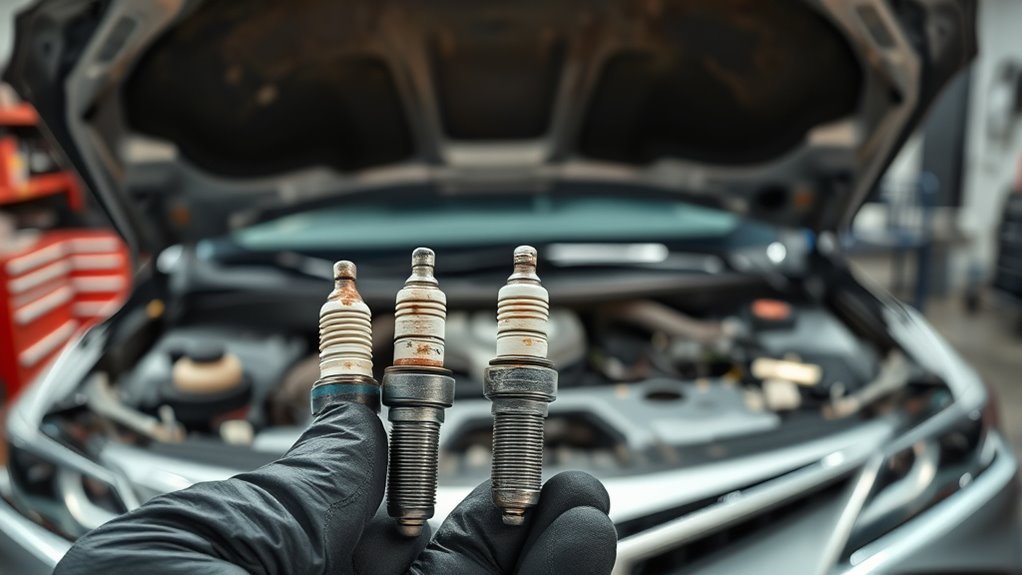
Your Toyota Camry’s spark plug life depends on the model year, engine, original plug design, and how the car is driven. Many late-model Camrys use long-life plugs, but the safest answer is still simple: follow the Toyota maintenance schedule for your exact engine, then inspect sooner if you notice misfires, rough idle, hard starts, or a drop in fuel economy.
Quick Answer
For many modern Toyota Camrys, spark plugs are replaced around 120,000 miles, but some V6 models list spark plug replacement at 60,000 miles. Use your owner’s maintenance guide or VIN-specific service schedule first. Replace sooner only when wear, misfire codes, rough idle, hard starts, or poor fuel economy point to ignition trouble.
Key Takeaways
- Late-model Camry spark plug intervals vary by engine, so do not rely on one universal mileage number.
- Long-life iridium or platinum plugs can last much longer than basic nickel/copper-style plugs, but only when they match the engine’s OE specification.
- Misfires, rough idle, hard starts, sluggish acceleration, and lower MPG are reasons to inspect the ignition system early.
- Use the same plug type originally equipped, correct torque, and clean threads to avoid expensive cylinder-head damage.
Toyota Camry Spark Plug Replacement Intervals by Engine
The best replacement interval is the one listed in Toyota’s maintenance guide for your exact Camry. Toyota’s 2024 Camry Warranty & Maintenance Guide lists spark plug replacement at 60,000 miles / 72 months for the 2GR-FKS V6 engine only, and it also lists spark plug replacement at 120,000 miles / 144 months. Toyota’s 2025 Camry maintenance chart lists spark plug replacement at the 120,000-mile column.
| Camry type | Typical Toyota schedule reference | What to do |
|---|---|---|
| 2024 Camry with 2GR-FKS V6 | Replace spark plugs at 60,000 miles / 72 months. | Follow the V6-specific schedule and use the correct OE-equivalent plug. |
| 2024 Camry 4-cylinder / hybrid applications | Spark plug service appears at 120,000 miles / 144 months. | Confirm by VIN, trim, and engine code before buying plugs. |
| 2025+ Camry hybrid | Maintenance chart lists spark plugs at 120,000 miles. | Use the 2025+ hybrid maintenance guide, not older V6 advice. |
| Older Camrys | Intervals vary by year, engine, and plug type. | Check the owner’s manual, Toyota maintenance guide, or a trusted service database. |
Note: Mileage advice online is often generic. Your Camry’s engine code and model year matter more than a broad “every 100k” rule.
Camry Spark Plug Lifespan (By Type)
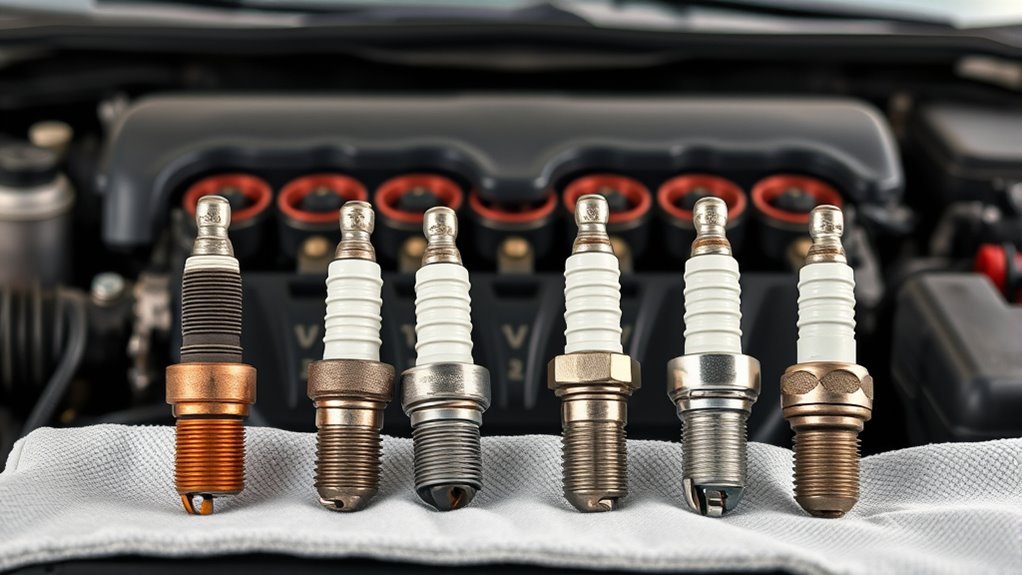
Spark plug material affects durability, but the exact plug design matters just as much. DENSO explains that not every iridium plug is a long-life plug, and NGK notes that OE-style Laser Iridium plugs typically last about 80,000–100,000 miles in their original application.
| Plug type | General lifespan pattern | Best fit |
|---|---|---|
| Nickel / copper-core style | Usually shorter service life than long-life platinum or iridium designs. | Older engines that originally called for this style. |
| Platinum | Longer wear life than basic plugs when matched to the correct engine. | Engines originally designed for platinum plugs. |
| Long-life iridium | Often used for long factory intervals, commonly around 100,000 miles or more depending on OE design. | Most modern Camrys when the OE spec calls for iridium. |
Do not upgrade by material alone. The correct heat range, thread reach, seat type, electrode design, and factory gap all matter. Toyota says replacement spark plugs should be the same type as originally equipped, and a qualified technician should perform the operation if you are not comfortable with the procedure.
Factory Intervals vs. Real Life: When to Replace Plugs
Factory intervals are the baseline. Real life tells you when to inspect sooner. If your Camry runs smoothly and your maintenance guide lists 120,000 miles, replacing plugs at 50,000–80,000 miles is usually unnecessary unless there is a symptom, code, or known service issue.
Inspect the ignition system early if you notice:
- Engine misfire, sputtering, or hesitation under load
- Rough idle or shaking at stoplights
- Hard starts, especially when cold
- Sluggish acceleration
- Lower fuel economy than your normal baseline
- Check Engine light with misfire-related codes such as P0300, P0301, P0302, P0303, P0304, or P0306 depending on engine layout
The U.S. Department of Energy notes that worn spark plugs can contribute to fuel-economy problems, so a sudden MPG drop is worth checking. Still, spark plugs are only one possible cause. Ignition coils, vacuum leaks, dirty fuel injectors, air-fuel sensors, or engine mechanical problems can feel similar.
Best Spark Plug Type for Your Camry (Copper vs. Platinum vs. Iridium)
The best spark plug for your Camry is not simply the most expensive plug on the shelf. It is the plug that matches Toyota’s specification for your engine.
- Use OE-equivalent plugs: Match the Toyota part number or a verified DENSO/NGK equivalent from a trusted catalog.
- Match the heat range: A plug that runs too hot or too cold can cause fouling, pre-ignition risk, or poor performance.
- Match the reach and seat: Wrong thread reach or seat style can damage the cylinder head or seal poorly.
- Be careful with pre-gapped fine-wire plugs: Many iridium plugs are factory-gapped and should not be bent casually.
Pro Tip: Before buying, enter your Camry’s year, engine, and trim into the plug manufacturer’s catalog, then cross-check the result with Toyota service information.
8 Signs Camry Spark Plugs or Ignition Parts Need Replacing
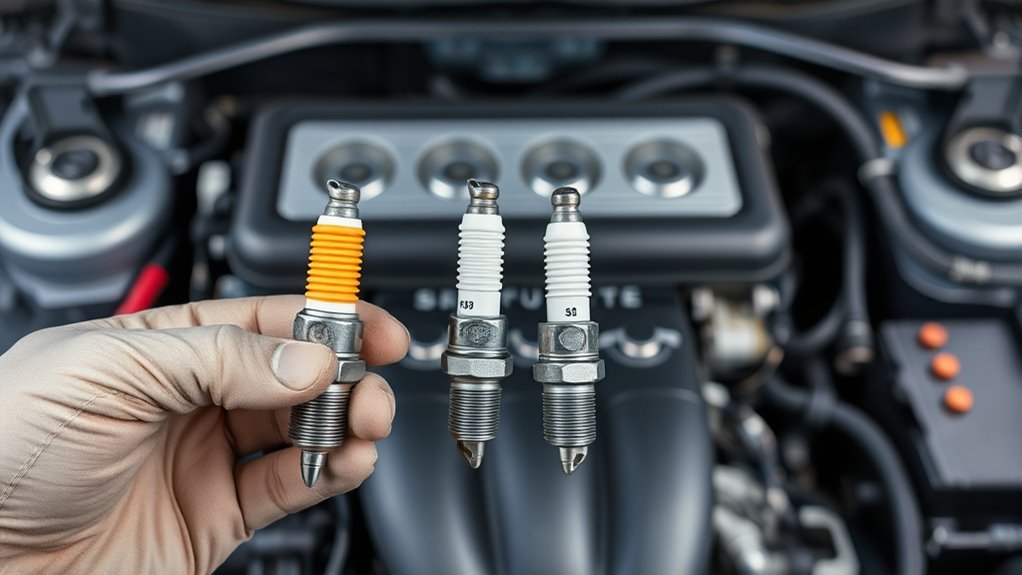
Bad spark plugs do not always fail suddenly. More often, they wear gradually until the engine starts giving you clues. Watch for these eight signs:
- Misfire under acceleration: The engine stumbles when you merge, climb hills, or pass.
- Rough idle: The car shakes more than normal at a stop.
- Hard starting: The engine cranks longer before firing.
- Reduced fuel economy: Your usual MPG drops without a change in driving route or tire pressure.
- Check Engine light: Misfire codes often point to a cylinder that needs diagnosis.
- Sluggish throttle response: The car feels flat even though the transmission is shifting normally.
- Visible plug wear: Removed plugs show worn electrodes, cracked porcelain, heavy deposits, or oil fouling.
- Coil stress: A worn plug gap can make the ignition coil work harder, sometimes leading to coil failure.
If one cylinder shows a misfire, do not automatically replace every ignition part. Confirm whether the problem follows the spark plug, coil, injector, or another component.
How Fuel, Oil & Driving Habits Change Spark Plug Life
Your driving habits can shorten spark plug life even when you use the correct parts. Frequent short trips, extended idling, stop-and-go driving, and cold starts can leave more deposits because the engine spends less time fully warmed up.
Oil control also matters. If oil enters the combustion chamber through worn valve seals, piston rings, or PCV-related issues, spark plugs can foul early. A plug that is oily, wet, or heavily carbon-coated is a clue to diagnose the underlying problem, not just install new plugs.
Fuel quality matters too, but avoid assuming premium fuel fixes spark plug wear. Use the octane Toyota recommends for your specific Camry. More expensive fuel is not automatically cleaner or better unless your engine requires it.
Best Spark Plug Brands for Toyota Camry (What to Buy and Avoid)
For most Camry owners, the safest choice is an OEM Toyota plug or a verified OE-equivalent plug from a supplier such as DENSO or NGK. The brand name alone is not enough; the exact part number and specification are what matter.
Buy from a Toyota dealer, reputable parts store, or verified online seller. Counterfeit plugs are a real risk in online marketplaces, and a fake plug can cause misfires, poor sealing, or electrode failure.
Avoid plugs that:
- Do not match the Toyota or plug-maker application catalog
- Have the wrong heat range, reach, seat, or thread size
- Require a different replacement interval than the OE plug without a clear reason
- Arrive with damaged electrodes, questionable packaging, or no traceable part number
- Promise unrealistic horsepower or fuel-economy gains
DIY vs. Dealer: Cost, Tools, Anti-Seize & Seizing Prevention
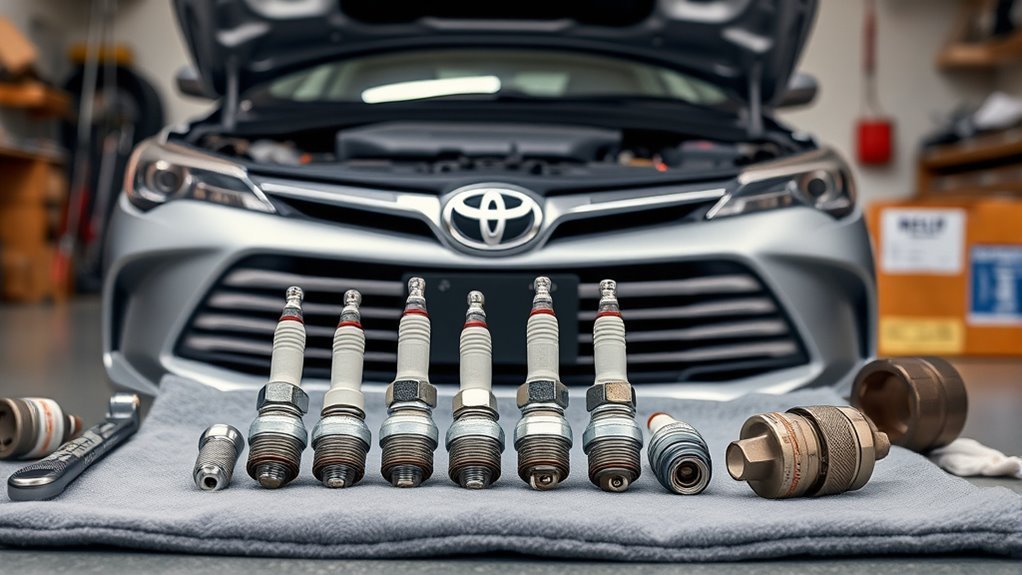
You can replace Camry spark plugs yourself if you have basic mechanical experience, the correct tools, and access to reliable torque specifications. If you are unsure, paying a qualified technician is cheaper than repairing stripped threads in an aluminum cylinder head.
At a Glance
| Time Required | About 1–2 hours for an experienced DIYer; longer if access is tight |
| Difficulty | Moderate; easier on many 4-cylinder engines, more involved on some V6 layouts |
| Tools Needed | Spark plug socket, extension, ratchet, torque wrench, compressed air or hand pump, dielectric grease for coil boots if specified |
| Cost | DIY parts often cost less than shop service; RepairPal estimates Camry spark plug replacement at about $142–$223 before taxes, fees, and location differences |
DIY Cost and Tools
For DIY service, the biggest savings usually come from labor. You will need the exact plugs, a spark plug socket, extensions, a torque wrench, and a way to clean debris from the plug wells before removal.
- Work on a cool engine to reduce the chance of thread damage.
- Blow dirt out of the plug wells before removing plugs.
- Remove and install one plug at a time to avoid mixing up coils or connectors.
- Thread each plug by hand first. If it does not spin in smoothly, stop.
- Torque to the correct specification for your plug and engine.
Warning: Do not force a spark plug into the cylinder head. Cross-threading or over-tightening can turn a routine spark plug job into an expensive thread repair.
Dealer Service vs. Seizing Prevention
Dealer or independent-shop service makes sense if the plugs are hard to access, the car has a misfire that needs diagnosis, or you do not have a torque wrench. The shop should verify the correct part number, inspect coils and boots, and torque the plugs correctly.
Anti-seize deserves caution. DENSO’s installation guidance stresses correct torque because too little torque can cause leakage or vibration damage, while too much can damage the plug or threads. NGK’s torque guidance says that if anti-seize is used, it should be used sparingly and torque should be reduced by 30%. In practice, do not apply anti-seize unless the plug maker or service information calls for it.
Spark Plug Service Checklist: What to Inspect and Record
Keep a simple service log. It helps you track what was installed, when it was installed, and whether a symptom returns later.
- Record mileage, date, engine, plug brand, and exact part number.
- Note whether the plugs were replaced at the factory interval or due to symptoms.
- Record any Check Engine light codes before clearing them.
- Inspect each removed plug for electrode wear, oil fouling, carbon deposits, cracked porcelain, or unusual color.
- Check ignition coil boots for cracking, swelling, oil contamination, or carbon tracking.
- Confirm the engine idles smoothly after replacement.
- Recheck for pending codes after a short drive cycle if the repair was done for a misfire.
The best spark plug interval is not the earliest one you hear online. It is the interval Toyota lists for your engine, adjusted only when real symptoms or inspection results justify earlier service.
Frequently Asked Questions
How often should you change spark plugs in a Toyota Camry?
Many modern Toyota Camrys list spark plug replacement around 120,000 miles, but some V6 models list replacement at 60,000 miles. Check the maintenance guide for your exact model year and engine before buying plugs.
How do you know if your spark plugs are bad on a Toyota Camry?
Common signs include rough idle, misfires, hard starts, sluggish acceleration, lower fuel economy, and a Check Engine light. Removed plugs may show worn electrodes, cracked porcelain, heavy carbon deposits, oil fouling, or an enlarged gap.
Can a spark plug last 200,000 miles?
You should not plan on 200,000 miles unless Toyota or the plug maker specifically lists that interval for your exact application. Even long-life iridium plugs wear over time, and pushing them too far can increase misfire risk.
Should I replace ignition coils when I replace Camry spark plugs?
Not automatically. Replace coils if they are failing, cracked, oil-soaked, or if diagnosis shows a misfire follows the coil. Good coils do not need replacement just because the plugs are due.
Do Toyota Camry spark plugs need anti-seize?
Do not assume they do. Many modern spark plugs are designed for clean, dry installation. Follow Toyota service information and the plug maker’s instructions. If anti-seize is specifically used, torque may need to be reduced according to the plug maker’s guidance.
Conclusion
Keeping your Camry’s spark plugs on the right schedule protects smooth starts, clean combustion, fuel economy, and ignition-coil life. For most owners, the right move is to follow Toyota’s model-specific interval, use the same OE-style plug type, and inspect early only when symptoms appear. When in doubt, verify by VIN or ask a qualified technician before turning a simple maintenance item into an expensive repair.
Sources
- Toyota 2024 Camry Warranty & Maintenance Guide — factory spark plug intervals and same-type replacement guidance
- Toyota 2025 Camry Warranty & Maintenance Guide — 2025 Camry maintenance chart spark plug interval
- DENSO Spark Plug Service Life — plug design and lifespan differences
- NGK Iridium Plug Lifespan Guidance — OE iridium lifespan context
- DENSO Spark Plug Installation Torque — torque importance and installation risk
- U.S. Department of Energy Fuel Economy Guidance — maintenance issues, including worn spark plugs, and fuel economy