A wobbly steering wheel, loud clunks, or a RAV4 that leans hard in turns can point to worn struts or shocks. These parts help keep your tires planted, so wear can affect steering, braking, and control. This guide shows you how to spot warning signs, inspect the parts you can see, run a simple bounce test, and know when to call a professional.
What’s in This Article
- How to Recognize Strut and Shock Issues in Your RAV4
- Conducting a Visual Inspection of Struts and Shocks
- Why the Bounce Test Matters for Your Suspension
- Choosing the Right Type of Shock Absorber for Your RAV4
- Effects of Poor Struts on Handling and Safety
- Consequences of Ignoring Strut and Shock Maintenance
- Signs of Uneven Tire Wear Linked to Suspension Problems
- How to Know When to Call a Pro for Strut and Shock Problems?
- Frequently Asked Questions
- Conclusion
Quick Answer
You may need new RAV4 struts or shocks if your SUV bounces too much, leans in turns, clunks over bumps, leaks fluid, or wears tires unevenly. A quick bounce test and visual check can help you spot problems early. If you notice poor control, steering vibration, or visible damage, schedule a suspension inspection before the issue affects safety.
Key Takeaways
- Check your RAV4’s struts and shocks if the ride feels bouncy, noisy, loose, or unstable.
- Look for oil leaks, dents, damaged mounts, and uneven tire wear during a visual inspection.
- Use the bounce test as a quick screening tool, not as a full diagnosis.
- Match replacement shocks to your driving style, road conditions, and Toyota specifications.
- Call a professional if handling, braking, steering, or tire wear changes suddenly.
How to Recognize Strut and Shock Issues in Your RAV4
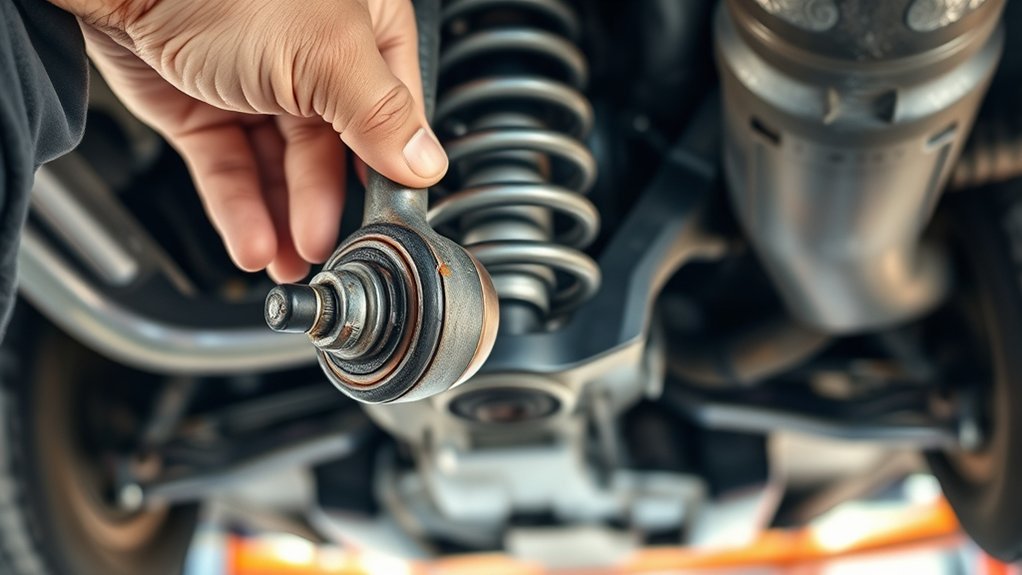
When your RAV4 feels unstable during turns or rolls too much, inspect the struts and shocks. These symptoms often point to worn suspension parts. Listen for clunks, rattles, or knocking sounds over bumps, since those noises can point to worn mounts, bushings, or strut parts.
Uneven tire wear, especially along the edges, can also signal worn suspension parts. A wobbly steering wheel over bumps may mean the tires can’t stay firmly in contact with the road. That can reduce control and make the vehicle feel less predictable.
You can also perform a bounce test. Press down firmly on one corner of the vehicle, then release it. If your RAV4 bounces more than once or twice before it settles, ask a mechanic to inspect the suspension.
Warning: Don’t ignore sudden steering changes, loud suspension noises, or fluid leaks, since they can affect braking and control.
Also check for shock leaks, damaged boots, rust, and bent parts. Early repairs help protect your tires, steering, braking, and ride comfort. They also help your RAV4 stay safer on rough roads and in quick stops.
[Products Worth Considering]

Struts Replacement for Toyota 2013 2014 2015 2016 2017 2018 RAV4 (Excludes Sport Package)
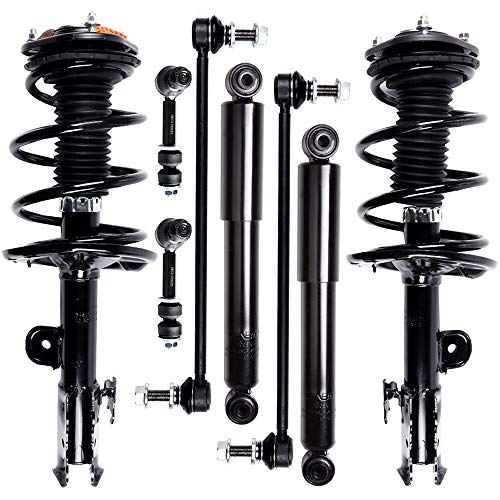
PACKAGE CONTAINS: 2006 2007 2008 2009 2010 2011 2012 for Toyota RAV4 front and rear shocks struts suspension kit, 2006-2008 for Toyota RAV4 2.4L 2362CC, 2009-2012 for Toyota RAV4 2.5L 2494CC

Kit Includes: 2 Front Strut & Spring Assemblies; 2 Front Sway Bar Links; 2 Rear Shock Absorbers; 2 Rear Sway Bar Links
Conducting a Visual Inspection of Struts and Shocks
Spotting symptoms helps, but a visual inspection gives you more clues. Park on a flat surface, set the parking brake, and look behind each wheel with a flashlight. Do not crawl under a vehicle unless you support it with proper jack stands.
| Visual Indicators | What They Mean |
|---|---|
| Oil leaks around piston seal | Possible strut or shock failure |
| Dents on the body | Damage that may require replacement |
| Uneven tire tread wear | Possible failing suspension components |
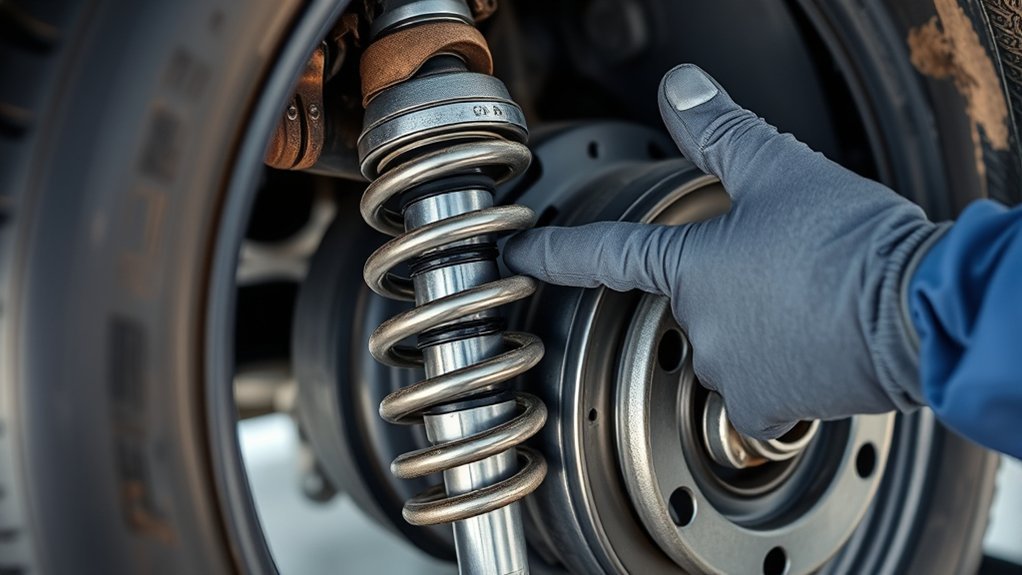
Look for wet oil around the shock or strut body. A light film of grime may not mean failure, but fresh fluid or dripping oil needs attention. Check for dents, bent rods, cracked rubber boots, broken mounts, and rusted hardware.
Inspect your tires at the same time. Cupped, feathered, or edge-worn tread can point to worn suspension, poor alignment, or tire balance issues. schedule an inspection if you see more than one warning sign.
Note: A visual check can’t confirm every internal shock or strut problem, so combine it with road feel and a professional inspection.
[Products Worth Considering]

Front Struts Rear Shocks Kit Replacement for Toyota 2019 2020 2021 2022 RAV4 (Limited, AWD; Adventure) - [2020 2021 2022 for Toyota RAV4 (TRD Off-Road)]

Struts Shocks Replacement for Toyota 2019 2020 2021 2022 RAV4 (Limited, AWD; Adventure) - [2020 2021 2022 for Toyota RAV4 (TRD Off-Road)]

Replacement for Toyota RAV4 (2019 2020 2021 2022 2023 2024)
Why the Bounce Test Matters for Your Suspension
The bounce test gives you a quick way to screen your RAV4’s suspension. Press down on the fender above one wheel, then release it and watch how the vehicle settles. A healthy suspension should return to normal height with little extra movement.
This test doesn’t replace a full inspection, but it can help you spot obvious wear. If one corner keeps moving, compare it with the other corners. A major difference from side to side can point to a weak shock or strut.
Assessing Suspension Performance Effectively
You can use the bounce test to judge how well your shocks or struts control spring movement. Press down firmly, release, and count how many times the vehicle moves before it settles. Use the table below as a general guide.
| Bounce Test Result | Implication |
|---|---|
| Stabilizes immediately | Suspension appears controlled |
| Bounces once | Monitor for other symptoms |
| Bounces twice | Possible strut or shock wear |
| Bounces more than twice | Schedule inspection soon |
Repeat the test at each corner of your RAV4. If one corner acts much softer than the others, ask a technician to inspect that area. Good suspension control helps keep the ride stable and predictable.
Identifying Wear and Damage
The bounce test can reveal worn shocks, weak struts, or other suspension issues. A quick rebound with little extra motion suggests the parts still control spring movement well. Long, repeated bouncing may point to worn damping parts.
Watch for related signs during the test. Listen for strut noise, squeaks, clunks, or grinding. These sounds can point to worn mounts, bushings, ball joints, or other suspension parts.
Choosing the Right Type of Shock Absorber for Your RAV4
Choosing the right shock absorber for your RAV4 affects ride quality, control, and tire contact. Use your owner’s manual, trim level, and driving needs to guide the choice. If your RAV4 has special suspension equipment, confirm fitment before you buy parts.
- Choose monotube gas-charged shocks for rougher use: These shocks can handle heat well and may feel more responsive on rough roads. Some drivers choose them for firmer control.
- Choose twin-tube gas-charged shocks for daily comfort: Many factory-style replacements use this design. They often balance ride comfort, cost, and normal road performance.
- Match the part to your driving conditions: Pick a shock type that fits your roads, cargo load, and driving style. Rough roads, heavy loads, and off-pavement use may call for stronger parts.
Always confirm the part number before installation. Front struts and rear shocks may differ by model year, drivetrain, and trim. A professional shop can help you choose parts that preserve safe handling.
[Products Worth Considering]

Vehicle Compatibility: Specifically designed to fit 2013-2018 RAV4 with 0" Rear Lift , ensuring a perfect fit and compatibility

Adds up to 25% more damping performance over original equipment shocks
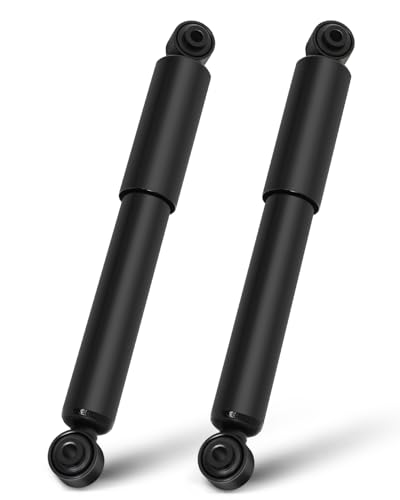
🚙PART OF #OEM & COMPATIBLE VEHICLES - Rear (Back) Driver & Passenger Side Shock Absorber Set: 349024 / 37289 with 2006 2007 2008 2009 2010 2011 2012 for Toyota RAV4.
Effects of Poor Struts on Handling and Safety
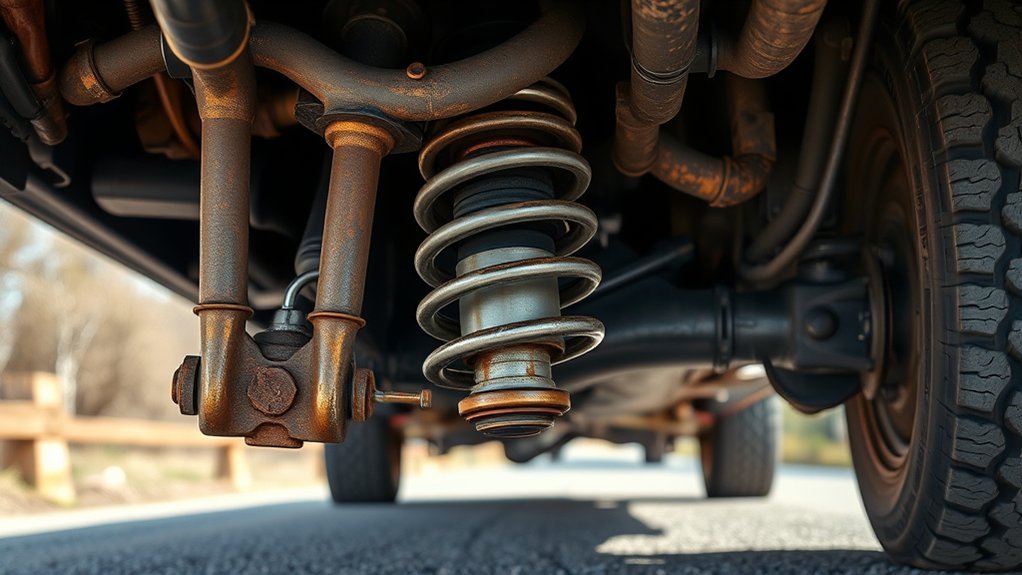
Poor struts can hurt your RAV4’s handling and safety. Excessive body roll during turns reduces stability and makes the vehicle feel harder to control. A wobbly steering wheel can also reduce steering precision.
Worn shocks or struts can also affect braking. When the tires lose steady contact with the road, the vehicle may take longer to settle during hard stops. That can make emergency braking feel less controlled.
Uneven tire wear often appears with suspension trouble. Worn edges, cupping, or scalloping may mean the tire does not stay planted evenly. Fixing strut and shock issues early can restore better control and reduce extra tire wear.
Consequences of Ignoring Strut and Shock Maintenance
Neglecting strut and shock maintenance can hurt your RAV4’s ride, tires, and safety. A rough ride may seem like a comfort issue at first, but suspension wear can also affect steering and braking. Watch for these common consequences:
- Reduced handling: Worn struts and shocks can make the vehicle feel loose during turns, lane changes, and hard braking.
- Higher repair costs: Suspension wear can cause uneven tire wear and may stress other steering or suspension parts.
- Longer stopping feel: Excessive bouncing can reduce tire contact and make hard stops feel less stable.
Don’t wait for several symptoms to appear at once. If your RAV4 starts to feel different over bumps or during turns, schedule an inspection. Early repair usually costs less than fixing worn tires and related parts later.
Signs of Uneven Tire Wear Linked to Suspension Problems
Uneven tire wear often points to alignment, tire balance, pressure, or suspension problems. When shocks or struts fail, the tire may not press evenly against the road. That can create patterns you can see across the tread.
Inspect your tires at least once a month and before long trips. Look across the full tread width, not just the outer edge. If one tire looks much different from the others, ask a shop to check the suspension and alignment.
Common Tire Wear Patterns
Common tire wear patterns can help you narrow the cause. They don’t prove a bad strut or shock by themselves, but they give you useful clues. Watch for these patterns:
- Scalloping or cupping: Repeated dips in the tread may point to poor shock control, balance issues, or worn suspension parts.
- Outer edge wear: Heavy wear on the edge may point to alignment problems, low tire pressure, or excessive body roll.
- Feathering: A smooth edge on one side of each tread block may point to toe alignment issues.
Impact on Driving Safety
Uneven tire wear can reduce grip, steering response, and ride comfort. Poor handling and excessive body roll can also make quick stops and turns feel less stable. These signs deserve attention because your tires provide the only contact with the road.
| Tire Wear Type | Possible Implication |
|---|---|
| Cupping | Poor shock control or tire balance issue |
| Bald Patches | Reduced grip and stability |
| Worn Edges | Alignment, pressure, or suspension issue |
| Scalloping | Poor handling and uneven road contact |
Address tire wear early to protect your RAV4’s handling. A shop may recommend an alignment, tire rotation, tire replacement, or suspension repair. The right fix depends on the wear pattern and inspection results.
Importance of Regular Inspections
Regular tire and suspension checks help you catch problems before they affect safety. Tire wear often develops slowly, so you may not notice it from the driver’s seat. A quick monthly check can reveal problems early.
- Check edge wear: Heavy wear on the tire edges may point to pressure, alignment, or suspension issues.
- Check cupping: Uneven dips in the tread may point to worn shocks, balance issues, or loose parts.
- Check vibration: New vibration while driving may point to tire, wheel, brake, or suspension problems.
How to Know When to Call a Pro for Strut and Shock Problems?
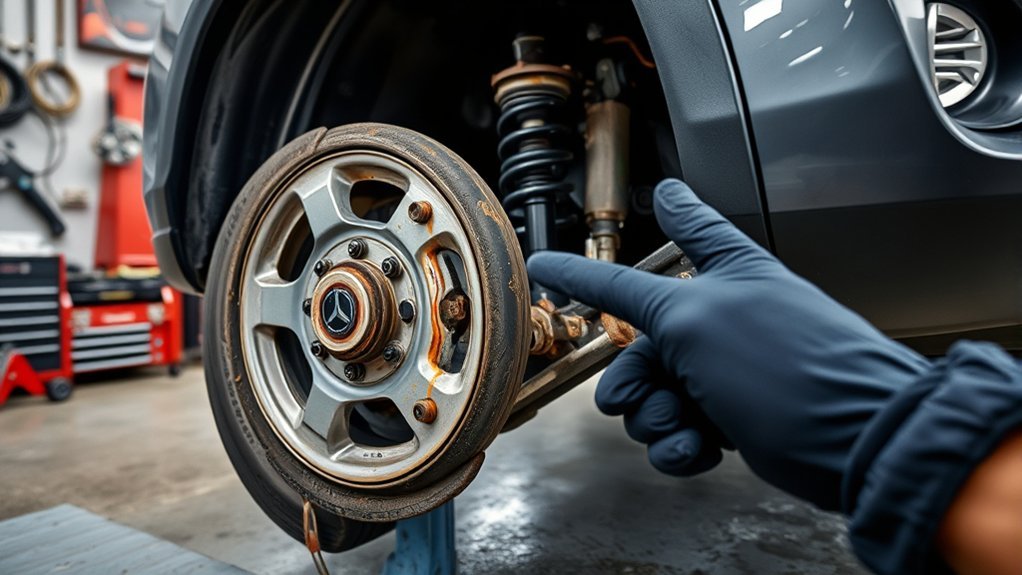
Call a professional if your RAV4 bounces too much, feels unstable, or makes loud suspension noises. Also schedule service if your steering wheel wobbles, the vehicle pulls, or you feel vibration during braking or acceleration. These symptoms can involve struts, shocks, tires, brakes, steering parts, or alignment.
Use the bounce test as a first check, then let a technician confirm the cause. A pro can inspect mounts, springs, control arms, bushings, ball joints, and wheel bearings. That matters because several worn parts can create the same symptoms.
| Symptoms | Action Required | Possible Issues |
|---|---|---|
| Strut noises | Call a professional | Worn strut components |
| Shock leaks | Schedule inspection | Damaged shocks |
| Uneven tire wear | Consult an expert | Failing suspension or alignment issue |
| Excessive body roll | Get prompt evaluation | Possible safety hazard |
Seek help right away if the vehicle feels unsafe to drive. Avoid highway speeds and heavy loads until you know the cause. A timely inspection can prevent more damage and help keep your RAV4 road-ready.
Frequently Asked Questions
What Are the Signs of a Bad Shock and Strut?
You may notice a bumpy ride, excessive bouncing, fluid leaks, uneven tire wear, poor handling, or clunking noises. You may also feel extra body roll in turns or a loose steering feel over bumps.
How Much Does It Cost to Replace Shocks and Struts on a Toyota RAV4?
Replacing shocks and struts on a RAV4 often costs hundreds of dollars and varies by model year, parts, labor rate, and location. Ask for a written estimate that separates parts, labor, alignment, and any extra suspension repairs.
How Long Do Toyota Shocks and Struts Last?
Toyota shocks and struts can last many years, but their life depends on road conditions, mileage, loads, and driving style. Inspect them sooner if you drive on rough roads, carry heavy cargo, or notice changes in ride control.
How Do I Know if I Need to Replace Shocks and Struts?
Look for poor handling, repeated bouncing, wobbly steering, leaks, clunks, and uneven tire wear. A technician can confirm the issue and check related parts before you replace anything.
Should You Replace RAV4 Struts and Shocks in Pairs?
Many technicians recommend replacing shocks or struts in left-right pairs on the same axle. This helps keep damping balanced, so the vehicle responds more evenly during turns and braking.
Safety Disclaimer: This article is for informational purposes only and does not replace professional vehicle inspection or repair advice. Always consult a qualified mechanic before driving a vehicle with suspected steering, braking, tire, or suspension problems.
Conclusion
Your RAV4’s struts and shocks play a key role in ride comfort, tire contact, steering, and braking control. If you notice bouncing, leaks, clunks, body roll, or uneven tire wear, inspect the suspension and schedule service. A simple bounce test can help you spot a problem, but a professional inspection gives you the clearest answer. Fixing suspension issues early helps your RAV4 feel stable, safe, and ready for the road ahead.