What’s in This Article
Highway wind noise in a Toyota RAV4 can make a normal drive feel tiring fast. The hard part comes from finding the real source, because tires, pavement, mirrors, seals, glass, and roof racks can all sound similar from the driver’s seat. This guide shows you how to separate wind noise from road noise, test the likely problem areas, try simple fixes, and prepare strong evidence before you visit the dealer.
Quick Answer
If your RAV4 gets noisy at 50 to 70 mph, test it on the same road at steady speeds. Wind noise usually rises with speed and changes when you cover mirrors, inspect seals, or remove roof rack parts. Road noise changes more with pavement texture, tire condition, and tire pressure. Start with seals, mirrors, trim, and roof rack checks before you ask a dealer to inspect door fit, glass fit, or mirror housings.
Key Takeaways
- Test at the same speed and on the same route so you can compare each change fairly.
- Check mirrors, door seals, window trim, glass type, roof racks, and loose exterior trim first.
- Use temporary tape tests before you add permanent sealant or sound-deadening materials.
- Document videos, speed, weather, road type, and repair attempts before you visit the dealer.
- Compare repair costs with your comfort needs before you spend heavily on noise reduction.
Diagnose Wind vs Road Noise With Quick Tests
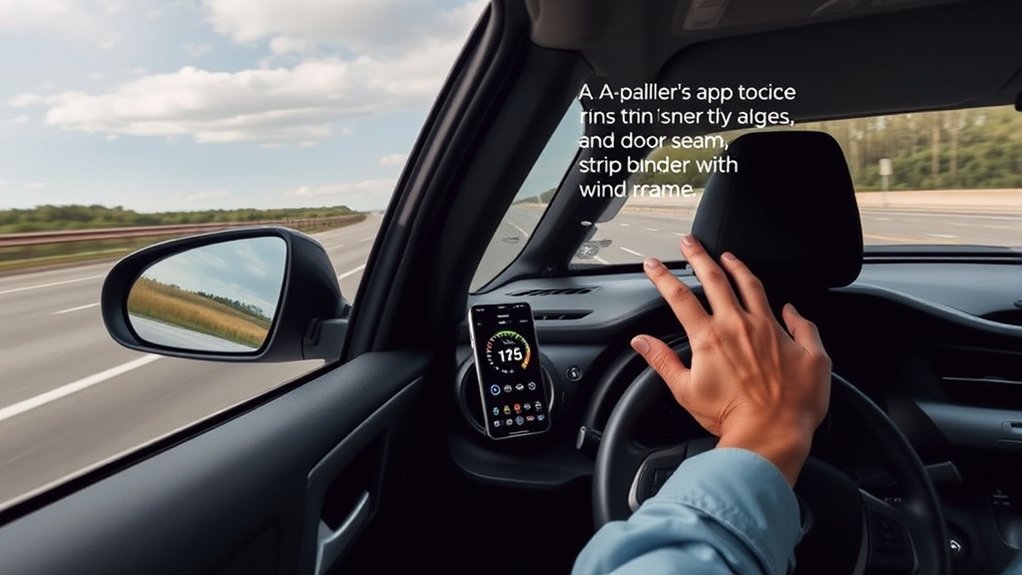
Start with a short, repeatable test drive before you buy parts. Choose a safe highway route where you can hold 50, 60, and 70 mph for a short time. Keep the fan speed, windows, sunroof, audio, and drive mode the same for each pass.
Wind noise usually rises as speed rises, even when the road surface stays smooth. Road noise often changes more when pavement changes from smooth asphalt to rough concrete. A passive sound meter app can help you compare before and after results, but you should treat phone readings as a guide, not lab-grade data.
- Hold a steady speed and listen for hiss, whistle, flutter, or low tire roar.
- Compare smooth and rough pavement at the same speed.
- Record short audio clips from the driver seat and front passenger seat.
- Cover one mirror gap with painter’s tape for a temporary test, then repeat the same drive.
- Remove unused roof rack attachments or crossbars if you can do so safely and legally.
If the sound drops after a mirror or roof rack test, you likely found an aerodynamic path. If the sound changes more with pavement, inspect tire wear, tire pressure, wheel bearings, and suspension parts before you chase door seals.
[Products Worth Considering]

Protect your Toyota RAV4 interior with this custom‑fit windshield sun shade that blocks 99% of harmful UV rays and reduces cabin heat. The mirror cut‑out ensures a seamless fit without gaps, while durable 240T polyester and bendable wire keep it sturdy through repeated use. Foldable and stored in a convenient pouch, it offers easy installation and removal for everyday comfort.

The Autovir windscreen shade offers full windshield coverage for Toyota RAV4 models from 2019 to 2026, blocking up to 99.95% of UV rays and reducing interior heat. Its multi‑layer reflective material provides SPF 100 and UPF 80+ protection while keeping the dashboard, seats, and steering wheel cooler. The foldable design installs quickly and stores conveniently in the glove box, and reinforced stitching ensures long‑lasting durability for daily use.

The Autopect side window sunshade sock screen-shade provides universal, elasticized mesh protection for car, truck, SUV, and van side windows. It filters UV rays, keeps interiors cool, and offers privacy while allowing fresh breezes and bug protection. Easy no‑tool installation and a compact drawstring pouch make it portable for travel and camping.
Find Common Toyota RAV4 Wind Noise Sources
When you narrow the search for RAV4 wind noise, focus on the parts that shape airflow around the cabin. Side mirrors, door seals, window trim, glass type, roof rails, and crossbars can all change cabin noise at highway speeds.
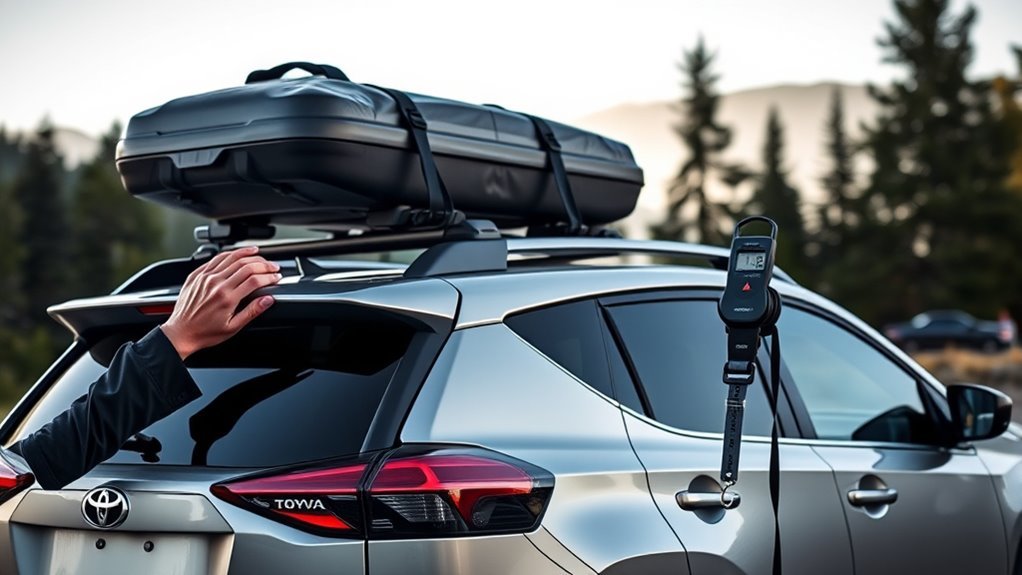
Mirror housings can create turbulence where the mirror meets the front window area. Door and window seals can whistle when they lose compression or sit out of line. Roof racks and crossbars can add wind noise, especially when someone installed them backward, left a strip loose, or added bulky attachments.
- Side mirrors: Look for gaps, loose trim, missing caps, and uneven mirror base fit.
- Door seals: Check for flattened rubber, tears, dirt buildup, and poor contact marks.
- Window trim: Press gently around the A-pillar, front window, and upper door frame.
- Glass: Confirm your trim level and window sticker before you assume your RAV4 has acoustic side glass.
- Roof racks: Check crossbar direction, spacing, loose hardware, and unused accessories.
Toyota’s 2024 RAV4 feature chart listed acoustic noise-reducing front side windows on select trims, not every RAV4. Toyota also notes that the newer RAV4 uses noise and vibration reduction measures, so trim and model year matter when you compare cabin noise.
Note: Compare your exact trim, model year, and window sticker before you judge one RAV4 against another.
Try DIY Fixes for Seals, Mirrors, Trim, and Dampening
Start with small, reversible fixes that target leaks and turbulence. Clean the area first, then test one change at a time so you know what helped. Use the same route and speed after each fix.
Apply closed-cell automotive weatherstrip tape only where the seal can still compress without forcing the door out of alignment. Replace cracked or flattened weather stripping instead of stacking too much tape. For mirror gaps, test with painter’s tape first, then use automotive-grade trim or sealant only where you can apply it cleanly.
- Use temporary tape first: Find the leak path before you make a permanent change.
- Clean rubber seals: Remove grit, then condition the rubber with a product made for automotive weather stripping.
- Tighten loose trim: Check mirror covers, window trim, roof rail covers, and crossbar hardware.
- Adjust roof accessories: Remove unused mounts or reposition crossbars according to the installation guide.
- Add door damping carefully: Use quality panels inside doors only if you feel comfortable removing trim.
Warning: Don’t seal drain holes, airbag areas, sensor covers, or moving parts while you chase wind noise.
After each change, write down the speed, road surface, weather, and sound level reading. Clear notes help you avoid repeat work and give the dealer a stronger starting point.
[Products Worth Considering]
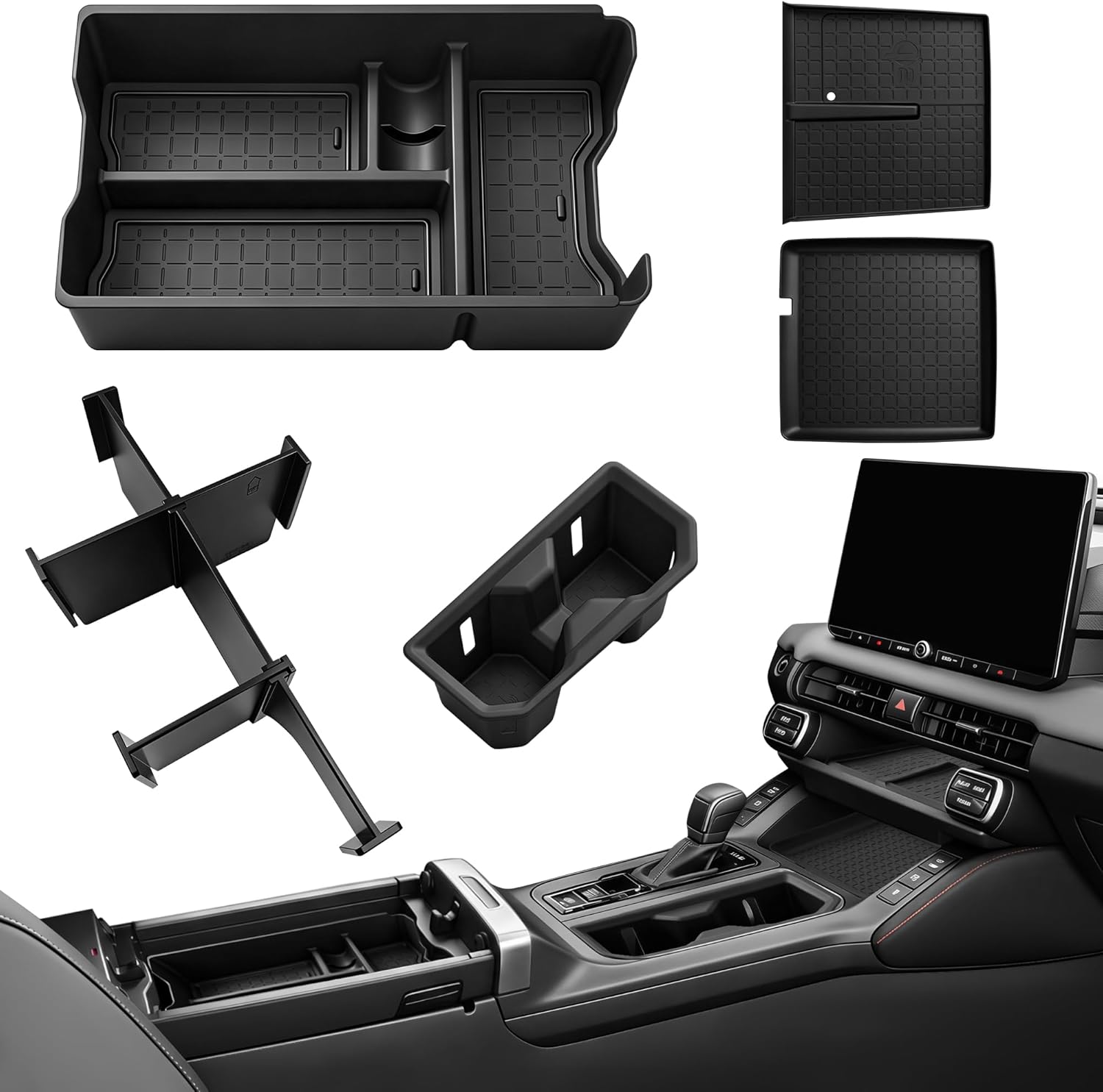
The QINQINTU center console organizer tray is custom‑engineered for the 2026 Toyota RAV4, delivering a seamless OEM‑fit that maximizes storage and adds a discreet hidden compartment. Its double‑layer silicone liner absorbs vibrations for a quiet ride, while the included cup‑holder liner keeps the interior tidy and easy to clean.

Upgrade your 2026 Toyota RAV4 interior with this soft, breathable armrest cover that offers full protection against scratches, dirt, and wear. Made from eco‑friendly material, it fits the console perfectly and stays securely in place with elastic straps. Installation is tool‑free, providing added comfort and reducing fatigue during long drives.
Know When to Involve the Dealer or Toyota
Bring the dealer in when the noise stays repeatable after basic checks, or when you suspect a fit, seal, glass, or mirror housing issue. Toyota explains that a Technical Service Bulletin (TSB) gives dealerships updates to Toyota publications. A TSB does not always mean your repair qualifies for free coverage, so ask the service advisor to check your vehicle identification number (VIN), warranty status, and open service information.
Build a simple evidence packet before your visit. Include short videos, exact speeds, weather, road type, passenger comments, and a list of fixes you already tried. Ask the technician to ride with you if the noise only happens under specific highway conditions.
Document repeatable wind-noise evidence before your dealer visit, then ask for a written diagnosis and repair plan.
- Prepare: Save your notes, media, warranty details, and clear descriptions of the noise.
- Present: Show the repeatable test, name the suspected area, and ask for documented diagnostic steps.
- Escalate: Contact Toyota customer support if the dealer cannot reproduce or address a clear repeatable issue.
Keep every repair order, even when the dealer says the sound seems normal. A paper trail matters if you return for the same concern or need help from Toyota customer support.
Compare Costs, Trade-Offs, and Replacement Options
If persistent wind noise resists targeted fixes, compare the cost of each repair with the comfort you gain. Basic seal cleaning, temporary tape tests, and small trim adjustments can cost little. Professional sound-deadening work, glass replacement, door alignment, or repeated diagnostic visits can cost much more.
Measure value by results, not by parts installed. A small seal fix that removes a whistle has more value than a large sound-deadening job that barely changes highway noise. Track your spending, noise readings, and comfort after each step.
Consider a different trim or newer model only after you test-drive it on the same kind of road that bothers you now. Some RAV4 trims include more noise-reducing features than others, but no spec sheet can replace your own highway test. If the cost of fixes approaches the cost difference for a quieter vehicle, replacement may make more sense for your daily driving comfort.
Frequently Asked Questions
How do you fix wind noise from the windshield while driving?
Inspect the windshield trim, A-pillar trim, and upper seal area for loose pieces, cracks, or gaps. If you see damage or the glass looks misaligned, ask a qualified glass shop or Toyota dealer to inspect it before you add sealant.
Can roof racks cause wind noise on a Toyota RAV4?
Yes, roof racks, crossbars, and unused cargo attachments can add wind noise. Check the crossbar direction, rubber strips, spacing, and hardware, then remove unused accessories for a comparison drive.
Why is my RAV4 loud only at highway speed?
Highway-only noise often points to airflow around mirrors, door seals, roof rails, or exterior trim. Tire noise can also rise with speed, so compare smooth and rough pavement before you blame wind.
Should you use caulk to stop car wind noise?
Use caulk only after a temporary test confirms the leak path. Choose an automotive-grade product, keep it away from drain paths and moving parts, and avoid any area that may need future service.
When should a dealer check RAV4 wind noise?
Ask the dealer to inspect the vehicle when the noise repeats at the same speed after basic checks. Bring recordings, notes, and warranty details so the technician can reproduce the concern faster.
Conclusion
The best way to fix RAV4 wind noise is to test first, change one thing at a time, and document each result. Start with mirrors, seals, trim, glass clues, and roof rack parts before you spend money on larger repairs. If the sound stays repeatable, bring a clear evidence packet to the dealer and ask for a written diagnosis. A careful process gives you the best chance at a quieter drive without wasting time or money.
References
- What is a Technical Service Bulletin? — Toyota Support
- 2024 Toyota RAV4 eBrochure — Toyota, 2024
- All-new Toyota RAV4 brings new technology and rugged style to every adventure — Toyota Europe Newsroom, 2026
- Toyota RAV4 Roof Rack Cross Bars — Toyota Genuine Parts