PSI stands for pounds per square inch, and it’s vital for your tire safety and performance. Proper tire pressure, typically between 30 and 35 PSI, affects vehicle handling, fuel efficiency, and braking. When tires are underinflated, you risk blowouts and longer stopping distances, while overinflation can lead to uneven tread wear and a rough ride. Monitoring and maintaining the correct PSI helps prolong tire life and improve fuel economy. Stay tuned to learn more about tire pressure maintenance tips.
What Is PSI and Why It Matters for Tire Safety
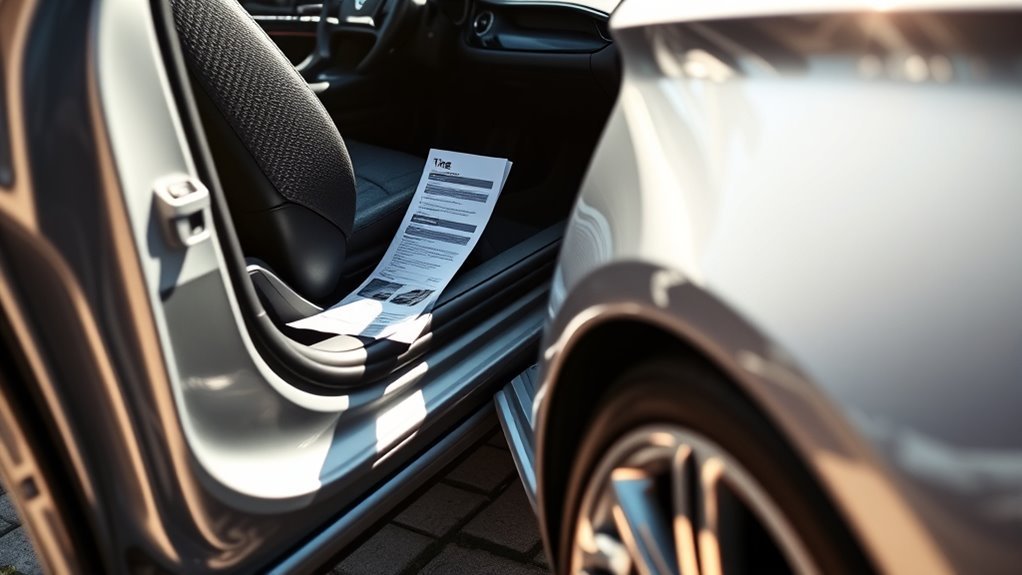
Understanding PSI, or pounds per square inch, is essential for maintaining tire safety and maximizing vehicle performance. Proper tire pressure, typically between 30 and 35 PSI when tires are cold, directly impacts your vehicle’s handling, fuel efficiency, and braking capabilities. If your tires are underinflated, you risk dangerous blowouts, extended braking distances, and accelerated sidewall wear. Conversely, overinflated tires can lead to reduced traction and uneven tread wear, compromising your safety on the road. To guarantee peak performance, check your tire pressure regularly—ideally weekly or monthly, and especially before long trips. You can find the recommended PSI in your owner’s manual or on a sticker in the driver’s door jamb, which may differ for front and rear tires.
How Temperature Changes Affect Tire Pressure (PSI)
As temperatures fluctuate, your tire pressure can change considerably, impacting your vehicle’s performance and safety. It’s essential to stay vigilant, especially during colder months.
- A drop of 10°F can decrease tire pressure by about 1 PSI, leading to low tire pressure and reduced traction.
- Rising temperatures can increase tire pressure, risking overinflation and compromised handling.
- Cold weather often triggers your low tire pressure warning light, signaling an immediate need for checks.
Regularly monitoring your tire pressure guarantees you maintain ideal PSI, enhancing your vehicle’s safety and performance. Remember, always check your tire pressure when the tires are cold for accurate readings. Your journey deserves to be smooth and secure, regardless of the weather!
The Effects of Underinflation on Tire Performance
When tires are underinflated, they don’t just lose air; they compromise your vehicle’s performance and safety. An underinflated tire’s rolling resistance increases, leading to decreased fuel efficiency—up to 3% for every 1 PSI drop below the correct PSI. Handling responsiveness suffers too; 20% underinflation can result in longer braking distances and a higher risk of accidents. Excessive flexing of the sidewalls accelerates tire wear and can cause dangerous blowouts at high speeds. You also face a 25% increase in tire wear, reducing lifespan and necessitating frequent replacements. With 70% of tire blowouts linked to underinflated tires, regular pressure checks are essential to maintain safety and performance on the road.
The Dangers of Overinflation: Key Considerations

Although many drivers focus on the dangers of underinflation, overinflated tires pose significant risks that shouldn’t be overlooked. When you inflate your tires above the recommended PSI, you might experience a dangerous combination of issues:
- Bouncy Ride: Overinflation can lead to a harsh, unstable drive, compromising your comfort and control.
- Uneven Wear: Just a few pounds over maximum pressure causes premature tire wear, resulting in costly replacements.
- Blowout Risk: Excessive pressure increases the likelihood of tire blowouts, especially in heat or on rough surfaces.
Maintaining the correct PSI is crucial for safety and fuel efficiency, allowing your tires to grip the road effectively. Don’t let overinflation jeopardize your driving experience—stay informed and vigilant.
Finding the Recommended PSI for Your Tires
To find the recommended PSI for your tires, start by checking the yellow sticker on the driver side door jamb; it usually contains the specific inflation pressure for your vehicle. If you can’t find it there, consult your owner’s manual for detailed information. Remember, maintaining the correct PSI is essential for your safety and vehicle performance.
Locate Manufacturer’s Recommendations
How can you guarantee your tires are properly inflated? Start by locating the manufacturer’s recommendations. Finding the recommended PSI is essential for your safety and efficiency. Here’s how to do it:
- Check the sticker on the driver’s side door jamb.
- Refer to your vehicle’s owner’s manual for specific PSI details.
- Remember, recommended pressure may vary for front and rear tires.
Most passenger vehicles typically require 30 to 35 PSI when the tires are cold. Ignoring the manufacturer’s recommended PSI can lead to safety hazards and reduced fuel efficiency. Always focus on the recommended pressure, not the maximum PSI listed on the tire sidewall. Keeping your tires properly inflated empowers you on the road!
Check Door Jamb Sticker
Once you’ve located the manufacturer’s recommendations for tire pressure, you’ll want to check the door jamb sticker for the specific PSI for your vehicle. This yellow sticker, usually found on the driver side, lists the ideal pounds per square inch for both front and rear tires. It’s vital to follow these guidelines to guarantee your vehicle performs safely and efficiently. Remember, the recommended PSI might differ between the front and rear tires, so pay attention to both specifications. For the most accurate reading, always check the pressure when your tires are cold, as temperature changes can affect tire pressure. This simple step can help you maintain control and fuel efficiency on your journeys.
Consult Owner’s Manual
While you can find the recommended PSI for your tires on the door jamb sticker, your owner’s manual is another essential resource for this information. It’s tailored to your vehicle’s make and model, ensuring you have the right figures. Regularly consulting your owner’s manual can lead to:
- Enhanced safety—proper PSI reduces the risk of blowouts.
- Improved fuel efficiency—maintaining recommended PSI saves you money at the pump.
- Best performance—your car handles better, providing a smoother ride.
Different Tire Pressure Measurement Units
When it comes to measuring tire pressure, understanding the various units of measurement is essential for ensuring your vehicle’s safety and performance. The most common unit is PSI, or pounds per square inch, widely used in countries that follow the imperial system. In contrast, metric countries often use BAR, where 1 BAR equals approximately 14.50 PSI, or kPa (kilopascal), where 1 kPa equals about 0.145 PSI. To maintain proper pressure in your tires, it’s vital to know how to convert between these units: multiply BAR by 14.504 for PSI or PSI by 6.895 to get kPa. An accurate understanding of these measurements helps you keep your tires in prime condition, enhancing your driving experience and safety.
How Frequently Should You Check Your Tire Pressure?

Regularly checking your tire pressure is essential for maintaining optimal performance and safety. To make sure your tires are functioning at their best, consider these guidelines:
- Check monthly: Inspect your tire pressure at least once a month to catch any issues early.
- Weekly before trips: Especially before long drives, check your tire pressure to prevent potential hazards on the road.
- Cold tires only: Always use a pressure gauge on cold tires for the most accurate reading, as driving can inflate the temperature and skew results.
Common Mistakes to Avoid When Checking Tire Pressure
Checking tire pressure is essential for your vehicle’s safety and performance, yet many drivers make simple mistakes that can lead to serious consequences. Here are common pitfalls to avoid:
| Mistake | Consequence | Solution |
|---|---|---|
| Checking when tires are hot | False readings | Check when tires are cold |
| Ignoring manufacturer-recommended PSI | Incorrect inflation | Refer to owner’s manual or door |
| Inflating to max sidewall PSI | Compromised safety | Follow vehicle’s guidelines |
| Overlooking front/rear PSI differences | Uneven wear and poor handling | Check specific recommendations |
| Not checking regularly | Under/overinflation | Establish a routine check |
Tips for Maintaining Optimal Tire Pressure Year-Round
Maintaining ideal tire pressure year-round is essential for your vehicle’s performance and safety. To keep your tires in top shape, follow these tips:
- Check tire pressure monthly and before long trips. Aim for 30 to 35 PSI when tires are cold.
- Monitor air pressure during temperature changes, especially in fall and winter, as cold weather can cause it to drop.
- Refer to the manufacturer’s guidelines on the driver’s door sticker or owner’s manual for the correct PSI for each tire.
Understanding the Relationship Between PSI and Fuel Efficiency
While it may seem like a small detail, the PSI in your tires plays an essential role in determining your vehicle’s fuel efficiency. Maintaining the correct PSI can boost fuel economy considerably—up to 3% for every 1 PSI drop below the recommended level. Proper tire pressure guarantees ideal contact with the road, enhancing traction and reducing rolling resistance, both of which directly improve fuel consumption. Regularly checking your tire pressure not only prevents excessive wear but also prolongs tire life, saving you replacement costs. According to the U.S. Department of Energy, properly inflated tires can enhance fuel economy by about 0.4% for each 1 PSI increase, contributing to a greener planet and a more economical drive.
Frequently Asked Questions
Should My Tires Be 32 or 35 PSI?
Your tires should ideally be at the manufacturer-recommended tire pressure, typically between 30 and 35 PSI. Check your owner’s manual to find the best inflation level for your specific vehicle model for safety and performance.
What Does 30 PSI Mean?
30 PSI means your tire pressure is ideally set for maximum inflation. Think of it as the sweet spot for performance, enhancing safety and fuel efficiency. Keep it checked regularly to guarantee your ride’s smooth and liberated.
Is 40 PSI Too Much Air Pressure in Tires?
Yes, 40 PSI is often too much air pressure for tires. It can lead to reduced traction and uneven wear, impacting your vehicle’s performance. Always check the manufacturer’s recommendations for ideal tire pressure.
Does More PSI Mean More Power?
More PSI doesn’t mean more power; it’s a balancing act. You need ideal tire performance, where proper pressure guarantees control and safety. Too much pressure can destabilize your ride, undermining the freedom you seek.
Conclusion
So, while you might think ignoring that little PSI number is harmless, it turns out it could cost you more than just a few extra bucks at the pump. A simple tire pressure check can save you from unexpected blowouts, enhance your vehicle’s performance, and improve fuel efficiency. It’s ironic how a tiny bit of air pressure can make such a big difference, isn’t it? Don’t let negligence deflate your ride—stay safe and save money by keeping those tires properly inflated.