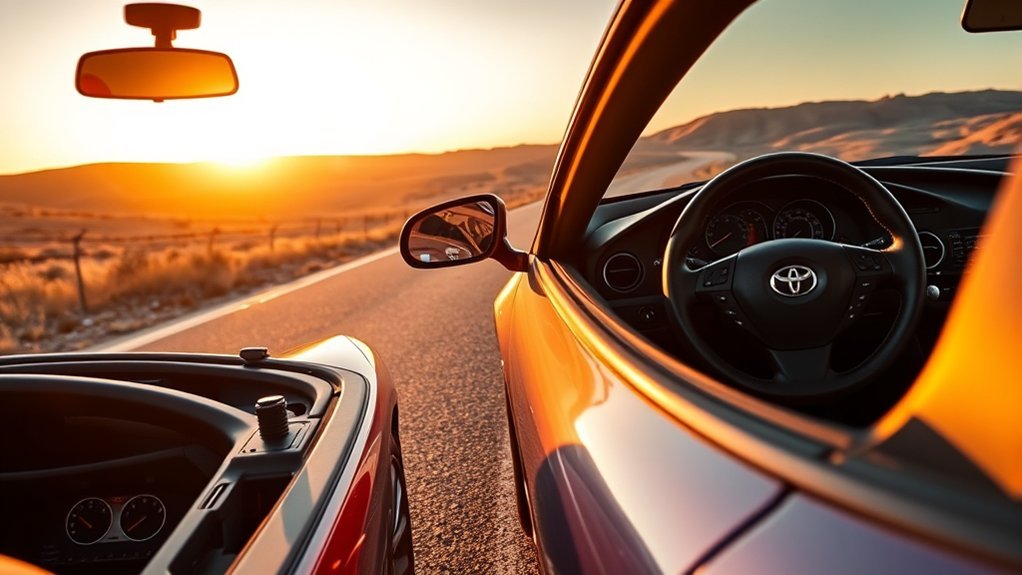
When you compare the Toyota Supra’s manual and automatic transmissions, you’ll notice distinct driving experiences. The manual offers a six-speed shifter, giving you more control and engagement, while the automatic, with its ZF 8HP system, boasts rapid gear changes and efficiency for city driving. Though manuals foster driving nostalgia, automatics tend to provide quicker lap times. Each option caters to different preferences, so let’s explore what makes them unique and how they can enhance your driving journey.
Key Differences Between Manual and Automatic Transmissions in the Supra
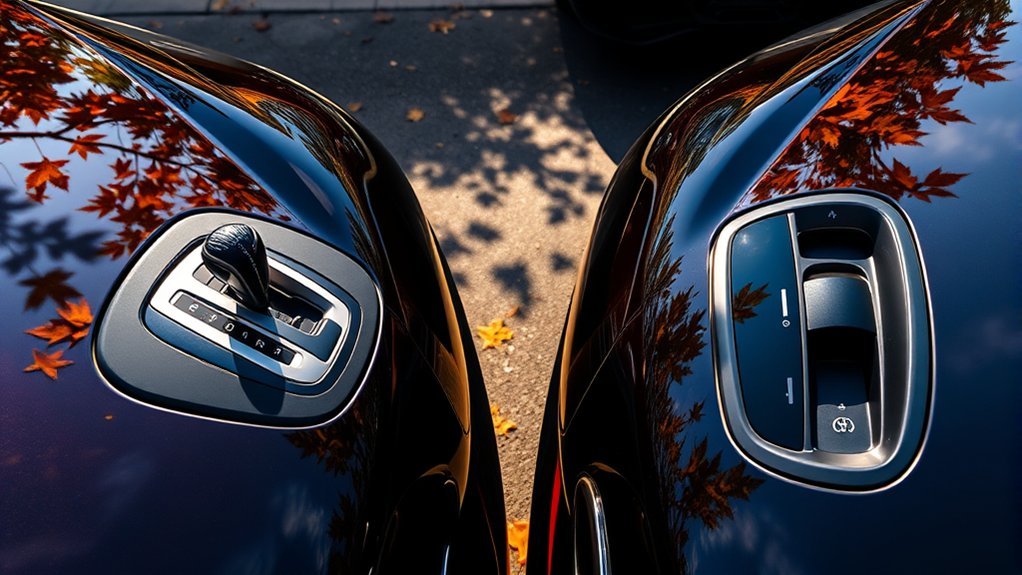
When choosing between the manual and automatic transmissions in the Toyota Supra, it’s essential to understand how each option caters to different driving experiences. The manual version offers distinct advantages, including a six-speed shifter that enhances engagement and control, particularly during downshifting. With a Toyota-estimated 0-60 time of 4.2 seconds (Car and Driver measured 3.9), it appeals to driving purists seeking a traditional sports car feel. On the other hand, the automatic transmission shines in efficiency, featuring the ZF 8HP system that enables rapid gear changes in just 200 milliseconds. This makes it ideal for urban driving and competitive track scenarios, where consistent performance matters. Ultimately, your choice hinges on whether you value manual advantages or automatic efficiency in your driving adventures.
Comparing Performance Metrics on the Track
Understanding the performance metrics of the Toyota Supra on the track reveals how each transmission option plays a role in lap times and overall driving experience. In lap time analysis, the automatic version typically outperforms the manual due to its superior shift efficiency, enabling quicker gear changes. On track, the manual is engaging, but the automatic consistently achieves faster lap times. Both versions show comparable acceleration curves, but the automatic tends to brake earlier, affecting overall speed. The six-speed manual fosters greater driver engagement, especially in autocross scenarios where precise gear shifts are essential. Ultimately, your choice depends on whether you prioritize raw performance or a more connected driving experience.
How Does Each Transmission Feel to Drive?
Driving a Toyota Supra with either transmission offers distinct sensations that cater to different preferences. The manual transmission delivers a shifting experience that enhances driver engagement, granting you precise control over gear changes. You’ll feel the rubbery texture of the six-speed shifter, but don’t let that fool you; accurate upshifts and smooth rev-matching downshifts make it a joy to drive. However, mastering heel-and-toe downshifting may take some practice. On the other hand, the ZF 8HP automatic provides seamless, quicker shifts, perfect for less experienced drivers. Its paddle shifters mimic a manual feel, allowing for efficient multi-gear drops. While skilled drivers can achieve impressive times with the manual, the automatic often excels in straight-line performance, making it a compelling choice.
Community Insights on Manual vs. Automatic Supras

The debate between manual and automatic transmissions in the Toyota Supra has sparked lively discussions among enthusiasts. Many drivers express a strong preference for the manual, highlighting its engaging driving experience and the driving nostalgia it invokes. The ability to perform heel-and-toe downshifting adds a layer of enjoyment that the automatic simply can’t match. While the automatic might deliver quicker lap times and convenience, the manual’s traditional sports car feel resonates deeply with those who cherish control. Community feedback suggests that the manual’s allure might even diminish the automatic’s appeal, with some owners opting for both to savor different driving experiences. Ultimately, manual drivers often showcase impressive performance metrics, achieving roughly 4-second 0-60 times that underline their passion.
Choosing the Right Transmission for Your Driving Style
When considering which transmission suits your driving style, it’s essential to reflect on how you plan to experience the road. If you crave engagement and control, the manual transmission in the Toyota Supra offers a nostalgic connection, allowing you to feel every shift. This option reaches 60 mph in a Toyota-estimated 4.2 seconds (0-60 time), enhancing the thrill of driving. On the other hand, if efficiency and quickness are your priorities, the ZF 8HP automatic boasts faster shift times, making it ideal for competitive environments. Ultimately, your choice should align with your driver preferences. Both transmissions have unique benefits, so think about what experience you want: involvement or seamless performance, and choose accordingly.
Frequently Asked Questions
Is the Supra Manual Worth Buying?
Yes, the Supra manual’s engaging driving experience and nostalgic feel make it worth buying. Plus, its potential for strong resale value appeals to those who appreciate traditional sports car dynamics and seek a unique connection with their vehicle.
What Is More Reliable, a Manual or Automatic?
When considering reliability, manuals often have lower maintenance costs due to fewer moving parts. However, automatics like the ZF 8HP excel in performance. Your driving habits ultimately determine reliability factors for both types.
Conclusion
In choosing between the manual and automatic Toyota Supra, you’re not just picking a transmission; you’re selecting a driving experience. If you crave the thrill of precise gear shifts and a more engaged connection, the manual beckons you. If you seek seamless acceleration and ease in traffic, the automatic calls your name. Each option offers a unique blend of performance and enjoyment, so consider your driving style carefully—your Supra adventure awaits, tailored to your preference.