Last updated: August 8, 2026 · Author/reviewer: [VERIFY: add the real author or reviewer name and credentials in the CMS]
Toyota 4Runner ground clearance depends on generation and trim, so there is no single number that applies to every 4Runner. Toyota advertised 9.6 inches for the 2024 fifth-generation 4Runner, while Toyota’s 2025 sixth-generation grade guide lists 8.1 to 10.1 inches: 8.1 inches for SR5, 8.8 inches for the Sport/Limited/Platinum group, 9.1 inches for TRD Off-Road, and 10.1 inches for TRD Pro and Trailhunter. Toyota’s current 2026 4Runner page continues to advertise ground clearance of up to 10.1 inches. For your own vehicle, measure several fixed underbody low points on level ground and use the smallest vertical gap as your practical static-clearance figure.
| 2025 4Runner Grade Group | Toyota-Published Ground Clearance | Approach Angle | Departure Angle | Breakover Angle |
|---|---|---|---|---|
| SR5 | 8.1 in. | 18° | 22° | 23° |
| TRD Sport / Limited / Platinum grade group | 8.8 in. | 18° | 22° | 24° |
| TRD Off-Road | 9.1 in. | 19° | 24° | 24° |
| TRD Pro / Trailhunter | 10.1 in. | 33° | 24° | 24° |
Generation check: Do not apply 2010–2024 fifth-generation specifications, KDSS discussions, or modification measurements to a redesigned 2025-and-newer 4Runner without verifying the exact model year and grade.
What Ground Clearance Means for a 4Runner
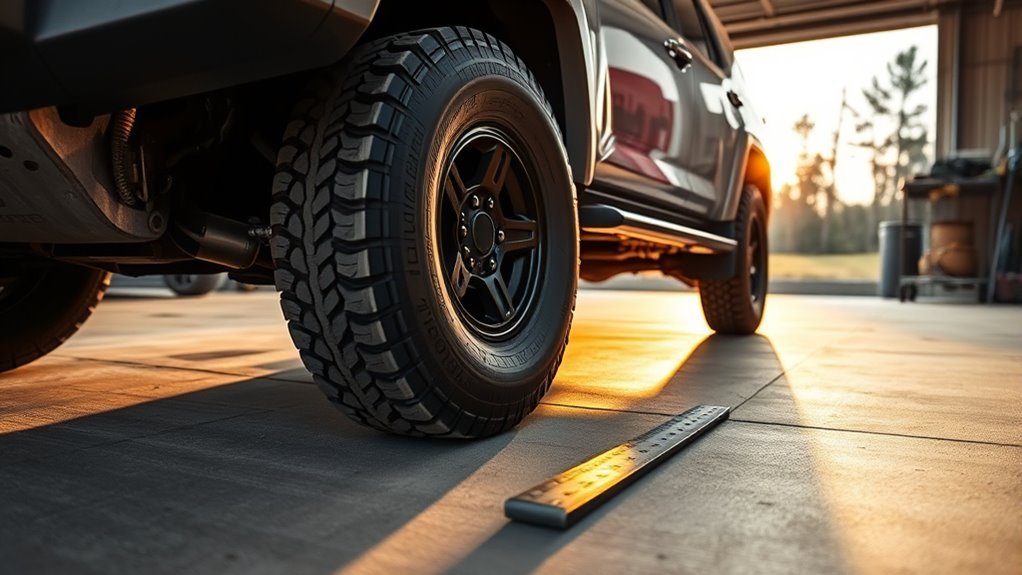
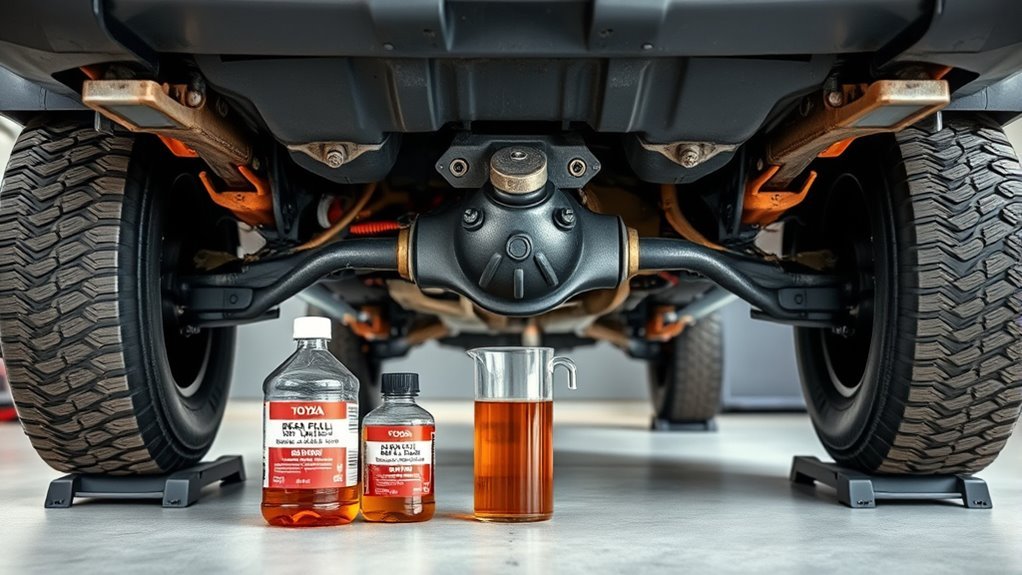
Ground clearance is the vertical space between the ground and a low part of the vehicle. For trail driving, the most useful number is the clearance at the fixed component most likely to contact terrain. Depending on model year, trim and accessories, that may be a differential housing, skid plate, crossmember, exhaust component or another protected underbody part.
Ground clearance is only one part of off-road geometry. Approach angle describes how steep an obstacle the front of the vehicle can meet before the bumper or air dam contacts it. Breakover angle describes the vehicle’s ability to pass over a crest without grounding the middle. Departure angle describes rear-bumper clearance as the vehicle leaves an obstacle.
That distinction matters when modifying a 4Runner. Removing a low front air dam may improve approach angle without changing clearance beneath the rear differential. Likewise, a suspension lift may raise the frame and body while leaving a solid rear axle’s differential-to-ground distance almost unchanged unless tire diameter also increases.
Quick DIY: Measure Your 4Runner’s Ground Clearance
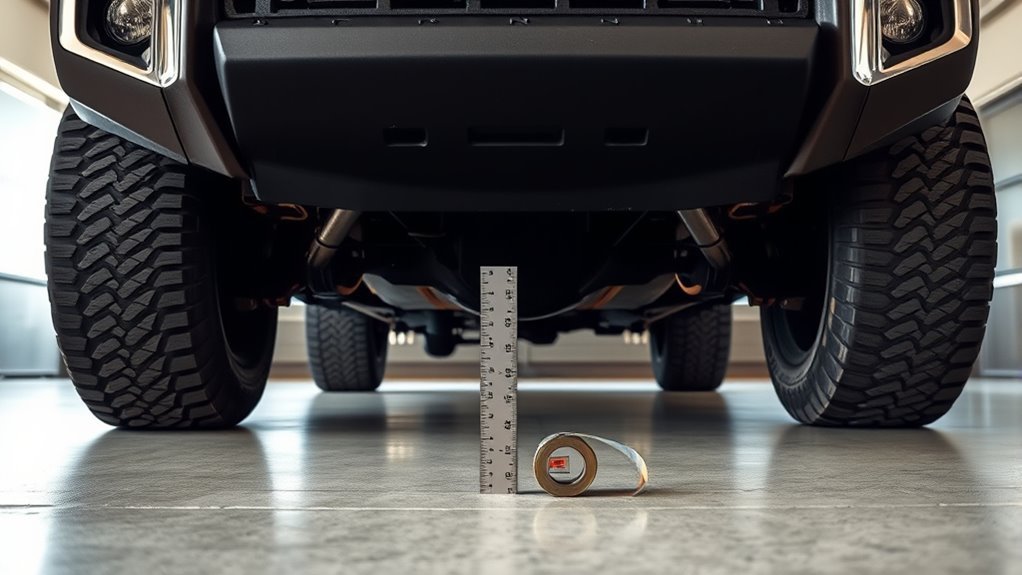
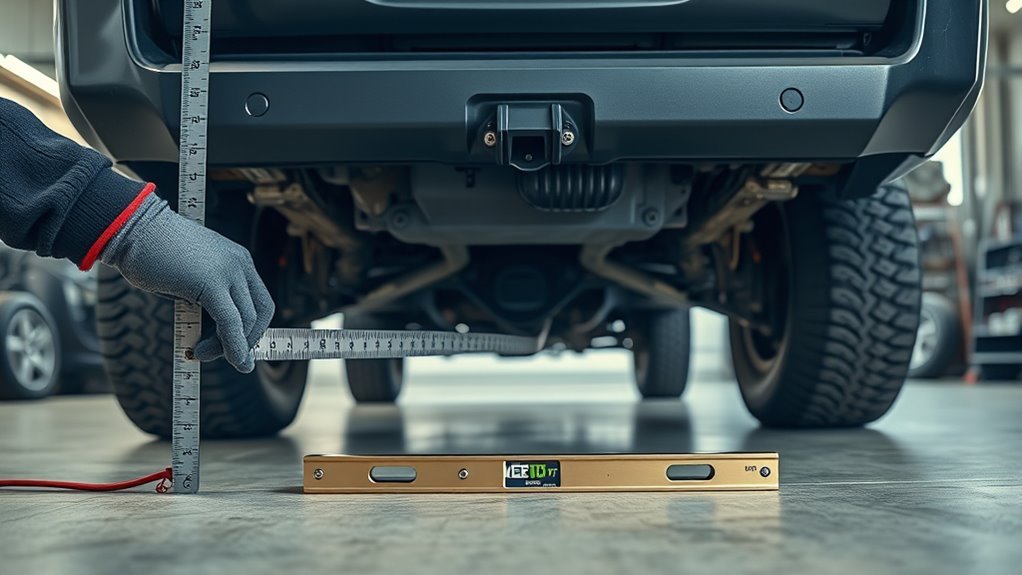
You can measure your 4Runner’s practical static ground clearance with a tape measure on a flat, hard surface. The goal is not to reproduce Toyota’s engineering test exactly. The goal is to identify the smallest real gap under your particular vehicle with its actual tires, accessories and load.
- Park on flat, hard and level pavement with the steering straight.
- Set tire pressures to the vehicle’s specified cold pressures.
- Remove unusual cargo if you want a normal unloaded baseline, or document the load if you want a trip-ready measurement.
- Roll the vehicle a short distance and let the suspension settle naturally.
- Measure vertically from the ground to several fixed low points, including the rear differential housing, skid plates, crossmembers and other exposed components.
- Record the smallest measurement. That is the limiting static clearance among the points you checked.
- Record the model year, trim, tire size, tire pressure, suspension modifications and load so you can reproduce the test later.
Safety: Do not jack the vehicle to make a ground-clearance measurement. Raising the vehicle changes the suspension position and can invalidate the result. Do not crawl beneath a vehicle unless you have adequate safe working space and proper support procedures.
| Step | Purpose |
|---|---|
| Park & inflate | Create a repeatable baseline |
| Measure several low points | Find the limiting component |
| Check both sides where relevant | Catch uneven load, surface or suspension differences |
| Record smallest reading | Use the limiting clearance rather than the most favorable number |
Tools and Setup for an Accurate Measurement
For a driveway measurement, you normally need only a tape measure, a short straightedge or small level, tire-pressure gauge, notepad and a genuinely level surface. A digital caliper is unnecessary for most underbody measurements because tire deflection, vehicle load and surface variation are larger sources of error than fractions of a millimeter.
Measure vertically rather than diagonally. If a component is difficult to reach directly, hold a straightedge against its lowest edge and measure down to the pavement. Repeat questionable readings before recording them.
Load and tire pressure matter. Added cargo can compress the sprung suspension and reduce body or frame clearance. Lower tire pressure reduces loaded tire radius and therefore reduces clearance at axle-mounted components. For meaningful before-and-after comparisons, use the same surface, pressure and load state.
[Products Worth Considering]
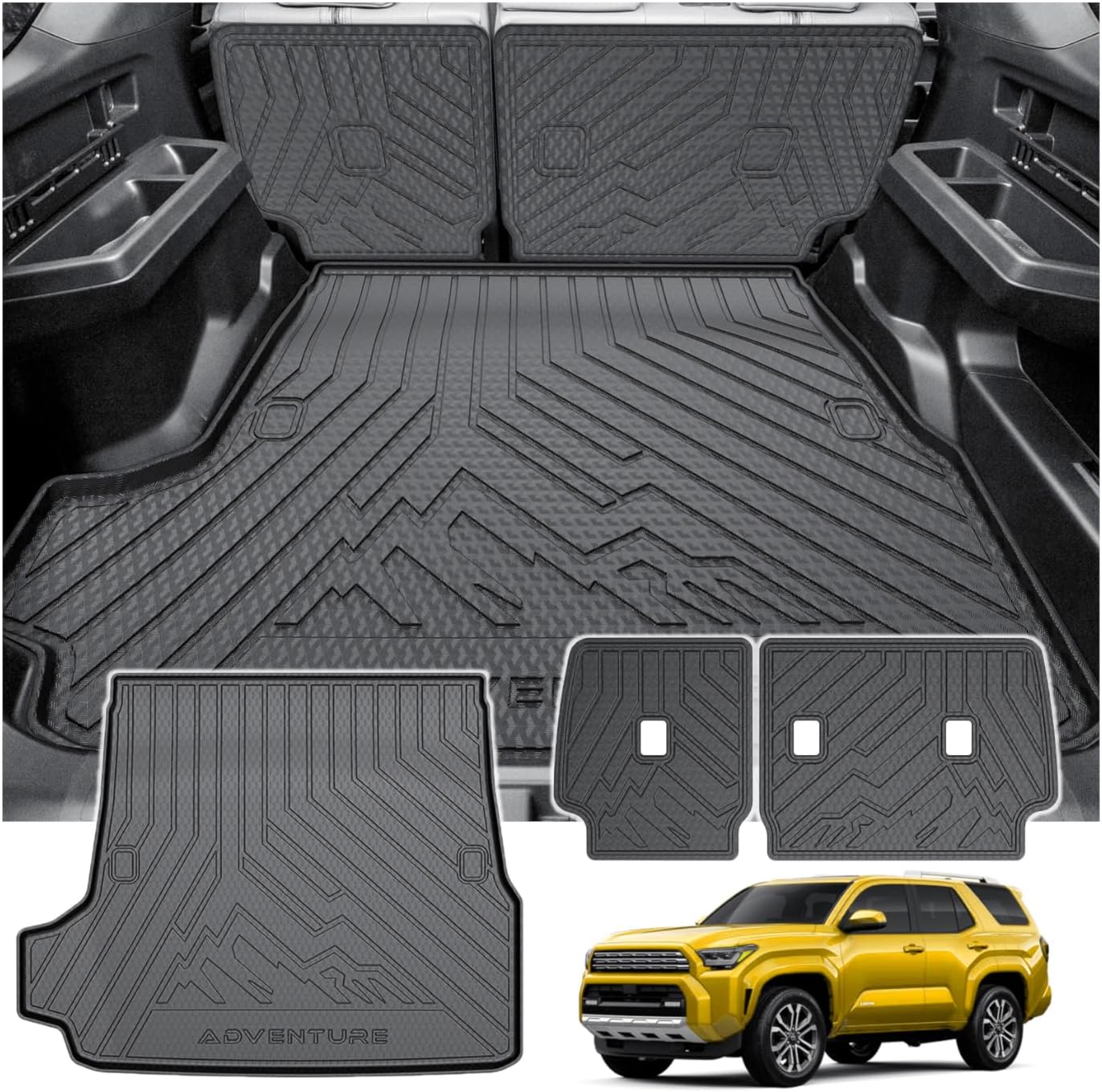
This custom-fit cargo mat is designed for 2025-2026 Toyota 4Runner gas models with 5 seats, offering full coverage for the trunk and back seat area. Made from durable TPE material with raised edges, it helps protect against mud, spills, dust, and everyday wear while staying easy to remove and clean.
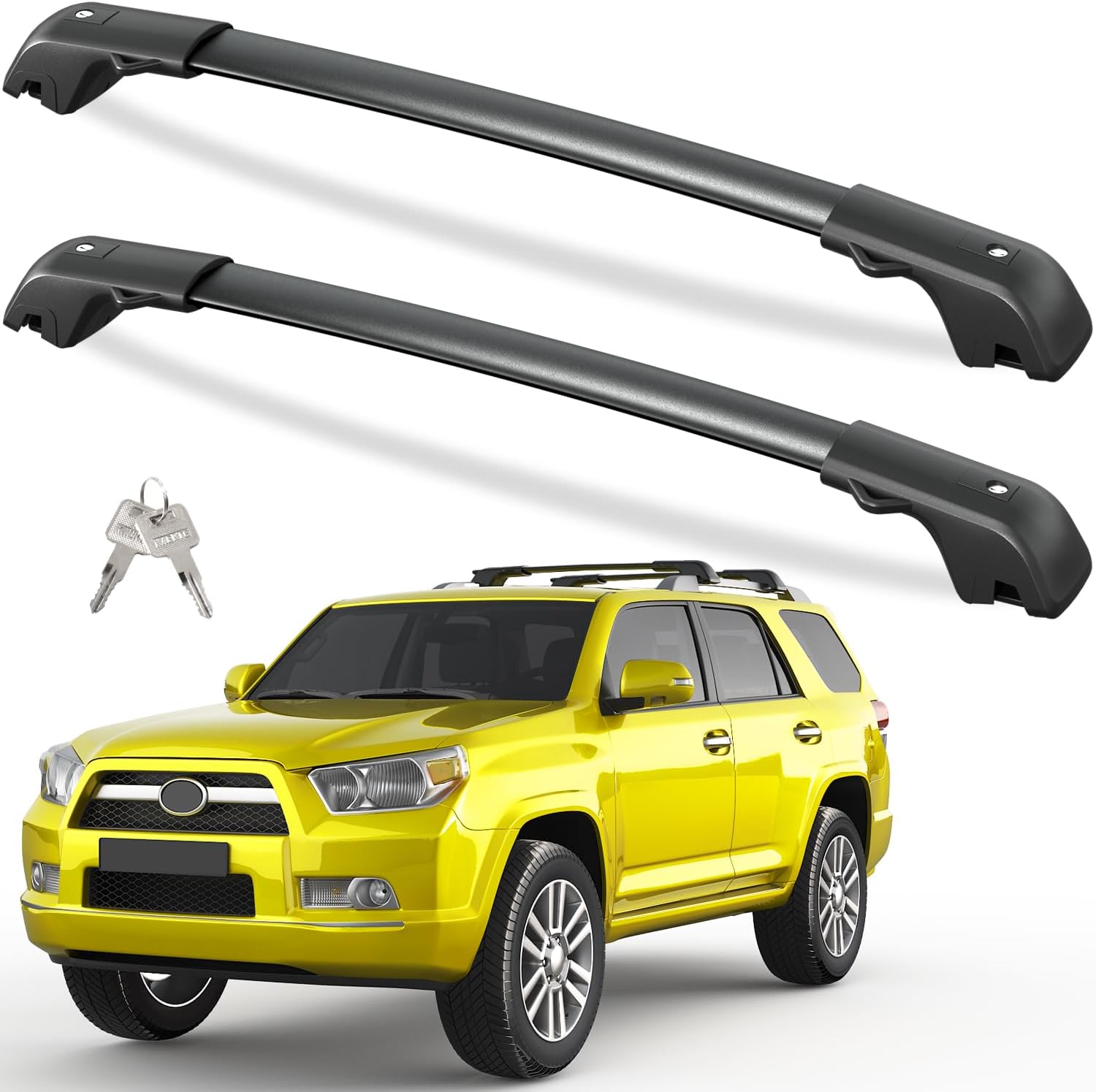
Designed specifically for Toyota 4Runner models with side roof rails, these lockable cross bars provide a secure and practical way to carry luggage, ladders, and other cargo. The aluminum construction, anti-theft metal lock, and tie-down loops add durability and confidence, while the low-profile design helps reduce wind noise during travel. Easy to install and backed by a 12-month warranty, they offer a dependable upgrade over standard crossbars.

These grille retainer clips provide a reliable replacement for the OEM Toyota 90467-12040 part number, helping restore secure body panel attachment on compatible vehicles. Designed for a tight push-in fit, they are made from durable black nylon to resist wear, corrosion, and cracking during everyday use. This set of 10 is ideal for keeping spare clips on hand for grille and trim repairs.
How Toyota Measures 4Runner Ground Clearance
Toyota publishes standardized ground-clearance specifications so different grades can be compared, but the public consumer material reviewed for this update does not describe every engineering datum, load condition and measurement step used to create the published number. For that reason, do not assume a driveway measurement must exactly reproduce Toyota’s specification.
The most useful approach is to treat the factory number as a reference specification and your own measurement as a vehicle-specific operating measurement. Your reading can differ because of tire model and wear, cold tire pressure, cargo, suspension condition, accessories, skid plates and aftermarket modifications.
This distinction also prevents generation confusion. Toyota advertised 9.6 inches for the outgoing 2024 4Runner, while Toyota’s 2025 sixth-generation grade guide lists values from 8.1 through 10.1 inches depending on grade.
How Tires, Trim & Accessories Change Measured Clearance
Tires, suspension, trim-specific hardware and accessories can all change what you measure, but they do not change every part of the vehicle in the same way. The most important distinction is between axle clearance and body/frame clearance.
Tire Size Effects
Larger tires are the most direct way to increase clearance beneath axle-mounted components because they increase the distance from the wheel centerline to the ground. As a simple theoretical rule, divide the increase in actual tire diameter by two.
For example, if an installed tire truly measures 31.5 inches in diameter and its replacement truly measures 33.0 inches, the diameter increases by 1.5 inches. The theoretical axle-height increase is therefore about 0.75 inch. Real gains can be smaller because advertised tire sizes are nominal and loaded radius changes with tire construction, pressure, vehicle weight and tread wear.
- Larger actual tire diameter can raise differential and axle clearance.
- Lower air pressure reduces loaded tire radius and ground clearance.
- A heavier load can change ride height and tire deflection.
- Wheel diameter alone does not determine ground clearance; overall tire diameter does.
- Always verify fitment, rubbing, speedometer effects and manufacturer limitations before changing tire size.
Trim-Level Differences
Trim differences on the redesigned 2025 4Runner are substantial enough that the badge cannot be ignored. Toyota’s 2025 grade guide lists the SR5 at 8.1 inches, the Sport/Limited/Platinum group at 8.8 inches, the TRD Off-Road at 9.1 inches, and the TRD Pro and Trailhunter at 10.1 inches.
The TRD Pro and Trailhunter also use off-road-focused suspension and Toyota markets them with 33-inch all-terrain tires. TRD Off-Road uses different suspension and front-end geometry and carries a Toyota-published 19-degree approach angle in stock configuration, compared with 33 degrees for TRD Pro and Trailhunter.
For 2025-and-newer vehicles, verify the sixth-generation specifications instead of carrying forward fifth-generation KDSS-based clearance figures. Toyota introduced a different Stabilizer Disconnect Mechanism on applicable sixth-generation configurations.
Accessories And Skidplates
Accessories can either protect low components or become the new contact point. A skid plate may hang slightly below the component it protects, trading a small amount of clearance for a stronger sacrificial surface. Rock rails, exhaust components, steps and aftermarket protection can also alter the lowest point.
A front air dam is different. Removing one can improve approach angle by eliminating low front bodywork, but it does not automatically increase clearance beneath the differential or every other underbody component.
- Larger tires can raise axle and differential clearance.
- A suspension lift can raise frame and body clearance.
- A suspension lift alone may not raise a solid rear differential.
- A skid plate may become the first contact point while protecting more vulnerable hardware.
- Air-dam removal primarily changes front approach geometry.
- Re-measure after every meaningful modification.
Stock Clearances by 4Runner Trim (SR5, TRD Off-Road, TRD Pro, Trailhunter)
For the redesigned 2025 Toyota 4Runner, Toyota’s published grade matrix gives a much wider clearance range than the outgoing-generation 9.6-inch figure. This is why articles that use one clearance number for every 4Runner can be misleading.
| 2025 Grade | Ground Clearance | What the Number Means for a Shopper |
|---|---|---|
| SR5 | 8.1 in. | Lowest Toyota-published figure in the 2025 grade matrix |
| TRD Sport / Limited / Platinum group | 8.8 in. | More clearance than SR5, but not the dedicated off-road maximum |
| TRD Off-Road | 9.1 in. | Off-road-focused grade with additional trail hardware and geometry |
| TRD Pro / Trailhunter | 10.1 in. | Highest Toyota-published clearance in the 2025 matrix |
For 2026, Toyota’s current consumer page continues to state that 4Runner ground clearance reaches up to 10.1 inches. [VERIFY: if publishing a full 2026 trim-by-trim table, confirm each grade against Toyota’s current VIN/grade specification rather than automatically copying the 2025 matrix.]
[Products Worth Considering]

These EZ running boards are designed to improve access to your Toyota Tacoma while maintaining the vehicle's off-road capability. Built for Double Cab and Xtra Cab front door applications, they offer a sturdy step up, simple installation, and dependable support for daily use or trail adventures.

Designed for 2013-2024 Toyota 4Runner models with 5-passenger seating, this custom-fit set delivers full interior coverage with floor mats, a cargo liner, rear seat back protectors, and door sill guards. The all-weather TPE construction helps block spills, dirt, and pet messes while raised edges and secure clips keep everything in place for daily driving. Installation is simple, and cleaning is quick with just water.
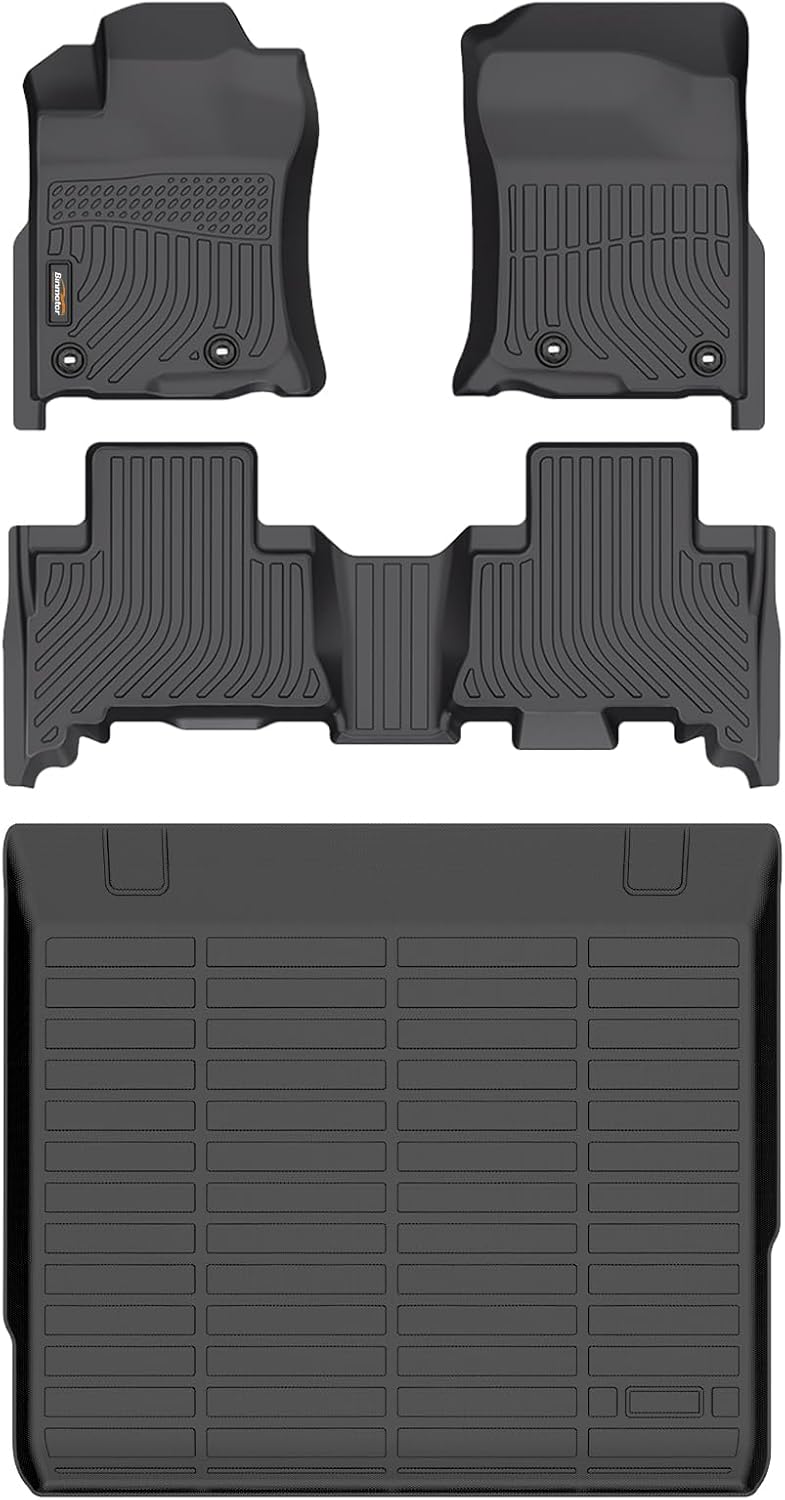
These custom-fit floor mats and cargo liner are designed for select Toyota 4Runner models and provide full-coverage protection for your interior. Made from durable TPE material with raised edges and non-slip buckles, they help contain dirt, spills, snow, and debris while staying securely in place. The waterproof design is easy to clean, making them a practical all-weather upgrade for everyday driving.
Lowest Points Explained: Rear Pumpkin vs. Skid Plate vs. Bumper
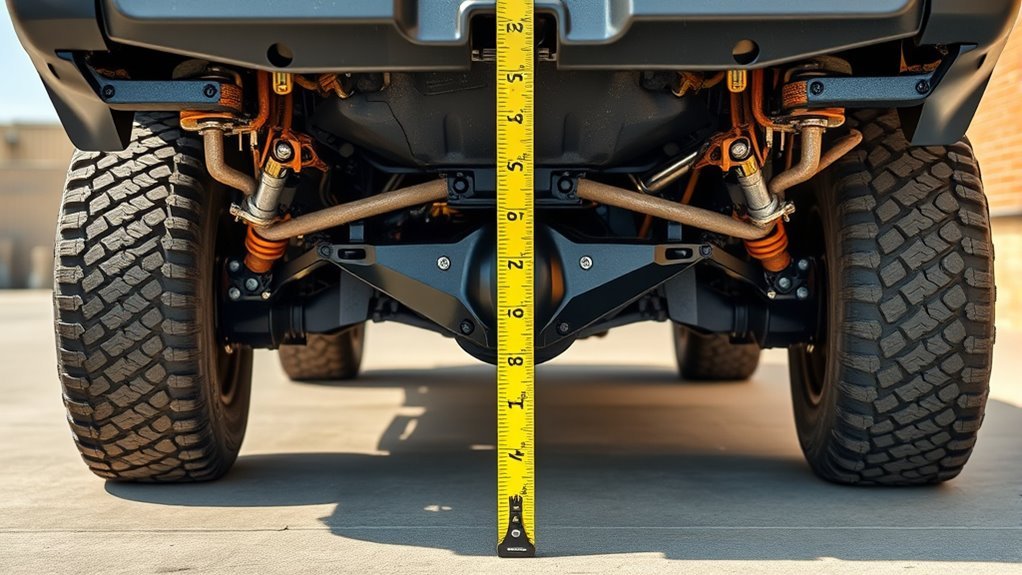
Do not assume one component is the lowest point on every 4Runner. Start with the rear differential housing on models with a solid rear axle, then inspect skid plates, crossmembers, exhaust components and other fixed hardware. The smallest vertical gap among the components you actually checked is the most useful static number for that vehicle.
The bumper and air dam should be evaluated separately because they influence approach and departure angles more directly than axle clearance.
Rear Differential Clearance
The rear differential housing is an important measurement point because it is attached to the solid rear axle. Its relationship to the ground is therefore controlled primarily by the tire’s loaded radius rather than by how high the body sits above the axle.
This produces one of the most important modification rules for a 4Runner: a suspension lift can create more space between the axle and body while leaving the differential almost the same distance from the ground. To raise the differential itself, you generally need a larger loaded tire radius.
- Measure the lowest portion of the differential housing if it appears to be a limiting point.
- Use a vertical measurement rather than measuring at an angle.
- Record tire pressure and tire size with the measurement.
- Do not assume a two-inch suspension lift produces two additional inches beneath the differential.
- Choose trail lines that keep known low points away from rocks and ledges.
Front Skid Plate Height
A front skid plate is designed to take or deflect contact that could otherwise damage more vulnerable components. Because it sits beneath protected hardware, it can become one of the lowest points you see during a driveway inspection.
Measure it if it appears lower than adjacent chassis parts, but keep its function in mind. A strong skid plate contacting an obstacle is different from striking an unprotected oil pan, drivetrain housing or exhaust component.
Do not transfer fifth-generation KDSS clearance claims directly to the redesigned 2025-and-newer 4Runner. Verify the exact model year, suspension system and skid-plate configuration before comparing measurements.
Bumper And Air Dam
The bumper and front air dam mainly affect whether the nose of the 4Runner contacts an obstacle before the tires can climb it. That is an approach-angle issue rather than a simple under-axle ground-clearance issue.
Toyota’s 2025 grade guide lists a 19-degree approach angle for TRD Off-Road and 33 degrees for TRD Pro and Trailhunter. Front-end design and low trim pieces are part of that difference.
- Use ground clearance to evaluate low underbody contact points.
- Use approach angle to evaluate front-bumper or air-dam contact.
- Use breakover angle to evaluate cresting obstacles.
- Use departure angle to evaluate rear-bumper contact.
- Recheck all four considerations after changing tires, suspension or bumper components.
Common Ground-Clearance Measurement Mistakes to Avoid
The most common mistake is looking for the biggest number instead of the limiting number. If one component has 10.0 inches beneath it but another fixed component has 9.0 inches, the 9.0-inch point is the more important constraint for obstacle clearance.
- Using the wrong generation’s specification: 2010–2024 and 2025+ 4Runners should not be treated as one specification set.
- Recording the highest measurement: use the smallest relevant fixed-point clearance.
- Measuring on a slope: use hard, level ground.
- Ignoring tire pressure: a change in loaded tire radius changes measured clearance.
- Ignoring cargo: load can compress the sprung suspension.
- Measuring after jacking: the suspension is no longer in normal static position.
- Confusing air-dam clearance with differential clearance: the air dam primarily affects approach geometry.
- Assuming lift height equals differential-clearance gain: that is not true for a solid rear axle unless tire radius also increases.
For repeatable results, photograph the measuring point and write down model year, trim, tires, pressure, load and modifications. That record is more useful than comparing an unexplained driveway number with a factory specification from a different generation.
Practical Upgrades to Raise Clearance : and the Off-Road Trade-Offs
Choose an upgrade based on which clearance problem you are trying to solve. No single lift changes every part of the vehicle by the advertised lift height.
- Larger-diameter tires: increase loaded tire radius and can raise differential/axle clearance. They can also affect gearing, acceleration, braking, fuel economy, speedometer accuracy, rubbing and spare-tire fit.
- Suspension lift: can raise the frame and body, improve body clearance and change breakover geometry. On the solid rear axle, it does not by itself create an equal increase beneath the differential.
- Body lift: raises the body relative to the frame but does not raise axles, differential housings or frame-mounted components.
- Higher-clearance bumpers or air-dam changes: can improve approach or departure geometry without changing axle clearance.
- Skid plates: can reduce clearance slightly at a particular location while providing valuable impact protection.
After any change, perform the same static measurement again. Compare the same locations with the same tire pressure and similar load. That shows what the modification actually changed instead of relying on the advertised lift-kit height.
[Products Worth Considering]

Upgrade your Toyota 4Runner with these heavy duty roof rack cross bars designed for raised side rails and secure cargo transport. The aluminum construction, anti-theft locking system, and tie-down loops help keep gear stable on the road while the low-profile design helps reduce wind noise. Easy to install with no drilling required, they provide a durable and convenient solution for road trips, hauling, and outdoor adventures.

This custom-fit cargo liner is designed for the Toyota 4Runner gas 5-seater, offering full trunk coverage without trimming. Made from durable TPE with raised edges and an anti-slip surface, it helps protect against spills, mud, snow, and everyday cargo movement while remaining easy to clean and built for all-weather use.
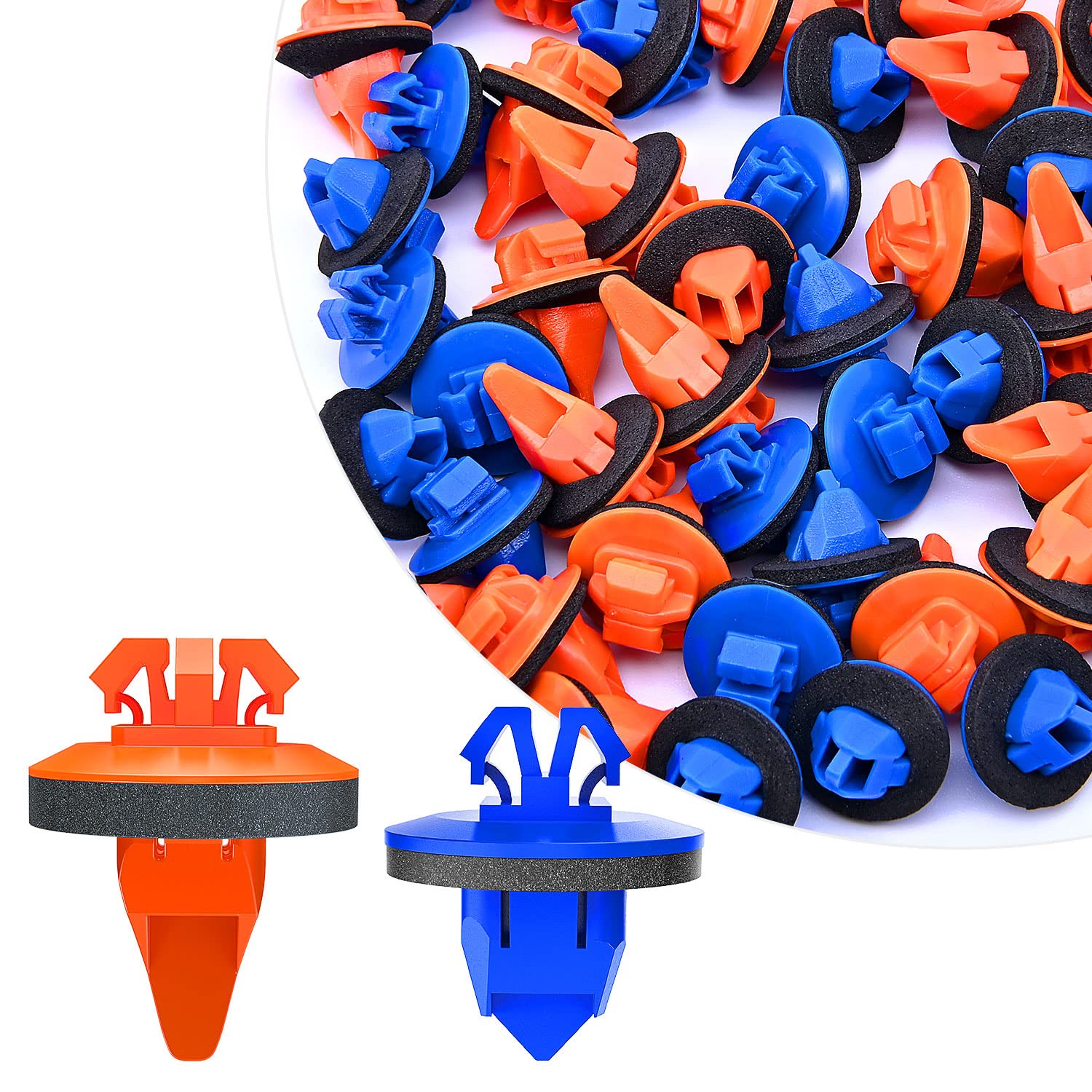
These replacement fender flare clips are designed to restore secure body trim mounting on compatible Toyota vehicles. The kit includes both rocker moulding and wheel flare moulding clips with sealers, helping ensure a proper fit for common applications on 4Runner, FJ Cruiser, Highlander, RAV4, and Tacoma models. With a mixed 100-piece assortment, this set is ideal for repairs, trim replacement, and maintenance.
Frequently Asked Questions
What Is the Ground Clearance of the 2025 TRD Off-Road 4Runner?
Toyota’s 2025 4Runner grade guide lists the TRD Off-Road at 9.1 inches of ground clearance. It also lists a 19-degree approach angle and 24-degree breakover and departure angles. Do not use the older 8.0- or 8.5-inch KDSS-based figures for the redesigned 2025 TRD Off-Road.
Which 2025 4Runner Has the Most Ground Clearance?
The 2025 TRD Pro and Trailhunter have the highest Toyota-published ground clearance in the 2025 grade matrix at 10.1 inches. Toyota lists both with 33-degree approach angles and 24-degree breakover and departure angles.
Do Larger Tires Increase 4Runner Ground Clearance?
Yes, if the replacement tire has a larger actual loaded radius. As a theoretical estimate, divide the increase in actual tire diameter by two. A tire that is genuinely 1.5 inches taller can raise axle-center and differential clearance by about 0.75 inch before accounting for pressure, load and tire deflection.
Does a Suspension Lift Raise the 4Runner Rear Differential?
Not by the advertised lift amount. The 4Runner uses a solid rear axle, so a suspension lift primarily increases the distance between the axle and the body/frame. The rear differential remains tied to axle height. Larger-diameter tires are what directly increase the differential’s distance from the ground.
What Is the Ground Clearance of the Tacoma Vs 4Runner?
It depends on model year and trim. Toyota’s 2024 Tacoma launch material states that running ground clearance reaches 11.0 inches on the TRD Pro, while Toyota’s 2025 4Runner grade guide ranges from 8.1 inches to 10.1 inches. Compare the exact year and trim rather than using one Tacoma or 4Runner number for the entire lineup.
Conclusion
Toyota 4Runner ground clearance is best understood as two numbers: the factory specification for your exact generation and trim and the smallest clearance you actually measure beneath your own vehicle. For the redesigned 2025 4Runner, Toyota lists 8.1 inches for SR5, 8.8 inches for the Sport/Limited/Platinum group, 9.1 inches for TRD Off-Road, and 10.1 inches for TRD Pro and Trailhunter. Toyota’s current 2026 page continues to advertise up to 10.1 inches.
When measuring at home, use level ground, correct tire pressure and a settled suspension. Check several fixed underbody points and record the smallest gap. If you modify the vehicle, remember that larger tires can raise differential clearance, while a suspension lift mainly raises the body and frame relative to the axles. Re-measure after every change so you know the clearance your 4Runner actually has before relying on it off-road.
Sources Used for Specification Verification
- Toyota 2025 4Runner Sales Consultant Guide — 2025 grade-specific ground clearance and approach, departure and breakover angles.
- Toyota 2025 4Runner consumer specifications — maximum 10.1-inch ground-clearance statement and trim equipment.
- Toyota 2026 4Runner consumer specifications — current maximum 10.1-inch ground-clearance statement.
- Toyota 2024 4Runner specifications — outgoing-generation 9.6-inch ground-clearance reference.
- Toyota Tacoma newsroom technical material — Tacoma running-ground-clearance comparison used in the FAQ.