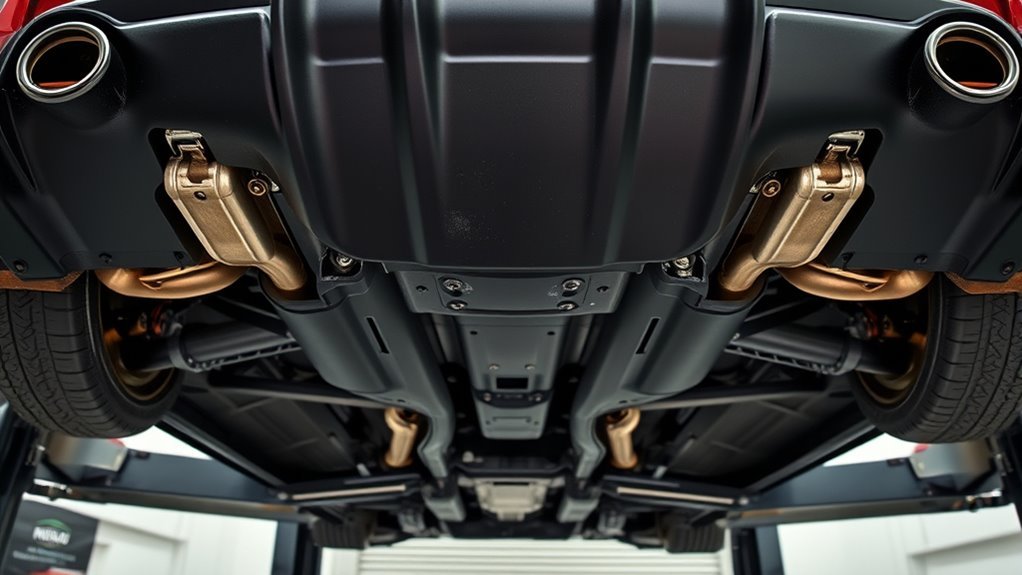
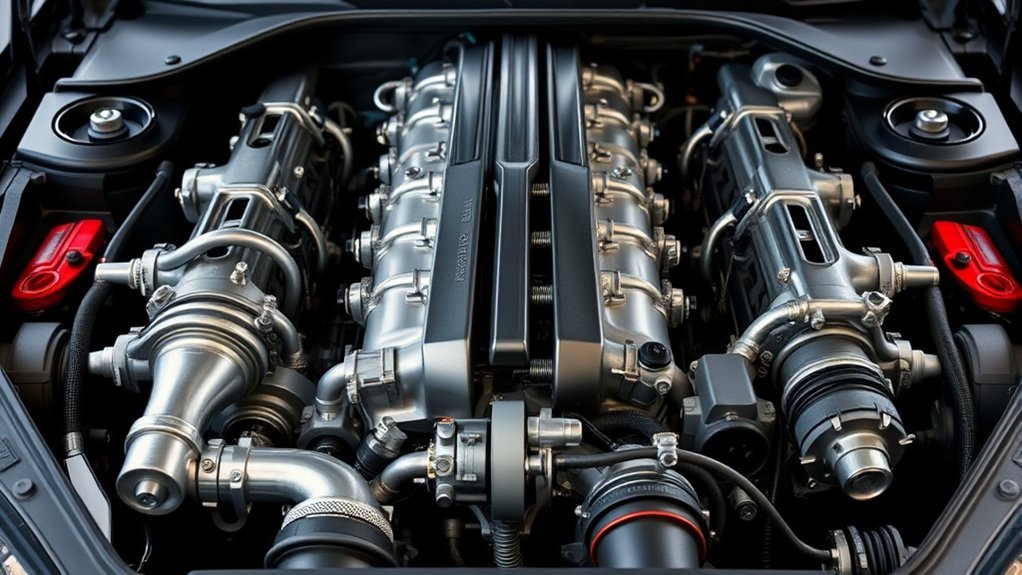
Here is the core difference between direct injection (DI) and port injection (PI) on the Supra. DI sprays fuel straight into the combustion chamber at high pressure. That gives precise control and more power under load.
PI sprays fuel into the intake instead. The fuel mixes better, and the intake valves stay cleaner. DI gives more power and sharper throttle response. PI keeps the engine cleaner and needs less upkeep. Read on for more on upkeep, fuel use, and engines that use both.
Understanding Direct Injection Technology
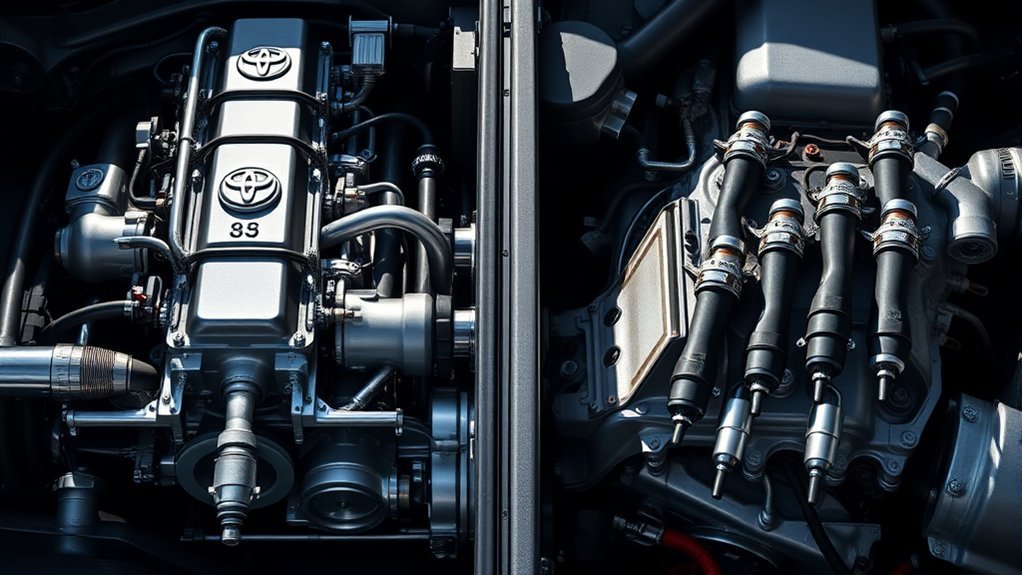
Direct injection (DI) runs at fuel pressures above 2000 psi. That lets it place fuel exactly inside the combustion chamber. The high pressure turns fuel into a fine mist, so it burns better and makes more power. Where the injector sits matters, because it affects how well the fuel mixes with air.
While DI offers performance upgrades and supports advanced tuning strategies, it presents challenges, such as potential carbon buildup on intake valves due to the lack of fuel washing over them.
It also matters whether the engine can handle it, mostly in high-power builds where reliability counts. DI is complex and can be costly to maintain. But newer DI tech keeps improving fuel use and emissions.
How Port Injection Works and Its Benefits
Port injection (PI) injects fuel directly into the intake manifold, enhancing fuel vaporization and improving combustion efficiency. Because fuel is sprayed ahead of the intake valve, it has more time to mix with the air, which helps at low and medium loads.
PI washes carbon off the intake valves. That helps with a common DI problem: carbon buildup. PI also runs at lower pressure, so the fuel system is simpler. Adding PI can boost performance a lot. It is a good fit for builds that target 700 WHP with standard parts.
| Benefit | Description |
|---|---|
| Fuel Vaporization Benefits | Improved mixing promotes efficient combustion. |
| Carbon Deposit Reduction | Flushing action minimizes buildup on intake valves. |
| Pressure Simplicity | Lower operating pressures simplify system design. |
| Enhanced Performance | Ideal for high-power configurations. |
| Mixture Preparation | More time for fuel to mix with air at low and medium loads. |
Performance Comparison: How DI and PI Stack Up
DI and PI differ in how efficient they are and how much power they make. DI gives precise fueling and allows higher compression, but it can cause carbon buildup. PI helps the fuel burn well and keeps the engine clean, which makes it a solid choice for the long run.
Efficiency and Power Output
Both DI and PI aim to make the engine run better, but they get there in different ways. DI runs at higher pressure, so it makes a finer fuel mist and allows precise fuel maps. That sharpens throttle response and helps the fuel burn better. The result is more power under heavy load.
Conversely, PI gives the fuel more time to vaporize and keeps the intake valves washed, while DI’s in-cylinder charge cooling is generally the stronger knock-suppression effect.
Dual injection systems mix both methods. They use PI at low and medium loads and DI when you push hard. That balances power across the rev range. In the end, each system gives the engine its own feel and affects overall efficiency and power.
Maintenance and Reliability Issues
As Direct Injection (DI) systems operate at higher fuel pressures, they introduce complexities that can lead to increased maintenance costs compared to Port Injection (PI) systems. One significant concern is carbon buildup on intake valves, as DI lacks the fuel wash that PI provides. This buildup can result in performance issues, necessitating more frequent maintenance.
Also, while DI engines offer advantages like higher compression ratios, they’re also prone to oil dilution, complicating repairs over time.
Many owners worry about long-term reliability with DI. Repairs can be more complex and cost more. PI systems usually have fewer upkeep problems, so they suit owners who want a car that lasts.
Fuel Efficiency in Injection Systems
On fuel efficiency, direct injection (DI) stands out. It fuels precisely, allows higher compression, and uses less fuel.
Port injection (PI) packs in denser air and keeps the intake valves clean. That helps cut emissions in normal driving. So each system trades off fuel use, emissions, and engine cleanliness in its own way.
Fuel Delivery Efficiency
How well an engine delivers fuel affects both power and mileage. This matters most when you compare port injection (PI) and direct injection (DI).
PI gives fuel more time to mix with the air before it enters the cylinder, which suits light and medium loads. In contrast, DI operates at fuel pressures exceeding 2000 psi, facilitating precise fuel delivery and combustion efficiency.
Better injector designs now make a finer fuel mist, so fuel mixes and burns better. Some systems, like Toyota’s D-4S, use both PI and DI. They use PI at low and medium loads and DI at high loads to save fuel. This dual-injection setup also adds power and washes away carbon, which fixes DI’s main weak spot.
Emission Reduction Benefits
Better fuel systems also help cut emissions. Direct injection (DI) runs at 2,000 psi and above. The fine fuel mist burns more fully. That leaves less unburned fuel and fewer particles in the exhaust.
Dual-injection systems also mix the best of port injection (PI) and DI. They run well at all loads and limit carbon buildup on the intake valves. With precise fuel control, automakers can meet stricter emissions rules without losing efficiency. In the end, these systems help cars run cleaner while keeping strong performance.
Performance Impact Analysis
PI and DI both have strengths, but they affect fuel use in different ways. PI improves the fuel mist and cools the intake air. That helps performance, mostly in naturally aspirated engines during normal driving.
In contrast, DI operates at 2,000 psi and above, improving fuel delivery and throttle response, but it can lead to carbon buildup on intake valves, potentially affecting engine longevity.
Using PI and DI together gives you better tuning across all loads. PI does best at low and medium loads, while DI makes the most power under heavy load. Together they allow higher compression and better engine response without hurting fuel economy.
Emissions and Environmental Impact: Which System Is Cleaner?
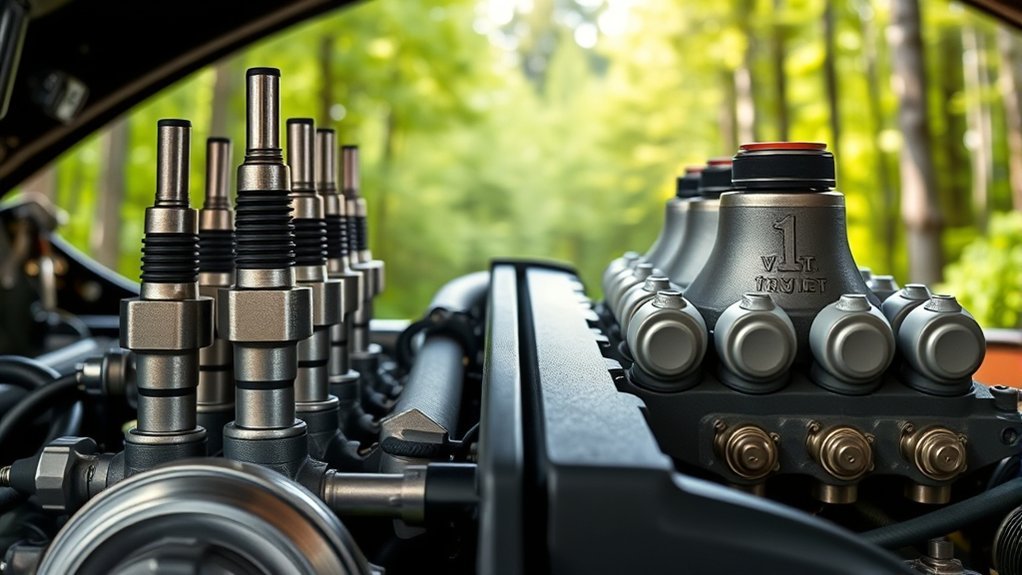
When evaluating emissions and environmental impact, direct injection (DI) systems often emerge as the cleaner option due to their superior fuel efficiency and enhanced combustion processes. Here’s how DI stands out:
- Lower Emissions: DI engines produce fewer unburned hydrocarbons and CO2, aligning better with stringent emission standards.
- Particulate trade-off: direct injection tends to produce more particulate (soot) emissions than port injection, which is one reason many modern engines pair the two.
- Hybrid Benefits: Combining DI with port injection (PI) in hybrid systems optimizes emissions by using PI during low-load conditions to minimize soot.
As emissions rules get tougher, more automakers choose DI. It helps them meet the rules without losing performance. DI can play a big part in a cleaner future for cars.
Maintenance Challenges: Comparing DI and PI Systems
Many new cars use direct injection (DI) for lower emissions, but it brings some upkeep problems. DI saves fuel, but its complex parts can raise repair costs.
One significant issue is carbon buildup on intake valves; unlike port injection (PI) systems, DI doesn’t wash fuel over these parts effectively, leading to troublesome valve deposits.
To fix this, you may need costly cleaning like walnut blasting. That takes more labor and has to be done more often. DI can help injectors last and perform well, but it comes with trade-offs. You’ll often face more special service needs than with a classic PI system. Knowing this helps you plan as an owner.
Community Feedback on Injection Systems
Owner forums are full of install stories about injection systems. Many owners like port injection because it cuts carbon buildup and adds horsepower. Tuning tools come up too, and BM3 and MHD often get praise for street builds.
Installation Experiences Shared
Many owners have shared their install stories, and they point to the big pluses of plug-and-play port injection (PI) kits. They like the simple setup, which avoids confusion about settings. Here are some highlights:
- Installation Tips: Many recommend following detailed installation guides to streamline the process.
- Troubleshooting Advice: Users often share insights on common setup challenges, making it easier for newcomers.
- Performance Tweaks: Testimonials indicate that tuning options like BM3 and MHD considerably enhance flexibility for non-race setups.
Performance Preferences Discussed
Many fans like how simple port injection (PI) is, but owner feedback is more mixed. Owners often say PI cools the intake air and reduces carbon buildup, which matters for tuning. Some worry that DI alone falls short. Many believe dual-injection systems strike the best balance of power and emissions.
Owner reports show you can reach over 750 WHP without PI using simpler setups. That busts a common myth. Still, reliability worries about DI remain, mostly around long-term repair costs. So many owners tune with both PI and DI to build a strong fuel system that makes power and lasts.
Tuning Opinions Explored
How do fans really feel about tuning tools for these systems? Opinions vary a lot, mostly on whether you need Ecutek or can use BM3 or MHD instead. Many owners prefer plug-and-play kits, mostly when installing port injection.
- Performance Trends: Port injection shows clear advantages in reducing carbon buildup and enhancing engine performance.
- User Experiences: Enthusiasts report achieving high horsepower without the complexities of direct injection setups.
- Tuning Preferences: Questions about ideal configurations, such as the inclusion of a low-pressure fuel pump (LPFP), often arise.
Through these discussions, it’s evident that fuel options and system compatibility play essential roles in shaping tuning preferences.
Hybrid Systems: The Best of Both Worlds?
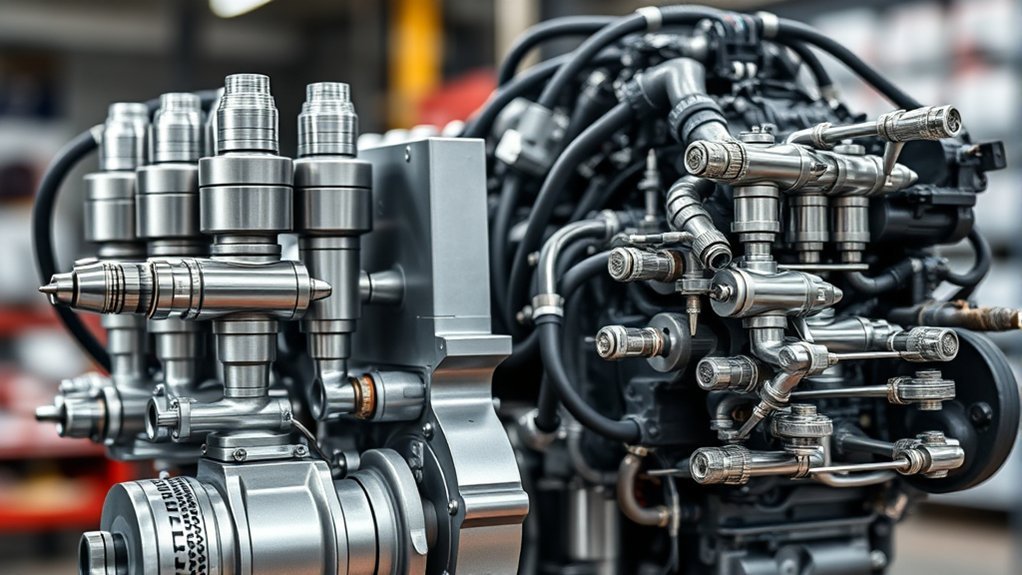
Hybrid systems use both direct injection (DI) and port injection (PI). They are a strong way to get the best from an engine. Using both gives you better fuel use and a good balance of power.
PI handles low and medium loads, which helps fuel burn cleanly. DI takes over under heavy load to keep the engine responsive. This also fixes a reliability issue: carbon buildup on the intake valves, which is common in DI-only engines.
| Feature | Benefit |
|---|---|
| Combustion Efficiency | Enhanced fuel use and power output |
| Emission Strategies | Reduced emissions across loads |
| Performance Balance | High compression ratios and throttle response |
These factors make hybrid systems a robust choice for modern engines.
Cost Analysis: Is Direct Injection Worth It?
Is direct injection (DI) worth the cost, both now and over time? DI can improve fuel use and power. But it also adds costs that may not suit every buyer.
- Upfront Costs: Aftermarket port-injection kits and upgraded direct-injection hardware for the B58 vary widely in price, so compare complete quotes that include tuning and labor.
- Maintenance Concerns: Higher maintenance costs arise from carbon buildup and complex repairs, overshadowing potential long-term savings.
- Reliability Debates: The long-term reliability of DI remains contentious, particularly concerning oil dilution and tuning challenges.
In the end, weigh the install work against the performance trade-offs. That helps you choose the right fuel system and technology.
What’s Next for Fuel Injection Tech?
Fuel injection keeps getting better. Expect more hybrid systems that combine direct injection (DI) and port injection (PI). They aim for top performance with less carbon buildup.
Smarter software will fine-tune injection timing and fuel delivery. That will improve response and help cars meet emissions rules. Tougher rules will push dual-fuel systems and other fuels for better mileage. New injector materials and designs aim to last longer and cut upkeep costs.
| Future Trends | Innovations |
|---|---|
| Hybrid Systems | Advanced Injector Designs |
| Algorithmic Controls | Dual-Fuel Technologies |
| Carbon Reduction | Compatibility with Alternatives |
Frequently Asked Questions
Does Toyota Use Direct or Port Injection?
Many Toyota engines use D-4S dual injection, with both direct and port injectors. The GR Supra is an exception: its BMW-built B58 and B48 engines use direct injection only. On engines that have it, the dual system balances power and emissions. It also limits carbon buildup on the intake valves, which helps the engine last.
Does Direct Injection Make More Power Than Port Injection?
Yes, direct injection usually makes more power than port injection. It uses fuel more efficiently and burns it better. It also fuels precisely, but it can cause more carbon buildup on the intake valves.
What Is the DIfference Between PFI and DI?
PFI sprays fuel into the intake port ahead of the valve, while DI sprays it directly into the combustion chamber at much higher pressure.
Which Is Better, Direct or Indirect Injection?
Direct injection usually gives better fuel economy and more tuning room. It allows higher compression and precise fueling. But watch for carbon buildup, which can affect long-term upkeep and reliability.
Conclusion
In fuel injection, direct and port injection both play key roles, like two sides of a coin. Direct injection gives more power and better efficiency, while port injection shines at emissions control.
As you navigate your options, consider the hybrid systems that blend the best of both worlds, much like a masterful symphony. The future of fuel injection is bright, promising innovations that could redefine your driving experience. Choose wisely.