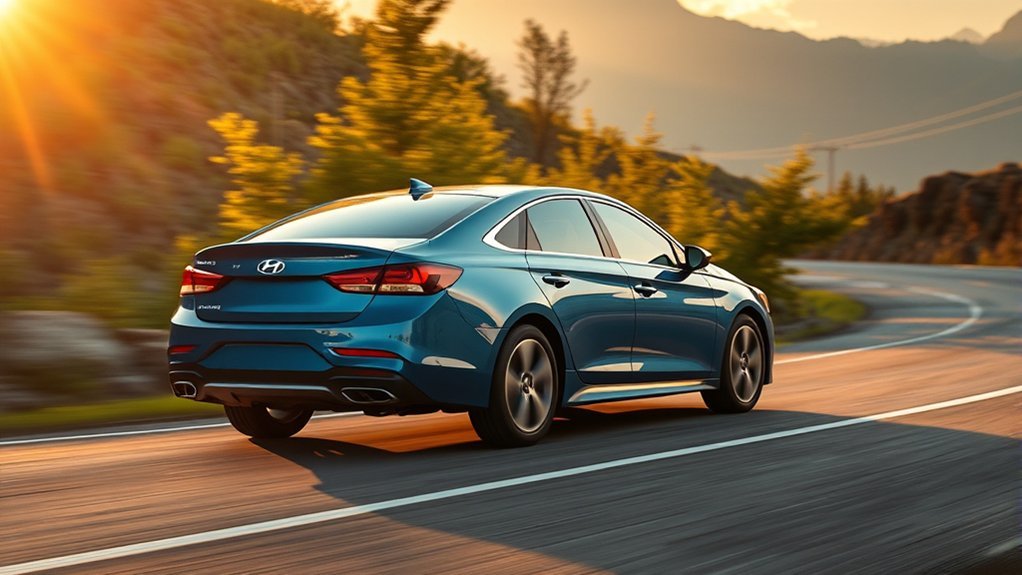
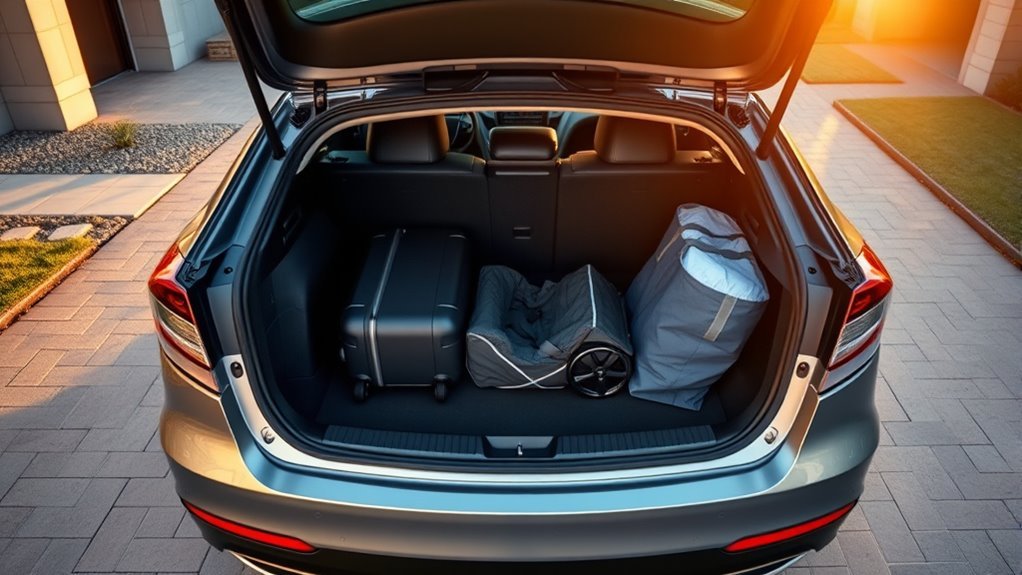
Hyundai lists the 2025 Sonata with 15.6 cu ft of trunk space and 60/40 split-folding rear seats. That is enough for everyday groceries and luggage, and folding one side of the rear seat lets you carry long items while keeping a passenger seat. Load heavy items low and forward, secure loose cargo, and check the owner’s manual for load limits.
How Much Trunk Space Does the 2025 Hyundai Sonata Offer?
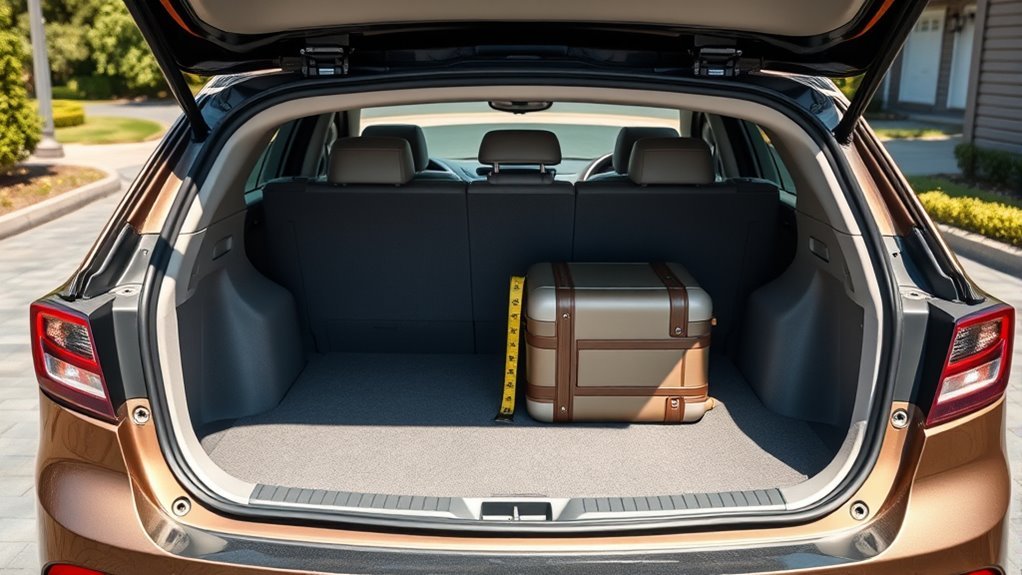
Hyundai lists 15.6 cu ft of trunk space for the 2025 Sonata, which is typical for a midsize sedan. The 60/40 split-folding rear seat expands cargo capacity for longer loads. Pack bulky items lengthwise, fold one side for oddly shaped loads, and keep gear tidy for quick access.
What Fits in the Sonata Trunk? Real-World Item Examples
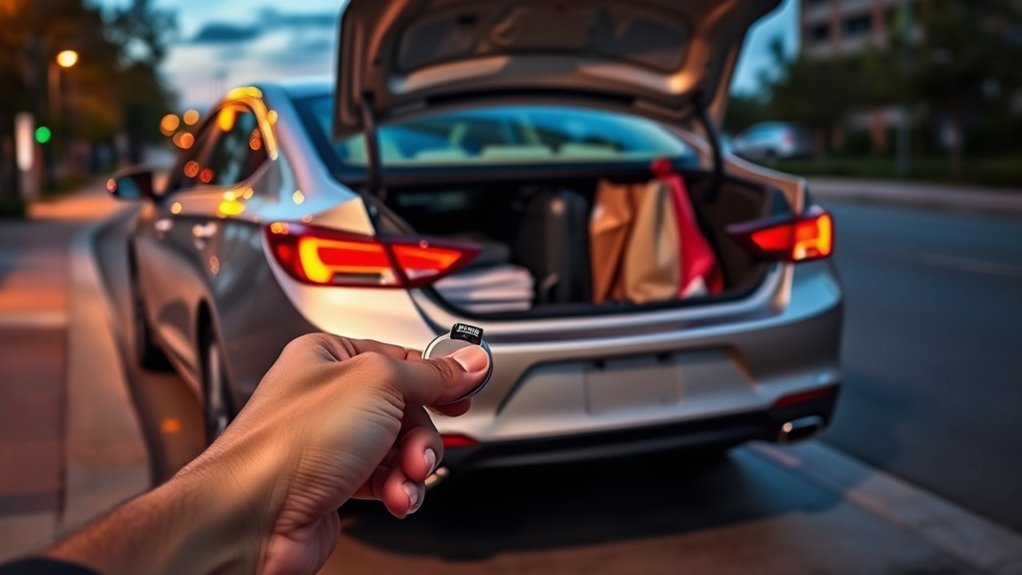
Typical loads include grocery bags, a few suitcases and a folded stroller. For bulky items, fold one or both sides of the rear seat, measure the item and the trunk opening first, and use straps, soft bags and layering to keep things from shifting.
How to Expand Cargo Room With the Rear 60/40 Fold-Down Seats?
If you need more than 15.6 cubic feet, fold the 60/40 rear seatbacks to open the trunk into the cabin. Check the owner’s manual for how to release each seatback. Fold one side to carry long items while keeping a passenger seat, and place heavy objects low and forward, secured so they can’t shift under braking.
How Can You Maximize Trunk and Passenger Space?
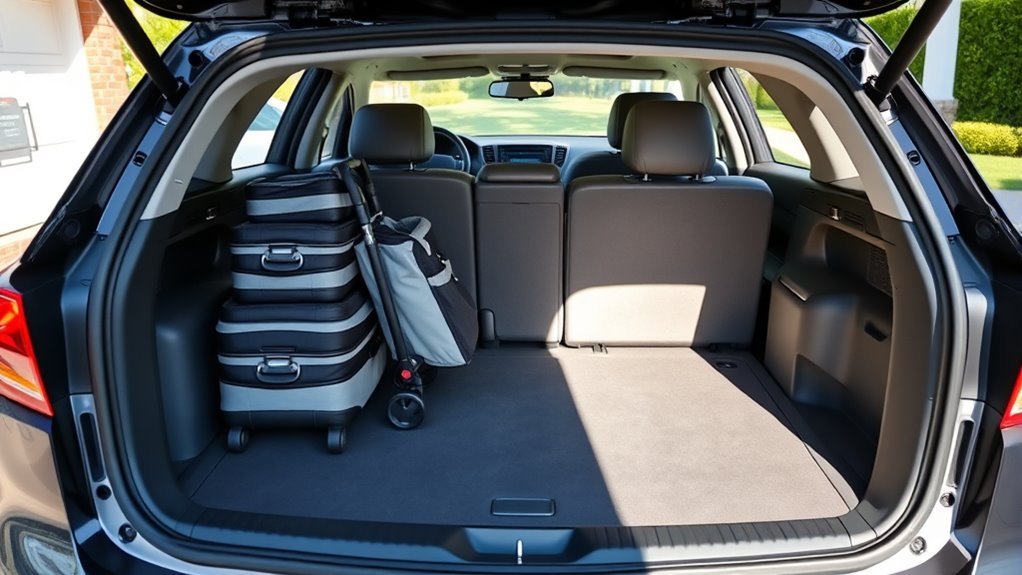
To get the most from the Sonata’s 15.6 cu ft trunk and 60/40 split rear seats, you should fold seats strategically to match cargo size and passenger needs. Pack smartly by placing heavier, low-profile items in the trunk, using the folded section for long or bulky pieces like a midsize bookcase, and keeping fragile items secured. Finally, secure cargo with straps or nets to prevent shifting and preserve passenger comfort and legroom.
Fold Seats Strategically
Use the 60/40 split to match the load: fold the smaller side for long items like skis while keeping seats for passengers, or fold both when you need maximum length. Plan the folds around the item’s length and how many passengers you carry.
Pack Smartly And Secure
Keep the larger rear-seat section upright for two rear passengers and fold the smaller section for skis or a long box, or fold both for bulky items. Stow tall, rigid items in the trunk and soft bags where they are secured, and prioritize items by fragility and how often you need them. Hyundai lists 104.4 cu ft of passenger volume (120 cu ft total interior volume including cargo).
- Place heavy items low and forward for stability
- Use soft duffels to mold into gaps
- Secure loose goods with straps
- Keep essentials accessible
Packing Tips for Trips, Moves, and Sports Gear
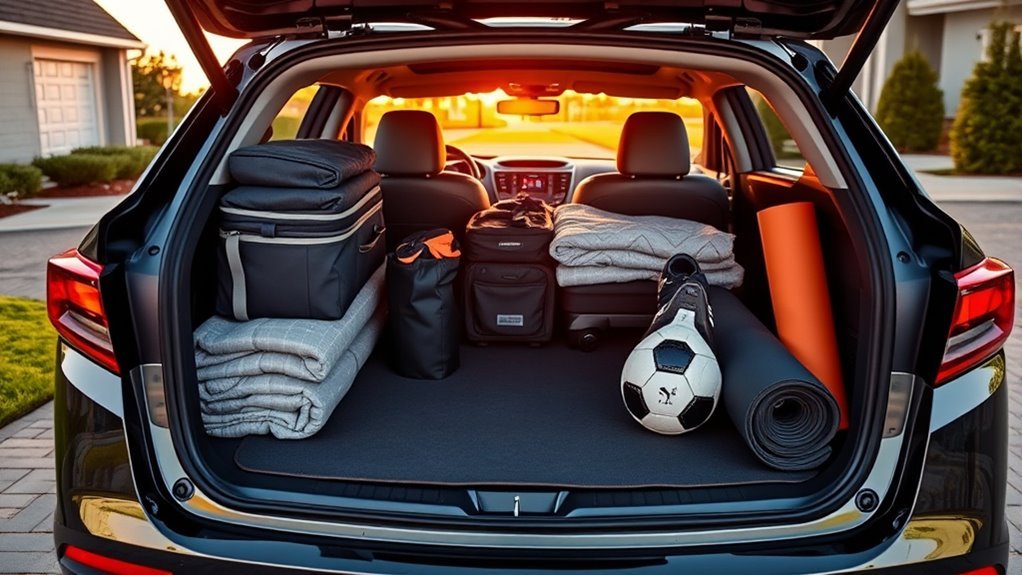
Plan the load before you pack. Put bulky items in first and fill gaps with smaller bags. For longer items such as sports gear, fold a rear seat. Keep heavy items low, fragile items protected and frequently used gear accessible, and secure everything so it can’t shift in a sudden stop.
How Does Sonata Cargo Compare to Camry, Accord, and Altima?
How does the Sonata stack up against the Camry, Accord and Altima? Hyundai’s 15.6 cu ft trunk is typical for the class, and some rivals offer a bit more or less. Compare the current specs of the rivals for the model years you are considering, and look at the trunk opening and seat-fold arrangement as well as the volume.
- 15.6 cu ft trunk, practical for daily needs and travel
- 60/40 split-folding seat expands long-item capacity
- Interior dimensions favor passenger comfort while carrying cargo
- Smart layout enhances trunk organization and quick cargo accessibility
Do Trims or Powertrains Change Sonata Cargo and Interior Space?
Hyundai lists 15.6 cu ft of trunk space for the Sonata, including the hybrid, with the same 60/40 split-folding seat, so trim and powertrain choice shouldn’t change how much you can carry. Interior dimensions are shared too: 46.1 in. front legroom and 34.8 in. rear legroom. Check the spec sheet for your exact trim and model year.
When to Pick the Sonata vs. a Hatchback or Small SUV for Cargo Needs?
Think about how you actually use your car: the Sonata’s 15.6 cu ft trunk handles everyday groceries and luggage comfortably while keeping rear-seat passenger space intact. If you frequently haul taller or bulkier loads, or need easier loading access, a hatchback or small SUV’s larger, more open cargo area and higher load floor will serve you better. Balance cargo flexibility against passenger comfort—choose the Sonata for routine errands and rides, a hatchback/SUV when cargo versatility is a priority.
Everyday Grocery & Errands
For everyday grocery runs, the 15.6 cu ft trunk and 60/40 split rear seat give a practical setup. Bags sit flat, crates stack, and the split seat lets you carry long items without losing a passenger seat. The trunk opening is less accessible than a hatchback’s, so plan larger loads accordingly.
- Use reusable crates to stabilize groceries.
- Fold 40% of the seat for longer pieces.
- Load heavy items closest to the back seat.
- Keep a trunk divider or net to stop cargo shifting.
Large/Flexible Cargo Needs
For oversized or irregularly shaped gear, the Sonata’s trunk and 60/40 seats are workable, but they won’t match the vertical space or rear access of a hatchback or the cargo volume of most small SUVs. Choose a hatchback for tall items or frequent loading, and a small SUV when maximum volume matters. Here is a quick comparison.
| Vehicle Type | Best For | Trade-off |
|---|---|---|
| Sonata | Organized loads, road trips | Limited vertical access |
| Hatchback | Tall/awkward items | Less passenger privacy |
| Small SUV | Max volume, flexibility | Larger footprint |
Passenger Comfort Versus Cargo
Hyundai lists 15.6 cu ft of trunk space, 104.4 cu ft of passenger volume and 34.8 in. of rear legroom. Folding the 60/40 seat expands cargo capacity for larger items, but hatchbacks and small SUVs usually win on cargo access and flexible layouts.
- Choose the Sonata when ride quality and rear passenger comfort are priorities.
- Pick a hatchback or small SUV if you need easy access for bulky gear.
- Use the Sonata for daily errands and occasional large loads.
Frequently Asked Questions
What Are the Dimensions of a Hyundai Sonata Trunk?
Hyundai lists 15.6 cubic feet of trunk space for the 2025 Sonata, and folding the 60/40 rear seats expands the usable area.
How Big Is the Cargo Space on a Hyundai Sonata?
About 15.6 cubic feet in the trunk, expandable by folding the 60/40 rear seats.
What Year Sonatas to Stay Away From?
Reliability varies by model year and engine, and no single year is right or wrong for everyone. Check NHTSA recalls and complaints for the specific year and VIN, and have a used car inspected before you buy.
What Is the Most Common Problem With Hyundai Sonata?
Common complaints vary by generation and engine, so look up the model year you are considering on NHTSA.gov and check recalls with your VIN.
Conclusion
The 2025 Sonata’s 15.6 cu ft trunk handles daily needs and weekend luggage, and the 60/40 split seats help with longer items. Compare measurements against a Camry, Accord or Altima to see the trade-offs. Pack smart, secure your cargo, and remember that a hatchback or SUV is easier for bulky loads.