You can generally expect your Toyota Tacoma’s brake pads to last about 30,000–70,000 miles; light-use drivers sometimes reach 100,000 miles on factory pads. How you drive matters: highway miles are gentler, while city stop-and-go, aggressive braking, towing or heavy loads shorten pad life. Front pads wear faster than rear, and worn rotors or drums will force earlier replacement. Check for squeal, grinding, smells or vibration and keep maintenance on schedule to learn what to watch for next.
How Long Do Toyota Tacoma Brake Pads Last?
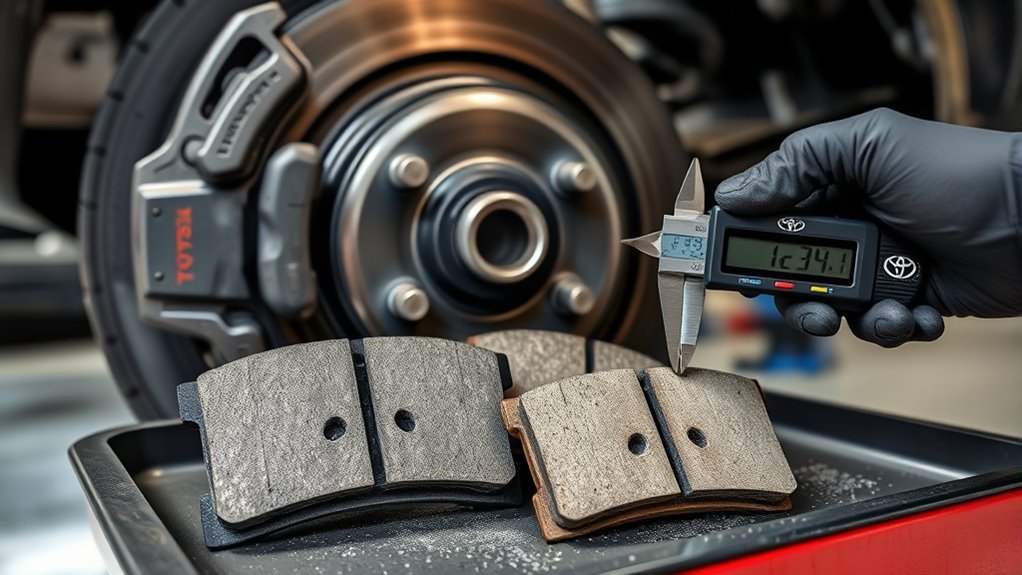
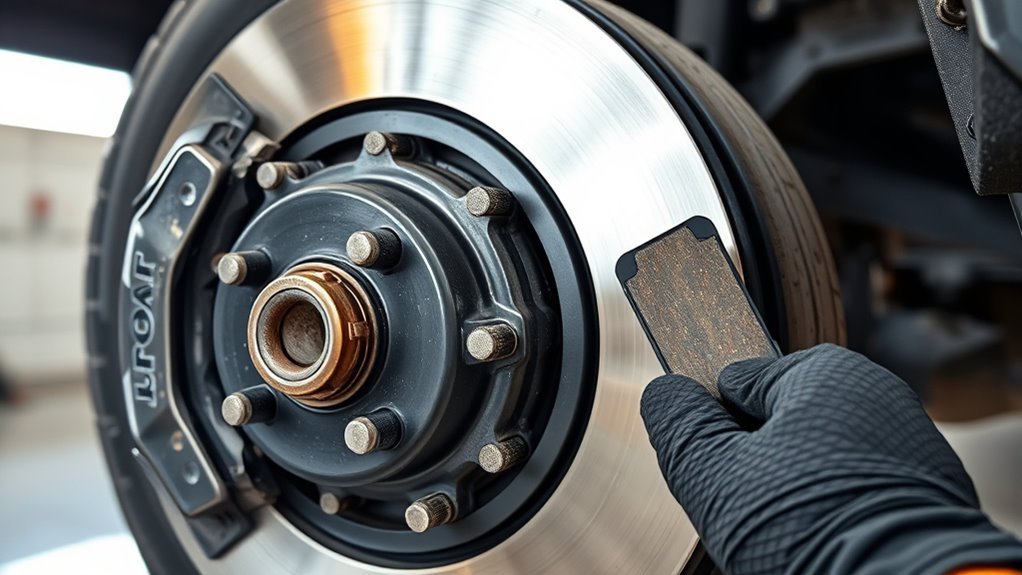
On a Toyota Tacoma, brake pads usually last about 30,000–70,000 miles, though driving style and conditions can push that range lower or higher. You’ll find many Tacomas follow that band, while some users report factory pads reaching 100,000 miles under light use. Monitor brake pad lifespan by checking thickness and listening for squeal indicators; longer stopping distances or a burning odor demand immediate inspection. You’ll want regular inspections, especially if you drive in heavy traffic or carry loads, because those conditions accelerate wear. Plan maintenance schedules around both mileage and symptoms: inspect pads at regular service intervals and replace pads per wear limits rather than arbitrary time. Expect replacement costs generally between $150 and $300 per axle, parts and labor inclusive. Take control by treating inspection data as actionable: measure, record, and schedule replacements before performance degrades, so your Tacoma remains safe and reliable without unnecessary expense.
Which Driving Habits Shorten or Extend Tacoma Pad Life?
Although highway miles tend to be gentler on pads, frequent stop-and-go city driving, aggressive braking, heavy towing, and carrying loads accelerate pad wear on a Tacoma; you can extend pad life by maintaining safe following distances, using gradual braking, and doing regular inspections with preemptive replacements before long trips. Your Driving conditions and Traffic patterns are the primary variables: dense urban routes with constant deceleration shorten service life, while steady-state highway cruising conserves material. Driving styles matter — avoid panic stops and rapid throttle inputs to limit thermal and mechanical stress. Load impact is significant; towing or hauling increases kinetic energy and brake duty, so factor that into replacement intervals. Brake pad materials also influence outcomes: semi-metallic compounds handle heat but can wear rotors faster, ceramic pads wear slower under light-duty use. Combine conservative Driving styles with disciplined Maintenance habits — scheduled inspections, timely resurfacing, and parts choice aligned to your driving — and you’ll free yourself from frequent, costly brake jobs.
Signs Your Tacoma Brake Pads Need Replacement Now
When you hear persistent squealing, smell burning during or after braking, feel vibrations through the pedal or steering wheel, or get a grinding noise or brake warning light, stop driving and have the pads inspected immediately; these symptoms indicate excessive pad wear, uneven contact, or metal-on-metal contact that can rapidly damage rotors and other brake components. Those brake pad indicators demand urgent action: squealers usually mean the wear sensor is exposed, a burning odor signals friction material failure, vibrations point to uneven wear or warped rotors, grinding equals bare metal contacting the rotor, and a dashboard warning light confirms a monitored fault. You’ll preserve your freedom on the road by treating these signs as maintenance reminders, not nuisances. Inspect and replace pads promptly to prevent cascading damage, maintain stopping performance, and avoid higher repair costs. If you detect any indicator, schedule a brake inspection now and choose quality pads and professional installation for lasting, reliable braking.
Front vs Rear Tacoma Brake Pads: Expected Wear Patterns
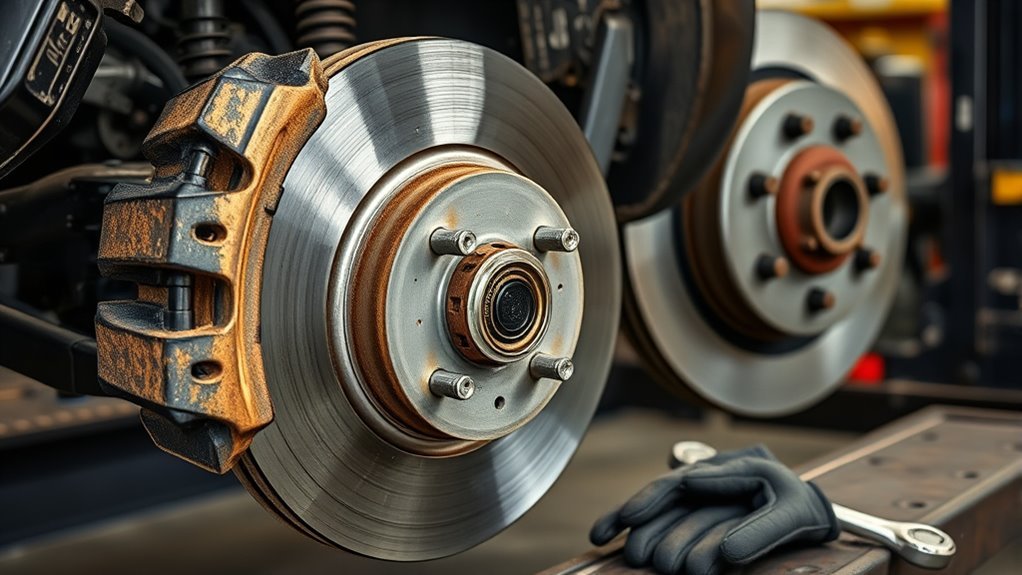
How do front and rear brake pads on your Tacoma typically wear differently? You’ll see pronounced front pad wear because braking shifts weight forward, forcing the fronts to absorb most kinetic energy. Expect front pads to last roughly 30,000–60,000 miles under normal use; that range narrows lower if you stop often in traffic or tow heavy loads. Rear pad longevity is usually greater, but don’t assume they’re immune — rear pads can outpace fronts in some rear-wheel-dominant scenarios or when driving habits vary.
You should inspect both axles regularly and measure pad thickness rather than guessing by feel. Replace pads in matched pairs to preserve balanced braking and predictable pedal feel. If you notice asymmetric wear, address driving behavior, caliper function, or parking-brake adjustment. Treat braking maintenance as self-liberation: control your vehicle, minimize risk, and prevent failures before they constrain your freedom on the road.
How Tacoma Rotors and Drums Change Pad Replacement Timing
You should check rotor wear because rotors typically need replacement around 50,000–70,000 miles, and worn rotors will force earlier pad changes or require pad replacement at the same time. Inspect drum condition on rear assemblies since drum wear or scoring can accelerate rear pad wear in rear-wheel drive Tacomas. Regular inspections during service let you time rotor replacement to prevent poor braking and avoid wasting new pads.
Rotor Wear Effects
Because Tacoma rotors commonly need replacement around 50,000–70,000 miles, their condition directly shifts how often you’ll change brake pads: worn or warped rotors cause uneven pad wear and can force more frequent pad swaps to preserve braking performance. You should track rotor maintenance alongside pad inspections; scored, thin, or out-of-spec rotors will abrade new pads and cut pad life. If you delay rotor replacement, you’ll inherit accelerated pad wear and degraded brake performance, undermining safety and increasing cost. Some keep old rotors for compatibility checks, but proactive rotor replacement prevents repeated pad failures. Inspect rotor thickness, runout, and surface condition at each service interval. That disciplined approach frees you from surprise repairs and keeps braking predictable.
Drum Condition Impact
When rear drums are out of spec or contaminated, they change the load balance and can make your front pads wear faster as the braking system compensates for uneven rear braking. You’ll need to treat drum maintenance as part of an integrated braking strategy: inspect shoe contact, adjusters, and seals regularly so rear braking remains predictable. Faulty drums alter braking mechanics, forcing the front calipers to absorb more energy and accelerate pad wear. By keeping drums within spec you preserve pad life and retain control — a practical step toward vehicle autonomy and freedom from premature service. Check drums during scheduled inspections, address contamination or out-of-round conditions promptly, and you’ll delay front pad replacement while improving overall brake performance.
Rotor Replacement Timing
If rotors on a Tacoma fall into the 50,000–70,000 mile range or show scoring, warping, or excessive thickness loss, you’ll want to assess pads at the same time since rotor condition directly affects pad wear and braking efficiency. You should prioritize rotor maintenance as part of a liberation-focused, do-it-yourself mindset: inspect runout, thickness, and surface condition every service interval. Worn rotors accelerate pad abrasion and shorten replacement frequency; conversely, replacing pads too late forces rotor replacement and higher costs. Check front and rear pads together—rear-wheel bias can make rear pads wear faster, altering timing. Replace pads before rotors hit minimum spec to avoid machining or replacement. Practical inspections let you control costs, maintain braking performance, and keep your Tacoma operating safely and freely.
How Much Does Tacoma Brake-Pad Replacement Cost?
Curious what replacing your Tacoma’s brake pads will cost? You’ll see variability tied to brake pad types and replacement frequency; performance or OEM pads push costs higher, semi-metallic or ceramic vary. Expect $150–$300 per axle total. Parts usually run $100–$200 per axle; labor adds roughly $80–$100. Dealers may run monthly brake specials that reduce your outlay. Replacing front and rear together often changes the final invoice, so plan service accordingly. Consult your owner’s manual for model-specific intervals and cost guidance.
| Item | Typical Range | Notes |
|---|---|---|
| Parts per axle | $100–$200 | Varies by pad types |
| Labor per axle | $80–$100 | Dealer vs independent |
| Total per axle | $150–$300 | Rotor condition affects this |
| Front+Rear service | $300–$600 | Combined service efficiency |
You deserve cost clarity and control; use these figures to negotiate, schedule service, and pursue savings without compromise.
Practical Tips to Make Tacoma Brake Pads Last Longer
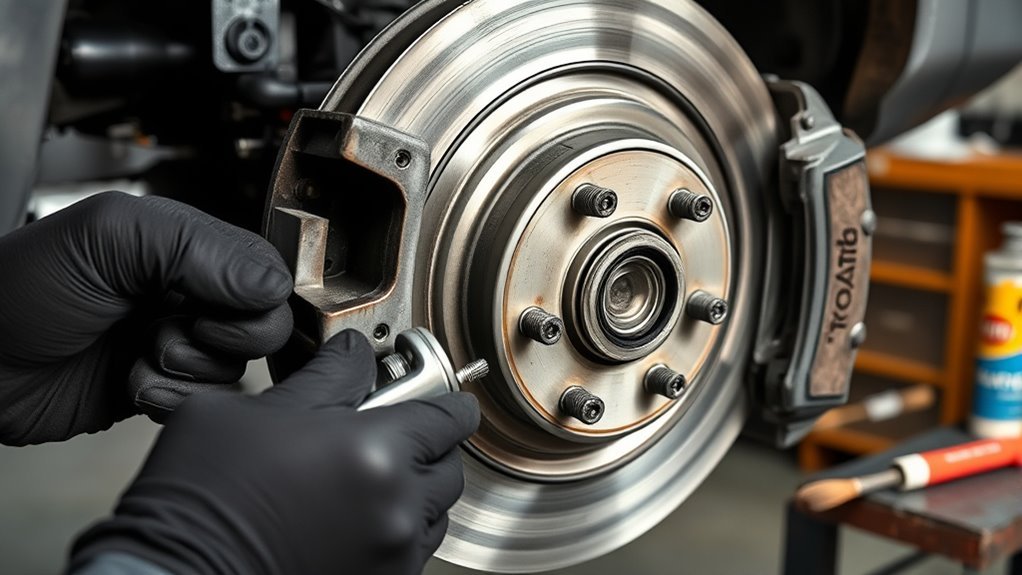
Knowing the cost to replace your Tacoma’s pads helps you plan, but you can also extend pad life through driving and maintenance choices. Keep a safe following distance so you avoid repeated hard stops that accelerate wear; anticipate traffic and coast when possible. Use smooth, progressive braking instead of abrupt pedal inputs to reduce heat and friction on brake pad materials, especially organic or semi-metallic compounds. Remove unnecessary cargo to cut vehicle mass and lower braking force demands. Inspect pads, rotors, calipers, and lines at intervals aligned with manufacturer maintenance schedules so you catch uneven wear, glazing, or contamination early. Replace pads before they reach minimum thickness to preserve rotor integrity and braking performance. When you drive with intent—predicting stops, minimizing heavy braking, and following scheduled inspections—you reclaim control over maintenance costs and safety. These practical steps lengthen service intervals and keep your Tacoma ready for independent, confident travel.
When to DIY vs Hire a Shop for Tacoma Brake-Pad Service
When should you tackle Tacoma brake-pad replacement yourself and when should you hire a shop? You can save labor costs ($80–$100/axle) and control parts quality by using DIY Techniques, but you need the right tools, genuine pads ($50–$100 each), and basic maintenance experience. If you’re confident, DIY is empowering and economical; if not, hire a pro for safety and consistency.
- If you have tools, experience, and time — DIY Techniques: replace pads, inspect rotors, torque calipers to spec.
- If you lack tools or history of maintenance — hire a shop for Professional Benefits: calibrated equipment, brake-system diagnostics.
- For high-mileage Tacomas or frequent towing — prefer professional service to manage accelerated wear and heat-related issues.
- If you hear squealing, grinding, or feel pulsation — get professional inspection unless you’re skilled and certain of diagnosis.
Choose based on skill, safety, and desired freedom; prioritize reliable braking over saving a few dollars.
Frequently Asked Questions
Can Brakes Last 80,000 Miles?
Yes — under light driving you can hit 80,000 miles, but brake wear varies; you’ll watch for replacement signs like squealing, reduced stopping, or thin pads, inspect regularly, and adjust habits to preserve braking freedom.
Conclusion
Think of your Tacoma like a clock: regular checks keep it running on time. Brake pads usually last 30–70k miles, but aggressive driving, heavy loads, or neglected rotors cut that short. Watch for squeal, reduced bite, or pedal vibration and replace pads (and rotors if scored) promptly. Use gentle braking, quality parts, and routine inspections to extend life. DIY if you’ve got tools and confidence; otherwise hire a pro to guarantee safety and proper bedding.