
If your Camry experiences transmission hesitation, it could be due to low or contaminated fluid, malfunctioning shift solenoids, or a clogged filter. These issues disrupt hydraulic pressure and fluid flow, causing delayed gear engagement and erratic shifts. Regular maintenance, including timely fluid changes, can help prevent these problems. If issues persist, professional diagnostic tools can uncover hidden faults that might lead to severe damage. Discover more about effective solutions and how to maintain your transmission’s health.
What Are the Symptoms of Transmission Hesitation in Camrys?

Have you noticed your Camry hesitating during acceleration? This symptom often manifests as noticeable delays in gear engagement, especially after stopping or when you first press the accelerator. Many drivers report a “bogging” sensation, where the engine seems to struggle during initial acceleration. You might experience sudden drops in RPM during shifts, particularly from 2nd to 3rd gear, leading to a feeling of lugging. Harsh or erratic shifts, especially under load or when going uphill, may indicate issues with the transmission solenoids or fluid contamination. Additionally, if warning lights like the check engine light illuminate, these signals often accompany hesitation symptoms and prompt the need for diagnostic checks. Understanding these signs of transmission behavior can help you better navigate your Camry’s driver experiences, ensuring a smooth and liberated driving journey.
What Causes Transmission Hesitation in Camrys?
Transmission hesitation in Camrys often stems from various mechanical and fluid-related issues that impact performance. Low or contaminated transmission fluid can disrupt hydraulic pressure, leading to poor shifting performance. Worn or damaged shift solenoids might cause erratic shifting patterns, resulting in delays during gear changes. Additionally, problems with the torque converter, such as slipping or malfunctioning, contribute to hesitation when you accelerate. Clogged transmission filters can restrict fluid flow, exacerbating delayed shifts and overall response. Ultimately, faulty transmission control modules or incorrect learning parameters can disrupt expected shifting behavior, causing further hesitation. To address these issues effectively, consider conducting thorough transmission diagnostics to pinpoint the root causes. Implementing performance tuning may also enhance the responsiveness of your transmission, ensuring a smoother driving experience. By addressing these factors, you can reclaim the reliability and performance you expect from your Camry.
How Fluid Quality Can Cause Transmission Issues
Addressing the causes of transmission hesitation in your Camry reveals that fluid quality plays a crucial role in overall performance. Poor-quality fluid, often due to fluid contamination or overheating, can lead to inadequate lubrication. This results in increased friction, wear, and ultimately hesitation during gear shifts.
| Issue | Impact on Transmission |
|---|---|
| Viscosity Loss | Impairs hydraulic pressure, causing hesitation. |
| Fluid Contamination | Leads to debris that can clog filters, affecting shifting behavior. |
Using non-specification fluids can further exacerbate these problems. Regular maintenance, including timely fluid changes, is essential for preserving viscosity and cleanliness. By ensuring top-notch fluid quality, you can greatly reduce the likelihood of transmission issues and maintain consistent performance in your Camry.
How Do You Know When to Change Your Transmission Fluid?
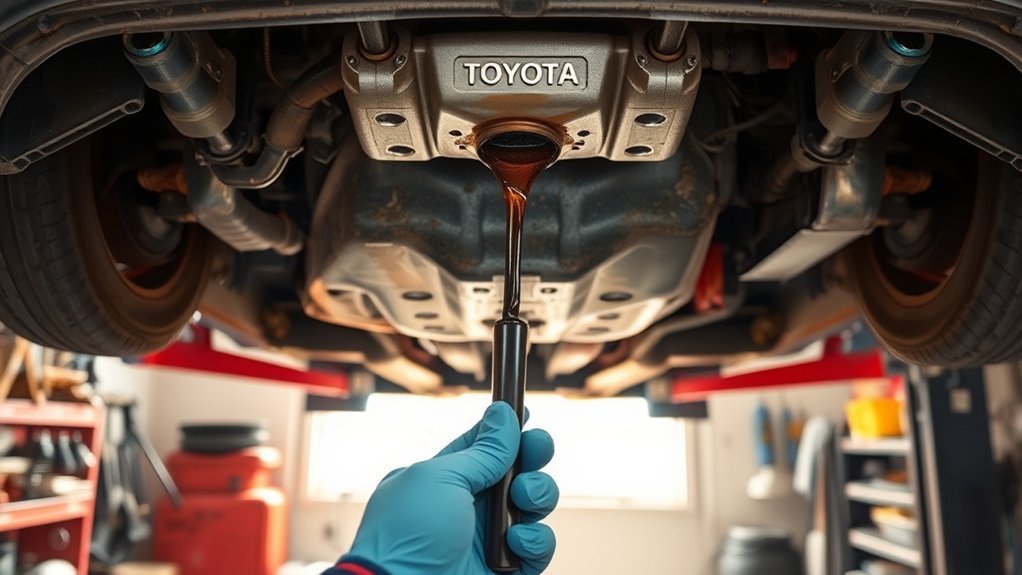
How can you tell if it’s time to change your transmission fluid? Monitoring your transmission fluid is vital for peak performance. Here are some signs to watch for:
- Color and Consistency: If the fluid appears dark, gritty, or has a burnt smell, it signals contamination and reduced effectiveness.
- Fluid Change Frequency: Replace your transmission fluid every 60,000 miles, especially if you often drive in urban conditions or heavy traffic.
- Performance Issues: Notice hard shifts, slipping gears, or unusual noises? These indicate it’s time to check the fluid.
- Regular Checks: Periodically inspect the fluid level and condition on a level surface with a warm engine to catch issues early.
Using the manufacturer-recommended fluid type is essential. Ignoring these contamination indicators can lead to severe transmission problems, so stay proactive for a smoother driving experience.
The Role of Shift Solenoids in Transmission Hesitation
Shift solenoids play an essential role in managing the flow of transmission fluid, enabling smooth gear changes. If you notice hesitation during shifts, it could indicate a malfunctioning solenoid, often accompanied by delays in acceleration. Regular maintenance and diagnostic tools can help identify these issues early, ensuring peak transmission performance.
Shift Solenoid Functionality
Transmission fluid flow relies heavily on the functionality of shift solenoids, which play an essential role in enabling seamless gear shifts based on your vehicle’s speed and throttle position. When these solenoids malfunction, you may experience noticeable transmission hesitation. Here’s what you should know:
- Shift Solenoid Types: Different types exist, each tailored for specific functions.
- Clogging and Damage: Solenoids can become clogged or damaged, leading to erratic shifts.
- Regular Maintenance: Routine fluid changes can prevent solenoid failure.
- Shift Solenoid Testing: Diagnosing issues often requires scanning for error codes and professional inspection.
Understanding these components guarantees you maintain peak transmission performance, liberating you from frustrating hesitation during acceleration.
Common Failure Symptoms
Hesitation during acceleration can be frustrating, and understanding its common failure symptoms is essential for timely repairs. Shift solenoid failure often leads to delays in shifting, making your vehicle feel sluggish. You might notice harsh or erratic shifts, unintended gear changes, or increased engine RPM while shifting. This hesitation usually becomes apparent during upward shifts, where a noticeable delay occurs between pressing the accelerator and the vehicle responding. Additionally, transmission fluid contamination can exacerbate these issues, causing solenoids to stick or fail altogether. Regular maintenance, including fluid changes, can help mitigate these risks. Using diagnostic tools can identify solenoid performance problems early, enabling prompt repairs to restore smooth shifting and prevent further transmission damage.
Simple DIY Checks to Assess Your Transmission Fluid Levels
To assess your transmission fluid levels, start by checking the fluid’s color and consistency; healthy fluid should be bright red and free of any burnt smell. Next, use the dipstick to confirm that the fluid level sits between the “full” and “low” marks. These simple checks can help you identify potential issues before they escalate.
Inspect Fluid Color & Consistency
Regularly inspecting your transmission fluid can prevent costly repairs and guarantee smooth operation. Here’s how to assess its color and consistency effectively:
- Check the Color: Healthy fluid is clear red; dark brown or black indicates fluid contamination or overheating.
- Feel the Consistency: The fluid should feel smooth. Gritty or foamy textures suggest debris or air presence.
- Smell the Fluid: Use a clean cloth to wipe the dipstick; a burnt smell means it’s time for a change.
- Look for Leaks: If you see any leaks under your vehicle, address them immediately to prevent potential transmission problems.
Check Fluid Level Properly
Checking your Camry’s transmission fluid level is essential for maintaining peak performance. Start with a warm engine, parked on a level surface. Shift through all gears before returning to “Park” to circulate the fluid, ensuring an accurate fluid check. Remove the dipstick, wipe it clean with a lint-free cloth, then reinsert it fully before checking the level against the marked indicators. The fluid should be bright red; dark fluid or a burnt smell indicates contamination and requires a change. Always consult your owner’s manual for specific fluid type and level specifications. Following these maintenance tips can help you avoid costly repairs and keep your transmission running smoothly.
When Should You Seek Professional Help for Transmission Hesitation?
When should you consider seeking professional help for transmission hesitation? If you’re experiencing persistent issues despite your troubleshooting efforts, it’s time to get a professional evaluation. Ignoring signs can lead to severe damage and costly repairs. Watch for these warning indicators:
- Slipping Gears: If your transmission unexpectedly slips out of gear, that’s a red flag.
- Delayed Shifting: Noticeable lag when changing gears suggests a deeper issue.
- Unusual Noises: Grinding or whining sounds can indicate mechanical failure.
- Dashboard Warning Lights: If the check engine light comes on, consult a technician immediately.
Professional technicians equipped with advanced diagnostic tools can uncover problems like solenoid failures or fluid contamination that you may not detect at home. Addressing these issues early can save you time and money, ensuring your Camry runs smoothly.
Review Technical Service Bulletins (TSB) for Your Camry
To enhance your understanding of transmission issues in your Camry, reviewing Technical Service Bulletins (TSBs) is essential. TSBs provide important guidance from manufacturers on addressing common problems, including transmission hesitations specific to your model. For instance, TSB number 030-17 targets quirks in 2018 and 2019 Camrys, offering TSB updates aimed at improving performance.
If you’re facing transmission hesitation, a dealer consultation is crucial to determine your eligibility for these updates. While TSBs are not recalls, be aware that associated service costs may apply, including labor charges for the updates performed at the dealership. Engaging with online forums can also be beneficial, as sharing experiences allows you to learn from other Camry owners who may have successfully utilized TSB updates to resolve similar issues. By staying informed, you empower yourself to make informed decisions about your vehicle’s performance.
Benefits of Regular Maintenance for Transmission Longevity

Regular maintenance is crucial for extending the life of your Toyota Camry’s transmission, as it directly impacts performance and reliability. By adhering to a strict maintenance schedule, you can greatly mitigate risks associated with transmission failure. Here are some benefits of regular maintenance:
Regular maintenance is essential for your Toyota Camry’s transmission, enhancing performance and minimizing failure risks.
- Timely fluid change: Changing the transmission fluid before 100,000 miles removes contaminants, maintaining peak performance.
- Smooth shifting: A clean transmission pan and functional shift solenoids prevent slipping and harsh engagements.
- Efficient operation: Monitoring fluid levels helps avoid overheating, especially in urban driving.
- Component integrity: Using Toyota-approved transmission fluid guarantees the longevity of critical components.
What to Expect From Transmission Repair Services
Maintaining your Toyota Camry’s transmission is the first step towards preventing issues, but understanding what to expect from transmission repair services is equally important. Reputable repair services utilize advanced diagnostic technology to accurately identify existing transmission problems and foresee potential concerns. You can expect thorough diagnostic checks that pinpoint issues efficiently.
Trained technicians, continuously updated on the latest automotive technologies, will perform essential repairs. Services typically include fluid changes, solenoid cleaning, and reprogramming to enhance shifting performance. Quality repair involves using high-quality parts and materials, ensuring peak vehicle longevity and minimizing future issues.
Transparent communication will keep you informed throughout the process, detailing diagnoses, necessary repairs, and associated costs. This level of service not only empowers you as a vehicle owner but also fosters trust in the technicians performing the work. You’ll leave knowing your Camry’s transmission is in capable hands.
Frequently Asked Questions
How to Fix Transmission Hesitation?
To fix transmission hesitation, check the transmission fluid for contamination, guarantee proper throttle response, and inspect the filter and shift solenoids. Resetting the transmission memory can also enhance performance and responsiveness.
What Causes a Toyota Camry to Hesitate When Accelerating?
When you accelerate, hesitation in your Toyota Camry often stems from clogged fuel filters, faulty sensors, or spark plug issues, all degrading engine performance and fuel efficiency. Addressing these can restore your driving liberation.
Conclusion
In summary, addressing transmission hesitation in your Camry is essential for a smooth driving experience. Picture your car gliding effortlessly down the road, free from the jolts and pauses that hesitation brings. By regularly checking fluid quality and understanding the role of components like shift solenoids, you can prevent issues before they escalate. Don’t hesitate to seek professional help when needed; maintaining your transmission can guarantee your Camry continues to run like a well-oiled machine for years to come.