To adjust Lane Keeping Assist in your Land Cruiser, start by accessing the multi-information display. Navigate to the Lane Departure Alert menu to set sensitivity from low to high, tailoring it to your driving habits. Activate the system using the designated button on the steering wheel and monitor the LDA indicator light. Be aware of its limitations, especially in poor weather. Want to maximize your experience? There’s more useful information waiting for you!
What Is Lane Keeping Assist in the Land Cruiser?

Lane Keeping Assist in the Land Cruiser is a cutting-edge safety feature that helps you maintain your vehicle’s position within its lane. Utilizing advanced lane detection technology, this system employs an onboard camera to identify lane boundaries and offers automatic corrective steering inputs when necessary. It activates at speeds above 32 MPH, ensuring your ride stays centered, even on long journeys. If you begin to drift without signaling, you’ll receive audible alerts, enhancing your overall safety.
You can easily enable or disable this system using the Lane Departure Alert button on your steering wheel, giving you personalized control. However, keep in mind that the effectiveness of these steering assistance features may diminish in adverse weather or on winding roads, so it’s essential to remain attentive. Embrace the freedom of driving with confidence, knowing your Land Cruiser supports you every mile of the way.
How to Activate Lane Keeping Assist?
To get Lane Keeping Assist up and running in your Land Cruiser, start by locating the Lane Departure Alert button on your steering wheel. Press and hold this button until the indicator light illuminates. Next, access the multi-information display (MID) settings menu and select “On” for the Lane Departure Alert feature within the Steering Assist menu. A confirmation message will appear, indicating “LDA On. Steering Assist Active.” This means your lane assist technology is fully engaged, ready to make minor steering adjustments to keep you centered in your lane. Remember, this feature operates only at speeds above 32 MPH, ensuring your driver comfort during longer journeys. With Lane Keeping Assist activated, you can enjoy a more liberated driving experience, allowing you to focus on the road ahead while the system helps maintain your lane position.
Deactivate Lane Keeping Assist
Deactivating Lane Keeping Assist in your Land Cruiser is a straightforward process that gives you more control over your driving experience. By simply pressing the Lane Departure Alert button and adjusting settings in the multi-information display, you can tailor the system to your preferences. This flexibility guarantees you can enjoy traditional driving when you want, without automated steering corrections.
Easy Deactivation Steps
Disabling Lane Keeping Assist in your Land Cruiser is a straightforward process that enhances your driving experience. First, locate the Lane Departure Alert (LDA) button on your steering wheel and press it once to turn off the lane assistance technology. Confirm the LDA icon disappears from the infotainment display, indicating successful deactivation. If you’d like to explore further adjustments, navigate to the LDA menu using the scroll buttons. You can also disable the entire feature by pressing the LDA button again, allowing for flexibility based on your driving comfort. Remember, once disabled, the system won’t assist with lane keeping, so always maintain full control of your vehicle.
| Action | Description | Result |
|---|---|---|
| Press LDA Button | Turn off Lane Keeping Assist | LDA icon disappears |
| Navigate to Menu | Access LDA settings | Adjust preferences |
| Press LDA Again | Disable entire Lane Departure Alert feature | Full control restored |
Safety Feature Flexibility
While driving, you might prefer to have full control over your vehicle, especially during critical maneuvers or challenging conditions. The Land Cruiser’s Lane Keeping Assist can be easily deactivated, providing you with the flexibility to customize your driving experience. To turn it off, simply press the Lane Departure Alert button on the steering wheel until the icon disappears from the infotainment display. Additionally, you can navigate through the Settings menu on the multi-information display (MID) to verify it’s completely disabled. This feature automatically engages at speeds above 32 MPH, allowing you to maintain driver comfort and control during lower speeds. By deactivating Lane Keeping Assist, you empower yourself to steer precisely when it matters most.
User Preferences Matter
When you’re behind the wheel, having the ability to tailor your driving experience is essential, especially in situations that demand your full attention. Deactivating Lane Keeping Assist is straightforward; simply press the dedicated button on your steering wheel. This feature customization enhances driver comfort, allowing you to take full control when it matters most. Many drivers prefer this manual approach, valuing attentiveness over reliance on automated systems. However, some users face challenges ensuring Lane Keeping Assist is completely turned off, often requiring multiple attempts. This skepticism about lane assist technologies reflects a desire for traditional driving experiences. Ultimately, your preferences should guide how you navigate the road, empowering you to drive with confidence and autonomy.
What You Should Know About Lane Keeping Assist Limitations
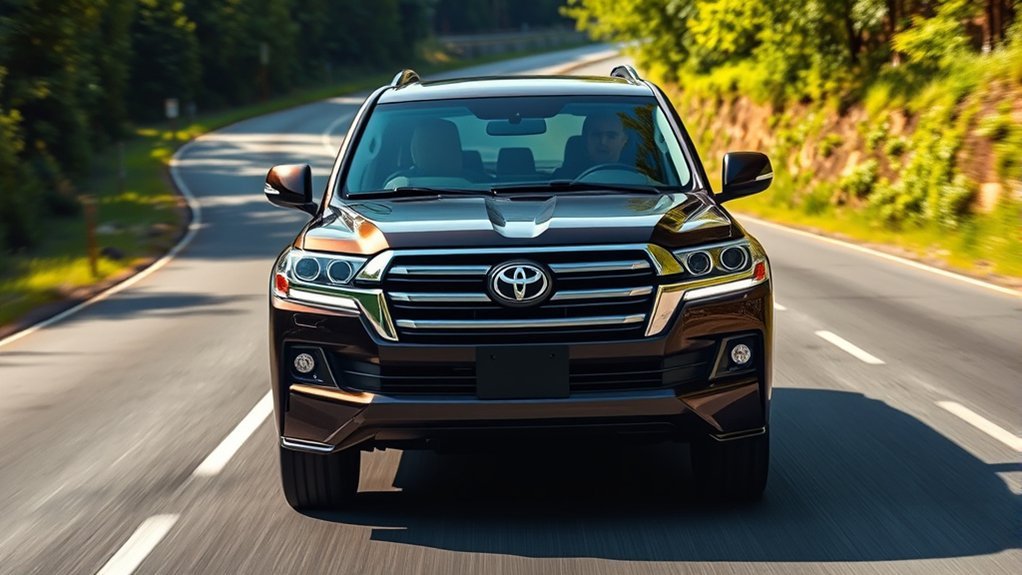
Understanding the limitations of Lane Keeping Assist is essential for safe driving. This system relies heavily on sensor accuracy to detect lane boundaries, which can falter in poor weather or low visibility. When road markings are unclear, you might find the system less effective, especially on curved roads where it struggles to provide assistance.
It’s vital to stay engaged while using this technology, as Lane Keeping Assist is meant to complement your driving, not replace it. Automatic steering corrections can sometimes interfere with your decisions, like passing or avoiding obstacles, which could pose safety risks. Users have reported unexpected braking or steering adjustments during critical moments, emphasizing the need for your full attention. Recognizing these limitations will empower you to drive confidently while making the most of this innovative feature.
How Lane Keeping Assist Enhances Safety
Lane Keeping Assist considerably enhances safety by actively monitoring your vehicle’s position within the lanes. Using onboard cameras, it detects lane boundaries and provides alerts and corrective steering to keep you centered. This system engages at speeds above 32 MPH, making highway driving safer by preventing unintentional lane departures.
Lane Keeping Assist enhances safety by monitoring lane positions and providing corrective steering, ensuring safer highway driving.
- It delivers steering assist for minor adjustments, ensuring lane safety without requiring constant manual corrections.
- The system works best when you stay attentive, complementing your control while driving.
- Be aware that its effectiveness can diminish in adverse weather or on curved roads, emphasizing the need for driver awareness.
Navigating the Lane Keeping Assist Settings Menu
Accessing the Lane Keeping Assist settings is straightforward, allowing you to customize the system to better fit your driving style. Start by locating the Lane Departure Alert (LDA) button on your steering wheel and press it to enter the menu. From there, use the scroll buttons on the wheel for easy menu navigation. You can adjust essential settings, including turning the Steering Assist on or off, which gives you control over how the system interacts with your driving.
Additionally, you can customize the steering sensitivity to match your preferences, ensuring a more personalized experience. Remember, Lane Keeping Assist is designed to enhance your steering, not replace it. If the system isn’t functioning as expected, check for messages indicating limitations, like “LDA Unavailable Below Approx. 32 MPH.” This way, you’ll stay informed and empowered behind the wheel.
Tips for Using Lane Keeping Assist Effectively

To make the most of Lane Keeping Assist, you’ll want to adjust its sensitivity to match your driving style and preferences. It’s vital to recognize the system’s limitations, especially in challenging conditions like rain or sharp turns. Remember, while the assistive technology is helpful, your vigilance behind the wheel remains essential for safe driving.
Adjust Lane Keeping Assist Sensitivity
How can you guarantee that your Lane Keeping Assist system works in harmony with your driving style? Start by accessing the LDA menu via the multi-information display using your steering wheel controls. Adjust the sensitivity according to your preferences, choosing between low and high settings. Testing these adjustments in various driving conditions will help you find a balance that feels comfortable and safe.
- Regularly review and tweak sensitivity based on your driving habits.
- Remember, while these adjustments enhance performance, they shouldn’t replace attentive driving.
- Embrace the flexibility to adapt your settings for ideal lane-keeping support.
Recognize System Limitations
Adjusting the sensitivity of your Lane Keeping Assist (LKA) is just one part of optimizing your driving experience. It’s essential to recognize its limitations to guarantee safety and effectiveness. LKA performs best on straight roads and may struggle on curves or uneven surfaces. Be aware that inclement weather, like rain or snow, can obscure lane markings and impact system performance.
| Condition | System Performance | Driver Action |
|---|---|---|
| Straight Roads | High | Minimal intervention |
| Curved Roads | Moderate | Stay alert |
| Inclement Weather | Low | Manual control needed |
Always stay attentive and be ready to take control; LKA is an assistive tool, not a replacement for your judgment.
Manual Override Options
Mastering manual override options for Lane Keeping Assist (LKA) can greatly enhance your driving confidence and safety. When you prefer manual control, use these techniques to disengage the system effectively:
- Sharp Steering Input: Turn the steering wheel sharply to temporarily override the LKA.
- Lane Departure Alert Button: Press this button on the steering wheel for quick deactivation during critical maneuvers.
- Sensitivity Adjustment: Tailor the Steering Assist sensitivity through the settings menu to match your driving style.
Regularly check the indicator light on your infotainment display to confirm system engagement remains ideal. Familiarizing yourself with LKA’s limitations, especially in adverse weather, empowers you to navigate more safely and confidently.
Real User Feedback on Lane Keeping Assist
What do real users think about Lane Keeping Assist? Feedback reveals a mixed bag of experiences. Many drivers struggle to fully disable the feature, often needing multiple attempts to guarantee it’s off. This can be frustrating, especially when the system unexpectedly engages, causing unintended braking. Some users express concerns about Lane Keeping Assist interfering with vital maneuvers, like passing cyclists. While tech-savvy individuals appreciate the added safety, others prefer the freedom of traditional driving, desiring a better technology balance. Community discussions highlight a strong inclination toward maintaining manual control, emphasizing that attentive driving shouldn’t be compromised by technology. Ultimately, user experience varies greatly, with many advocating for systems that enhance rather than hinder their control behind the wheel. Balancing innovation with driver autonomy seems essential for achieving satisfaction in the Land Cruiser’s Lane Keeping Assist feature.
Why Some Drivers Prefer Manual Control Over Lane Keeping Assist
While many drivers appreciate the convenience of Lane Keeping Assist, a significant number still prefer the direct control that manual driving offers. Driver concerns often stem from the technology’s potential to interfere with essential maneuvers, like passing or avoiding obstacles. Unintended braking or steering adjustments can lead to frustration and a lack of trust in these systems.
Drivers who value manual control typically share a few key sentiments:
- Desire for Control: They want to fully engage with their vehicle, especially in critical situations.
- Safety First: Many believe traditional driving enhances safety, allowing for more intuitive responses.
- Tech Skepticism: A preference for classic vehicles reflects a broader skepticism towards advanced technologies.
Ultimately, the divide between tech-savvy users and those favoring traditional driving experiences highlights a deep-rooted quest for liberation on the road.
Frequently Asked Questions
Can Lane Assist Be Adjusted for Sensitivity?
Yes, you can adjust lane assist sensitivity settings to match your driver preferences. Navigate through your vehicle’s settings menu to find the Lane Departure Alert options, personalizing responsiveness to enhance your driving experience.
Conclusion
In the grand tapestry of driving, Lane Keeping Assist is like a guiding star, steering you toward safer roads. While it offers a helping hand, remember it’s not a substitute for your keen judgment. Embrace its benefits, but don’t let it overshadow your instincts. Just as a seasoned sailor navigates by both compass and stars, balance technology with your experience for a smoother journey. Trust in the assist, but always keep your hands steady on the wheel.