Quick Answer
The Toyota Supra’s electronic parking brake engages by pulling the switch near the gear lever while the car is in Park. You can release it by pressing the brake pedal and pushing the switch down. Always verify the dashboard indicator light to ensure the vehicle remains secure before exiting.
Operating your Toyota Supra requires a clear understanding of its electronic parking brake (EPB) and how it keeps the vehicle secure. Mastering these systems ensures you park safely and avoid common mistakes that lead to unintended movement. This guide covers how the EPB works, how to use it, and how to maintain it for long-term reliability.
How the Supra Electronic Parking Brake Works
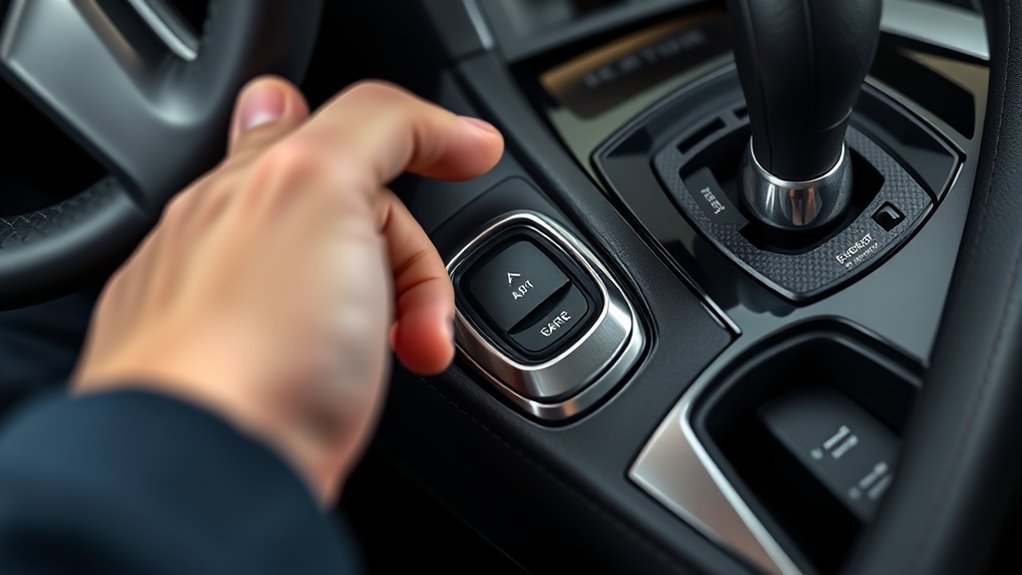
The Supra’s electronic parking brake (EPB) secures the car when parked by mechanically clamping the rear brakes via an electric actuator. It provides a reliable, fail-safe hold without altering your primary brake function. When you engage the system via the switch near the gear shift, a dashboard indicator confirms activation.
You can also program automatic engagement when the transmission shifts into Park for consistent deployment. The EPB complements the Brake Hold system, which maintains brake pressure at stops to reduce driver effort in heavy traffic. These systems simplify operation while ensuring your vehicle stays exactly where you leave it.
Steps to Engage and Release the Supra EPB
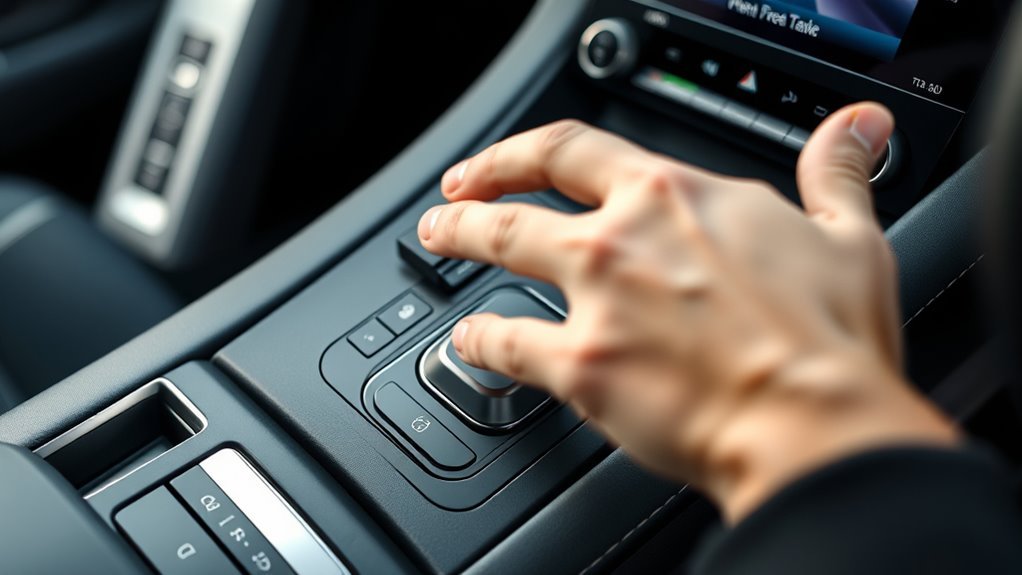
Engage the electronic parking brake by pulling up the EPB switch while the transmission is in Park (P). The dashboard EPB indicator will light to confirm the system is active. To release the brake, press the brake pedal firmly and push down the EPB switch until the indicator light turns off.
You may configure automatic engagement through the vehicle settings menu to trigger when you shift into Park. Always confirm the vehicle is stationary and your seatbelt is fastened before you attempt to engage or release the system. These steps streamline your parking routine and minimize the risk of human error.
How Brake Hold Works
Brake Hold allows you to remove your foot from the brake pedal while at a stop, such as at a red light or in traffic. You activate this feature by pressing the Brake Hold button while the brake pedal is depressed. A green indicator light on the instrument cluster confirms the system is in standby mode.
The system only engages when the transmission is in Drive or Neutral, the driver’s seatbelt is fastened, and the door is closed. Pressing the accelerator pedal releases the brake automatically. If the vehicle stays held for longer than three minutes, the system automatically converts to the EPB to secure the car.
- Activation: Press the Brake Hold button while holding the brake pedal.
- Requirements: Drive or Neutral gear, fastened seatbelt, and closed door.
- Release: Press the accelerator pedal gently.
- Safety Feature: Automatically switches to EPB after three minutes of holding.
Always consult your owner’s manual for specific limitations regarding stop-and-go traffic usage. Always consult a qualified professional before making decisions based on this information.
Automatic EPB Modes
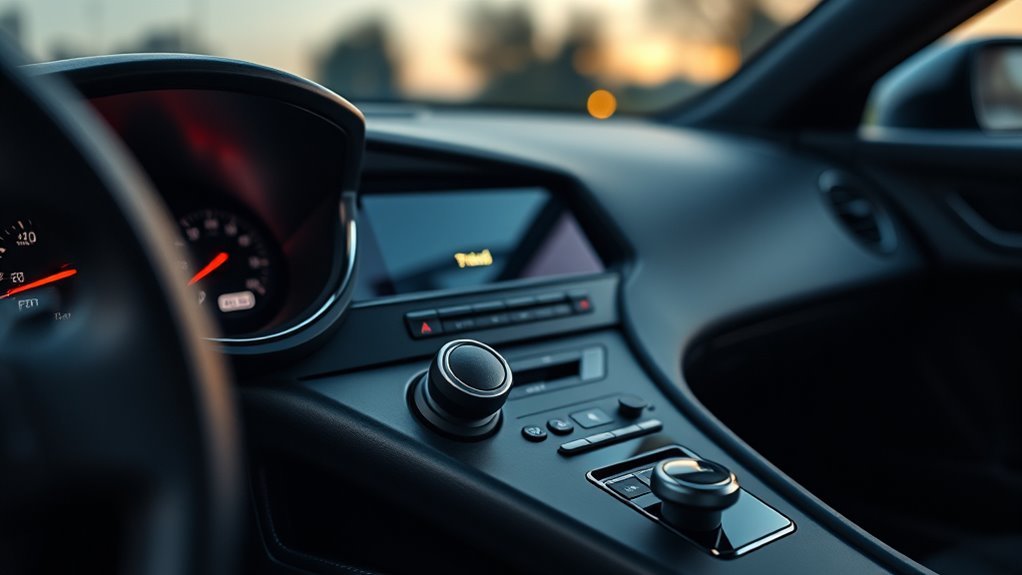
The Supra offers selectable automatic modes that balance convenience with manual control. One mode engages the EPB automatically when you shift the transmission into Park. In this mode, the system also provides automatic disengagement when you press the accelerator from a complete stop.
You retain manual authority at all times. Simply pull the switch to engage or press it down to release the brake regardless of the current automatic setting. The dashboard indicator provides immediate visual confirmation of the system status, which helps you operate the vehicle with confidence.
Safe Parking Techniques
Proper parking requires a consistent routine to ensure vehicle security. Start by bringing the Supra to a complete stop and pulling up the EPB switch. Always verify the EPB indicator illuminates on the dashboard before you turn off the engine.
If you drive a manual-transmission Supra, you should leave the car in 1st gear (or reverse if on a steep downhill slope) to add mechanical resistance. This redundant approach provides a crucial backup if the electronic system experiences a fault.
Recommended Parking Sequence
- Bring the vehicle to a full stop.
- Ensure the transmission is in Park or the appropriate gear.
- Pull up the electronic parking brake switch.
- Verify the dashboard indicator light is active.
- Turn off the engine and exit the vehicle.
Troubleshooting Common Issues
Identify and address common EPB issues by checking for basic errors first. Unexpected disengagement often stems from coding changes or conflicts with the Auto Start/Stop feature. Dashboard brake warnings typically signal that the EPB is either currently engaged or experiencing a malfunction.
If the EPB fails to engage or release, check the brake fluid level and confirm the transmission is fully in Park. If the brake symbol remains illuminated despite your efforts, contact a certified Toyota service center immediately. Do not attempt to force the actuator if you encounter mechanical resistance.
Understanding EPB Mechanics
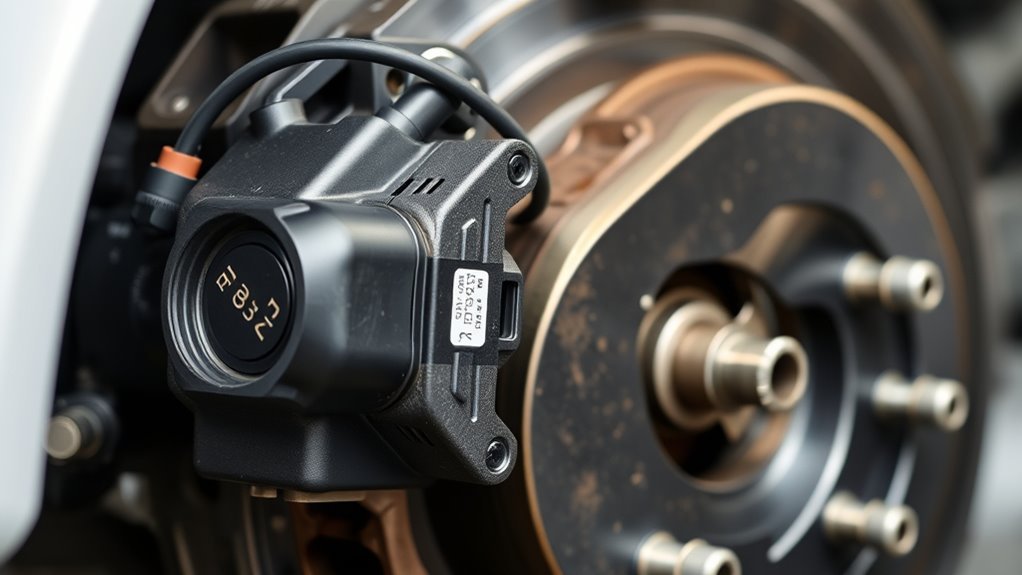
When you activate the electronic parking brake, an electric motor rotates a spindle to create axial force. This force moves a pressure knot, which drives the brake pads against the rotor to hold the vehicle in place. The system relies on precise motor torque and gear ratios to ensure even clamping pressure.
This design eliminates the need for a physical manual lever while demanding high manufacturing tolerances. Consistent linear travel ensures the pads engage symmetrically, preventing uneven wear on your brake components. If you notice unusual grinding noises, have the system inspected to ensure the actuator remains within its specified operational limits.
Maintenance and Service Intervals
Have your EPB inspected during every routine service interval, typically every 5,000 miles or according to your owner’s manual. Technicians confirm proper motor response, check for warning lights, and verify the absence of abnormal noises. Monitoring the brake fluid level also remains essential, as low fluid can impair the actuation of the system.
If you notice the parking-brake indicator stays on, or if the system feels inconsistent, visit a Toyota service center promptly. Professionals have the diagnostic equipment required to run software updates or recalibrate the actuator. These measures prevent costly repairs and keep your braking system performing as expected.
Frequently Asked Questions
Is an electronic parking brake safer than a traditional handbrake?
Electronic parking brakes provide automated engagement and system integration, which reduces the chance of human error. While traditional handbrakes offer simple mechanical feedback, the EPB ensures consistent clamping force every time you park.
What are the primary disadvantages of an electronic parking brake?
The main drawbacks include increased complexity and higher repair costs. Because the system relies on electrical components and software, you cannot easily perform manual roadside repairs if a failure occurs. You also need specialized tools for most diagnostic procedures.
You now know how to operate, inspect, and maintain your Supra’s electronic parking brake. Prioritize consistent parking habits, monitor for warning lights, and consult a professional for any persistent electrical faults. Proper care ensures your vehicle remains secure and ready for the road.