Checking Toyota Tundra recalls is simple when you use the truck’s 17-character VIN. The VIN gives Toyota and the National Highway Traffic Safety Administration the exact vehicle record, so you can see whether your specific Tundra has an open safety recall, an available remedy, or a service campaign that needs dealer attention.
Quick Answer
Find your Toyota Tundra VIN on the driver’s door jamb, lower windshield, registration, title, or insurance card. Enter it on Toyota’s official recall lookup and NHTSA’s recall tool. If an open safety recall appears, contact an authorized Toyota dealer and schedule the recall remedy.
Key Takeaways
- The VIN is the most accurate way to check Toyota Tundra recalls because it identifies your exact truck.
- Use both Toyota’s official recall lookup and NHTSA’s recall search for the best confirmation.
- Covered safety recall repairs are generally performed at no cost by an authorized dealer, but very old vehicles and non-safety service campaigns may have different rules.
- Check recalls at least twice a year and any time you buy, sell, or transfer ownership of a used Tundra.
At a Glance
| Time Required | 5–10 minutes |
| Difficulty | Easy |
| Tools Needed | VIN, internet access, Toyota or NHTSA recall tool |
| Cost | Free to check; covered safety recall remedies are generally free at an authorized dealer |
Find Your Toyota Tundra VIN
Your Toyota Tundra VIN is a 17-character code that identifies the truck’s build, ownership record, and recall status. You can usually find it in these places:
- On the driver’s side dashboard, visible through the lower windshield.
- On the driver’s door jamb or door frame label.
- On the vehicle title, registration, or insurance card.
- On dealer service paperwork or a vehicle purchase document.
Before you run a lookup, compare the VIN on the truck with the VIN on your paperwork. A single wrong character can return no result or the wrong vehicle record.
Pro Tip: Take a clear photo of the windshield VIN and the driver-door label. It helps when calling Toyota, a dealer, your insurer, or the DMV.
Check Toyota Tundra Recalls on Toyota’s Site
Start with Toyota’s official Safety Recalls & Service Campaigns lookup. Toyota says its tool provides information on open safety recalls and service campaigns released since 1999 for Toyota, Lexus, and Scion vehicles intended for sale or sold in the U.S., U.S. territories, and Mexico.
- Go to Toyota’s recall lookup page.
- Enter the 17-character VIN exactly as shown on your Tundra or documents.
- Review any open safety recalls, service campaigns, remedy descriptions, and dealer instructions.
- Save or screenshot the results before calling a dealer.
Toyota’s lookup is especially useful because it can show Toyota-specific service campaigns as well as safety recall information. If the tool shows an open campaign, call an authorized Toyota dealer and provide the VIN so the service advisor can confirm parts, remedy status, and appointment timing.
Cross-Check Toyota Tundra Recall Status With NHTSA and Third Parties
After checking Toyota’s site, use NHTSA’s recall search as a second official source. NHTSA lets you search by VIN and also provides recall information for vehicles, car seats, tires, and equipment.
NHTSA’s VIN lookup is best for confirming whether a specific vehicle has an unrepaired safety recall. It is not a complete vehicle-history report, and it may not show non-safety customer service campaigns, international-vehicle recalls, or safety recalls outside the tool’s coverage limits.
Third-party services such as CARFAX can be helpful when you are buying or selling a used Tundra because they may show open recalls alongside service, title, or ownership history. Treat those reports as supporting information, not as a replacement for Toyota and NHTSA.
Note: A “no open recall” result only means no unrepaired recall is showing for that lookup at that time. New recalls can be issued later, so recheck periodically.
Read Recall Results: Open, Interim, Remedy Available, and History
Recall results can use different status terms. Read each entry carefully before deciding what to do next.
| Status or Result | What It Means | What To Do |
|---|---|---|
| Open safety recall | Your specific Tundra has an unrepaired safety recall. | Call an authorized Toyota dealer and schedule the remedy. |
| Interim notice | Toyota has identified a recall issue, but the final remedy may not be ready yet. | Follow interim instructions and ask the dealer when the remedy is expected. |
| Remedy available | Parts, software, or the repair process are available. | Book the appointment and confirm expected repair time. |
| No open recalls | No unrepaired recall is currently showing for that VIN in the tool. | Check again twice a year or before a sale, purchase, or long trip. |
| Service campaign | A manufacturer campaign that may not be a federal safety recall. | Ask Toyota or a dealer whether it applies and whether it is covered. |
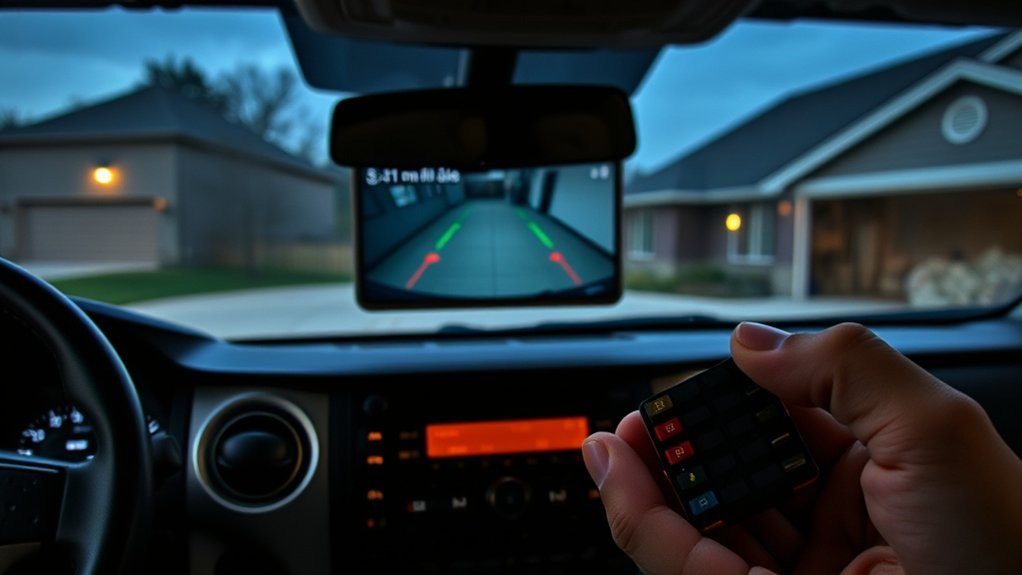
Recent Tundra recall activity shows why VIN-specific checking matters. Toyota announced recalls in 2025 involving certain 2022–2025 Tundra and Tundra Hybrid vehicles, including recalls related to reverse lamps and rearview image display. Your truck’s exact eligibility still depends on the VIN.
What to Do If Your Tundra Shows an Open Safety Recall
If your Tundra shows an open safety recall, do not ignore it. Read the recall notice, look for any urgent instructions, and contact an authorized Toyota dealer.
Warning: If a recall notice says “do not drive,” “park outside,” avoid towing, avoid heavy loads, or follow another safety instruction, follow that guidance until Toyota or a dealer confirms the next step.
[Products Worth Considering]
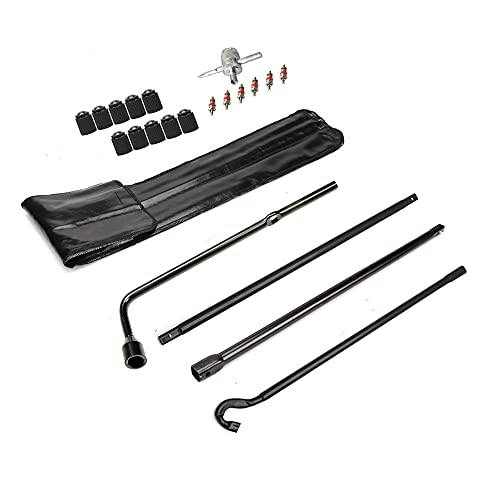
Premium OEM Upgraded Quality Spare Tire Tool: Stable strong rustproof automotive grade steel,tubing instead of soil designed made it more light,not only stong but also convenient.

Fitment: Front frame repair fit for toyota tacoma 2005-2015 2nd Gen Double Cab and Access Cab.

Check first: The AC Heater Blower Fan Control Switch Knobs fits 2000 2001 2002 2003 2004 2005 2006 Tundra, replacement switch 55905-0C010 559050C010.
Immediate Safety Precautions
- Verify the VIN. Make sure the recall applies to your exact truck, not just the same model year.
- Read the defect summary. Pay attention to affected systems such as airbags, brakes, steering, engine, electrical systems, lighting, or rearview cameras.
- Follow interim instructions. Some recalls have temporary guidance before the final remedy is available.
- Limit risk when needed. If the defect affects a critical safety system, avoid unnecessary driving until you speak with a dealer.
- Document everything. Save recall results, letters, appointment confirmations, repair orders, and dealer notes.
Scheduling Free Repairs
Call an authorized Toyota dealer and give the service advisor your VIN and recall campaign number. Ask these questions before you book:
- Is the recall remedy available now?
- Do you have the required parts or software update?
- How long will the repair take?
- Do I need to avoid driving, towing, hauling, or parking in certain areas before the repair?
- Is a loaner vehicle, shuttle, or rental assistance available if the repair takes longer than expected?
- Will the final repair order show the recall campaign number and a zero-dollar recall charge?
Covered safety recall repairs are generally handled at no cost regardless of warranty status. However, federal free-remedy rules have age-related limits for very old vehicles, and non-safety service campaigns can follow different coverage rules. If your Tundra is older or the dealer says a repair is not covered, ask Toyota Customer Support or the dealer to explain the reason in writing.
Request Reimbursement for Prior Recall Repairs
If you already paid to fix a problem that later became part of a Toyota recall or service campaign, you may be eligible for reimbursement. Toyota says eligibility depends on whether the prior repair matches the specific condition described in the owner notification letter.
Gather these documents before submitting a claim:
- VIN and current owner contact information.
- Repair invoice or repair order showing the date, mileage, and complaint.
- Parts list and labor description.
- Proof of payment, such as a receipt, card statement, or canceled check.
- A copy of the recall or campaign notification, if available.
- A short timeline explaining when the problem happened and when you paid for the repair.
If you paid for a repair that appears to match a later Toyota Tundra recall, keep the invoice, proof of payment, VIN, and recall notice together before requesting reimbursement.
Submit the reimbursement request through the instructions in Toyota’s owner notification letter or through Toyota Customer Support. Keep copies of everything and record the submission date, claim number, and any follow-up requests.
[Products Worth Considering]

Vehicle Fit:The Car Gear Shift Panel Trim Cover is compatible with Tundra / Sequoia 2022-2025 2026. Simply remove the double-sided adhesive and stick it on, will not affect the use of the gear shift or button.
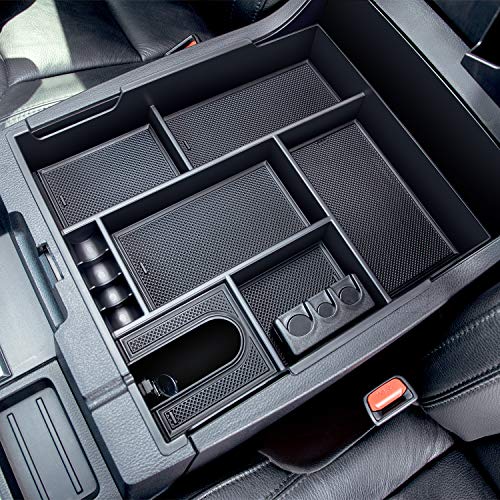
【PATENTED DESIGN】Fits 2014-2021 TUNDRA ONLY!!!the center console organizer Fits for 2021 2020 2019 2018 2017 2016 2015 2014 Toyota Tundra ,Including SR,SR5,LIMITED,Platinum,1794 Edition and TRD Pro.MUST-HAVE Tundra Accessories.CHECK FIRST: If your TUNDRA original center console comes with a small organizer which rides on TWO RAILS ( two rails positioned at the front and back of the box) ,the JDMCAR full sized tray will NOT fit.

Fits 2014-2021 Toyota Tundra models including SR, SR5, LIMITED, Platinum, 1794 Edition & TRD Pro
Register Your Tundra and Set Recall Alerts
Recall notices are usually mailed to registered owners, but addresses change and used-vehicle records can lag. Keep your state registration current and make sure Toyota has accurate owner information for your Tundra.
NHTSA recommends checking for recalls twice a year. You can also sign up for NHTSA recall email notifications for vehicle and equipment recalls.
A good recall-check routine is simple:
- Check Toyota and NHTSA every six months.
- Check again before buying or selling a used Tundra.
- Check after moving, changing registration, or transferring ownership.
- Save completed recall repair orders with your maintenance records.
[Products Worth Considering]

1. Device works well on 2022 2023 2024 2025 2026 Toyota Tundra TDA3 and 2023 2024 2025 GR Corolla iMT;
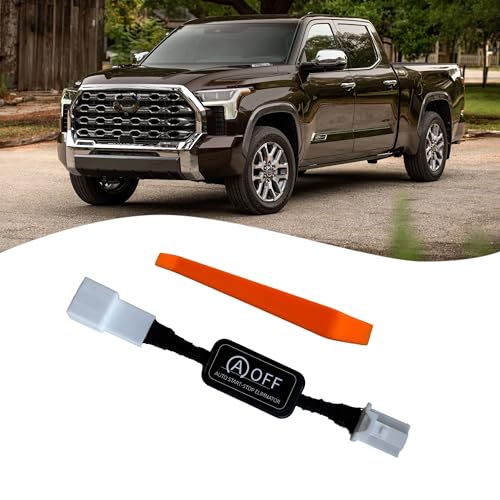
【Precise Fit for Tundra 2022-2025 & GR Corolla2023-2024】 Designed specifically for the Toyota Tundra (2022-2025) and GR Corolla iMT (2023-2024), this eliminator guarantees a perfect plug-and-play connection. It seamlessly integrates with your vehicle's system without triggering error codes and preserves all factory functions, including remote start.
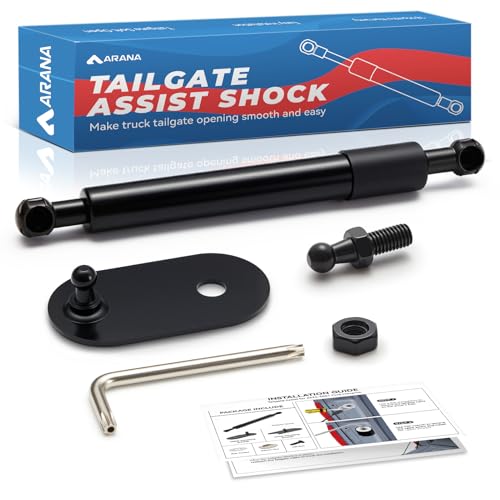
Multiple Fitment: This was rated on the Toyota Tundra forum to be the best add on for your truck, perfect fit 2007-2021 Toyota Tundra 2WD/4WD(Not a replacement strut in truck tailgate light)
Troubleshoot Lookup Problems and Missing VINs
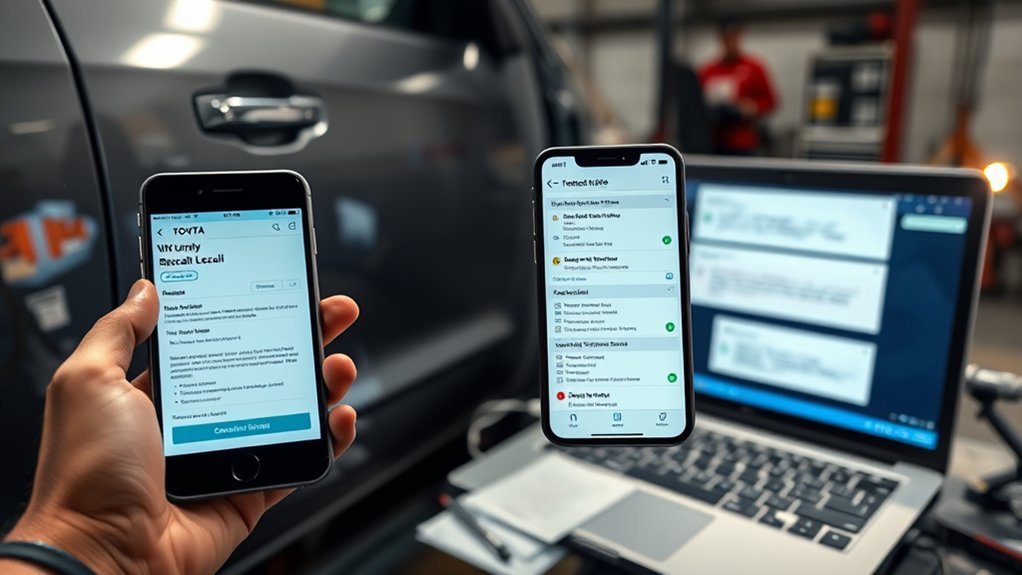
If the recall lookup does not work, the problem is often a VIN typo, a newly issued campaign, an older recall outside the tool’s coverage, or a vehicle record that has not updated yet.
Locate VIN Alternatives
If you cannot read the windshield or door-jamb VIN, check your registration, title, insurance card, purchase contract, or dealer service paperwork. On older or damaged vehicles, a Toyota dealer may be able to help verify the VIN using service records.
Do not guess at unclear characters. VINs do not use the letters I, O, or Q, which helps prevent confusion with 1 and 0.
Use Plate or Registration
NHTSA’s recall tools may allow a license-plate search, but VIN is still the most precise method. If you only have the plate or year/make/model, treat the result as a starting point. Confirm the VIN before scheduling recall work.
If your registration is lost or outdated, contact your local DMV or motor vehicle agency to retrieve the correct VIN and update ownership records.
Contact Dealership Records
If online tools do not give a clear answer, call a Toyota dealer and ask the service department to check Toyota’s recall and service campaign database. Provide the VIN first. If the VIN is unavailable, ask whether they can search by plate, owner record, or prior service history.
- Ask the advisor to confirm open recalls and service campaigns.
- Request the recall campaign number and remedy status.
- Ask whether parts or software are available.
- Save the advisor’s name, date, and appointment confirmation.
Frequently Asked Questions
How do I see if my Tundra has a recall?
Find your 17-character VIN and enter it on Toyota’s official recall lookup and NHTSA’s recall search. If an open recall appears, call an authorized Toyota dealer and schedule the remedy.
How do I look up all recalls by VIN?
Use the VIN on Toyota’s recall page and NHTSA’s VIN lookup. Toyota can show open Toyota safety recalls and service campaigns, while NHTSA focuses on safety recall data. For a used truck, a vehicle-history report can add context, but it should not replace official Toyota and NHTSA checks.
What year Toyota Tundras have recalls?
Many Tundra model years can have recalls, and recent recalls have included certain 2022–2025 Tundra and Tundra Hybrid vehicles. Do not rely on model year alone. Always check the exact VIN because not every truck from an affected year is included in every recall.
Are Toyota Tundra recall repairs free?
Covered safety recall remedies are generally performed at no cost by an authorized dealer, regardless of warranty status. Very old vehicles and non-safety service campaigns may have different rules, so ask Toyota or the dealer to confirm coverage for your VIN.
What should I do if my VIN shows no open recalls?
Save the result and check again later. A no-open-recall result means no unrepaired recall is showing for that VIN at that time. New recalls can be issued later, so check at least twice a year.
Sources
- Toyota Owners Safety Recalls & Service Campaigns Lookup — official Toyota VIN recall and service campaign lookup.
- NHTSA Recalls Search — official U.S. safety recall search for vehicles, car seats, tires, and equipment.
- NHTSA VIN Recall Lookup — VIN-specific safety recall lookup.
- NHTSA Recall Notification Email System — recall email alert sign-up.
- Toyota Recall Reimbursement Support — Toyota guidance on prior paid repairs that may qualify for reimbursement.
- 49 U.S. Code § 30120 — federal remedy rules for safety defects and noncompliance.
Conclusion
To check Toyota Tundra recalls, start with the VIN, use Toyota’s official lookup, cross-check NHTSA, and call an authorized Toyota dealer if an open recall appears. Keep screenshots, recall letters, appointment confirmations, and final repair orders with your maintenance records. A few minutes of checking can confirm whether your truck needs a safety repair now and help you catch future recall notices before they become a bigger problem.