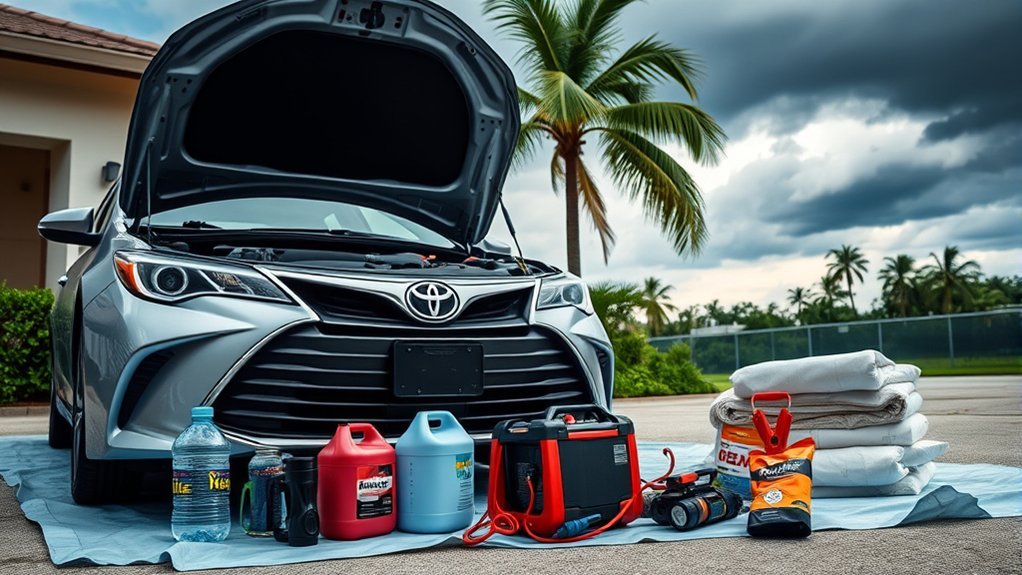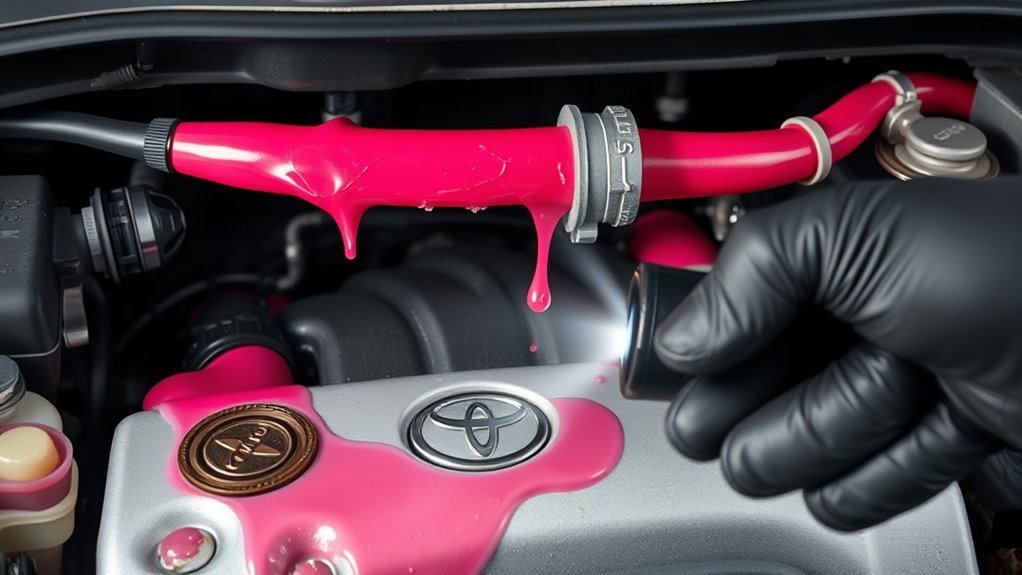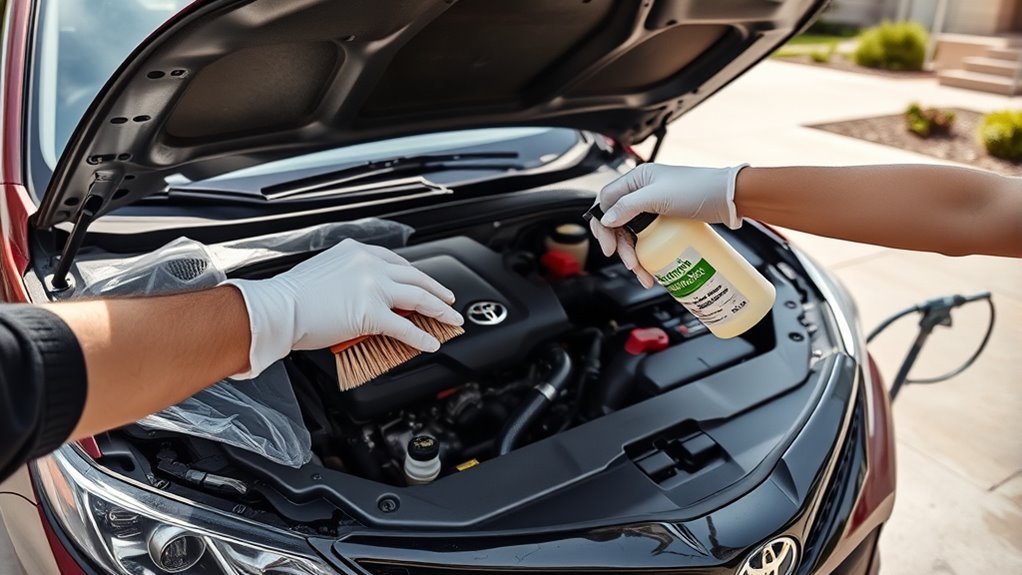
Cleaning a Toyota Camry engine bay can make leak checks easier, remove road grime, and keep the compartment looking cared for—but it has to be done with moisture control in mind. The safest DIY method is a mostly waterless clean: work on a fully cool vehicle, keep the ignition off, protect electrical parts, use gentle cleaners, and wipe grime away by hand instead of blasting the bay with a hose or pressure washer.
Quick Answer
To clean a Camry engine bay safely, let it cool completely, turn the vehicle fully off, cover the alternator, fuse box, exposed connectors, intake openings, and hybrid high-voltage areas, then hand-clean with microfiber towels, soft brushes, a rinseless wash, and a non-corrosive degreaser. Avoid pressure washing, soaking, and spraying electrical components.
Key Takeaways
- Use a waterless or low-moisture method first; it is safer than pressure washing around modern Camry electronics.
- Cover the alternator, fuse box, exposed connectors, intake opening, and any sensitive modules before applying cleaner.
- For Camry Hybrid models, never touch, spray directly, remove, or scrub orange high-voltage cables or connectors.
- Use microfiber towels, soft detailing brushes, rinseless wash, and a non-corrosive degreaser—not harsh solvents or abrasive tools.
- After cleaning, remove covers, dry the area fully, check for warning lights, and inspect for leaks, loose connectors, or trapped moisture.
At a Glance
| Time Required | 30–60 minutes, plus drying time |
| Difficulty | Easy to moderate |
| Tools Needed | Microfiber towels, soft brushes, plastic bags or sheeting, painter’s tape, rinseless wash, non-corrosive degreaser, gloves |
| Cost | Usually $15–$40 if you already own towels and brushes |
How to Clean a Camry Engine Bay: Waterless Step by Step
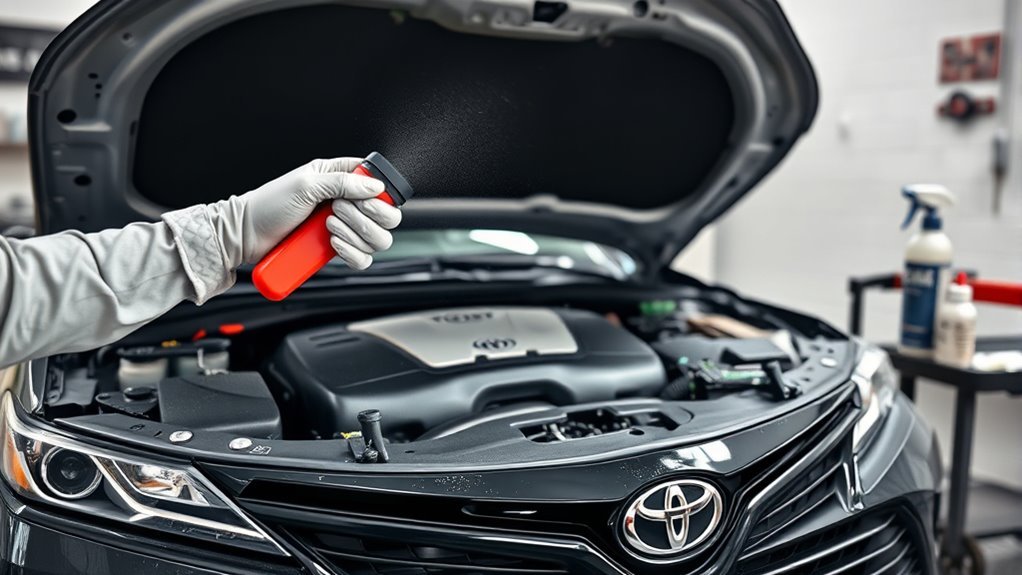
A waterless approach is the best starting point for most Toyota Camry engine bays because it limits the amount of liquid near electrical connectors, sensors, relays, and sealed components. Toyota’s owner information warns that the engine compartment can contain hot, moving, and electrically energized parts, so the first rule is to work only when the vehicle is off and cool.
Use a rinseless or waterless wash product such as Optimum No Rinse Wash & Wax, several clean microfiber towels, and soft detailing brushes. For oily buildup, spot-treat with a non-corrosive cleaner such as Simple Green All-Purpose Cleaner, following the product label and using it sparingly.
Work one small area at a time. Lightly mist the towel or the dirty surface, let the cleaner loosen grime for a short dwell time, agitate gently with a soft brush, and wipe the residue away with a folded microfiber towel. Flip or replace towels often so you do not drag grit across painted metal, plastic covers, or glossy trim.
Warning: Do not pressure wash a Camry engine bay. High-pressure water can force moisture past seals, into connectors, around coil packs, inside fuse boxes, and into bearings. If your Camry is a hybrid, never touch or clean orange high-voltage cables or connectors.
Key Safety Risks and Limits Before You Start
Engine bays are designed to tolerate splash exposure from normal driving, not direct soaking or aggressive cleaning. The goal is to remove grime while protecting the electrical system, rubber seals, greased joints, sensors, and hybrid components.
Electrical Component Vulnerability
The alternator, fuse box, exposed connectors, relays, sensor plugs, ignition components, and battery terminals are moisture-sensitive. A connector can look dry on the outside while holding moisture inside the plug body, which may later cause corrosion, rough running, intermittent warning lights, or no-start symptoms.
- Inspect visible connectors before cleaning and look for cracked insulation, broken clips, corrosion, or loose plugs.
- Cover the alternator, fuse box, exposed relays, air intake opening, and sensitive connectors with plastic bags or plastic sheeting.
- Use painter’s tape to hold covers in place, but do not wrap tape tightly around fragile wiring.
- Spray cleaner onto a towel or brush instead of directly into connector areas.
- After cleaning, remove all plastic covers and check that no moisture is trapped underneath.
Hybrid Camry Safety Note
Many newer Camry models are hybrids, and Toyota warns owners not to touch, disassemble, remove, or replace high-voltage parts, cables, or connectors. High-voltage wiring is typically identified by orange insulation. Do not clean those cables, tug on them, remove covers around them, or spray cleaner toward them. If a hybrid component looks damaged, wet inside, corroded, or out of place, stop and have the vehicle inspected by a Toyota dealer or qualified hybrid technician.
Note: Disconnecting the 12-volt battery is not always necessary for a light wipe-down, and it can reset some vehicle settings. If you choose to disconnect it, follow the owner’s manual for your exact model year. Toyota specifically cautions against disconnecting the negative terminal on the body side on some models.
Seals and Grease Limits
Rubber boots, gaskets, wiring grommets, and greased linkages are built to resist normal road splash, not soaking, strong solvents, or heavy scrubbing. Aggressive cleaning can dry out rubber, remove protective grease, or push dirty liquid into areas that should stay sealed.
Before cleaning, check rubber parts for cracking, brittleness, oil swelling, or loose seating. If a seal is already compromised, keep that area dry and repair the issue before doing a deeper clean.
Pressure and Steam Hazards
Pressure washers and uncontrolled steamers are risky in a Camry engine bay because force and heat can drive moisture into connectors, bearings, seams, and sensor housings. Steam can also soften labels, disturb grease, and create condensation in places you cannot easily dry.
- Use manual wiping and brushing whenever possible.
- If you use steam, keep it brief, low-pressure, and away from wiring harnesses, the alternator, fuse box, intake, battery area, and hybrid components.
- Never hold steam or rinse water in one spot for more than a moment.
- Dry immediately with microfiber towels and gentle compressed air where safe.
- Watch for warning lights, rough idle, or electrical issues after the first restart.
Tools and Products for Camry Engine Bay Cleaning and What to Avoid
The best engine bay cleaning setup is simple: gentle tools, low moisture, and cleaners that are safe for automotive plastics, painted surfaces, rubber, and metal. You do not need a pressure washer, harsh solvent, tire shine spray, or a soaking rinse to get good results.
Recommended Cleaning Supplies
- Rinseless or waterless wash-and-wax solution
- Non-corrosive degreaser for oily spots
- Multiple clean microfiber towels
- Soft nylon detailing brushes in several sizes
- Foam applicators or cotton swabs for tight areas
- Plastic bags, plastic sheeting, or aluminum foil for covering sensitive parts
- Painter’s tape for securing covers
- Nitrile gloves and eye protection
- Small drip tray or absorbent pads for greasy residue
- Optional: gentle compressed air or a small blower for drying hidden seams
Items to Avoid
Avoid anything that forces water or chemicals into places you cannot inspect. That includes high-pressure washers, strong petroleum solvents, brake cleaner on plastic or rubber, abrasive scouring pads, steel brushes, harsh scrapers, and heavy silicone dressings sprayed across the whole bay.
Also avoid spraying WD-40 or any oily product broadly across the engine. It may displace moisture on bare metal in specific situations, but overspray can attract dust, contaminate belts, soften some rubber, and create a messy film. If you use any protectant or dressing, apply it lightly to a towel first and keep it away from belts, pulleys, electrical connectors, brake components, and hot exhaust parts.
Pro Tip: Keep separate towels for oily areas and clean plastic covers. Once a towel touches grease, do not use it on painted edges, glossy trim, headlights, or fenders.
How to Prepare the Engine Bay and Protect Sensitive Parts
Preparation matters more than the cleaner you choose. A careful setup prevents most engine bay cleaning problems.
- Park safely. Park on a flat surface, engage the parking brake, and work in shade so cleaners do not dry too quickly.
- Let the vehicle cool completely. Wait until the engine, radiator, inverter area, exhaust components, and fluid reservoirs are cool to the touch.
- Turn the vehicle fully off. For hybrid models, confirm the READY indicator is off and keep the key fob away from the vehicle.
- Check the engine bay first. Look for loose connectors, oil leaks, coolant residue, cracked hoses, rodent damage, or missing covers before you clean.
- Cover sensitive areas. Protect the alternator, fuse box, exposed sensors, air intake opening, battery terminals, aftermarket electronics, and any open connector.
- Remove loose debris by hand. Pick out leaves and twigs from cowl corners, radiator support areas, and hood channels before using any liquid cleaner.
- Protect surrounding paint. Place a towel over the fenders if you will lean across them.
If you find a fresh leak, a chewed wire, a cracked coolant hose, or a damaged connector, fix that issue first. Cleaning can hide evidence that a technician may need for diagnosis.
Waterless Cleaning: Step by Step for a Camry
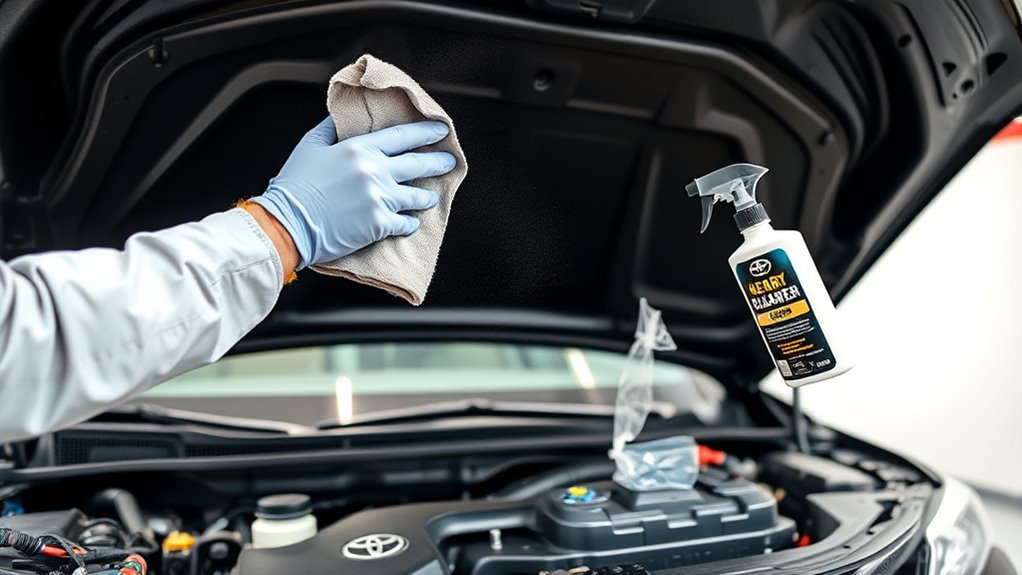
Use this process for regular maintenance cleaning, dusty engine bays, light oil film, and cosmetic cleanup before an inspection or sale.
- Start at the top and rear. Wipe the underside edges of the hood, rear firewall area, plastic covers, and upper strut tower areas first.
- Clean plastic covers. Lightly mist a microfiber towel with rinseless wash and wipe engine covers, intake tubes, and trim panels.
- Brush tight areas. Use a soft detailing brush around cap edges, brackets, seams, and textured plastic. Do not force bristles into connectors.
- Spot-treat grease. Apply diluted non-corrosive degreaser to a brush or towel, not directly into electrical areas. Agitate gently and wipe away residue.
- Fold towels often. Use a clean towel face for each section to avoid spreading oily grime.
- Clean painted metal last. Wipe upper radiator support areas, fender edges, and painted brackets with a clean towel and rinseless wash.
- Remove protective covers. Take off all plastic bags, foil, and tape. Check that no cover material is left behind.
- Dry thoroughly. Use dry microfiber towels and gentle airflow to dry seams, cap edges, and protected areas.
- Inspect before restarting. Confirm that hoses, caps, connectors, dipsticks, covers, and battery connections are back in place.
Let the engine bay air dry completely before driving. If the bay still smells like cleaner or feels damp around connectors, give it more time.
Using Steam or Low-Pressure Rinses Safely on a Camry Engine Bay
A waterless method is safest, but a controlled low-pressure rinse or brief steam pass may help with heavy dirt on older, non-hybrid engine bays. Use this only when the bay is cool, sensitive areas are covered, and you can dry everything immediately.
If you must use water, use the lowest practical flow—more like a gentle shower than a jet. Keep the nozzle moving, keep it away from connectors and the alternator, and never aim at the fuse box, intake opening, coil packs, battery area, or hybrid components.
- Apply cleaner to the dirty surface or towel first; do not flood the bay.
- Agitate with microfiber towels and soft brushes before rinsing.
- Keep the water angle shallow so it runs off rather than into plugs and seams.
- Avoid sustained spraying near wiring harnesses, sensors, bearings, and pulleys.
- Dry immediately with towels and gentle air movement.
The safest engine bay clean is not the wettest clean. It is the one that removes grime while keeping electrical connectors, seals, intake openings, and hybrid components dry.
Common Problems, Post-Clean Checks, and Maintenance Schedule
After cleaning, inspect the engine bay before driving. Look for loose plugs, wet connectors, damp spark plug or coil areas, displaced vacuum lines, open caps, loose battery terminals, or residue left around pulleys and belts.
Post-Clean Checklist
- Remove every plastic cover, bag, foil sheet, and piece of tape used for protection.
- Check that the oil cap, coolant reservoir cap, washer fluid cap, brake fluid cap, and dipstick are seated correctly.
- Look for wetness around electrical connectors, the fuse box, battery terminals, and ignition components.
- Inspect belts and pulleys for cleaner or dressing residue.
- Check for new or previously hidden leaks around valve cover areas, hoses, clamps, and reservoirs.
- Start the vehicle only after the bay is dry, then watch for warning lights or unusual idle behavior.
- Take a short drive, then recheck for odors, steam, leaks, or warning messages.
What to Do If the Camry Runs Rough After Cleaning
If the engine runs rough, misfires, shows warning lights, or struggles to start after cleaning, stop driving and recheck for trapped moisture. Let the vehicle sit with the hood open in a dry, ventilated area. Do not keep restarting the engine repeatedly if warning lights remain on.
Inspect only safe, visible low-voltage areas. If you suspect water entered a connector, fuse box, coil area, or hybrid component, have the vehicle inspected by a qualified technician. For hybrid Camry models, do not open high-voltage covers or touch orange cables.
How Often to Clean a Camry Engine Bay
For most daily drivers, a light engine bay wipe-down every 6–12 months is enough. Clean more often if you drive on salted roads, park under trees, travel on dusty roads, or recently repaired an oil or coolant leak. A quick inspection at every oil change is a smarter habit than waiting for heavy grime to build up.
When cleaning creates runoff, collect greasy residue with towels or absorbent pads and keep it out of storm drains. The U.S. Environmental Protection Agency notes that vehicle and equipment washing runoff can carry sediment, detergents, oil, grease, and metals into stormwater systems.
Frequently Asked Questions
How do you clean a Camry engine bay without damaging it?
Use a cool engine, turn the vehicle fully off, protect the alternator, fuse box, intake opening, exposed connectors, and hybrid components, then clean by hand with microfiber towels, soft brushes, rinseless wash, and a small amount of non-corrosive degreaser. Avoid pressure washing, soaking, harsh solvents, and aggressive scrubbing.
What is safe to clean a Camry engine bay with?
Safe options include a rinseless or waterless car wash solution, microfiber towels, soft nylon detailing brushes, foam applicators, and a non-corrosive degreaser used only on greasy spots. Always follow the cleaner label and test a small area first if you are unsure about a surface.
Can I spray water in a Toyota Camry engine bay?
A very light, controlled low-pressure rinse may be possible on some engine bays, but it is not the safest first choice. Do not spray electrical connectors, the alternator, fuse box, intake opening, ignition components, battery terminals, or hybrid high-voltage parts. A waterless wipe-down is safer for most DIY owners.
Is it okay to pressure wash a Camry engine bay?
No. Pressure washing is not recommended because it can force water into connectors, seals, coil areas, fuse boxes, bearings, and sensors. Even if the engine starts normally afterward, trapped moisture can cause corrosion or intermittent electrical problems later.
Should I disconnect the battery before cleaning the engine bay?
For a light waterless wipe-down, many owners simply turn the vehicle fully off and keep the key away. If you plan to disconnect the 12-volt battery, follow the owner’s manual for your exact Camry model year. On some Toyota models, Toyota cautions against disconnecting the negative terminal on the body side.
Can I use WD-40 in the engine bay?
Use it only sparingly and only where appropriate, such as specific bare-metal moisture-displacement needs. Do not spray it broadly over the engine bay, belts, pulleys, connectors, sensors, rubber parts, brake components, or hot exhaust areas. For normal cleaning, microfiber towels, rinseless wash, and a compatible degreaser are better choices.
Conclusion
A clean Camry engine bay should look tidy, not soaked. The safest routine is simple: cool the vehicle, turn it fully off, protect sensitive parts, use low-moisture cleaning products, wipe by hand, and dry everything before driving. For Camry Hybrid models, add one non-negotiable rule: leave orange high-voltage cables and components alone. With a careful waterless method and regular inspections, you can keep the engine compartment clean while reducing the risk of electrical trouble, corrosion, or hidden moisture.
Sources
- Toyota Owners: 2025 Camry Do-It-Yourself Service Precautions — engine compartment safety, hot parts, electrical precautions, and READY indicator guidance
- Toyota Owners: 2025 Camry Hybrid System Precautions — high-voltage hybrid component warnings
- Toyota Owners: 2025 Camry 12-Volt Battery — battery disconnection caution for the negative terminal
- Simple Green: Cleaning Automotive Engines — non-corrosive engine cleaning product guidance
- Optimum No Rinse Wash & Wax — rinseless wash product information
- U.S. EPA: Municipal Vehicle and Equipment Washing BMP — stormwater concerns from vehicle washing runoff