Toyota Camry tire size is not one-size-fits-all. The correct size depends on the model year, trim, drivetrain, wheel package, and sometimes whether the car is gas or hybrid. Use the tire sidewall to understand what is installed now, but use the driver-side door-jamb Tire and Loading Information label as the final authority before buying replacements.
Quick Answer
To read a Camry tire size such as 215/55R17, use 215 for tire width in millimeters, 55 for sidewall height as a percentage of width, R for radial construction, and 17 for wheel diameter in inches. For late-model U.S. Camrys, common sizes include 205/65R16, 215/55R17, 235/45R18, and 235/40R19.
Key Takeaways
- Always match the tire size, load index, and speed rating shown on your Camry’s door-jamb label or owner’s manual.
- Late-model Camry LE trims commonly use 215/55R17, Hybrid LE trims often use 205/65R16, SE/XLE trims often use 235/45R18, and XSE/TRD trims often use 235/40R19.
- A wider, lower-profile tire can sharpen steering but may reduce ride comfort and fuel efficiency.
- Do not rely only on year and trim charts; optional wheels and regional specifications can change the correct size.
At a Glance
| Time Required | 5–10 minutes to check the tire size and door-jamb label |
| Difficulty | Easy |
| Tools Needed | Flashlight, tire pressure gauge, optional tread-depth gauge |
| Cost | Free to check; replacement cost depends on size and tire type |
Camry Tire Sizes by Year & Trim
Camry tire sizes vary by year, trim, drivetrain, and wheel package. The table below gives common U.S.-market examples for recent Camry models, but it is not a substitute for the Tire and Loading Information label on your specific vehicle.
| Model Year | Common Trim Example | Common OEM Tire Size | Typical Wheel Size |
|---|---|---|---|
| 2024 | Hybrid LE | 205/65R16 | 16 in. |
| 2024 | LE | 215/55R17 | 17 in. |
| 2024 | SE / XLE | 235/45R18 | 18 in. |
| 2024 | XSE / TRD | 235/40R19 | 19 in. |
| 2022 | LE | 215/55R17 | 17 in. |
| 2022 | SE / XLE | 235/45R18 | 18 in. |
| 2022 | XSE / TRD | 235/40R19 | 19 in. |
| 2021 | Hybrid LE | 205/65R16 | 16 in. |
| 2021 | LE | 215/55R17 | 17 in. |
| 2020 | TRD | 235/40R19 | 19 in. |
| 2019 | L / Hybrid LE | 205/65R16 | 16 in. |
| 2019 | LE | 215/55R17 | 17 in. |
| 2019 | SE / XLE | 235/45R18 | 18 in. |
| 2019 | XSE | 235/40R19 | 19 in. |
Note: Some retailers write the same size with or without the “P” prefix, such as P215/55R17 or 215/55R17. For replacement shopping, the size, service description, load index, speed rating, and vehicle placard matter more than whether the listing uses the P prefix.
How to Read a Camry Tire Sidewall
A Camry tire sidewall code looks complicated, but each part has a job. In a size such as P215/60R16, “P” means passenger-car tire, “215” is the approximate section width in millimeters, “60” is the aspect ratio, “R” means radial construction, and “16” means the tire fits a 16-inch wheel. The Tire Industry Association explains that the service description after the size shows the load index and speed symbol.
| Code Part | What It Means | Why It Matters |
|---|---|---|
| P | Passenger-car tire | Camrys use passenger-car tires, not light-truck tires. |
| 215 | Width in millimeters | Affects grip, steering feel, rolling resistance, and clearance. |
| 60 | Aspect ratio | A lower number usually means a shorter sidewall and firmer ride. |
| R | Radial construction | Standard construction for modern passenger-car tires. |
| 16 | Wheel diameter in inches | The tire must match the wheel diameter exactly. |
| 94V, 95H, etc. | Load index and speed rating | Shows how much weight and speed the tire is rated to handle. |
Choosing Replacement Tires: Load Index, Speed Rating & Fit
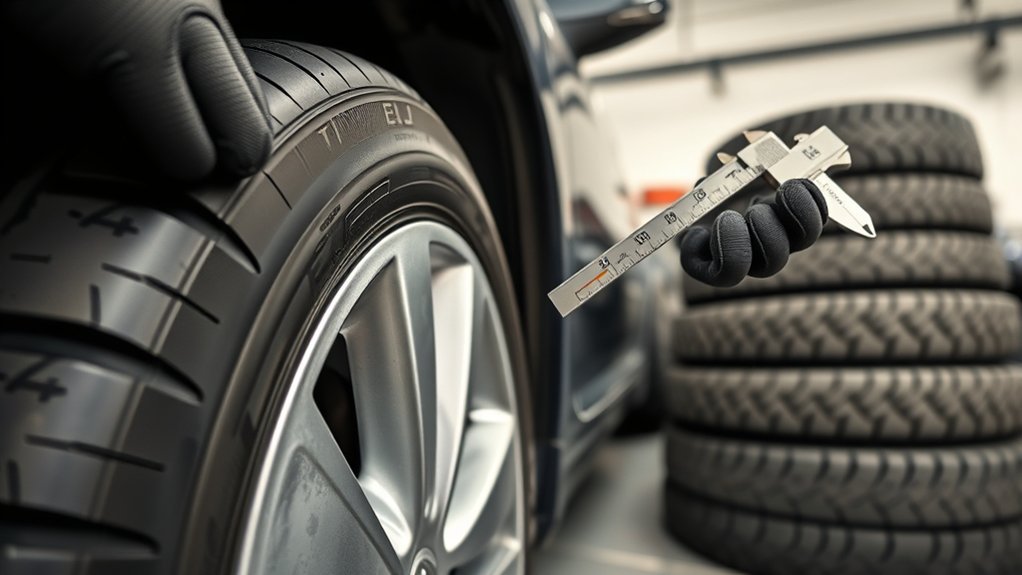
When replacing Camry tires, match the original tire size unless Toyota or a qualified tire professional confirms an alternate size. The National Highway Traffic Safety Administration advises drivers to check the owner’s manual or the Tire and Loading Information label on the driver’s side door edge or post to find the correct size.
Do not downgrade the load index or speed rating. For example, if your current tire shows 215/55R17 94V, the replacement should meet or exceed the “94” load index and the “V” speed rating unless the vehicle manufacturer or tire professional confirms another safe fitment. A higher load index is usually acceptable when the rest of the tire specifications fit correctly, but a lower one can reduce the vehicle’s safety margin.
Warning: The maximum pressure printed on the tire sidewall is not the recommended daily inflation pressure for your Camry. Use the cold tire pressure listed on the door-jamb label or in the owner’s manual.
How Width & Aspect Ratio Affect Camry Handling & Fuel Economy
Tire width and aspect ratio change how a Camry feels on the road. A wider tire can increase the contact patch and improve cornering grip, but it can also add rolling resistance, road noise, and weight. A lower aspect ratio, such as 40 or 45, usually gives sharper steering response because the sidewall flexes less, but the ride may feel firmer over potholes and rough pavement.
A taller sidewall, such as 60 or 65, generally cushions impacts better and can suit drivers who prioritize comfort and fuel economy. This is why many comfort-focused or hybrid-focused trims use smaller wheels with taller tires, while sport-oriented trims use larger wheels with lower-profile tires.
The best Camry tire size is not the widest tire that fits. It is the tire size that preserves the vehicle’s load rating, speed rating, overall diameter, clearance, and intended ride balance.
Can You Upsize or Downsize Your Camry’s Tires?
You can sometimes upsize or downsize Camry tires, but the safe answer depends on wheel width, offset, suspension clearance, brake clearance, load rating, speed rating, and overall diameter. If you change tire size without checking those details, you can create rubbing, inaccurate speedometer readings, ABS or traction-control issues, and uneven tire wear.
Acceptable Diameter Changes
As a general aftermarket fitment guideline, keep the replacement tire’s overall diameter close to the factory diameter. Many tire shops use about a 3% difference as a practical limit, but Toyota-approved sizes and professional fitment checks should override any generic calculator result. Staying close to the original diameter helps preserve speedometer accuracy, gearing feel, ride height, and electronic safety-system behavior.
Speedometer And Clearance
Changing tire diameter changes how far the car travels per wheel rotation. A taller tire can make the speedometer read slightly lower than actual speed, while a shorter tire can make it read slightly higher. Width and offset matter too; a tire that looks close on paper may still rub the fender liner, strut, or suspension components during turning or compression.
| Change | Possible Effect | What To Check |
|---|---|---|
| Taller tire | Lower indicated speed, possible rubbing | Overall diameter, fender clearance, suspension clearance |
| Shorter tire | Higher indicated speed, shorter gearing feel | Speedometer error, load rating, ride quality |
| Wider tire | More grip potential, more road noise or drag | Wheel width, offset, inner clearance, outer clearance |
| Lower-profile tire | Sharper steering, firmer ride | Wheel diameter, pothole risk, correct load rating |
Load Rating Considerations
Load index is a safety specification, not a styling choice. A Camry replacement tire should meet or exceed the load index required by the vehicle placard or original tire service description. If you move from a standard tire to an extra-load tire, confirm that the pressure recommendation still follows Toyota’s placard and the tire professional’s guidance. Do not increase pressure simply because the tire is capable of a higher maximum pressure.
Pro Tip: Before buying alternate-size tires, ask the shop to confirm the overall diameter, wheel width range, offset, load index, speed rating, and full-lock clearance in writing on the quote.
Where to Find Exact Camry Specs & Professional Tire Help
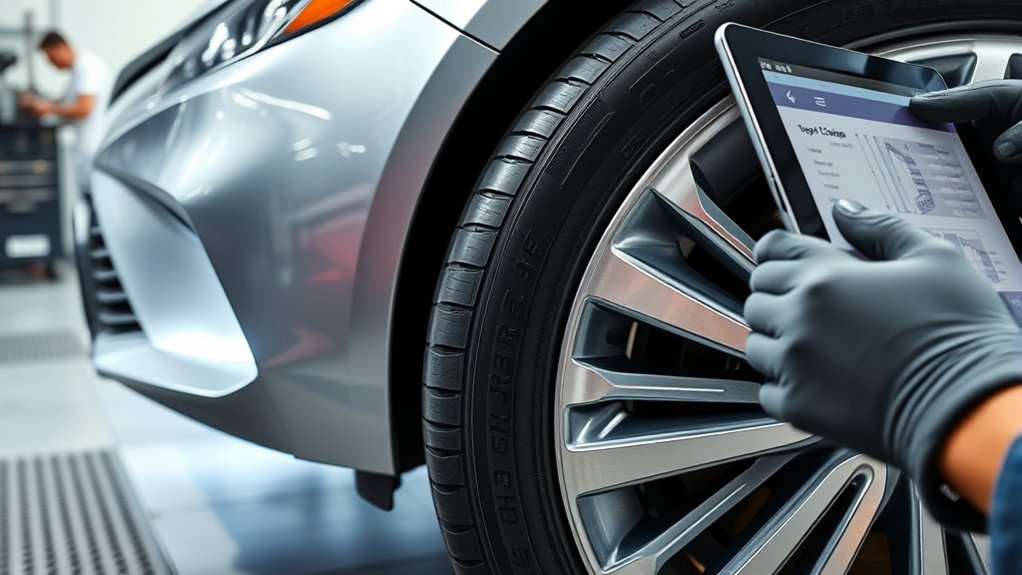
The most reliable tire information for your Camry is on the vehicle itself. Look for the Tire and Loading Information label on the driver-side door edge, door jamb, or B-pillar. It lists the original tire size, recommended cold inflation pressure, seating capacity, and load information for that exact vehicle configuration.
Vehicle Door-Jamb Sticker
Use the door-jamb sticker before using any online chart. Online fitment charts are helpful for planning, but the placard is tied to your vehicle’s original equipment and wheel package. If the label is missing, damaged, or unreadable, use the Toyota Owners manuals and warranties portal or contact a Toyota dealer with your VIN.
Professional Tire Consultation
A qualified tire retailer or Toyota service department can confirm whether your selected tire fits the rim, clears the suspension, and meets the correct load and speed requirements. This is especially important if you are changing wheel diameter, using aftermarket wheels, switching to winter tires, or buying tires for an AWD Camry.
Maintenance Tips for Camry Tires
Correct size is only part of tire safety. Inflation, rotation, alignment, and tread depth determine how well the tires perform after installation. NHTSA notes that proper tire maintenance helps reduce the risk of flats, blowouts, and tread separation.
- Check pressure cold: Measure tire pressure before driving or after the car has been parked for several hours.
- Use the placard pressure: Set pressure to Toyota’s listed cold PSI, not the maximum PSI molded on the tire.
- Rotate on schedule: Follow the maintenance schedule for your model year and drivetrain.
- Inspect tread depth: Replace tires when treadwear indicators show or when tread depth is unsafe for your conditions.
- Watch for uneven wear: Feathering, cupping, or one-edge wear may point to alignment, balance, or suspension issues.
- Match tires carefully on AWD models: Keep tire size, type, and tread depth closely matched to protect drivetrain behavior.
Frequently Asked Questions
How do I find the tire size on a Toyota Camry?
Open the driver-side door and read the Tire and Loading Information label on the door edge, door jamb, or B-pillar. You can also read the tire sidewall, but the door-jamb label is the best source for the factory-recommended size and cold inflation pressure.
What does 245/35R18 mean?
245/35R18 means the tire is about 245 millimeters wide, the sidewall height is 35% of that width, the tire uses radial construction, and it fits an 18-inch wheel. Before using that size on a Camry, confirm wheel width, clearance, load index, speed rating, and overall diameter.
Can I put 18-inch or 19-inch wheels on a Camry that came with 17-inch wheels?
Sometimes, but only if the wheel width, offset, tire diameter, load index, speed rating, brake clearance, and suspension clearance are correct. Many Camry trims were offered with larger factory wheels, but that does not mean every aftermarket 18-inch or 19-inch setup will fit safely.
Is the pressure on the tire sidewall the correct Camry tire pressure?
No. The number on the tire sidewall is the tire’s maximum pressure limit, not Toyota’s recommended daily inflation pressure. Use the cold tire pressure listed on the Camry’s door-jamb label or in the owner’s manual.
Do all four Camry tires need to be the same size?
For normal Camry street use, yes. Use the same size, type, load rating, and speed rating on all four corners unless Toyota specifies otherwise. Mixing tire sizes can affect handling, braking, traction control, and AWD system behavior.
Conclusion
You can decode Camry tire sizes quickly once you know what each number means, but buying the right replacement still comes down to the vehicle-specific placard. Use online charts for orientation, read the sidewall for the current tire, then confirm the exact factory size, load index, speed rating, and cold tire pressure on the driver-side door-jamb label. When changing wheel size or tire size, let a qualified tire professional verify fitment before you install.
Sources
- NHTSA TireWise — tire size selection, Tire and Loading Information label guidance, tire pressure, and tire safety maintenance.
- Tire Industry Association: Reading a Tire Sidewall — tire width, aspect ratio, radial construction, rim diameter, load index, speed symbol, DOT code, and UTQG explanation.
- Toyota Owners Manuals & Warranties — official Toyota owner manual access for vehicle-specific tire and loading information.
- Toyota USA Newsroom: Camry — official Toyota Camry model-year and trim information.