
Last updated: July 16, 2026
To prevent Hyundai Sonata interior odors, remove the source instead of covering it with fragrance. Clean spills promptly, keep carpets and floor mats dry, remove food and trash, and inspect the cabin air filter according to your Sonata’s model-year maintenance schedule. A musty smell usually points to trapped moisture in the cabin or HVAC system. Sweet, fuel-like, exhaust, electrical, or burning odors require faster diagnosis because they may indicate a leak or mechanical fault.
Quick Answer
- Musty when the fan starts: Inspect the cabin filter, evaporator drain, carpets, and other moisture sources.
- Sweet smell: Check for a coolant leak and watch for overheating, low coolant, damp carpet, or window fogging.
- Fuel, exhaust, smoke, or electrical burning: Stop driving when safe and arrange an inspection.
- Food, pet, or spill odor: Remove the source, vacuum thoroughly, clean with a material-compatible product, and dry the area completely.
What Do Different Hyundai Sonata Interior Odors Mean?
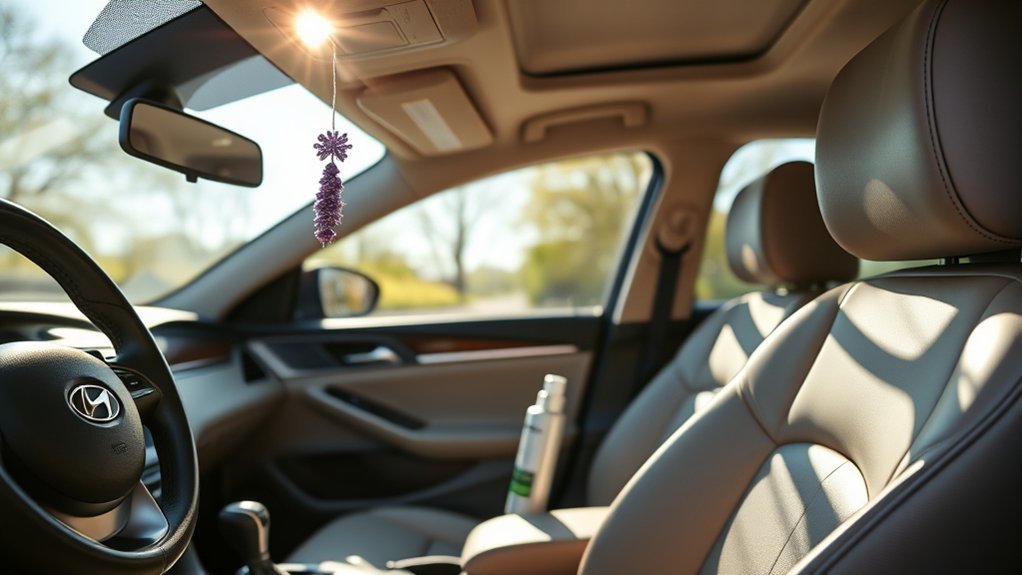
Start by noting when the odor appears. Check whether it begins with the fan alone, only when the AC compressor runs, after rain, during braking, after the engine warms, or whenever the vehicle is moving. The timing helps separate an HVAC moisture problem from a cabin leak, hot brake, fluid leak, or exhaust fault.
| Odor | Possible Sources | What to Do |
|---|---|---|
| Musty, damp, or dirty-sock smell | A dirty cabin filter, moisture on the evaporator, a restricted condensate drain, wet carpet, or a body-water leak | Inspect the filter and carpets. Check whether the smell appears when the blower starts. Have the evaporator and drain inspected if the odor returns. |
| Sweet or syrup-like smell | Leaking coolant from the heater core, hoses, radiator, reservoir, or another cooling-system component | Check for low coolant, overheating, damp front carpet, or a greasy film on the windshield. Do not remove a hot radiator or coolant cap. |
| Gasoline or raw-fuel smell | A fuel leak, damaged fuel-system component, or evaporative-emissions fault | Turn off the vehicle, avoid flames and sparks, move away from the car, and arrange professional diagnosis. Do not continue driving with a strong fuel odor. |
| Exhaust smell | An exhaust leak or exhaust entering through a body opening | Open the windows, stop in a safe location, exit the vehicle, and arrange an exhaust-system inspection. Carbon monoxide has no smell, so do not use odor alone to judge safety. |
| Burning plastic or electrical smell | Overheated wiring, a blower motor or resistor fault, a short circuit, or another hot electrical component | Switch the vehicle off when safe. If you see smoke, move away and contact emergency services. |
| Burning rubber or burnt-carpet smell | A slipping belt, dragging or overheated brake, hose touching a hot component, tire contact, or road debris on the exhaust | Stop safely if you see smoke, feel brake drag, notice a soft pedal, or experience steering or braking changes. |
| Rotten-egg or sulfur smell | A catalytic-converter or fuel-control problem, an exhaust fault, or an overheating battery | Have the vehicle inspected promptly. Shut it off if the odor is strong, accompanied by smoke, or concentrated near the battery. |
| Stale food, pet, or smoke odor | Residue in upholstery, carpet, seat tracks, vents, door pockets, or the trunk | Remove the source, vacuum hidden areas, clean the affected material, and dry it fully before using an odor absorber. |
Safety note: The CDC states that even a small exhaust-system leak can allow carbon monoxide to build up inside a vehicle. Carbon monoxide is colorless and odorless. If an exhaust odor is accompanied by headache, dizziness, weakness, nausea, chest pain, or confusion, leave the vehicle and seek medical help. See the CDC carbon-monoxide guidance.
How Can You Prevent Hyundai Sonata Cabin Odors?
Odor prevention works best when you control debris, spills, moisture, and airflow. Air fresheners may change the scent temporarily, but they cannot repair a leak or remove contamination below the carpet.
- Remove food containers, drink cups, damp clothing, and trash after each trip.
- Vacuum the seats, carpet, floor-mat edges, seat tracks, door pockets, and trunk regularly.
- Blot spills immediately and dry the carpet padding, not only the visible surface.
- Check beneath floor mats after rain, washing, or using the AC.
- Inspect the spare-tire well and trunk side panels if the odor is strongest in the rear.
- Replace the cabin air filter according to the schedule for your Sonata’s model year, or sooner if airflow drops or the filter is visibly contaminated.
- Use recirculation when appropriate, but periodically allow outside air into the cabin.
- Ventilate the parked vehicle only when weather and security conditions allow.
Hyundai provides model-year-specific manuals and maintenance resources. Use the vehicle filters on the Hyundai Manuals & Warranties page rather than relying on one replacement interval for every Sonata.
How Should You Clean a Hyundai Sonata Interior Safely?
Begin with the least aggressive cleaning method. Identify whether the affected surface is fabric, carpet, leather, coated vinyl, hard plastic, glass, or an electronic display before choosing a cleaner.
- Remove the source. Take out trash, food, wet mats, pet bedding, and removable cargo liners.
- Vacuum dry debris. Clean beneath the seats, around seat rails, between cushions, under mats, and inside the trunk.
- Choose a compatible cleaner. Use a product labeled for the material and test it on a hidden area first.
- Apply cleaner to a cloth. Do not spray liquid directly onto screens, buttons, switches, speakers, or seams around electrical controls.
- Avoid soaking upholstery. Excess liquid can reach foam or carpet padding and create a deeper odor problem.
- Extract or blot residue. Use clean towels or appropriate extraction equipment until little moisture transfers back to the cloth.
- Dry the area completely. Use moving air in a secure, well-ventilated location. Do not reinstall damp floor mats.
If the carpet repeatedly becomes wet, cleaning alone will not solve the odor. Inspect door and window seals, body drains, the windshield area, trunk seals, the AC condensate drain, and the cooling system for a continuing leak.
Why Does Your Sonata’s AC Smell Musty?
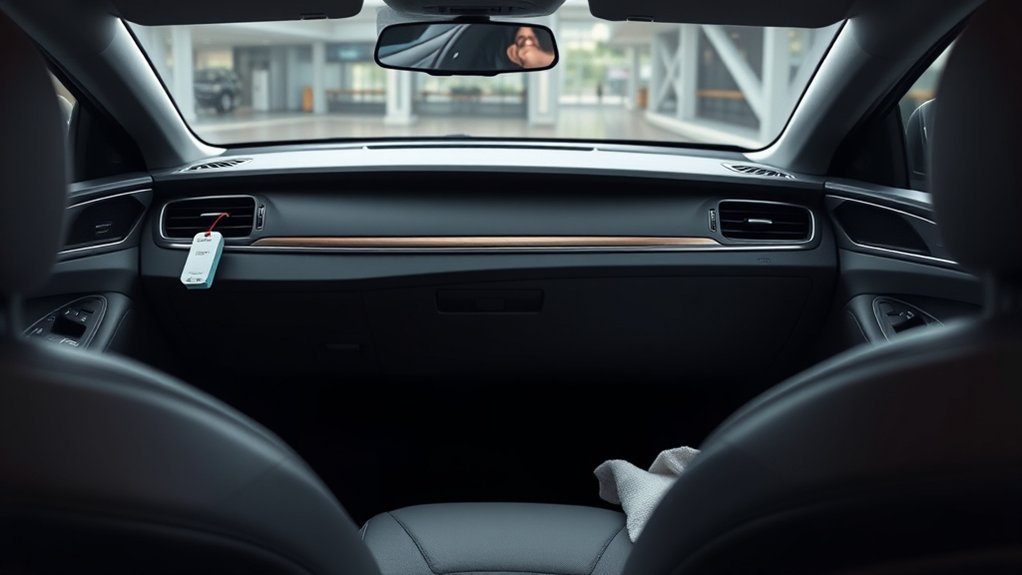
A musty odor that appears when the blower starts often comes from moisture and debris around the cabin filter, evaporator, filter housing, or condensate drain. A wet footwell or clogged body drain can create a similar smell, so confirm that the odor actually comes from the vents.
- Run the fan with the AC compressor off. Then compare the odor with the compressor on.
- Inspect the cabin air filter and its housing for dirt, leaves, moisture, or pest debris.
- Look beneath the front carpet and floor mats for dampness.
- After normal AC use, water dripping beneath the vehicle may be ordinary condensate. A wet cabin or no drainage during humid operation may justify a drain inspection.
- In humid weather, turning the compressor off while leaving the blower running briefly before parking may reduce residual evaporator moisture.
- Do not pour cleaner into the vents or spray household disinfectant onto the evaporator without a procedure approved for the vehicle and product.
If the smell returns soon after replacing a dirty filter, ask a qualified shop to inspect the evaporator surface, filter housing, condensate drain, and water-entry points. Replacing the filter alone cannot remove contamination already on the evaporator or below the carpet.
When Should You Stop Driving or Get Professional Help?
Stop Driving When Safe
Pull over, shut the vehicle off, and arrange assistance when you notice:
- A strong gasoline or fuel-vapor odor
- Smoke or a burning-plastic or electrical smell
- Exhaust odor entering the cabin
- A burning-brake smell with pulling, reduced braking, a soft pedal, or smoke
- A sweet coolant odor with overheating or a temperature warning
- A sulfur odor near a hot, swollen, leaking, or smoking battery
Keep flames, cigarettes, sparks, and electrical ignition sources away from a vehicle that smells strongly of fuel. Recall applicability can vary by VIN, so use the NHTSA recall lookup to check the specific Sonata rather than relying only on its model year.
Schedule Service Soon
Arrange an inspection when:
- A musty vent odor returns after the cabin filter has been inspected or replaced.
- The carpet, trunk, or spare-tire well repeatedly becomes damp.
- The windows develop an oily film while a sweet odor enters the cabin.
- A rotten-egg odor continues after the engine reaches operating temperature.
- The blower has weak airflow, unusual noise, or an electrical smell.
- An odor remains after the visible spill or debris has been removed.
Refrigerant recovery, charging, or other paid motor-vehicle AC service should be completed by a properly trained technician. The EPA requires people who service motor-vehicle AC systems for payment to hold approved Section 609 certification. See the EPA Section 609 guidance.
Frequently Asked Questions
Why Does My Hyundai Sonata Smell Bad Inside?
Common sources include food residue, wet carpet, pet debris, smoke contamination, a dirty cabin filter, moisture on the AC evaporator, a blocked drain, leaking coolant, fuel vapor, or exhaust entering the cabin. Note when the smell appears and inspect for moisture or residue before adding fragrance.
Why Does My Sonata Smell Musty When the AC Starts?
The odor may come from moisture and debris around the cabin filter, evaporator, filter housing, or condensate drain. Inspect the filter and carpet first. If the smell returns, have the evaporator, drain, and possible cabin-water leaks checked.
How Often Should I Replace a Hyundai Sonata Cabin Air Filter?
Follow the maintenance schedule for your Sonata’s model year and driving conditions. Inspect it sooner if airflow becomes weak, the filter looks dirty, or an odor appears when the blower starts.
What Does a Sweet Smell Inside My Sonata Mean?
A sweet or syrup-like odor can indicate leaking engine coolant. Check for overheating, low coolant, wet front carpet, or a greasy film on the windshield. Never open a hot radiator or coolant cap.
What Should I Do If My Sonata Smells Like Gasoline or Exhaust?
Stop in a safe place, shut the vehicle off, and leave the cabin. Avoid flames and sparks if you smell fuel. An exhaust leak can allow odorless carbon monoxide into the car, so arrange professional diagnosis rather than continuing to drive.
Why Does My Sonata Smell Like Rotten Eggs?
A sulfur smell can point to a catalytic-converter, fuel-control, exhaust, or battery problem. Have the vehicle inspected promptly, especially if the smell is strong or accompanied by smoke, warning lights, poor performance, or battery heat.
Will an Air Freshener Remove a Car Odor?
An air freshener may mask a mild smell, but it will not remove wet padding, mold-related contamination, spoiled food, leaking fluid, fuel vapor, or exhaust. Remove or repair the source first.
Conclusion
To keep your Hyundai Sonata interior odor-free, identify when and where the smell begins, remove debris and moisture, use cleaners that match the interior material, and follow the maintenance schedule for your exact model year. Treat fuel, exhaust, electrical, burning, overheating, and strong coolant odors as warning signs rather than cleaning problems.
A smell that quickly returns usually means the source remains hidden in the HVAC system, carpet padding, trunk, cooling system, fuel system, brakes, or exhaust. In that case, professional diagnosis is safer and more effective than adding another deodorizer.
Authoritative Sources
- Hyundai Manuals & Warranties
- NHTSA Vehicle Recall Lookup
- CDC Carbon Monoxide Poisoning Guidance
- EPA Section 609 Technician Certification Guidance