If your Toyota RAV4 has uneven brake pad wear, a hot wheel, a burning brake smell, rhythmic squealing after you release the pedal, or a pull to one side, a sticking brake caliper is one of the first things to check. A stuck caliper can keep one brake partly applied, which overheats pads and rotors and can reduce control. Because brakes are a safety system, diagnose the cause before replacing parts.
Quick Answer
A Toyota RAV4 brake caliper may stick because of dry or corroded slide pins, a seized caliper piston, damaged dust boots, old or contaminated brake fluid, a collapsed brake hose, or incorrect pad hardware. Fixes range from cleaning and lubricating the slide pins to replacing the caliper, hose, pads, or rotor.
Key Takeaways
- The most common signs are brake drag, uneven pad wear, pulling, a hot wheel, burning smell, reduced fuel economy, or noise after the brake pedal is released.
- Do not assume the caliper is bad until you inspect the slide pins, piston boot, pad hardware, brake hose, rotor, and brake fluid condition.
- If one wheel is extremely hot, smoking, leaking brake fluid, or the brake pedal feels soft, stop driving and have the RAV4 inspected.
- Hybrid and Prime models may need extra care because Toyota hybrid systems use electronically controlled braking along with conventional hydraulic brakes.
At a Glance
| Time Required | 30–90 minutes for inspection and slide-pin service; longer if calipers, hoses, pads, or rotors need replacement |
| Difficulty | Intermediate; brake bleeding or hybrid brake service is best handled by a qualified technician |
| Tools Needed | Jack stands, lug wrench, socket set, brake cleaner, wire brush, brake grease, torque wrench, inspection light, and a brake bleeder if hydraulic parts are opened |
| Cost | Low for cleaning and lubricant; moderate to high if calipers, hoses, pads, rotors, or professional labor are required |
Warning: Do not drive a RAV4 with smoking brakes, a wheel that is too hot to touch near, brake fluid leakage, a sinking brake pedal, or a brake warning light. Let the brakes cool in a safe place and arrange service.
Common Symptoms of Sticking Brake Calipers
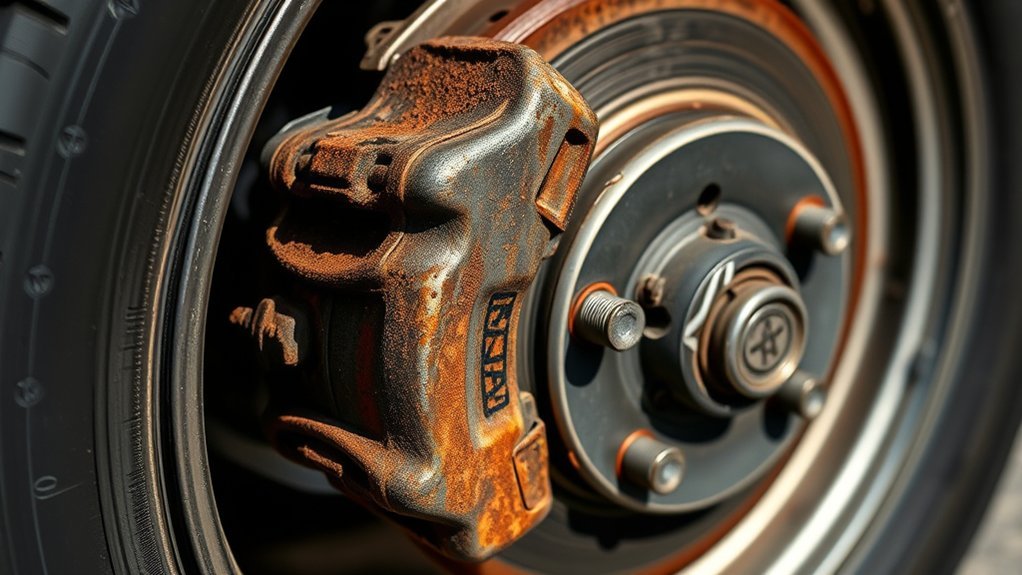
A sticking caliper usually shows up as a braking problem on one wheel. The symptoms can feel like worn pads, a warped rotor, tire pull, or alignment trouble, so inspect the full brake system before replacing the caliper.
- Uneven brake pad wear: One pad, often the inner pad on a floating caliper, may wear faster than the outer pad when the caliper cannot slide freely.
- Pulling to one side: A caliper that stays applied can make the RAV4 pull toward the side with extra braking force. A caliper that fails to apply can cause the vehicle to pull away from that side.
- Heat from one wheel: A dragging brake can make one wheel noticeably hotter than the others after normal driving.
- Burning smell or smoke: Overheated pads, rotors, or grease can create a sharp burning smell. This needs immediate attention.
- Squealing, grinding, or rubbing after release: Noise that continues after you lift off the brake pedal can mean the pad is still touching the rotor.
- Reduced fuel economy or sluggish acceleration: Brake drag adds resistance, so the vehicle may feel held back.
- Brake dust on one wheel: Excess dust on one wheel can point to a pad that is dragging or wearing faster than normal.
A brake inspection should include pad wear, fluid level, rotor condition, hoses, brake lines, warning lights, and a road test—not just a quick look at the pads.
Diagnosing Brake Caliper Issues
Start with a careful visual inspection. Park on level ground, let the brakes cool, chock the wheels, lift the vehicle safely, and support it with jack stands. Never rely on a jack alone while working near the brakes.
[Products Worth Considering]
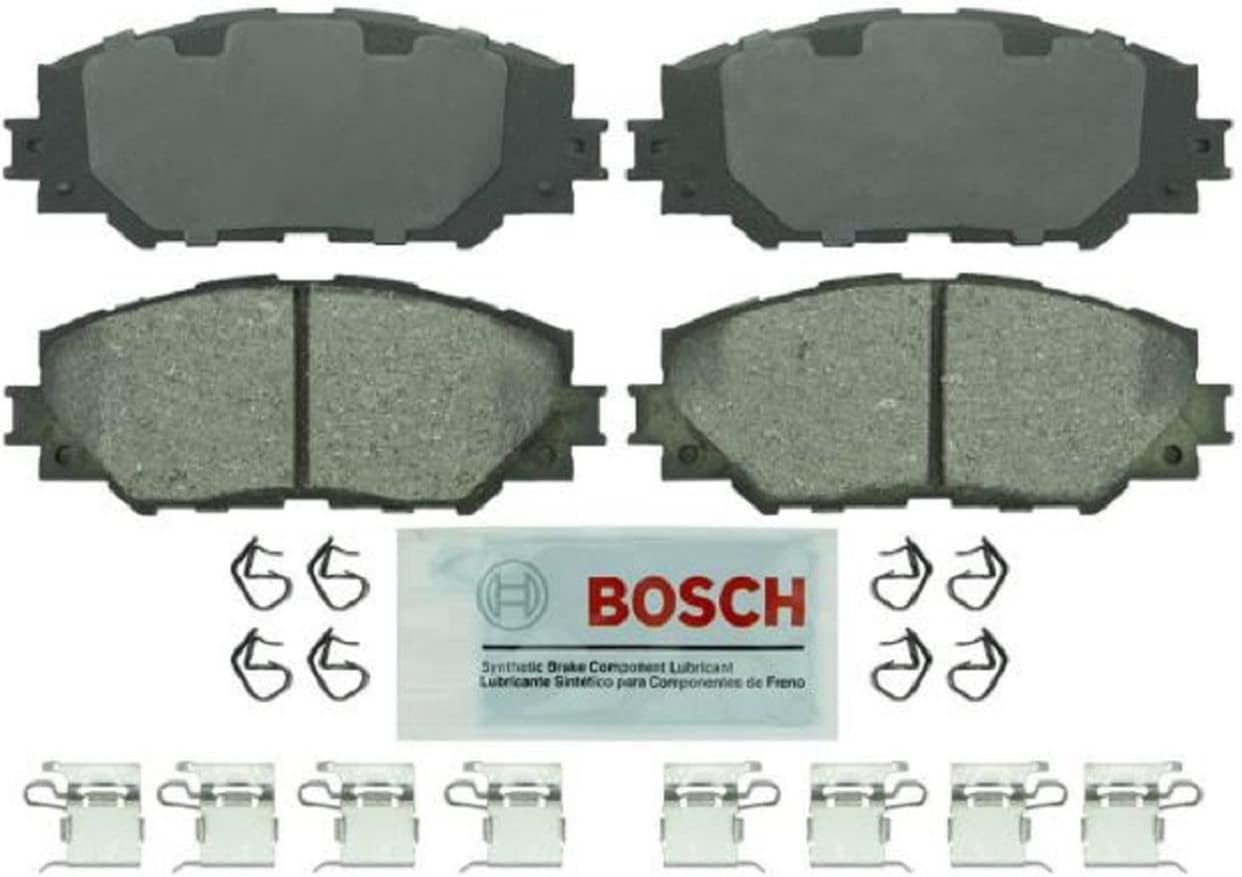
Bosch Blue ceramic front brake pads deliver dependable stopping power with platform-specific friction material designed for select Lexus, Pontiac, Scion, and Toyota vehicles. OE-style shims, slots, and chamfers help promote quiet braking, while the rust-inhibitive coating supports long-lasting performance and cleaner operation. The set includes hardware and synthetic lubricant for easier installation on one axle.

Bendix Premium Ceramic Front Brake Pads are engineered to match original equipment fit, form, and function for a straightforward replacement. Built with durable materials to help resist wear and corrosion, they support consistent braking performance and reduced brake fade for everyday driving. These pads are a dependable choice for compatible Pontiac, Scion, Toyota, and related vehicles.

Complete Tool Set: Orion Motor Tech's 24-piece brake caliper compression tool set includes 2 retaining plates, 2 thrust bolt assemblies, 2 brake caliper hangers, and 18 adapters, easily servicing your brakes without damage
Step 1: Compare Pad Wear
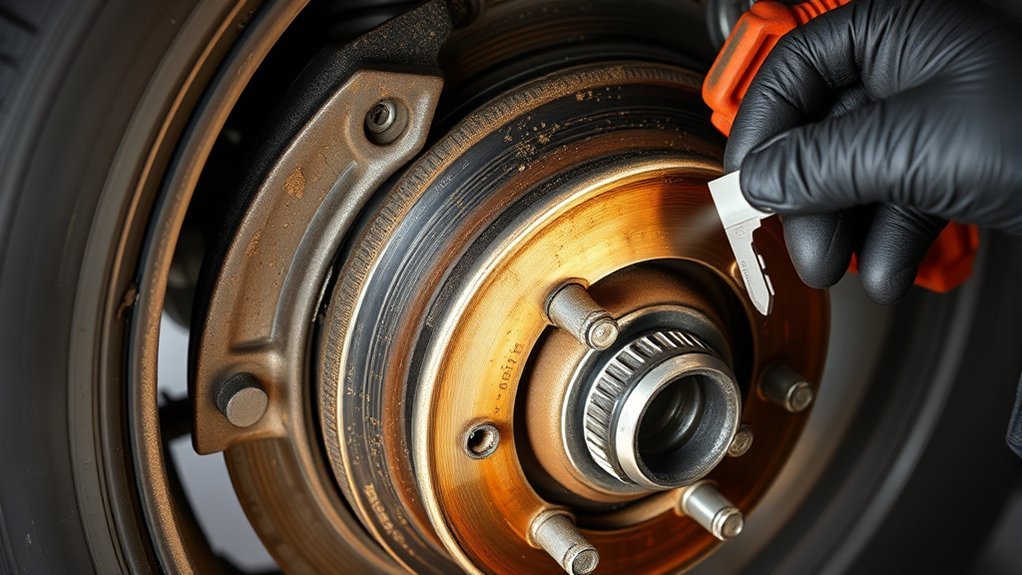
Look at the inner and outer pads on the suspected wheel. If the inner pad is much thinner, the caliper may not be sliding on its pins. If both pads on one wheel are worn more than the same-side pads on the opposite axle, the caliper piston or brake hose may be holding pressure.
Step 2: Check the Slide Pins and Boots
On floating calipers, the slide pins should move smoothly by hand once the caliper is removed from the bracket. Rust, dried grease, torn boots, or swollen rubber sleeves can stop the caliper from centering itself after braking.
Step 3: Inspect the Piston and Dust Boot
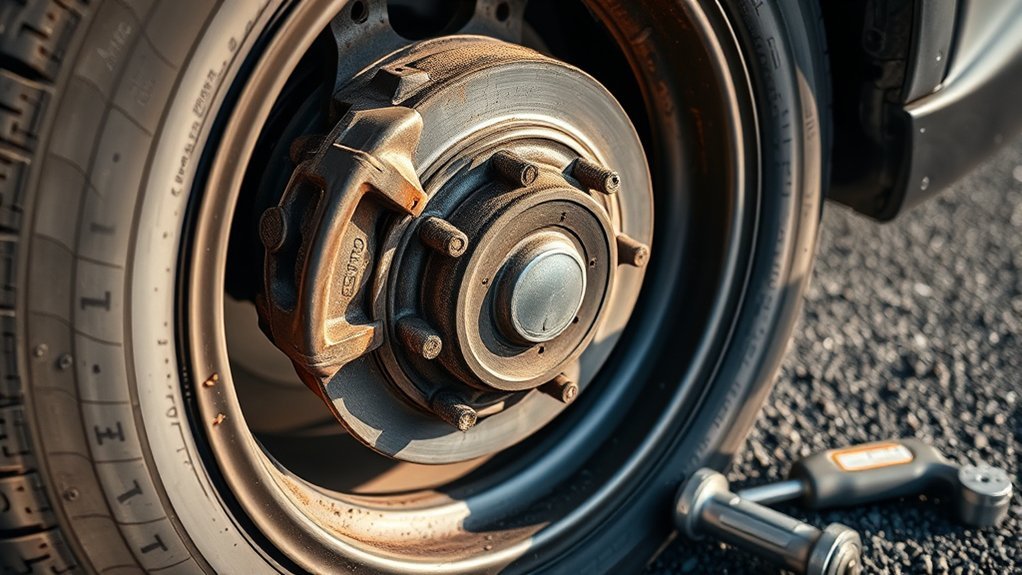
A torn dust boot allows water and road salt to reach the piston. Rust can then form around the piston or bore, making the piston slow to retract. If the piston is pitted, leaking, or difficult to compress with the bleeder open, replacement is usually safer than trying to reuse it.
Step 4: Rule Out a Collapsed Brake Hose
A damaged flexible brake hose can act like a one-way valve. Fluid pressure applies the brake, but the pressure does not release quickly. If opening the bleeder screw releases the wheel immediately, trapped hydraulic pressure may be involved, and the hose, ABS hydraulic unit, or upstream hydraulic circuit needs diagnosis.
Step 5: Check Rotor and Hardware Condition
Look for heavy rust on the rotor edge, pad ears jammed in the bracket, missing pad clips, bent shims, or pads that do not slide freely in the abutment clips. A caliper can seem stuck when the real problem is tight pad hardware or corrosion in the bracket.
Note: RAV4 Hybrid and RAV4 Prime models use electronically controlled braking features. If brake bleeding, ABS actuator work, warning lights, or scan-tool procedures are involved, use the factory repair information or have a Toyota-qualified technician handle it.
Common Causes of Sticking Brake Calipers
Sticking brake calipers often come from corrosion, contamination, dry moving parts, or hydraulic pressure that does not release. The most likely causes include:
- Dry or corroded slide pins: Pins that are dirty, rusty, or greased with the wrong lubricant can bind inside the rubber boots.
- Seized caliper piston: Rust or damaged seals can stop the piston from retracting after braking.
- Torn dust boots: Damaged boots let moisture and grit reach the piston or slide pins.
- Collapsed flexible brake hose: Internal hose damage can trap pressure at the caliper.
- Old or contaminated brake fluid: Brake fluid absorbs moisture over time, which can lower boiling performance and contribute to internal corrosion. Toyota says brake fluid service should follow the applicable vehicle manual and scheduled service intervals.
- Incorrect or missing pad hardware: Pads need to move freely in the bracket. Rust buildup under clips can pinch the pad ears.
- Improper installation: Over-tightened, under-tightened, or dry fasteners can lead to uneven movement, noise, or unsafe brake operation.
- Driving conditions: Road salt, water crossings, mud, long storage periods, and stop-and-go driving can speed up corrosion and brake wear.
Fixing Sticking Brake Calipers
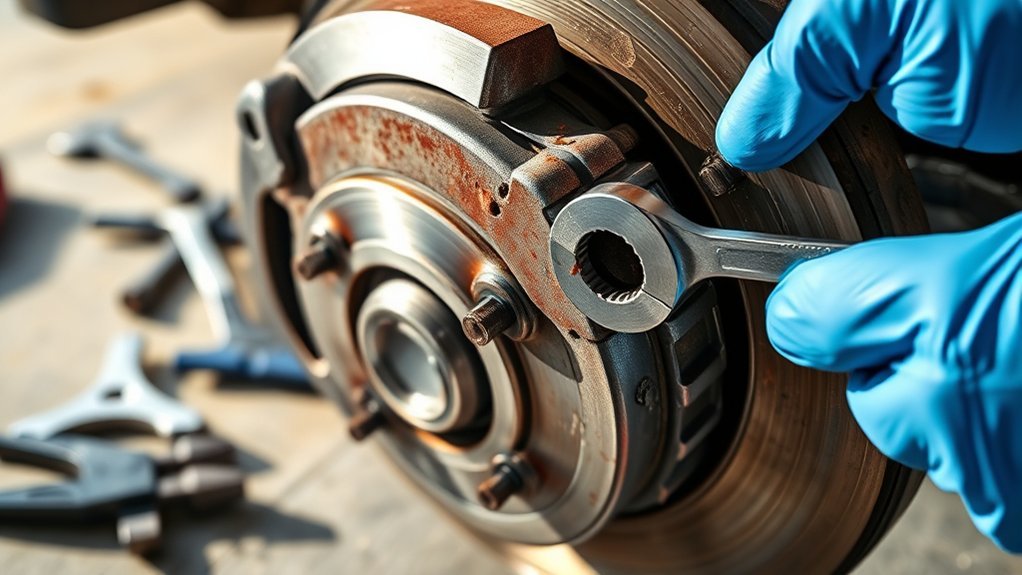
The right fix depends on what is sticking. Cleaning and lubricating slide pins may solve a mild binding issue, but a leaking caliper, seized piston, collapsed hose, or heat-damaged rotor needs replacement parts.
| Problem Found | Best Fix | Important Notes |
|---|---|---|
| Dry or rusty slide pins | Clean pins and bores; lubricate with brake-safe synthetic or silicone-based caliper grease | Do not use petroleum grease on rubber boots unless the grease is specifically brake-safe |
| Torn slide-pin boots | Replace boots and clean the pin bores | New grease will not last if water can enter the boot |
| Pads jammed in bracket | Remove rust under the abutment clips and replace hardware | Pads should slide freely without being loose |
| Seized or leaking piston | Replace or professionally rebuild the caliper | Replace pads and inspect the rotor if the brake overheated |
| Collapsed brake hose | Replace the flexible hose and bleed the system | Use the correct bleeding method for the RAV4 model and brake system |
| Burned pads or warped/heat-spotted rotor | Replace affected pads and rotors in axle pairs | Do not reuse friction parts that were overheated or contaminated |
[Products Worth Considering]

100% synthetic formula with ceramic solids forming a premium quality brake lubricant

Premium Silicone Lubricant: Our 4oz Brush Top Silicone Brake Grease/Lubricant is specially formulated to provide superior protection and performance. This high temp brake grease ensures smooth operation and longevity for your brake system components.

Entire Brake Assembly Protection: Sil-Glyde Brake Lubricant is crafted for the complete brake assembly, ensuring compatibility with both plastic and rubber (EPDM & Nitrile), safeguarding various components effectively.
Safe Slide-Pin Service Steps
- Park on a level surface, set the parking brake only when appropriate for the axle you are not servicing, chock the wheels, and loosen the lug nuts before lifting.
- Lift the RAV4 at the correct jacking point and support it with jack stands.
- Remove the wheel and inspect the rotor, pads, hose, caliper, and bracket before taking parts apart.
- Remove the caliper and support it with a hook or bungee cord. Do not let it hang by the brake hose.
- Pull the slide pins, clean old grease and rust, and inspect the boots and rubber sleeves.
- Apply a thin, even layer of brake-safe caliper grease to the pins. Too much grease can create hydraulic lock inside the pin bore.
- Clean rust from the pad bracket contact areas and install new abutment clips if needed.
- Reassemble with the correct torque specs from the Toyota repair information for your model year.
- Pump the brake pedal until it feels firm before moving the vehicle.
- Road-test slowly in a safe area, then recheck for heat, noise, fluid leaks, and pulling.
Pro Tip: If one front caliper was hot enough to discolor the rotor or create a burning smell, compare both front brakes. Replacing pads or rotors on only one side can create uneven braking.
Brake Fluid and Bleeding Considerations
Brake fluid is part of the diagnosis because contaminated or moisture-heavy fluid can contribute to corrosion and poor pedal feel. Toyota Genuine Brake Fluid is made for Toyota braking systems, and Toyota directs owners to follow the applicable vehicle manual for fluid use and scheduled renewal. U.S. brake fluids are regulated under FMVSS No. 116, which covers DOT brake-fluid performance, labeling, and container requirements.
For a RAV4, confirm the exact brake fluid type on the reservoir cap and in the Toyota owner’s manual or Warranty & Maintenance Guide for your model year. Do not mix in DOT 5 silicone brake fluid unless the manufacturer specifically calls for it, and do not reuse old fluid from an opened container.
Warning: If the brake system is opened, the brakes must be bled correctly before driving. Some ABS and hybrid brake systems require scan-tool procedures. An incorrect bleed can leave air in the system and reduce braking performance.
[Products Worth Considering]

【Specification】This 43mm master cylinder adapter is compatible with Toyota and Lexus vehicles. Please make sure it will fit your master cylinder reservoir before purchasing.

Can Be Changed Several Times: 2 x 60ml Bottles mineral oil brake fluid

Transparent Funnel: Liquid and bubbles are clearly visible during the bleeding of bicycle brakes.
Key Maintenance Tips for Brake Calipers
Preventing stuck calipers is easier than repairing heat-damaged brakes. Add these checks to your normal RAV4 maintenance routine:
- Inspect brakes at least yearly: The Car Care Council recommends a thorough brake inspection that includes lining wear, fluid level, rotor thickness, hoses, brake lines, warning lights, and a road test.
- Service slide pins when replacing pads: Clean and lubricate the pins every time the pads are changed.
- Replace damaged boots and hardware: Torn boots, rusty clips, and worn shims can cause repeat sticking.
- Check brake fluid condition: Follow Toyota’s schedule for your model year and driving conditions, and replace fluid if it is contaminated or moisture-laden.
- Wash away road salt: In winter climates, rinsing the underbody and wheel areas helps slow corrosion.
- Use the parking brake regularly when appropriate: Regular use can help keep rear parking-brake mechanisms moving, but do not force a parking brake that is frozen or malfunctioning.
- Pay attention after brake work: A new smell, pull, noise, or hot wheel after service may mean a pad, clip, hose, or caliper was installed incorrectly or is binding.
When to Seek Professional Help for Brake Problems
Some brake problems are not safe for trial-and-error diagnosis. Get professional help if the RAV4 pulls hard when braking, the brake pedal feels spongy or sinks, brake fluid is leaking, a wheel smokes, or the ABS/brake warning light is on.
| Symptom | What It May Mean | Action Needed |
|---|---|---|
| Uneven brake pad wear | Sticking slide pins, seized piston, or jammed pad hardware | Inspect caliper, bracket, pads, and hardware |
| Spongy or sinking brake pedal | Air, leak, fluid issue, or master-cylinder/hydraulic fault | Do not drive until inspected |
| Vehicle pulls to one side | Uneven braking force, tire issue, suspension issue, or caliper fault | Have the brake and steering systems checked |
| One wheel is very hot | Brake drag from caliper, hose, or pad binding | Stop driving and let it cool safely |
| Grinding noise | Worn pads, rotor damage, or debris | Inspect before more driving |
| Brake or ABS warning light | Electronic or hydraulic brake-system fault | Scan and diagnose the system |
Frequently Asked Questions
Can you fix a brake caliper that is sticking?
Yes, but only if the sticking is caused by serviceable parts such as dry slide pins, rusty pad hardware, or damaged boots. If the piston is seized, leaking, badly corroded, or heat-damaged, the safer fix is usually caliper replacement or professional rebuilding.
Is it safe to drive with a sticking brake caliper?
No, not if the brake is dragging, the wheel is hot, the vehicle pulls, or you smell burning. A sticking caliper can overheat the rotor and pads, damage the hose or wheel bearing area, and reduce control during braking.
How do I know whether the caliper or brake hose is the problem?
If the wheel is locked or dragging and opening the bleeder screw releases the brake, trapped hydraulic pressure may be present, which can point to a collapsed hose or upstream hydraulic issue. If the brake still drags with pressure released, suspect the caliper piston, slide pins, pads, bracket, or rotor hardware.
Should I replace one caliper or both sides?
Many technicians replace calipers in axle pairs when age, corrosion, mileage, or heat damage is similar on both sides. At minimum, compare both sides carefully and replace pads or rotors in axle pairs so braking stays even.
What brake fluid should a Toyota RAV4 use?
Use the fluid type listed on your brake fluid reservoir cap and in the Toyota owner’s manual for your exact model year. Toyota also sells genuine brake fluid made to Toyota braking-system requirements. Avoid guessing, mixing incompatible fluids, or using old fluid from an unsealed container.
Conclusion
Sticking brake calipers on a Toyota RAV4 should be handled quickly because brake drag can overheat parts, wear pads unevenly, and make the vehicle pull during braking. Start with the basics: inspect the pads, slide pins, boots, piston, hoses, fluid condition, and rotor hardware. Clean and lubricate serviceable parts, but replace any caliper, hose, pad, or rotor that is leaking, seized, cracked, or heat-damaged. When the warning signs involve heat, fluid loss, warning lights, or poor pedal feel, professional diagnosis is the safest choice.
Sources
- Toyota Owners Manuals and Warranties — model-specific owner’s manual and maintenance guide reference for Toyota RAV4 service information
- Toyota Genuine Brake Fluid — Toyota brake fluid product information and scheduled-renewal guidance
- 49 CFR § 571.116, Motor Vehicle Brake Fluids — U.S. DOT brake-fluid performance and labeling requirements
- Car Care Council: Stop and Check Your Brakes — brake inspection items and common brake warning signs
- Toyota RAV4 Hybrid Driving Assist Systems — Toyota description of electronically controlled braking and ABS support systems