Breaking in a new Toyota Camry is simple, but the details matter. For current U.S. Camry Hybrid guidance, treat the first 621 miles as the main break-in window, and be especially gentle with braking during the first 186 miles. The goal is not to baby the car forever; it is to avoid sudden, repeated stress while the engine, brakes, tires, and drivetrain settle into normal use.
Quick Answer
To break in a new Toyota Camry, avoid sudden stops for the first 186 miles and avoid extremely high speeds, sudden acceleration, and long periods at one constant speed for the first 621 miles. Drive normally but gently, vary your speed, skip long cruise-control stretches, and never ignore safety just to follow break-in advice.
Key Takeaways
- The main Camry break-in period is the first 621 miles, which equals 1,000 km in Toyota’s owner guidance.
- For the first 186 miles, avoid sudden stops when possible so the brake pads and rotors can bed in smoothly.
- Do not use one fixed speed or cruise control for long stretches during break-in; vary speed and load gently.
- For current U.S. Camry Hybrid models, Toyota does not recommend trailer towing or tow-hitch-mounted carriers.
- After break-in, keep following the Toyota maintenance schedule instead of guessing about oil changes or service intervals.
At a Glance
| Time Required | First 621 miles of driving; brake care is most important during the first 186 miles |
| Difficulty | Easy |
| Tools Needed | Odometer or trip meter, your Toyota Owner’s Manual, and light right-foot discipline |
| Cost | $0, unless your vehicle is due for scheduled maintenance |
Understanding the Toyota Camry Break-In Period
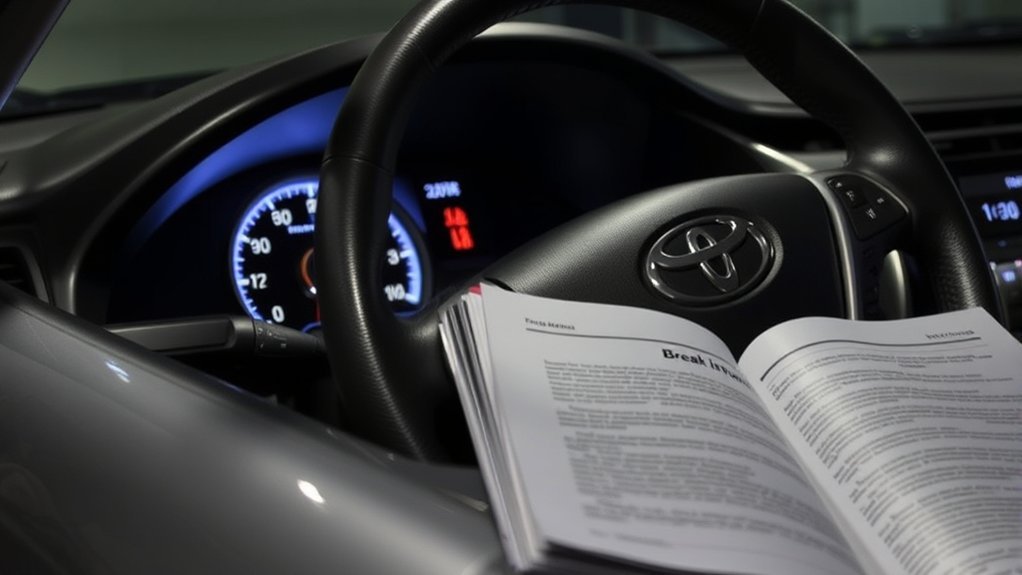
The break-in period is the short early-driving phase when new parts are settling into normal operating patterns. On a Toyota Camry, that means avoiding repeated hard acceleration, extremely high speeds, sudden stops, and long stretches at one steady speed during the first few hundred miles.
According to Toyota’s current U.S. Camry Hybrid owner guidance, the two key mileage marks are 186 miles and 621 miles. For the first 186 miles, avoid sudden stops when traffic allows. For the first 621 miles, avoid extremely high speeds, sudden acceleration, and driving at a constant speed for extended periods.
Warning: Break-in advice never overrides safety. If you need to brake hard, accelerate, or steer quickly to avoid a crash, do it. A single emergency stop is better than an accident.
Toyota Camry Break-In Schedule
Use this schedule as a practical guide for a new Camry. Always check the owner’s manual for your exact model year and market, especially if your Camry is older or was sold outside the United States.
| Mileage | What to Avoid | Why It Matters |
| 0–186 miles | Sudden stops, unless needed for safety | Helps new brake pads and rotors bed in more evenly |
| 0–621 miles | Extremely high speeds, sudden acceleration, and extended constant-speed cruising | Allows the engine and drivetrain to settle without repeated high-load stress |
| After 621 miles | No special break-in restriction, but avoid abuse and follow scheduled maintenance | Long-term reliability depends more on maintenance than on one perfect first week |
[Products Worth Considering]

This upgraded engine oil funnel kit makes oil changes cleaner and easier with a spill-proof design, flow control valve, and transparent body for precise filling. Built from durable polycarbonate and equipped with 12 adapters, two 45-degree elbows, and a debris filter, it fits a wide range of vehicles and works well in tight engine spaces. The secure, hands-free setup helps reduce mess while improving control during oil filling and fluid transfers.

This A-Premium cartridge engine oil filter is designed for a wide range of Toyota and Lexus vehicles, helping support cleaner oil flow and dependable engine protection. With high filtration efficiency and included O-rings, it offers a practical replacement solution for routine maintenance. Built for extended service intervals, it is suitable for conventional or synthetic oil applications.

This flexible oil funnel is designed to make fluid changes cleaner and easier by guiding oil around obstacles like skid plates and crossmembers. Its shape-retaining core and silicone body can be molded for custom positioning, while the heat-resistant, leak-proof design helps prevent spills during draining and filter removal. Reusable and easy to clean, it works well for cars, trucks, motorcycles, and other hard-to-reach fluid fill or drain applications.
How to Break In a New Toyota Camry
The best way to break in a Camry is to drive it normally but gently. You do not need special tools, additives, long idling, or a complicated driving routine.
- Start with smooth acceleration. Pull away gently from stops and avoid flooring the accelerator during the first 621 miles.
- Vary your road speed. Instead of holding one speed for an hour, change speed within normal traffic flow. On the highway, small changes such as 55, 60, and 65 mph can help.
- Use gentle braking early. During the first 186 miles, leave extra following distance so you can slow down gradually.
- Avoid extremely high speeds. The owner’s manual does not require a special race-style break-in, but it does advise against very high-speed driving during the early miles.
- Skip long cruise-control stretches. Cruise control can hold the car at one constant speed, which is exactly what Toyota says to avoid for extended periods during break-in.
- Watch the odometer. Once you pass 621 miles, you can ease into normal driving while still avoiding abusive habits.
Pro Tip: Reset Trip A when you take delivery. It gives you a simple break-in countdown without needing to remember the exact odometer reading from the dealership.
[Products Worth Considering]

This replacement filter set is designed for a range of Toyota hybrid vehicles, including popular models like RAV4 Hybrid, Camry Hybrid, Highlander Hybrid, Sienna, Venza, and more. It combines cabin and engine filtration to help support cleaner airflow, reduce dust and odors, and protect your HVAC and engine systems. Built for easy installation and extended service life, it offers a convenient maintenance upgrade for compatible hybrid and gas-only Corolla models.
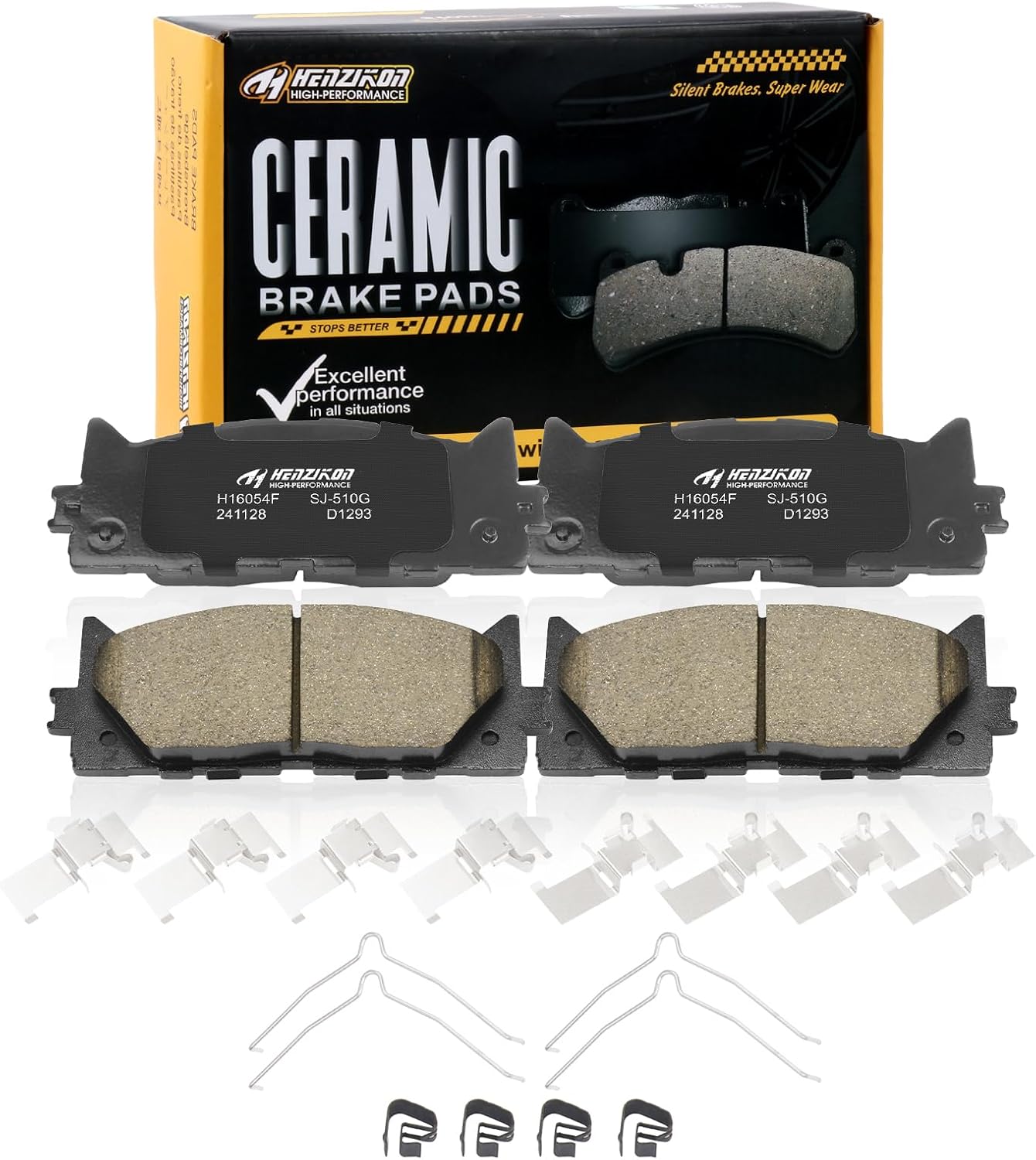
These ceramic front brake pads are designed for compatible Toyota Avalon, Camry, and Lexus ES-series vehicles, offering dependable stopping power and smooth, consistent braking performance. Built with included hardware for easier installation, they help reduce squealing and brake dust while supporting long-term durability for everyday driving.

This EPAuto engine air filter is designed as an OEM replacement for select Toyota Camry and Venza models with 4-cylinder gas engines. It helps protect the engine by filtering dust, dirt, and debris from incoming air while supporting efficient performance and improved fuel mileage. Built for a precise fit, it is a practical replacement choice for routine maintenance.
Common Mistakes to Avoid During the Break-In
While it is tempting to push your new Toyota Camry right away, a few early habits can add unnecessary stress. Avoid these mistakes during the first 621 miles:
- Hard launches: Sudden full-throttle acceleration is one of the easiest ways to add unnecessary load during break-in.
- Long constant-speed drives: A steady highway speed for an extended period is not ideal. Vary your speed when traffic and road conditions allow.
- Unnecessary sudden stops: Brake firmly when safety requires it, but do not make repeated hard stops just to “test” the brakes.
- Using cruise control for the whole trip: Short use is not the end of the world, but long stretches defeat the goal of speed variation.
- Assuming all Camry years have the same rules: Check the manual for your exact year, trim, and market.
- Following dealer folklore over the manual: A common “keep it under 4,000 RPM” rule is conservative, but Toyota’s current Camry guidance focuses on avoiding extremely high speeds, sudden acceleration, and constant-speed driving.
Why Breaking In Your Engine and Brakes Matters

Breaking in your Camry is about reducing avoidable stress, not treating the car as fragile. Modern Toyota engines are built with tight tolerances, but the owner’s manual still recommends a short period of gentler driving to support long-term performance and reliability.
The brake guidance matters too. New brake pads and rotors need a short bedding-in period. Repeated sudden stops early on can create uneven pad transfer, extra heat, or vibration. Smooth braking during the first 186 miles gives the brake system a better start.
A good Camry break-in is not complicated: drive gently, vary your speed, avoid repeated hard stops, and let the first 621 miles pass before you treat the car like it is fully settled.
What About Towing, Cruise Control, and Highway Driving?
These three questions cause the most confusion because generic Toyota break-in tips do not always match current Camry guidance.
Towing With a New Camry
For current U.S. Camry Hybrid models, Toyota says it does not recommend trailer towing. Toyota also does not recommend installing a tow hitch or using a tow-hitch-mounted carrier for items such as a bicycle, scooter, or wheelchair. That means “avoid towing for the first 500 miles” is not strong enough for the current Camry Hybrid; the better rule is to avoid towing altogether unless your exact owner’s manual says otherwise.
Cruise Control During Break-In
Cruise control is not ideal during break-in because it holds one steady speed. If you have a long highway trip before 621 miles, drive normally, take breaks, and vary your speed when it is safe. You do not need to avoid the highway completely.
Highway Driving During Break-In
Highway driving is fine if you avoid extremely high speeds and do not sit at one speed for hours. Keep acceleration smooth when merging, leave extra following distance, and change speed gently with traffic.
Note: If you own an older non-hybrid Camry or a Camry sold outside the U.S., check your exact owner’s manual. Towing ratings and break-in wording can vary by year and market.
Hybrid Camry Break-In Notes
Current U.S. Toyota Camry models use a hybrid powertrain, but the break-in advice is still familiar: drive gently, vary speed, avoid sudden acceleration, and avoid sudden stops when possible. The hybrid system may switch the gasoline engine on and off by itself, so do not try to force the engine to run continuously for break-in.
You also do not need to idle the car in the driveway to “seat” the engine. Normal mixed driving is better. Let the hybrid system manage itself, keep your inputs smooth, and focus on the official mileage windows.
Break-In Troubleshooting: What If You Already Made a Mistake?
A single hard stop, fast merge, or long highway drive usually is not a disaster. Break-in is about avoiding repeated, unnecessary stress, not achieving perfection.
- If you braked hard once: Do not worry if it was needed for safety. Continue driving gently and listen for unusual brake noise or vibration.
- If you accelerated hard once: Ease back into smooth driving. Watch for warning lights, strange noises, or fluid leaks, but one event is unlikely to ruin the car.
- If you used cruise control for a long drive: Avoid doing it again during the first 621 miles. On the next trip, vary your speed more often.
- If a warning light appears: Stop guessing and contact a Toyota dealer or qualified repair shop.
First Service and Maintenance After Break-In
Toyota does not require a special “break-in oil change” in the current Camry guidance found. Instead, follow the Toyota Warranty & Maintenance Guide for your model year. Toyota recommends scheduled maintenance at regular mileage or month intervals, and the guide explains when engine oil and filter replacement applies.
If your new Camry is eligible, ToyotaCare may cover normal factory scheduled maintenance for 2 years or 25,000 miles, whichever comes first, with regional limits and exclusions. Keep service records and receipts whether the work is done at a Toyota dealer or another qualified shop.
The Federal Trade Commission explains that using an independent mechanic for routine maintenance does not automatically void a warranty, but poor maintenance or repairs that cause damage can still create coverage problems. The safest move is simple: follow the maintenance schedule and keep records.
[Products Worth Considering]
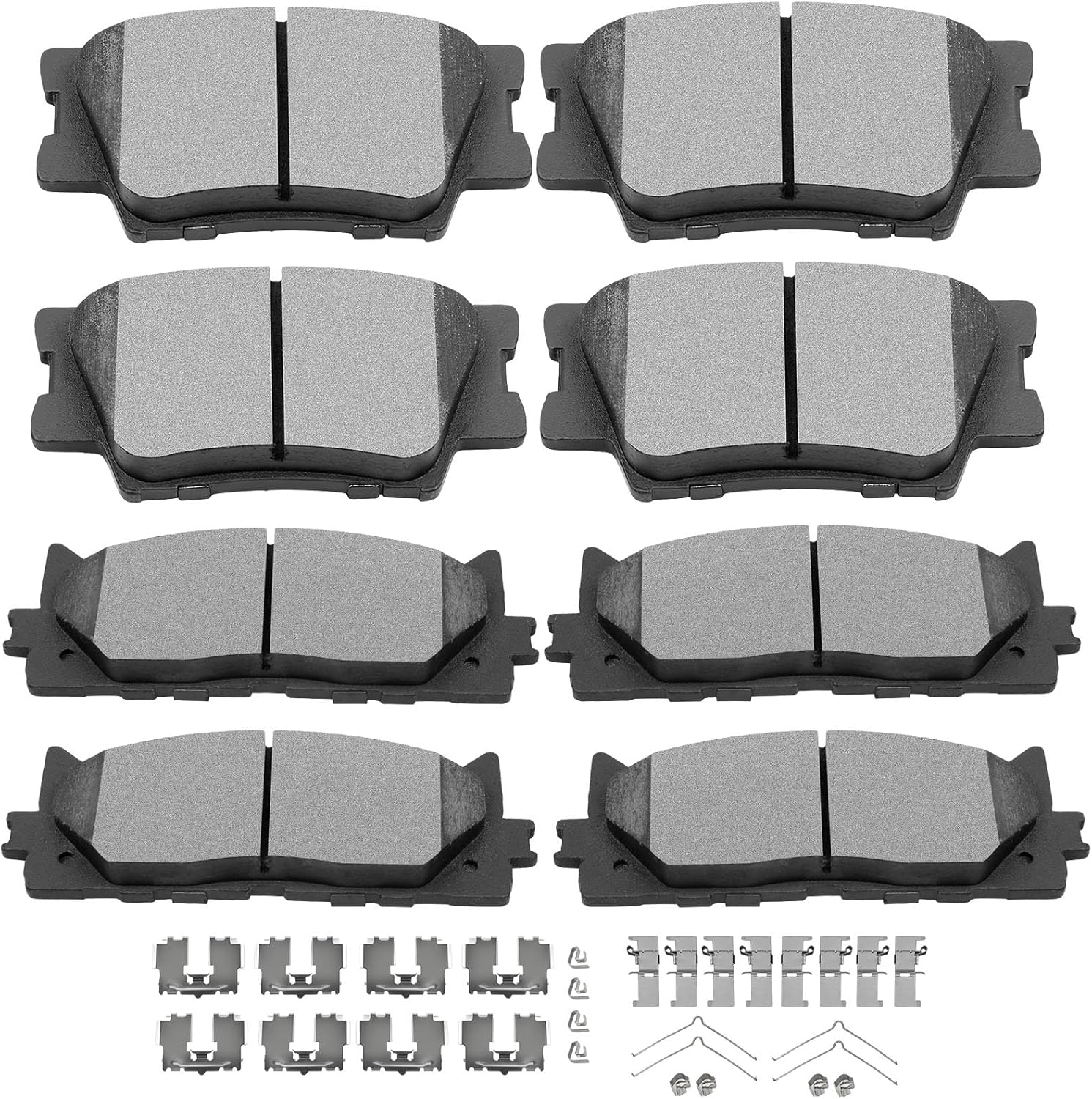
This ceramic front and rear brake pad set is designed as a direct replacement for select Lexus and Toyota models, helping restore reliable stopping performance. The pads feature a scorch-treated friction surface for quicker break-in and consistent wear, while the included gasket design helps reduce vibration and noise for quieter braking. Built for easy installation, this kit comes ready to fit compatible vehicles without modification.

This NewYall pack of two oil filters is designed for a wide range of Toyota, Lexus, and Scion vehicles from the 2005 to 2014 model years. Each filter includes a gasket seal O-ring element for a proper fit and reliable oil filtration, helping support clean engine oil flow and routine maintenance. It is a practical replacement choice for many popular sedans, SUVs, and hybrids.

KAX CA10171 premium engine air filter is designed as a direct replacement for select Toyota Camry and Venza models, helping maintain clean airflow to protect critical engine components. Its high-performance filter media delivers strong filtration efficiency and long service life for dependable everyday driving. With a precise rectangular fit and easy replacement design, it supports better acceleration, consistent performance, and improved fuel economy.
Common Break-In Questions Answered
To make your Toyota Camry’s break-in period as effective as possible, focus on these simple habits:
- Avoid sudden acceleration during the first 621 miles.
- Avoid sudden stops during the first 186 miles unless safety requires it.
- Vary your speed instead of holding one speed for long periods.
- Skip long cruise-control stretches during the break-in period.
- Do not tow with current U.S. Camry Hybrid models unless your exact manual says otherwise.
- Follow the scheduled maintenance guide after break-in.
Frequently Asked Questions
How do you break in a new Toyota Camry?
Drive gently for the first 621 miles. Avoid extremely high speeds, sudden acceleration, and extended constant-speed driving. During the first 186 miles, avoid sudden stops unless needed for safety. Vary your speed, leave extra following distance, and avoid long cruise-control stretches.
Is 500 miles enough to break in a Toyota Camry engine?
Five hundred miles gets you most of the way there, but Toyota’s current Camry guidance uses 621 miles, or 1,000 km, for the main break-in precautions. Keep driving gently until you pass 621 miles.
Should I keep my Toyota Camry below 4,000 RPM during break-in?
The official Toyota Camry guidance found does not give a specific 4,000 RPM limit. The safer manual-based advice is to avoid extremely high speeds, sudden acceleration, and making the engine work hard during the first 621 miles.
Can I use cruise control during the Toyota Camry break-in period?
Avoid using cruise control for long stretches during the first 621 miles because it holds the car at one constant speed. If you must take a highway trip, vary your speed gently when traffic allows.
Can a new Toyota Camry tow during break-in?
For current U.S. Camry Hybrid models, Toyota does not recommend trailer towing at all, not just during break-in. It also does not recommend tow hitches or tow-hitch-mounted carriers. Check your exact owner’s manual if you have an older Camry or a non-U.S. model.
Do I need an early oil change after the Camry break-in period?
Toyota does not list a separate break-in oil change in the current Camry guidance found. Follow the Warranty & Maintenance Guide for your model year, and ask a Toyota dealer if your driving qualifies as special operating conditions.
Conclusion
The Toyota Camry break-in period is short, simple, and worth taking seriously. For the first 186 miles, be gentle with braking when it is safe. For the first 621 miles, avoid sudden acceleration, extremely high speeds, and long constant-speed drives. After that, your best path to long-term Camry reliability is not a secret trick; it is smooth driving, no unnecessary towing, and consistent maintenance backed by records.
Sources
- Toyota Owners — 2025 Camry Hybrid driving guidance — supports the 186-mile and 621-mile break-in precautions.
- Toyota Owners — 2025 Camry Hybrid trailer towing — supports the current Camry Hybrid towing and tow-hitch caution.
- Toyota 2025 Camry Warranty & Maintenance Guide — supports scheduled maintenance and service record guidance.
- Toyota Support — ToyotaCare coverage — supports ToyotaCare’s 2-year / 25,000-mile scheduled-maintenance coverage summary.
- Federal Trade Commission — Auto warranties and routine maintenance — supports warranty-maintenance and record-keeping guidance.