If your Sonata’s blower motor isn’t working, check for a blown fuse, malfunctioning resistor, or clogged cabin air filter. Verify there’s power at the blower motor and inspect for any damaged wiring. Common signs of trouble include unusual noises and inconsistent airflow. If the issue persists despite your checks, consider professional help. Following systematic troubleshooting steps can uncover solutions and help you restore your vehicle’s climate control system efficiently. Discover more solutions to tackle this issue effectively.
What Causes the Blower Motor to Stop Working?
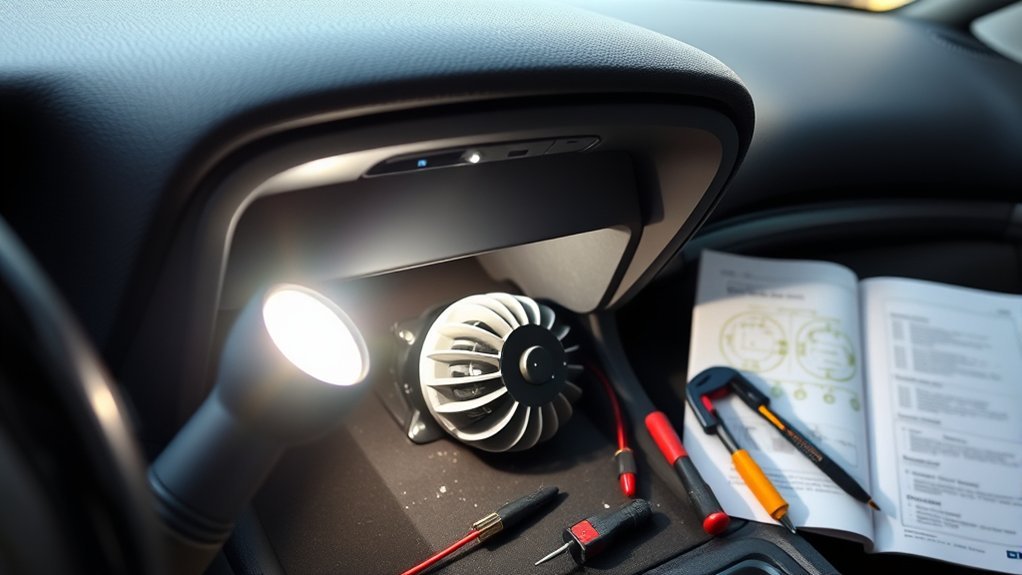
When your blower motor stops working, several factors could be at play. One common issue is a blown fuse in the blower motor circuit, cutting off power to the motor. In your blower motor troubleshooting, check the fuse first. Another potential culprit is a malfunctioning blower motor resistor, which can lead to inconsistent operation or complete failure. Don’t overlook the cabin air filter; a clogged filter can restrict airflow, causing the motor to struggle.
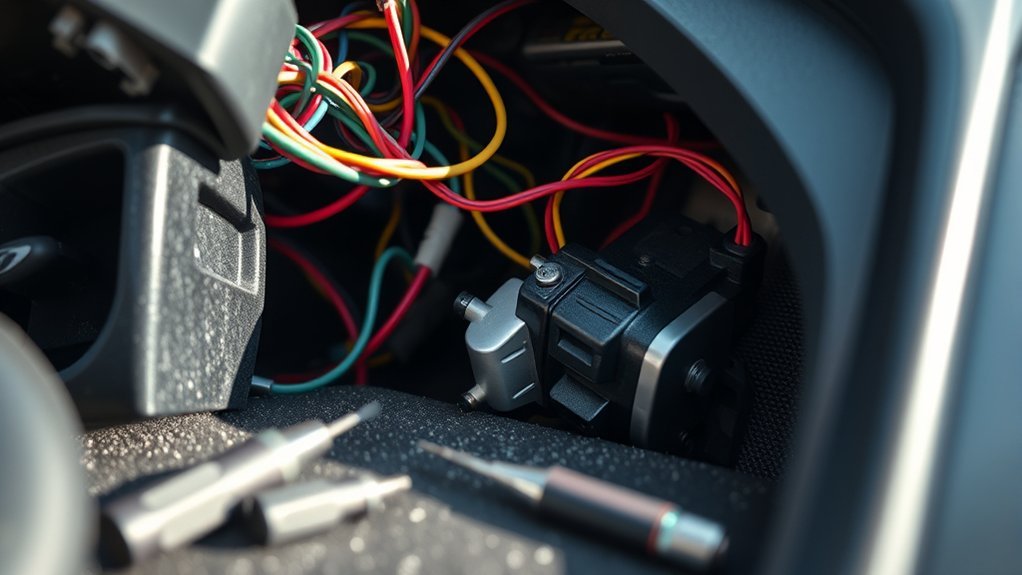
Electrical system checks are essential, too. Inspect wiring and connectors between the climate control module and the blower motor for damage. Finally, consider that the blower motor may simply wear out over time or face internal component failure, necessitating replacement.
Initial Diagnosis of Blower Motor Issues
How can you quickly identify blower motor issues? Start with some essential blower motor troubleshooting steps. If the blower motor is unresponsive while other climate control functions work, focus on the fuse. Check for continuity and verify power to and from it. In vehicles with automatic climate control, confirm that the controller lights illuminate, indicating the system’s receiving power.
Next, consider these points:
- If heat is produced but not pushed out, a malfunctioning blower motor or a clogged cabin air filter could be the culprit.
- Delays in activation might occur; wait a moment after adjusting settings to see if the blower responds.
- Regularly inspect and replace the cabin air filter, typically behind the glove box, to maintain ideal airflow.
Conducting these electrical system checks can help you pinpoint the issue effectively.
Checking Climate Control Settings in Your Hyundai Sonata
To guarantee your Hyundai Sonata’s blower motor functions properly, start by checking the climate control settings. Make sure the system is in the correct mode and that the temperature and airflow direction controls are adjusted appropriately. Also, inspect the blower motor control for any signs of damage or malfunction, as this can directly impact airflow.
Climate Control Types
Understanding the climate control system in your Hyundai Sonata is essential for maintaining comfort and efficiency during your drives. Your Sonata may feature either automatic or manual climate control, impacting your approach to temperature and airflow settings.
- Automatic Climate Control: Pre-programmed settings adjust to maintain a specific temperature.
- Manual Settings Adjustment: Requires direct user input to fine-tune your climate preferences.
- Regular Maintenance: Inspect and replace the cabin air filter to enhance climate control efficiency.
If the climate control controller lights up but the blower motor doesn’t respond, check the fuses related to the system, especially the blower motor fuse. Keeping your climate control system in top shape guarantees a comfortable driving experience.
Controller Functionality Check
After confirming your climate control system is functioning properly, it’s important to check the controller for any issues that might prevent the blower motor from operating. First, verify that the controller lights up; if they don’t, this could indicate power issues separate from the blower motor itself. Next, adjust the airflow direction and temperature settings to see if the blower responds, as some functions might work independently. Listen for any unusual sounds from the blower motor, which could signal a mechanical failure, even if the controls appear functional. If the blower remains unresponsive, inspect the related fuses for continuity and confirm power supply to the motor is intact. This step is essential for effective troubleshooting.
Blower Motor Settings
When troubleshooting the blower motor in your Hyundai Sonata, checking the climate control settings is essential. Start by ensuring the system is in the right mode, as incorrect settings can lead to poor blower motor performance. Pay attention to these key areas:
- Blower Motor Speed: Adjust it properly; some settings may not activate the motor.
- Unusual Sounds: Listen for any low rumble when changing speeds, which could indicate motor issues.
- Other Functions: Confirm that temperature and airflow direction controls are operational, as they affect blower effectiveness.
If everything checks out but the blower still doesn’t work, consider inspecting the fuses and cabin air filter. Regular blower motor maintenance and upgrades can also prevent future issues.
Inspecting and Replacing the Blower Motor Fuse

To guarantee your blower motor operates effectively, start by inspecting and replacing the blower motor fuse. First, locate the fuse in the fuse box, typically found under the dashboard or in the engine compartment. Refer to your owner’s manual for exact positioning. Once you’ve found the fuse, perform fuse testing with a test light or multimeter to check for power to and from the fuse; it may appear intact but still be faulty. If the fuse is blown, replace it with one of the same amperage to restore power to the blower motor circuit. Don’t forget to inspect other related fuses in the climate control system to rule out additional electrical issues that could hinder functionality. After replacing the fuse, test the blower motor by adjusting the climate control settings and ensuring proper airflow from the vents.
Testing Your Blower Motor?
To effectively test your blower motor, you need to understand its basics and recognize common failure symptoms. Start by following the testing procedures, which include checking for voltage and inspecting the cabin air filter. This systematic approach will help you pinpoint issues and determine if a replacement is necessary.
Blower Motor Basics
Understanding your blower motor is essential for maintaining a comfortable climate inside your vehicle. This component circulates air through your climate control system, impacting both heating and cooling performance. Here are some key points for effective blower motor maintenance:
- Check Power: Use a multimeter to verify power at the motor connector. No power signals an upstream issue.
- Listen for Noises: Unusual sounds can indicate wear or potential failure.
- Inspect Cabin Air Filter: A clogged filter can restrict airflow, making it seem like the blower motor isn’t working.
Familiarizing yourself with different blower motor types and maintaining them properly can enhance your vehicle’s climate control, ensuring a pleasant driving experience.
Common Failure Symptoms
When you notice a lack of airflow from your vents, it’s essential to test your blower motor promptly. Common symptoms of a failing blower motor include unresponsive operation despite functional climate controls. Additionally, a blown fuse can prevent power from reaching the motor, so checking fuses is vital. A plugged cabin air filter may also create airflow issues, masking the blower motor’s condition. In older Sonata models, signs like intermittent operation or a lack of resistance in the blower knob can indicate specific blower motor failures. Here’s a quick reference for common symptoms:
| Symptom | Potential Cause |
|---|---|
| No airflow | Blown fuse or motor failure |
| Intermittent operation | Faulty blower motor |
| Weak airflow | Clogged cabin air filter |
Testing Procedures Explained
Before diving into the testing procedures for your Sonata’s blower motor, make sure you have the right tools at hand. Here’s a concise approach to effective blower motor troubleshooting:
- Check the fuses: Verify relevant fuses are intact and receiving power.
- Measure voltage: Use a multimeter at the blower motor connector; expect around 12 volts when the climate control activates.
- Inspect connections: Look for loose connections or damaged wiring that may hinder electrical flow.
If voltage is present and the motor doesn’t operate, it might need replacement. Additionally, inspect the cabin air filter for blockages, as a clogged filter can affect performance. Conducting these steps will facilitate a thorough electrical connection inspection and help pinpoint the issue.
Common Signs of a Failing Blower Motor
A failing blower motor can greatly disrupt your vehicle’s climate control, making it vital to recognize its warning signs early. One of the first indicators is unusual noises, like grinding or rumbling, particularly at higher settings, suggesting wear or damage. You might also notice inconsistent airflow from the vents or a complete lack of air, even when temperature and direction controls are operational. If turning the blower speed knob doesn’t change airflow, the motor may be malfunctioning or not receiving enough power. Additionally, a delay in blower activation after turning on the climate control system could signal an underlying electrical or mechanical issue. While troubleshooting tips often include checking the cabin air filter for blockages, remember that a clogged filter can mask blower motor issues. Regular blower motor maintenance is essential to avoid these complications and guarantee efficient climate control in your Sonata.
Cleaning or Replacing the Cabin Air Filter in Your Hyundai Sonata

Addressing blower motor issues often starts with evaluating the cabin air filter in your Hyundai Sonata. A clogged cabin air filter can drastically reduce airflow, making your blower motor seem unresponsive. Regular cabin filter maintenance is essential for peak performance. Here’s how to handle it:
- Locate the filter: It’s usually behind the glove box. Detach the damper and unscrew any fasteners.
- Inspect and clean or replace: Remove the filter and check for dirt and debris. Clean it if possible, or replace it if it’s too clogged. Always use the correct filter size.
- Reassemble: Slide the new or cleaned filter back in, and secure the glove box.
Replace the cabin air filter at the interval in your Sonata’s maintenance schedule, and sooner if you drive in heavy traffic or on dusty roads. This practice not only improves airflow but also enhances air quality inside your vehicle, ensuring a comfortable ride.
Identifying When Professional Help Is Needed for Blower Motor Issues
When do you know it’s time to seek professional help for blower motor issues in your Hyundai Sonata? If checking the fuses related to your climate control system doesn’t resolve the problem, it could signal a deeper electrical issue that requires expert blower motor diagnostics. An intermittently operating blower motor or one that functions only under certain conditions often indicates a failing motor or a faulty resistor, necessitating professional intervention.
Unusual noises, like a low rumble at higher settings, can suggest mechanical issues within the blower assembly that require assessment by a qualified technician. If you experience complete airflow absence while the climate control system appears functional, this may point to a blockage or failure needing specialized tools for investigation. For safety and accuracy, always allow certified technicians to handle extensive electrical troubleshooting and mechanical repairs, especially those involving air conditioning components.
Step-by-Step Guide to Replacing the Blower Motor in Your Hyundai Sonata
If you’re ready to tackle the blower motor replacement in your Hyundai Sonata, the process is straightforward with the right steps. Follow these guidelines to guarantee effective blower motor maintenance:
- Disconnect the negative battery cable to guarantee safety.
- Locate the blower motor under the dashboard on the passenger side; remove any necessary panels for access.
- Disconnect the electrical connector and remove the mounting screws.
Once you’ve removed the old motor, install the new one by reversing these steps. Make sure the electrical connector aligns properly and that everything is securely fastened. Finally, reconnect the negative battery cable and test the new blower motor across all settings to confirm it operates correctly. These troubleshooting tips will help you avoid future issues and keep your Sonata running smoothly.
Frequently Asked Questions
Why Is My Hyundai Sonata AC Not Blowing Air?
If your Hyundai Sonata’s AC isn’t blowing air, check for airflow issues like a blown blower motor fuse or a clogged cabin air filter. Verify there’s power to the fuse, as it might not be functioning.
Why Is the Fan Not Working on My Hyundai Sonata?
If your Hyundai Sonata’s fan isn’t working, start with fan troubleshooting. Check the blower motor for issues, as it may need replacement. Inspect fuses and connections to verify everything’s functioning properly for ideal air circulation.
Conclusion
In summary, tackling blower motor issues in your Hyundai Sonata can feel like maneuvering through a maze. Just as you wouldn’t ignore a detour sign on a road trip, don’t overlook the signs of a failing blower motor. Whether it’s checking fuses or replacing the motor, addressing problems early can save you time and money. If the path becomes too convoluted, seeking professional help guarantees you reach your destination—cool, comfortable driving—without unnecessary detours.