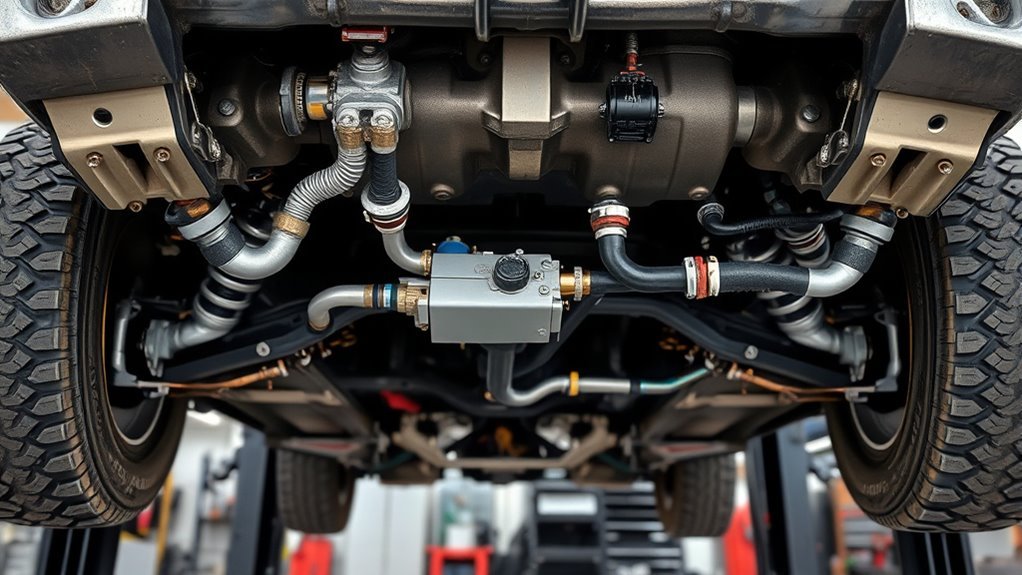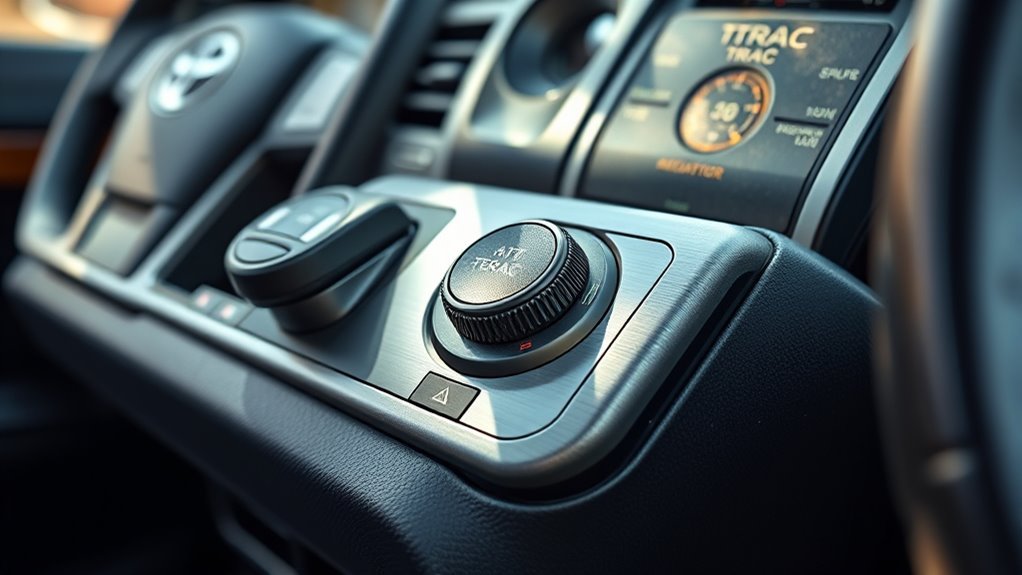
Choose MTS for sustained off‑road travel and lower heat risk, and A‑TRAC for short, high‑traction bursts on steep or technical obstacles. MTS offers four terrain modes that adjust throttle, traction control, and ABS to allow measured slip in mud/sand or tight control on rock, and it works in 4H/4L without thermal limits. A‑TRAC uses brake‑based torque routing in 4LO for immediate grip but can overheat in deep mud or prolonged use. Keep switching cues and temp monitoring in mind if you want more.
Quick Decision Framework: Choose MTS or A‑TRAC

Which system should you pick when the trail gets dicey? You assess conditions and match system strengths: pick A-TRAC for aggressive traction control in low-traction, high-slip scenarios like rock crawling and steep hill climbs in 4LO. It delivers immediate braking to spinning wheels and maximizes traction efficiency when you need forceful intervention to get unstuck. Choose Multi‑Terrain Select (MTS) for general off-roading and light-to-moderate surfaces, especially mud and sand, where selectable terrain modes improve terrain adaptability and reduce wear on brakes and transmission. MTS works in 4H and 4L, relying on throttle management to preserve drivetrain components. Avoid sustained A-TRAC use in deep mud or snow to prevent overheating and excessive system strain. In practice, switch to A-TRAC for short bursts of aggressive assistance; otherwise default to MTS to maintain long-run reliability and freedom of movement across varied trails.
How Multi‑Terrain Select (MTS) Works and What to Expect
Multi‑Terrain Select (MTS) gives you four terrain-specific modes—Mud & Sand, Loose Rock, Mogul, and Rock—that actively tune throttle response, traction control and ABS to match surface demands. You select a mode and the system changes control algorithms: throttle maps soften or sharpen, traction-control thresholds shift, and ABS intervention timing adapts to optimize grip and stability. That engineering yields clear MTS advantages: measured wheel-slip allowance in Mud & Sand for momentum, conservative slip limits in Rock for precise contact, and intermediate calibrations for Loose Rock and Mogul.
MTS functions primarily in 4H and 4L, so you can sustain off-road travel longer without the thermal limits of brake-based systems. Engage MTS before Crawl Control to preconfigure traction behavior; Crawl then automates low-speed throttle and braking within the chosen mode. Expect predictable, mode-specific vehicle responses that increase terrain adaptability and let you push further with control—liberating your route choices while keeping mechanical strain and driver workload lower.
How A‑TRAC Works (Brake‑Based Locking and Its Limits)
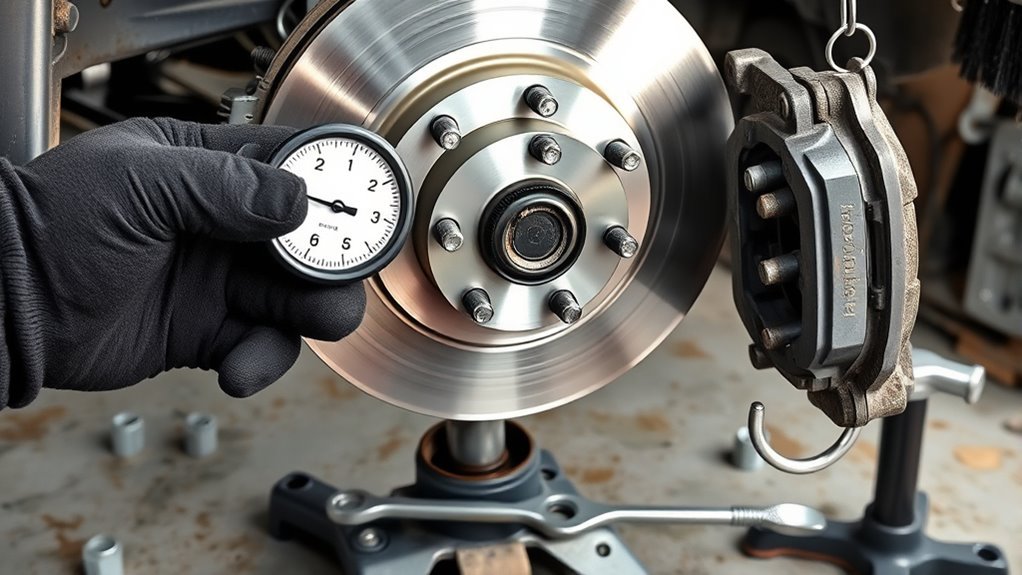
Because it uses the brakes to emulate a locked differential, A‑TRAC selectively applies braking to a spinning wheel so torque shifts to wheels with traction, giving you aggressive, low‑speed traction control especially useful in 4LO for crawling and steep climbs. You get a brake‑based locking differential effect without mechanical lockers, enabling controlled torque redistribution to maintain momentum and direction on technical lines. Use it deliberately; it’s a tool for liberation from obstacles, not a substitute for thought.
- It activates in 4LO, detecting slip and applying individual brakes to route torque to grippy wheels.
- It excels on rock and off‑camber surfaces where measured torque redistribution keeps you moving.
- It’s limited in deep mud or snow—there, a true rear locker outperforms brake intervention.
- Prolonged A‑TRAC use risks brake and transmission overheating; monitor temps and cycle usage to prevent damage.
MTS vs A‑TRAC: Terrain Use Cases and Recommended Settings

Having seen how A‑TRAC uses braking to emulate a locker for slow, technical climbs, you now need to choose the right system for specific terrain and driving goals. You’ll select A‑TRAC when you face steep inclines, rock obstacles, or severe off‑road sections in 4LO where aggressive braking redistribution improves bite. Recognize A TRAC limitations: it can overheat and struggles in deep mud or soft snow where sustained slip is necessary.
For general trail runs, mixed surfaces, and prolonged off‑road travel, use MTS. Its terrain modes (mud, sand, rock) exploit MTS advantages by allowing controlled wheel slip, optimizing throttle response, and reducing drivetrain stress so you can drive longer. In deep mud or powdered snow, pick a MTS mud/snow setting; in technical climbs, select A‑TRAC with low range and steady throttle. You’ll switch based on duration, heat risk, and desired vehicle behavior: aggressive traction vs. sustained momentum.
Practical Tips: Overheating, VSC, Crawl Control, and Switching Cues
When you’re alternating between A‑TRAC and MTS, monitor component temps and system interactions closely to avoid overheating and unwanted interventions: you’ll reduce failure risk by understanding each system’s thermal and control behavior. Use overheating prevention measures, follow VSC considerations, apply crawl control tips, and adopt clear switching strategies.
- Engage MTS for sustained low-speed traction to minimize brake and transmission heat; reserve A‑TRAC for short bursts on steep, slippery sections to avoid overheating.
- Disable VSC when deep snow or deliberate wheel slip is required; re-enable once traction normalizes to restore electronic stability.
- Activate MTS mode before engaging Crawl Control in 4LO so the terrain profile governs automated throttle/braking; Crawl Control then focuses you on steering.
- Monitor brake/trans temps after repeated A‑TRAC cycles; pause to cool or shift to MTS if temperatures climb, preserving components and maintaining off‑grid mobility.
Frequently Asked Questions
Does MTS or A‑Trac Affect Fuel Economy?
Yes — they marginally affect fuel efficiency: you’ll see slight reductions when you engage either system in demanding driving conditions because added traction control and drivetrain resistance increase load, but normal highway use shows negligible impact.
Can These Systems Be Used While Towing a Trailer?
Yes—you can use them while towing, but you’ll need to choose modes judiciously: they enhance towing capabilities and off road performance at low speeds, yet may increase drivetrain stress and reduce fuel efficiency when engaged.
Are There Maintenance Costs Specific to MTS or A‑Trac?
Yes — you’ll face modest maintenance costs tied to system durability and maintenance intervals: clutch packs, sensors, and wiring need inspections and occasional replacement; staying proactive preserves autonomy on trails and minimizes unexpected failures and repair downtime.
Do Aftermarket Tires Impact System Performance?
Yes — aftermarket tires can alter system performance. You’ll affect off road capabilities and tire compatibility, changing traction, rolling resistance, and sensor calibrations; choose sizes and tread patterns matching OEM specs to maintain predictable behavior.
Will Either System Work With a Lifted Suspension?
Absolutely — both can work with lifted suspension, and they’ll scream like thunder if tuned properly. You’ll retain lifted performance with proper suspension compatibility, but you’ll need calibration, driveline adjustments, and testing to guarantee reliable operation.
Conclusion
You now know when to pick Multi‑Terrain Select (MTS) for wheel slip management and A‑TRAC for brake‑based locking. Use MTS on loose, variable surfaces and A‑TRAC for predictable, low‑speed traction needs; don’t rely on A‑TRAC for full driveline locks. One stat to note: MTS can reduce wheel spin by over 30% versus open‑diff control in tests, cutting recovery time and component stress. Apply the recommended settings, watch temps, and switch before systems overheat.