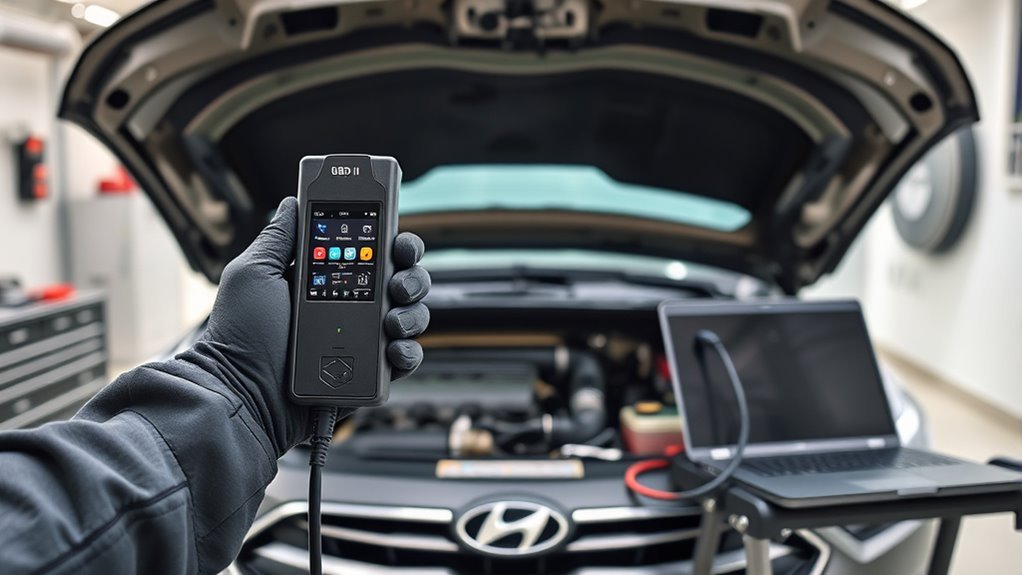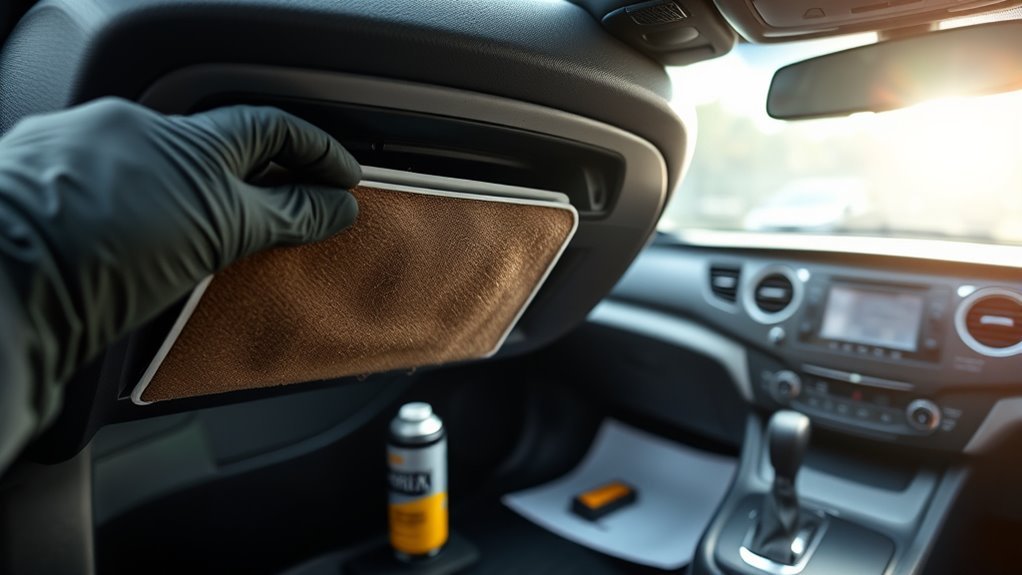
A musty smell from your Hyundai Sonata’s air conditioner usually points to moisture and organic buildup somewhere in the HVAC system. The most common places to check are the cabin air filter, the fresh-air intake at the base of the windshield, the evaporator area, and the condensate drain. Start with the simple checks before paying for deeper A/C service.
Quick Answer
A musty AC smell in a Hyundai Sonata usually comes from moisture and organic buildup around the evaporator, a dirty cabin air filter, debris at the cowl intake, or a restricted condensate drain. Start with the glove-box cabin filter and cowl, confirm condensate can drain, then use only a cleaner labeled for automotive HVAC or evaporator use.
Key Takeaways
- On modern Sonatas, the cabin air filter is accessed behind the glove box; older 2006–2010 cars also use the passenger-side instrument-panel area rather than an under-seat filter.
- A dirty filter can contribute to odor, but a smell that quickly returns often points to moisture or contamination around the evaporator.
- A normal A/C system usually drains condensate under the vehicle. Wet passenger carpet or little/no drainage after prolonged A/C use in humid weather deserves investigation.
- Use only cleaners whose label specifically permits the intended automotive A/C or HVAC application, and follow the product directions exactly.
- Raw-fuel, burning, strong chemical, or sweet coolant-like smells are different problems and should not be treated with deodorizer.
At a Glance
| Time Required | About 15–45 minutes for basic filter, cowl, and odor checks |
| Difficulty | Beginner for filter/cowl checks; intermediate or professional for evaporator/drain work |
| Tools Needed | Correct cabin filter, flashlight, soft brush or vacuum, gloves, and an automotive-HVAC cleaner only if its label permits the intended use |
| Cost | Low for a filter-only DIY fix; professional diagnosis or evaporator work can cost substantially more |
Change Your Sonata’s Cabin Air Filter First
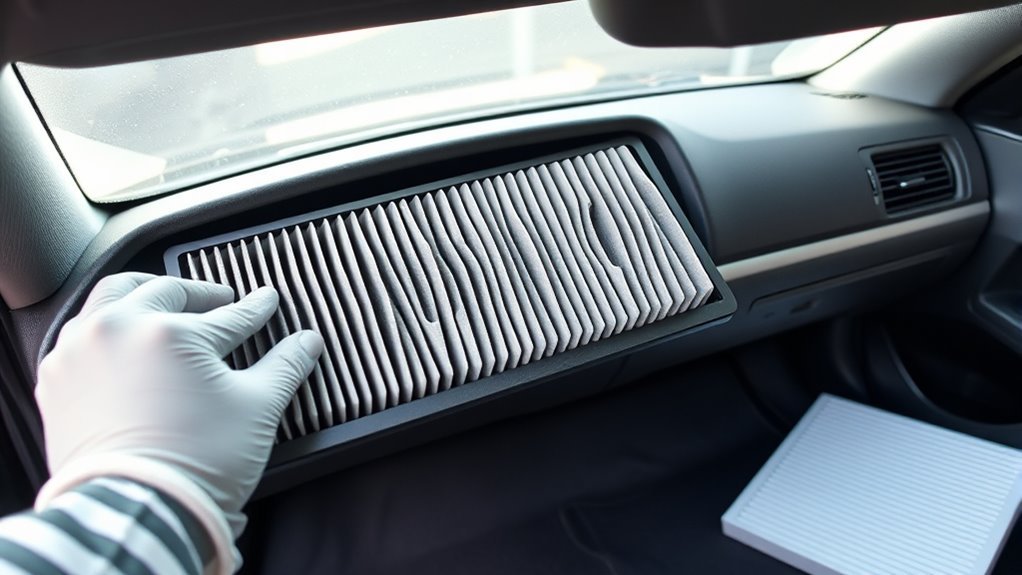
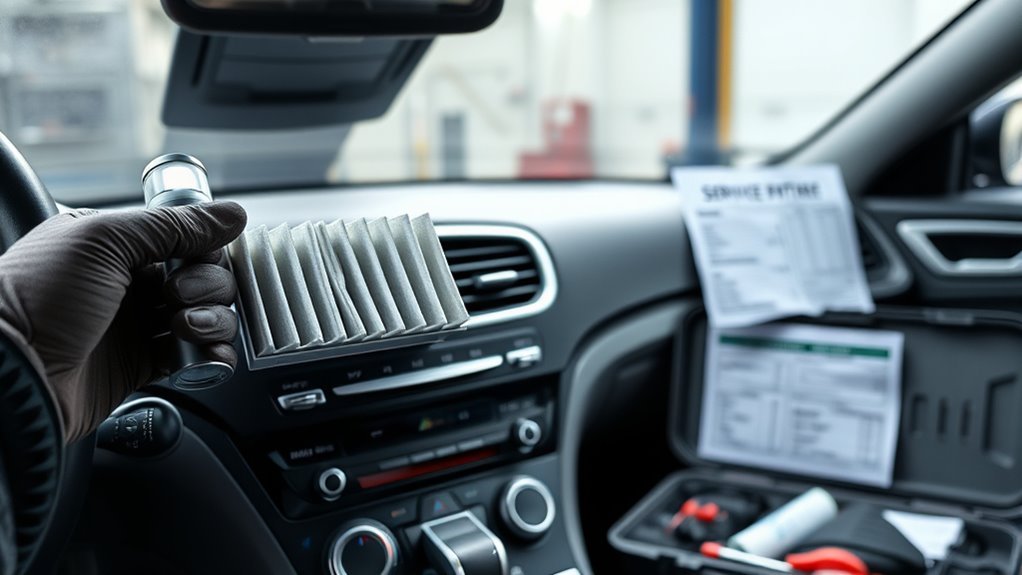
Start with the cabin air filter. A filter loaded with dust, pollen, leaves, or moisture can reduce airflow and contribute to stale or musty odors. Hyundai’s manuals for multiple Sonata generations place the climate-control filter in the passenger-side dash area, normally accessed by lowering the glove box.
On the 2024 Sonata, for example, Hyundai’s procedure has you open the glove box, release its support rod, press both sides inward so the glove box can drop, remove the filter-cover panel, replace the filter, and reassemble everything in reverse order. You can confirm the procedure for your exact model year through the Hyundai Digital Owner’s Manual.
- Park the car, switch the climate system off, and empty the glove box.
- Release the glove-box damper/support rod or stops as shown in your model-year manual.
- Lower the glove box carefully.
- Release the cabin-filter housing cover.
- Slide the old filter out slowly so debris does not fall into the blower.
- Check the old filter for heavy dust, dampness, leaves, insect debris, or a strong musty odor.
- Install a correctly fitting replacement in the specified airflow direction. Recent Sonata manuals show the airflow arrow facing downward, but verify your exact filter and model-year instructions.
- Refit the cover, glove-box stops/support, and glove-box contents.
Pro Tip: Match the new filter to your exact Sonata year, powertrain, trim, and preferably VIN or the part number printed on the removed filter. Do not assume every Sonata from the same generation uses the same filter element.
Do not use one universal mileage interval for every Sonata. Hyundai’s recommendations vary by model year and market, and the manufacturer calls for more frequent inspection or replacement when the vehicle is used in dusty, heavily polluted, or otherwise severe conditions. Follow your own maintenance schedule rather than a generic 15,000- or 30,000-mile rule.
[Products Worth Considering]

These custom-fit TPE floor mats are designed for Hyundai Sonata and Kia Optima models, delivering precise coverage with high-edge protection to help trap spills, dirt, and everyday messes. Built for all-weather durability, they offer anti-slip stability, odorless construction, and easy cleanup while helping preserve your vehicle's original carpet.

This filter combo is designed for Hyundai Sonata gas models from 2015 to 2019, including non-hybrid 2.4L vehicles, and replaces both the engine and cabin air filters in one convenient set. It helps improve engine airflow while also refreshing the cabin environment with activated carbon odor control and high-efficiency particle filtration for cleaner, quieter driving.

This cabin and engine air filter kit is designed for compatible Hyundai Sonata gas models from 2015 to 2019 with a 2.4L engine. It helps improve airflow, capture dust and impurities, and support cleaner cabin air and efficient engine performance. The kit is engineered for long service life and simple installation, making routine maintenance easier.
Clean the HVAC System Safely—Do Not Assume One Spray Procedure Fits Every Product
If a new filter does not remove the smell, the odor may be coming from microbial or organic buildup farther downstream, especially around the evaporator core. Condensation naturally forms on this cold surface while the A/C operates. Most of that water should drain outside, but a persistently damp evaporator can develop an unpleasant wet-sock or musty smell.
Some automotive A/C treatments are aerosols applied through the outside-air intake. Others are foaming evaporator cleaners introduced closer to the evaporator through the cabin-filter housing or condensate-drain path. The correct blower speed, A/C setting, application point, dwell time, and ventilation procedure depend on the product.
Warning: Do not blindly spray household disinfectants into the Sonata’s vents or HVAC intake. The U.S. EPA advises that antimicrobial products used in HVAC systems must be used according to labeling for that application. Use a product specifically labeled for the intended automotive HVAC/A/C use, follow its directions exactly, ventilate the vehicle as required, and never mix cleaning chemicals.
The EPA explains why HVAC antimicrobial applications need specific labeling and exposure instructions in its guidance on disinfectants and sanitizers in HVAC systems.
That means the original idea of always running the fan on low is too simplistic. If your chosen product says high blower, A/C off, fresh-air mode, recirculation mode, or a specific re-entry time, follow the label rather than a generic procedure.
[Products Worth Considering]

This cabin air filter is designed to fit a wide range of Hyundai, Kia, and Genesis models for cleaner in-car air. Its multi-layer filtration helps trap dust, hair, and fine airborne particles, while activated carbon and baking soda support fresher cabin conditions. Built for long service life, it is recommended for annual replacement or every 12,000 miles.

This activated carbon cabin air filter is designed as a replacement for select Hyundai Sonata gas models and Kia Cadenza vehicles, helping improve in-cabin air quality. It is engineered to capture odors, VOCs, and common pollutants for a fresher driving environment, while matching multiple OE and reference numbers for convenient fitment confirmation.
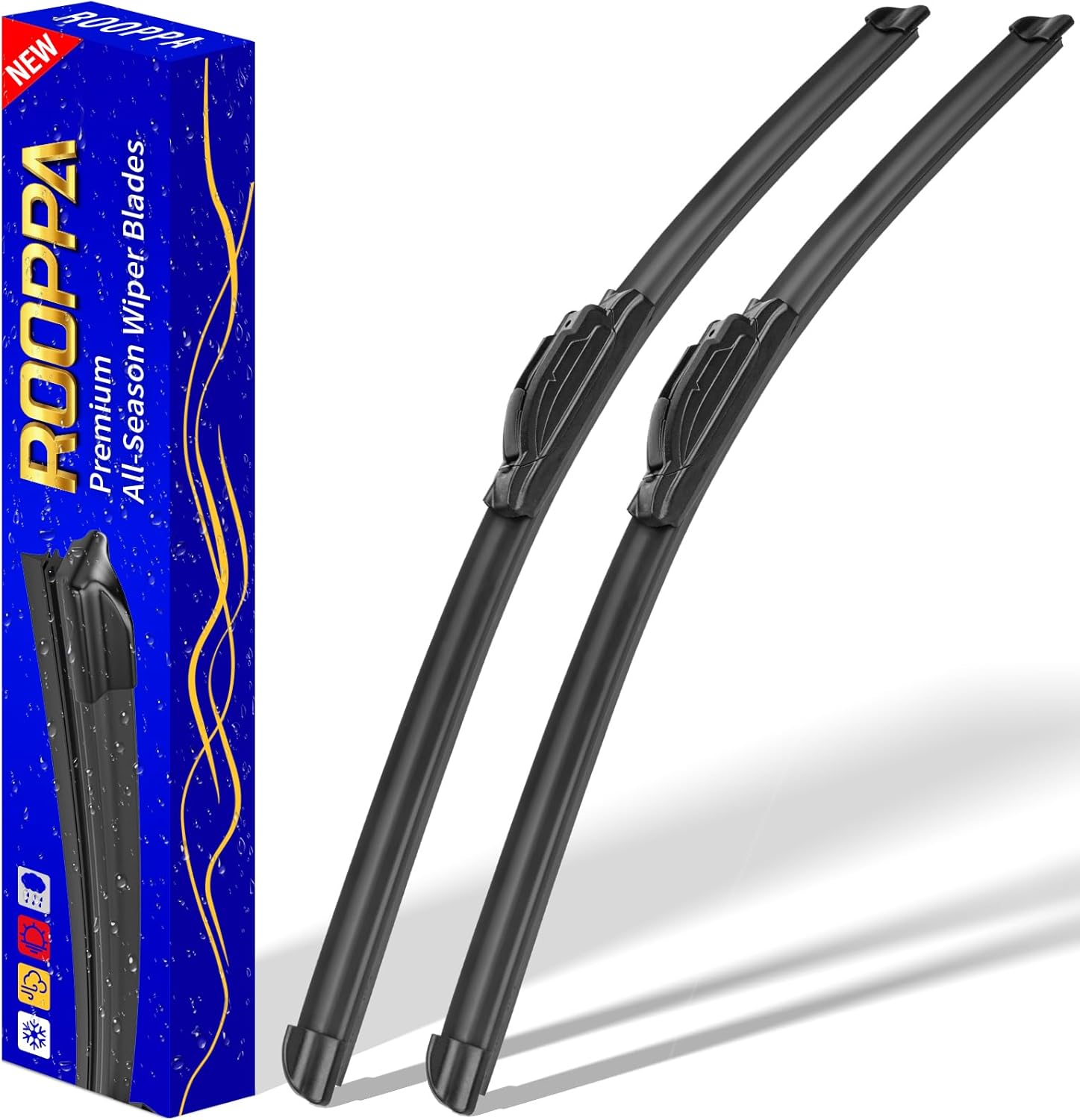
These front windshield wiper blades are designed as a direct replacement for compatible Hyundai models, helping restore clear visibility in rain and road grime. The hard-molded frame and stronger spring support smooth, reliable wiping performance, while the easy plug-and-play installation makes replacement simple. Included as a two-piece set, they are built for dependable everyday use with a one-year warranty for added confidence.
Inspect the Cowl and Fresh-Air Intake
The Sonata draws outside air through the cowl area at the base of the windshield. Leaves, pine needles, seed pods, dirt, and other organic debris can collect there. When that material stays wet, it can contribute to odors and can allow more debris into the HVAC system.
Park on level ground, switch the vehicle off, and make sure moving components are stopped. Inspect the visible intake slots around the base of the windshield and remove loose debris with your hands, a soft brush, or a vacuum.
You usually do not need to remove the entire wiper cowl simply to perform a basic odor check. Avoid forcing clips, removing wiper arms, or opening sealed areas unless your service information calls for it.
Note: The fresh-air intake in the cowl area is not a second cabin air filter. Cleaning debris from the intake is useful maintenance, but the replaceable Sonata cabin filter is in the passenger-side HVAC housing on the generations covered below.
Cabin Air Filter Locations by Sonata Model Year
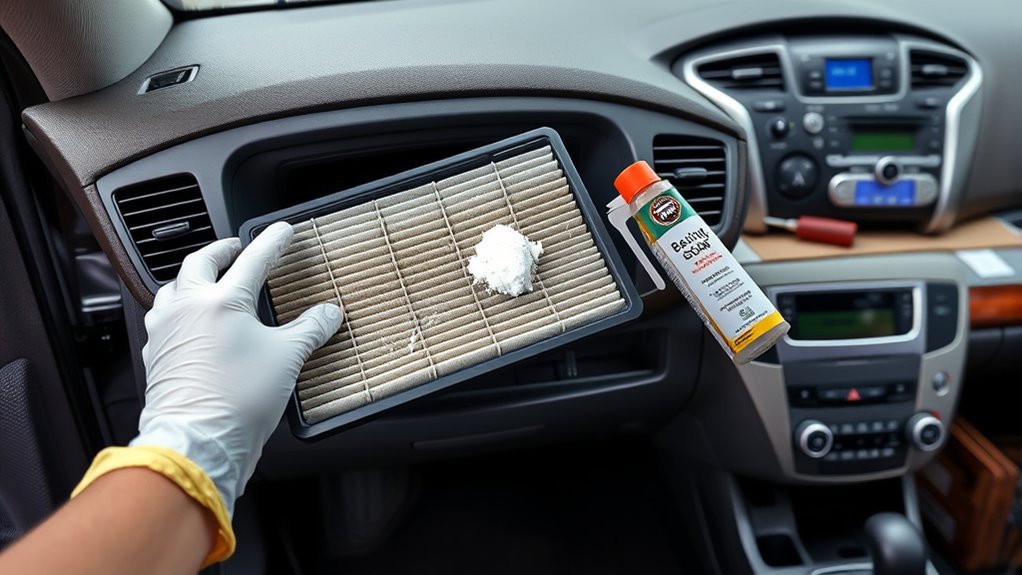
The exact clips, dampers, covers, and replacement-filter part numbers change by generation, but the Sonata cabin filter has remained in the passenger-side dashboard/HVAC area for the model years verified here.
| Model years | Verified location / access |
| 2006–2010 | Right side of the instrument panel; the glove box is lowered to reach the filter housing. |
| 2011–2014 | Behind the glove box. |
| 2015–2019 | Behind the glove box; Hyundai’s LF-generation instructions lower the glove box to expose the climate-control filter case. |
| 2020–2026 | Behind the glove box on the DN8-generation manuals reviewed; exact clips and filter part numbers can vary. |
For older vehicles or unusual market specifications, check the exact owner’s manual before buying a filter or removing trim.
Glove Box Filter Access
For most modern Sonatas, the glove box is the correct starting point. Hyundai’s recent procedure is straightforward: release the support rod, press the glove-box sides inward so the stops clear the dash, lower the box, release the filter cover, and slide the element out.
Inspect the removed filter before throwing it away. Heavy debris suggests the cowl may also need cleaning. Dampness or a strong moldy smell suggests you should also check the evaporator and condensate drainage rather than assuming a new filter alone will permanently solve the problem.
After replacement, run the blower and confirm that airflow is normal and there is no unusual fan noise. A filter installed backward, crushed in its housing, or poorly seated can reduce airflow or create noise.
Do Hyundai Sonatas Have an Under-Seat Cabin Filter?
An under-seat cabin filter is not the normal Sonata layout in the model-year manuals reviewed for this guide. Older 2006–2010 documentation describes the filter on the right side of the instrument panel and still reaches it by lowering the glove box. From 2011 through current DN8-generation documentation, the cabin filter is described as being behind the glove box.
If an online parts listing or generic car guide tells you to look under the passenger seat, verify that information against your exact Sonata owner’s manual or VIN before removing trim.
Engine-Bay Intake vs. Cabin Filter
The cowl area near the bottom of the windshield is where outside air enters the HVAC system, so it is worth keeping that area free of leaves and dirt. However, do not confuse that intake with a second replaceable cabin filter.
The maintenance task here is primarily debris removal and drainage inspection. If water is standing in the cowl or entering the cabin after rain, investigate the cowl drains, windshield sealing, door seals, and other possible water-entry paths rather than repeatedly spraying deodorizer into the HVAC system.
Best Disinfectants and Replacement Filters for Hyundai Sonata
For the filter, use a genuine Hyundai element or a reputable aftermarket filter that is explicitly listed for your exact Sonata configuration. Brands such as FRAM and Bosch offer cabin-filter applications, but fitment matters more than brand name. Match the filter by model year, engine/hybrid configuration, VIN, or the part number on the filter you remove.
For odor treatment, choose a dedicated automotive evaporator/HVAC cleaner whose directions match the method you plan to use. A product designed for direct evaporator foam cleaning is different from an aerosol intended for an outside-air intake.
A cleaner should not be used merely because its label says “disinfectant.” The EPA’s HVAC guidance emphasizes that antimicrobial use sites and application methods must be supported by the product label. Follow all ventilation, protective-equipment, contact-time, fan-setting, and re-entry instructions printed on the specific product.
A new cabin filter can remove one odor source, but an odor that quickly returns usually means you still have moisture, debris, drainage trouble, or contamination farther inside the HVAC system.
[Products Worth Considering]
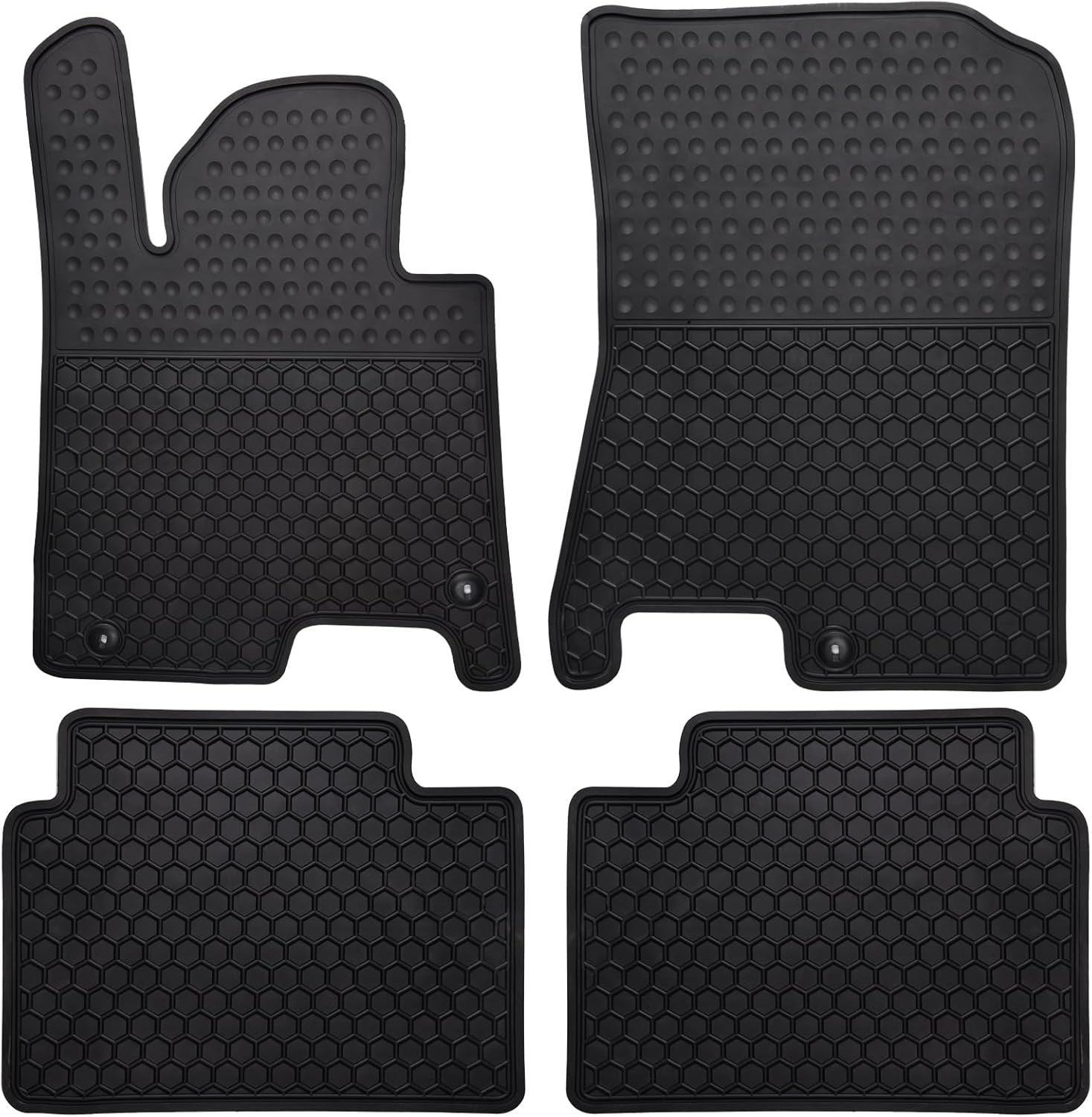
These custom-fit all-weather floor mats are designed for compatible Hyundai Sonata and Kia K5 models to help protect your vehicle's interior from mud, slush, dirt, and spills. Made from odorless, durable rubber with a deep hexagon pattern, they offer reliable anti-slip coverage and are easy to remove and clean with water or a damp towel. The set is built for long-lasting use in every season and helps keep your car looking clean while supporting resale value.

Puroma cabin air filter helps deliver cleaner, fresher air inside your vehicle while supporting efficient HVAC airflow. Its multi-layer design helps reduce stale odors and capture airborne particles, making daily driving more comfortable. Designed for easy installation and broad fitment across many Toyota, Lexus, Mazda, and Subaru models.
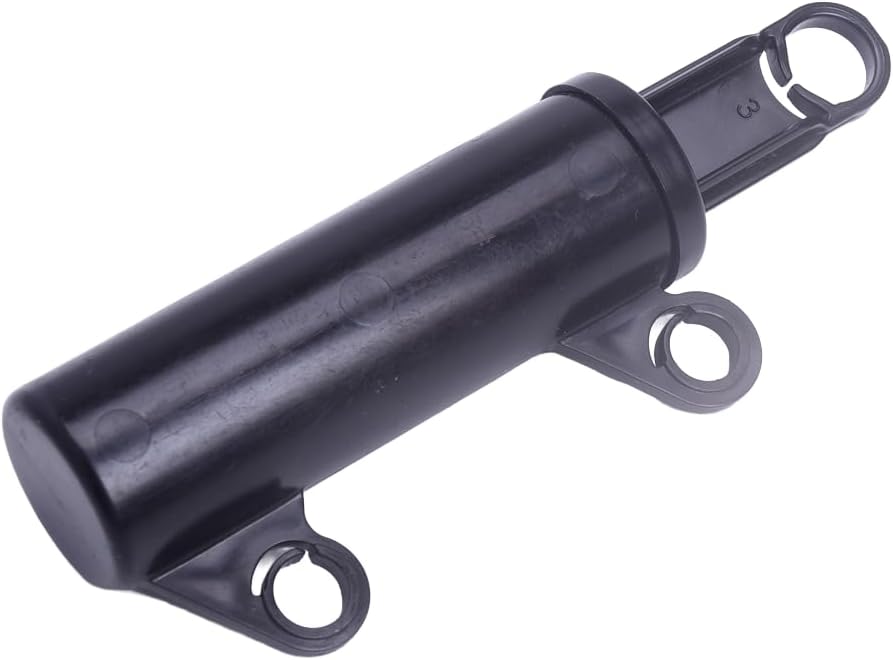
This glove box damper support helps restore smooth, controlled opening and closing for compatible vehicle glove compartments. Designed as a replacement for the original damper, it offers an easy installation process and comes tested for reliable performance. It is a practical fix for improving glove box function on select Toyota and Subaru models.
Troubleshooting Lingering Smells: Mold, Debris, Fuel, and Diagnostics
If the smell remains after the filter and cowl are clean, diagnose the odor rather than adding more fragrance. The type of smell and when it appears provide useful clues.
| Smell / symptom | Likely area to check | What to do |
| Musty / wet-sock smell, strongest at startup | Cabin filter, evaporator, condensate drain | Replace contaminated filter, check drainage, and clean the evaporator with an appropriate product or professional service. |
| Wet passenger carpet | Blocked/disconnected A/C drain or rainwater intrusion | Find and correct the water source, then thoroughly dry the carpet and padding. |
| Raw-fuel smell | Fuel or evaporative-emissions system | Do not mask it with cleaner. Park safely and have the fuel system inspected promptly. |
| Sweet smell or greasy windshield film | Possible coolant/heater-core leak | Check coolant level only when safe and have the cooling/HVAC system inspected. |
| Burning or electrical smell | Blower motor, wiring, resistor/module, debris or another electrical component | Turn the affected system off and arrange diagnosis rather than continuing to run it. |
Check the A/C Condensate Drain
When the A/C cools humid air, water condenses on the evaporator and should leave the HVAC case through a drain. Seeing a small water puddle beneath the car after running the A/C on a warm, humid day is normally a good sign—it shows condensate is escaping.
A blocked or restricted drain becomes more likely if you have a musty odor plus water on the passenger-side carpet, sloshing sounds, or little apparent condensate drainage after extended A/C operation in humid weather.
Do not aggressively probe the drain with sharp wire or blast it with uncontrolled high pressure; the drain, evaporator case, and nearby components can be damaged. If its location or clearing procedure is unclear on your Sonata, have a technician inspect it.
Check for Water Intrusion Outside the A/C System
If the car smells musty even when the blower has not been running, inspect the cabin itself. Damp carpet or padding after rain can come from a body-water leak rather than the evaporator. Check door seals, cowl drainage, windshield areas, trunk moisture, and sunroof drains if equipped.
The CDC notes that mold is associated with moisture and can have a characteristic musty smell. The long-term solution is therefore to remove the contamination and correct the source of moisture rather than simply masking the odor with fragrance. See the CDC mold guidance for general moisture and mold information.
When to Call a Pro and Expected Repair Costs
Call a professional if a fresh cabin filter, clean cowl, proper drainage, and an appropriate odor treatment do not solve the problem. Persistent odor can require direct evaporator cleaning, drain repair, water-leak diagnosis, or access to HVAC components buried behind the dashboard.
Professional service is also the right choice if the A/C is not cooling properly, if refrigerant work is required, or if you suspect a leaking or damaged evaporator. Hyundai warns that the refrigerant circuit should be serviced by trained and certified technicians. Newer systems may use R-1234yf, which is handled under specific safety procedures because the refrigerant operates under pressure and has flammability considerations.
Warning: Do not open refrigerant lines, vent refrigerant, or attempt a refrigerant recharge simply to cure a musty smell. Odor alone usually does not mean the system is low on refrigerant, and refrigerant service requires the correct recovery, charging, and safety equipment.
There is no single “Hyundai Sonata A/C repair price” because a cabin filter, odor cleaning, leak diagnosis, compressor repair, and evaporator replacement are completely different jobs.
As a current U.S. reference, RepairPal’s August 2026 estimate lists a Sonata A/C leak inspection at about $122–$179 before taxes, local labor differences, and additional repairs. A major evaporator replacement is much more expensive: its current Sonata evaporator-replacement estimates exceed $1,000 for many model years and list roughly $1,874–$2,472 for a 2024 Sonata.
A basic filter replacement or odor-cleaning service should cost far less than evaporator replacement, so ask for an itemized estimate showing exactly what the shop plans to clean, test, or replace.
Prevent Musty AC Smells: Simple Habits That Work
Once the system smells fresh again, focus on keeping moisture and organic debris under control.
- Keep the cowl clean: Remove leaves and debris from the windshield-base intake area before they break down and stay wet.
- Inspect the cabin filter regularly: Replace it according to your Sonata’s maintenance schedule and sooner when dirty, damp, or used in dusty/polluted conditions.
- Dry the evaporator before parking: When practical, switch the A/C compressor off during the last few minutes of a trip while leaving the blower running. Using outside/fresh-air mode can help move less-humid air through the HVAC case.
- Do not ignore wet carpet: Drying the vents will not solve an A/C drain blockage or rainwater leak.
- Limit unnecessary long-term recirculation: Recirculation is useful for fast cooling and keeping polluted outside air out, but periodically using fresh-air mode helps exchange cabin air.
- Fix drainage problems: Repeated odor after cleaning is a reason to inspect condensate drainage rather than repeatedly applying chemicals.
- Keep the cabin clean: Food spills, wet floor mats, damp upholstery, and organic debris can create odors that are mistaken for an A/C problem.
Pro Tip: If the smell appears mainly for the first 10–30 seconds after the A/C starts and then fades, the evaporator area deserves more attention than simply replacing the cabin filter again.
Frequently Asked Questions
How do you remove a musty smell from a Hyundai Sonata’s AC?
Start by checking and replacing a dirty or damp cabin air filter, cleaning debris from the cowl intake, and checking for signs of poor condensate drainage. If the odor remains, use a cleaner specifically labeled for automotive A/C or evaporator use according to its directions, or have the evaporator professionally cleaned.
How much does it cost to fix the AC in a Hyundai Sonata?
It depends on the fault. A cabin filter or odor-cleaning service is relatively minor, while refrigerant-system or evaporator repairs can be expensive. As of August 2026, RepairPal lists Sonata A/C leak inspection around $122–$179 and shows many evaporator replacements above $1,000, with newer-model estimates considerably higher.
How do you get the musty smell out of a car air conditioner?
Correct the source of moisture first. Replace a contaminated cabin filter, keep the outside-air intake clear, confirm the condensate drain is working, and clean the evaporator with a product intended for automotive A/C systems. Simply masking the odor with fragrance will not correct a wet or contaminated evaporator.
How do you neutralize a musty smell inside the car?
Ventilate the cabin, dry wet carpet or floor mats, clean spills and organic debris, inspect the cabin filter, and identify any water leak. If the odor only appears when the blower runs, focus on the filter, evaporator, cowl intake, and A/C drain.
Why did the smell come back after replacing the cabin air filter?
The filter may have been only one source of the odor. Moisture and buildup can remain on the evaporator or inside its housing, and a partially blocked condensate drain can keep that area wet. A recurring smell is a reason to inspect drainage and consider proper evaporator cleaning.
Can I spray Lysol into my Hyundai Sonata’s AC intake?
Do not assume every household disinfectant is approved for this use. Check the exact product label. Use an antimicrobial or cleaner in an HVAC system only when the label permits that application and follow its instructions for application point, fan operation, ventilation, protective equipment, and re-entry time.
Conclusion
A musty AC smell in a Hyundai Sonata is usually a moisture-and-contamination problem rather than a reason to start replacing expensive A/C parts. Begin with the cabin filter behind the glove box, clean debris from the cowl intake, and look for evidence that condensate is draining normally. If the odor returns, the evaporator or its drain deserves closer attention.
Use automotive-HVAC cleaners only according to their labels, and leave refrigerant-system work to properly equipped technicians. If the odor is actually raw fuel, burning, strong chemical, or coolant-sweet rather than musty, treat it as a different fault and diagnose it instead of trying to cover it with deodorizer.
Sources
- Hyundai Digital Owner’s Manual — model-year-specific cabin-filter, maintenance, and climate-control information.
- Hyundai Cabin Air Filter Replacement Instructions — glove-box access, filter-cover removal, replacement, and airflow direction.
- Hyundai Sonata LF Owner’s Manual — Sonata climate-control filter maintenance and replacement procedure.
- U.S. Environmental Protection Agency — Disinfectants and Sanitizers in HVAC Systems — safe antimicrobial labeling and HVAC-use guidance.
- CDC — Mold — moisture, musty odors, mold prevention, and general health information.