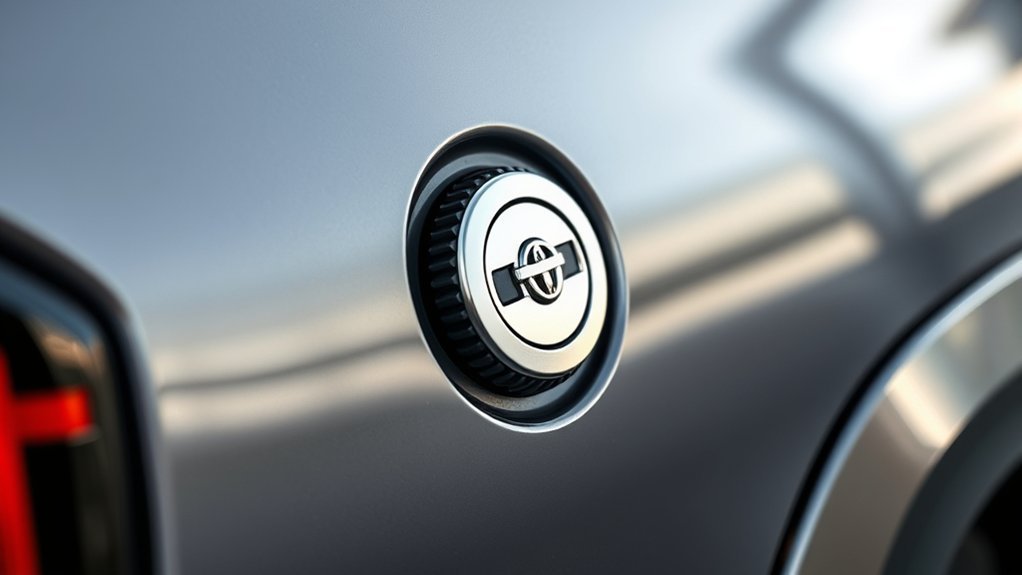
If you see the gas cap warning light in your Toyota Tacoma, it signals a potential issue in the fuel system. Usually, it’s caused by a loose or damaged gas cap, which can lead to fuel evaporation and decreased efficiency. Topping off your tank or using aftermarket caps might complicate matters. Regular inspections can prevent this light from showing up. Want to know how to diagnose the issue and guarantee your Tacoma runs smoothly?
Understanding the Toyota Tacoma Gas Cap Warning Light
When you see the gas cap warning light illuminate on your Toyota Tacoma, it’s not just a minor annoyance; it signals a potential issue in your fuel system. This warning often points to a loose or damaged gas cap, which can lead to fuel evaporation and decreased efficiency. If tightening the cap doesn’t resolve the issue, there may be deeper problems within the evaporative emission control (EVAP) system.
The EVAP system monitors pressure and can trigger evap leak codes, especially if you’re using aftermarket gas cap types that might not seal correctly. Regularly checking the integrity of your gas cap can prevent unnecessary check engine light activations and guarantee peak vehicle performance. For peace of mind, always opt for manufacturer-recommended gas caps to maintain a proper seal and avoid recurring issues. Stay proactive, and keep your Tacoma running smoothly!
How to Diagnose Gas Cap Issues
When you’re facing gas cap issues, start by observing common symptoms like the check engine light or fuel odor. Utilize diagnostic tools such as an OBD-II scanner to identify any error codes related to the EVAP system. Following effective troubleshooting steps can help pinpoint the source of the problem and keep your Toyota Tacoma running smoothly.
Common Symptoms To Observe
While a gas cap might seem like a minor component, a loose or damaged one can lead to significant issues in your Toyota Tacoma. Observing the following symptoms can help you diagnose gas cap issues effectively.
| Symptoms | Potential Causes |
|---|---|
| Check Engine Light Illuminated | Loose or damaged gas cap |
| Fuel Smell | EVAP system leak |
| Poor Fuel Economy | Pressure loss from improper sealing |
Regular gas cap maintenance is essential for keeping your EVAP system functional. Inspect for cracks and guarantee a tight seal. If you notice the check engine light after replacing the gas cap, remember it may take several drive cycles to clear. Always check with a code reader for accurate diagnostics.
Diagnostic Tools To Use
To effectively diagnose gas cap issues in your Toyota Tacoma, you’ll want to leverage a few key diagnostic tools:
- OBD II Scanner: Pull error codes related to the evap system, like P0456, indicating potential gas cap issues.
- Visual Inspection Tools: Check your gas cap for any damage or wear that could prevent a proper seal.
- Smoke Testing Equipment: Identify elusive leaks in the evaporative emission system.
- Manufacturer Specifications: Verify you’re using the correct gas cap type to avoid sealing problems with aftermarket options.
- Battery Disconnect Method: Clear error codes by disconnecting the negative battery cable, then monitor for reoccurrence of the check engine light.
These tools will empower you to tackle gas cap issues effectively and reclaim your driving experience.
Effective Troubleshooting Steps
Effective troubleshooting starts with a simple but essential step: checking the gas cap’s integrity. Verify it’s properly tightened until it clicks multiple times; a loose cap can trigger evap leak codes. Next, use an OBD-II scanner to pull error codes, as gas cap issues might not show immediate codes but can lead to related ones like P0456. If the check engine light remains on after securing the cap, consider replacing it with an OEM or a highly-rated aftermarket cap, as not all gas cap materials guarantee proper sealing technologies. Conduct a visual inspection for any damage or clogged hoses in the evap system. If problems persist, seek professional help for smoke testing to diagnose any leaks accurately.
Identifying Common Causes of the Gas Cap Warning Light
When the gas cap warning light illuminates on your Toyota Tacoma, it’s a signal that something’s amiss in the fuel system. Understanding the common causes can help you reclaim your driving experience:
- Loose or damaged gas cap: This is often the primary issue causing gas cap leaks.
- EVAP system problems: Codes like P0456 indicate potential leaks that jeopardize fuel system integrity.
- Topping off the tank: Overfilling can backfill into the charcoal canister, complicating matters.
- Aftermarket gas caps: These may not seal correctly, making OEM caps a safer choice.
- Neglecting maintenance: Regular checks of the gas cap’s condition can prevent unnecessary warning lights.
Why a Sealed Gas Cap Is Essential for Your Tacoma
A sealed gas cap plays an essential role in your Toyota Tacoma’s performance and environmental compliance. It guarantees the sealed integrity of the evaporative emissions (EVAP) system, preventing harmful fuel vapors from escaping into the atmosphere. If your gas cap is loose or damaged, you might see the check engine light pop up, signaling potential leaks that can hurt your engine performance and fuel efficiency.
A properly sealed gas cap also protects the charcoal canister, which captures fuel vapors and helps maintain emissions compliance. Regularly checking your gas cap for wear and verifying it clicks securely can save you from costly repairs related to EVAP system failures. It’s wise to use a genuine Toyota gas cap, as aftermarket options may not fit correctly and could lead to further diagnostic headaches. Keeping your gas cap sealed isn’t just about performance; it’s about preserving our environment, too.
What Should You Do If the Warning Light Stays On?
If the gas cap warning light stays on despite securing or replacing the cap, it’s essential to take action. Ignoring this warning can lead to decreased fuel efficiency and increased emissions, jeopardizing your vehicle’s performance and environmental impact. Here’s what you should consider:
- Inspect the gas cap for damage or wear.
- Check for clogged hoses in the evaporative emission system (EVAP).
- Look for faulty sensors that might trigger the light.
- Disconnect the negative battery cable for a few minutes to reset the system.
- Consult a certified technician for thorough diagnostics.
How the EVAP System Affects the Gas Cap Warning Light
Understanding the relationship between the EVAP system and the gas cap warning light is essential to maintaining your Toyota Tacoma’s performance. The EVAP (Evaporative Emission Control) system is vital for preventing fuel vapors from escaping into the atmosphere. When your gas cap isn’t sealed properly, it can trigger a warning light, indicating a leak in this system. Common trouble codes, like P0456, often point to a loose or damaged gas cap.
The gas cap functions as a two-way valve, regulating pressure and vacuum within the EVAP system. If it fails to seal, it can activate your check engine light. Additionally, topping off your tank can introduce fuel into the EVAP system, risking damage to components like the charcoal canister. Regularly inspecting your gas cap guarantees a proper seal, preventing unnecessary warning lights and optimizing the efficiency of your EVAP system.
Cost-Effective Solutions for Gas Cap Problems
When you face gas cap issues, exploring affordable options can save you both money and hassle. Simple DIY fixes, like ensuring a snug fit or checking for wear, can often resolve the problem without costly diagnostics. Plus, staying on top of long-term maintenance will keep your Tacoma running smoothly and help you avoid bigger repairs down the road.
Affordable Gas Cap Options
While a faulty gas cap might seem like a minor issue, it can lead to significant problems, including triggering your check engine light. Fortunately, there are affordable gas caps that can solve these issues without breaking the bank. Here are some options you might consider:
- Genuine OEM gas caps ($15-$30) for perfect fit and reliability
- Aftermarket options, though less secure, can still perform well
- Locking gas caps, like CST #55040, for added security and fuel efficiency
- Regular integrity checks to catch issues before they escalate
- Long-term solutions that prevent additional repairs
Investing in a quality gas cap can save you money and hassle, ensuring your Tacoma runs smoothly. Don’t underestimate the power of a simple replacement!
Simple DIY Fixes
Addressing gas cap issues is a straightforward process that can save you both time and money. Regular gas cap maintenance is essential; a faulty cap can trigger your check engine light. Replacing it is a simple DIY replacement, costing only $15 to $30. Always verify the cap is tightened until it clicks to avoid evaporative emission (EVAP) codes.
| Issue | Action | Cost |
|---|---|---|
| Cracked Gas Cap | Replace | $15-$30 |
| Loose Gas Cap | Tighten | Free |
| Persistent Check Light | Smoke Test | Varies |
Long-Term Maintenance Tips
To guarantee your Toyota Tacoma’s gas cap remains in peak condition, make regular inspections a part of your routine. Here are some cost-effective, long-term maintenance tips:
- Check for cracks or wear in gas cap materials.
- Always choose OEM gas caps for a proper seal.
- Avoid topping off the gas tank to prevent backfilling into the charcoal canister.
- Keep a maintenance log to track gas cap issues and replacements.
- If the check engine light comes on after a replacement, consider a smoke test for EVAP system leaks.
Gas Cap Replacement Success Stories
Many Toyota Tacoma owners have found success in resolving check engine light issues simply by replacing their gas caps. This straightforward fix often leads to long-term reliability, as many report no recurrence of problems after replacement. Anecdotal evidence supports using genuine Toyota gas caps, with one owner enjoying six years of peace after a simple swap.
Community insights highlight how tightening or replacing the gas cap can clear evap leak codes, underscoring the need for proper sealing. While some users have had positive experiences with aftermarket options like the Stant 11506, it’s wise to remember that OEM caps generally offer better reliability against check engine light activation.
The cost-effectiveness of gas cap replacements makes it an advisable first step in troubleshooting evaporative emissions issues, liberating you from unnecessary stress and expense. Embrace this simple solution and enjoy a smoother driving experience!
When to Consult a Certified Technician for Further Help
When the gas cap warning light stays on despite your best efforts to secure it, it’s time to contemplate professional help. Ignoring this warning could lead to more serious issues within your vehicle’s evaporative emissions (EVAP) system. Here are key indicators that you should consult a certified technician:
- Persistent check engine light codes, like P0456
- Use of aftermarket gas cap types that fail to seal properly
- Unresolved warning light after replacing the gas cap
- Signs of fuel vapor leaks or performance issues
- Need for specialized smoke tests to detect hidden EVAP leaks
A certified technician can diagnose underlying problems effectively, ensuring your Tacoma runs smoothly. Regular monitoring of your gas cap’s integrity can save you from costly repairs down the line. Don’t hesitate—taking action now means liberating your vehicle from potential performance issues.
Frequently Asked Questions
Why Does My Tacoma Say Check Fuel Cap?
Your Tacoma says “check fuel cap” due to fuel cap issues, signaling potential leaks in the EVAP system. Address this promptly; it could mean a loose cap or something more serious triggering those warning lights.
How Long Does It Take for a Gas Cap Code to Clear?
Clearing a gas cap code’s like a gardener nurturing plants; give it time. If you fix gas cap issues, your fuel system needs 40 to 100 miles to flourish, potentially clearing the code naturally.
Conclusion
To sum up, don’t let that gas cap warning light ruin your day! It’s not just a minor annoyance—it’s your Tacoma’s way of saying, “Hey, I need attention!” Ignoring it could lead to catastrophic fuel economy disasters or worse! By understanding the causes and solutions, you can tackle this issue like a pro. So, grab that wrench, or call a technician, and let your Tacoma breathe easy again—because a happy gas cap means a happy ride!