
The RAV4 has a strong reliability record, but certain model years have well-known weak spots. This guide lists the most commonly reported Toyota RAV4 problems by year for both hybrid and gas models, explains how serious each one is, and shows you how to confirm whether a specific vehicle has already been fixed.
Quick Answer
The years that deserve the closest look are 2001 to 2003 (engine computer and harsh shifting), 2006 to 2008 four-cylinder models (oil consumption), 2013 to 2015 (low-speed transmission shudder) and 2019 to 2020 (fuel tank filling on hybrids and shift quality on gas models). 2016 to 2018 and 2021 onward are generally the least troublesome.
What’s in This Article
- RAV4 Problems by Year: Summary Table
- 2002 and Other Early RAV4 Problems (2001 to 2005)
- 2007 RAV4 Problems (2006 to 2012)
- 2013 Toyota RAV4 Engine Problems (2013 to 2018)
- 2018 Toyota RAV4 Hybrid Problems
- 2019 RAV4 Hybrid Problems (2019 and 2020)
- How to Check Any RAV4 Before You Buy
- Frequently Asked Questions
Key Takeaways
- Most known RAV4 problems were addressed by recalls, service bulletins or extended coverage.
- A VIN check shows open recalls, and a dealer can show completed campaigns.
- First years of a new generation, such as 2006, 2013 and 2019, attract the most complaints.
- 2018 hybrid and gas models are among the most trouble-free.
- Service history matters more than model year on a high-mileage RAV4.
RAV4 Problems by Year: Summary Table
| Model years | Most reported issues | Severity |
|---|---|---|
| 2001 to 2003 | Engine control module fault causing harsh or erratic shifting | High if not repaired |
| 2004 to 2005 | Few pattern problems | Low |
| 2006 to 2008 (2.4L) | Excessive oil consumption, steering shaft clunk | Medium to high |
| 2009 to 2012 | Occasional water pump leaks, V6 oil line on early V6 models | Low to medium |
| 2013 to 2015 | Low-speed torque converter shudder | Medium |
| 2016 to 2018 | Infotainment glitches, few mechanical patterns | Low |
| 2019 to 2020 | Hybrid fuel tank not filling fully, gas model shift hesitation, fuel pump recall | Medium |
| 2021 and newer | Isolated complaints, hybrid cable corrosion in salt regions on some years | Low |
2002 and Other Early RAV4 Problems (2001 to 2005)
The best-known fault on 2001 to 2003 models is a failing engine control module that causes harsh, delayed or erratic shifts in the automatic transmission. Left alone, it can damage the transmission. Toyota extended coverage for this at the time, but that coverage has long expired, so a 2002 RAV4 with shifting complaints needs a proper diagnosis before you buy. A repaired or replaced module with paperwork is a good sign. The 2004 and 2005 models had far fewer reports.
2007 RAV4 Problems (2006 to 2012)
The 2006 redesign introduced a 2.4-liter four-cylinder that, on 2006 to 2008 models, became known for excessive oil consumption. Toyota ran a warranty enhancement program for affected engines, which has since ended. On a 2007 RAV4, check the oil level cold, look for blue smoke on start-up and ask how often the owner adds oil.
Other reports from this generation include a clunk from the steering intermediate shaft, water pump seepage and, on early V6 models, a rubber section of an engine oil line that Toyota replaced with a metal line under a recall. A rear suspension arm recall also applied to many of these vehicles, so run the VIN.
2013 Toyota RAV4 Engine Problems (2013 to 2018)
Searches for 2013 Toyota RAV4 engine problems usually trace back to one symptom: a shudder or vibration at light throttle between roughly 25 and 50 mph. It feels like an engine misfire, but the cause on 2013 to 2015 models is typically the torque converter in the six-speed automatic. Toyota issued a service bulletin with a software update and, where needed, a replacement torque converter. The 2.5-liter engine itself has a good record.
By 2016 the pattern had faded. A 2018 Toyota RAV4, gas or hybrid, is the last and most sorted year of the generation. The most frequent 2018 complaints concern the touchscreen freezing or Bluetooth dropping, not the drivetrain.
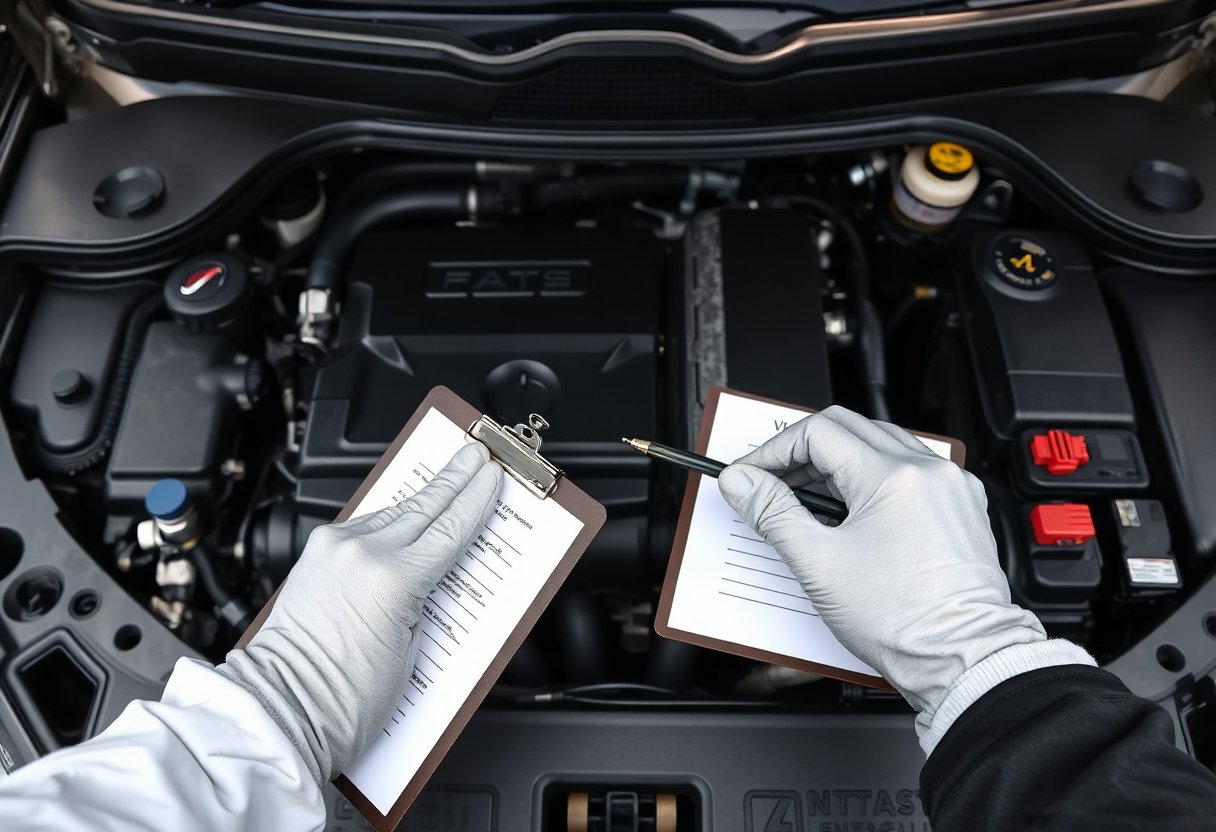
2018 Toyota RAV4 Hybrid Problems
The 2016 to 2018 hybrid uses a long-proven hybrid system and has few pattern failures. Reports worth knowing about are a weak 12-volt battery causing no-start conditions, brake feel that some drivers find inconsistent at low speed because of regenerative braking, and the same infotainment complaints as the gas model. A hybrid health check and a 12-volt battery test cover most of the risk.
2019 RAV4 Hybrid Problems (2019 and 2020)
The 2019 redesign brought the most complaints of any recent RAV4, which is normal for a first model year.
- Fuel tank not filling completely (hybrid): owners found the pump shut off early, leaving several gallons unused and cutting range. Toyota released a remedy. Confirm it was done.
- Hesitation or rough low-speed shifts (gas): the eight-speed automatic drew complaints that Toyota addressed with software updates.
- Fuel pump recall: certain 2019 and 2020 vehicles were included in Toyota’s low-pressure fuel pump recall.
- High-voltage cable corrosion (hybrid): reported in salt-belt regions, with extended coverage for certain vehicles.
- Battery drain and roof rail water leaks: less common, but worth asking about.
None of these makes a 2019 or 2020 a bad vehicle. They simply mean the service record matters more than usual.
How to Check Any RAV4 Before You Buy
- Enter the VIN on the NHTSA recall site and on Toyota’s owner site.
- Ask a Toyota dealer to print the warranty and campaign history.
- Check the oil level and condition, and look for leaks under the engine.
- Drive at a steady 30 to 45 mph with light throttle and feel for shudder.
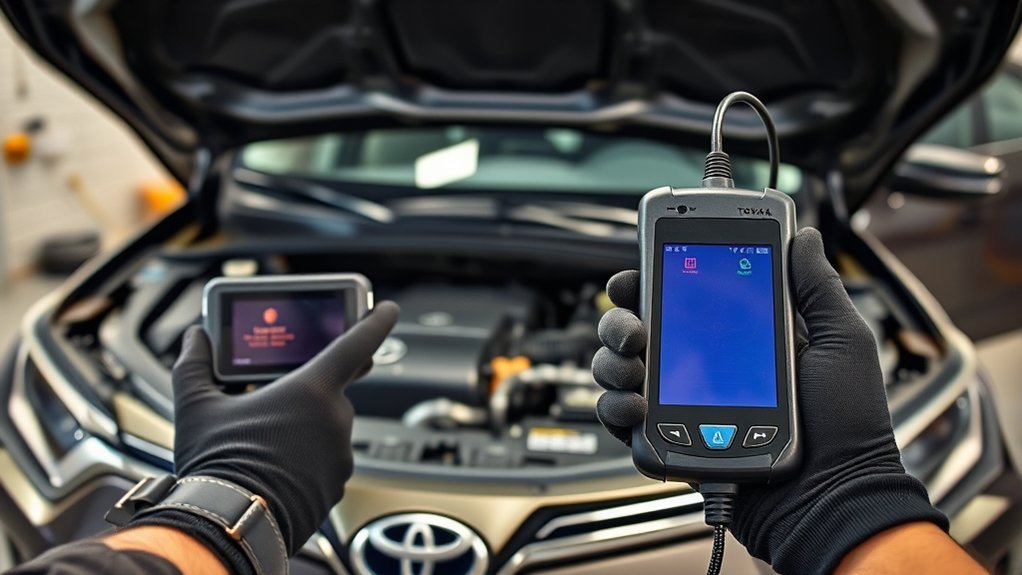
- On hybrids, request a hybrid health check and test the 12-volt battery.
- Have an independent mechanic inspect it on a lift.
Frequently Asked Questions
What year RAV4 has the most problems?
Based on complaint patterns, 2001 to 2003, 2006 to 2008 four-cylinder models and 2019 stand out. Most of the issues had factory remedies, so a repaired example can still be a sound purchase.
Are 2019 RAV4 Hybrids reliable?
Yes, overall. The main 2019 hybrid complaint was the fuel tank not filling fully, which Toyota addressed. Check that the remedy and any recalls were completed.
Does the 2018 RAV4 Hybrid have problems?
It has very few pattern problems. Most reports involve the 12-volt battery or infotainment, not the hybrid system.
What engine problems does the 2013 RAV4 have?
The 2.5-liter engine is generally dependable. The common complaint is a low-speed shudder that comes from the torque converter, which is often mistaken for an engine fault.
Which RAV4 years are the most reliable?
2016 to 2018 and 2021 onward have the fewest widespread complaints. Condition and maintenance history still matter more than the year.