You rely on fast, reliable charging when you need range quickly, and CCS1 to NACS adapters are the bridge that gives you access to far more DC fast chargers. This topic matters because choosing the right adapter affects how often you can use public chargers, how fast you can charge, and how safely your vehicle and equipment operate. Understanding the key specs and certifications helps you pick an adapter that unlocks convenient charging while protecting your car and battery.
TL;DR
|
Feature |
Verdict |
|---|---|
|
🎯 Compatibility |
You can use the adapter with Tesla Model S/3/X/Y and other NACS-equipped EVs to access thousands of CCS fast chargers across North America. |
|
⚡ Charging Capacity |
Supports up to 500 A and 1,000 V, enabling up to roughly 250 kW depending on vehicle and charger capacity. |
|
🔒 Safety & Certification |
UL 2252 certified with real-time temperature monitoring for safer high-power charging. |
|
⭐️⭐️⭐️⭐️ – Ease of Use ⏱️ |
Plug-and-play design, compact and travel-ready so you can start charging without complicated setup. |
|
🧭 Durability |
Engineered for extreme temperatures from -22°F to 122°F with rugged construction for regular use and travel. |
Lectron CCS to NACS Adapter
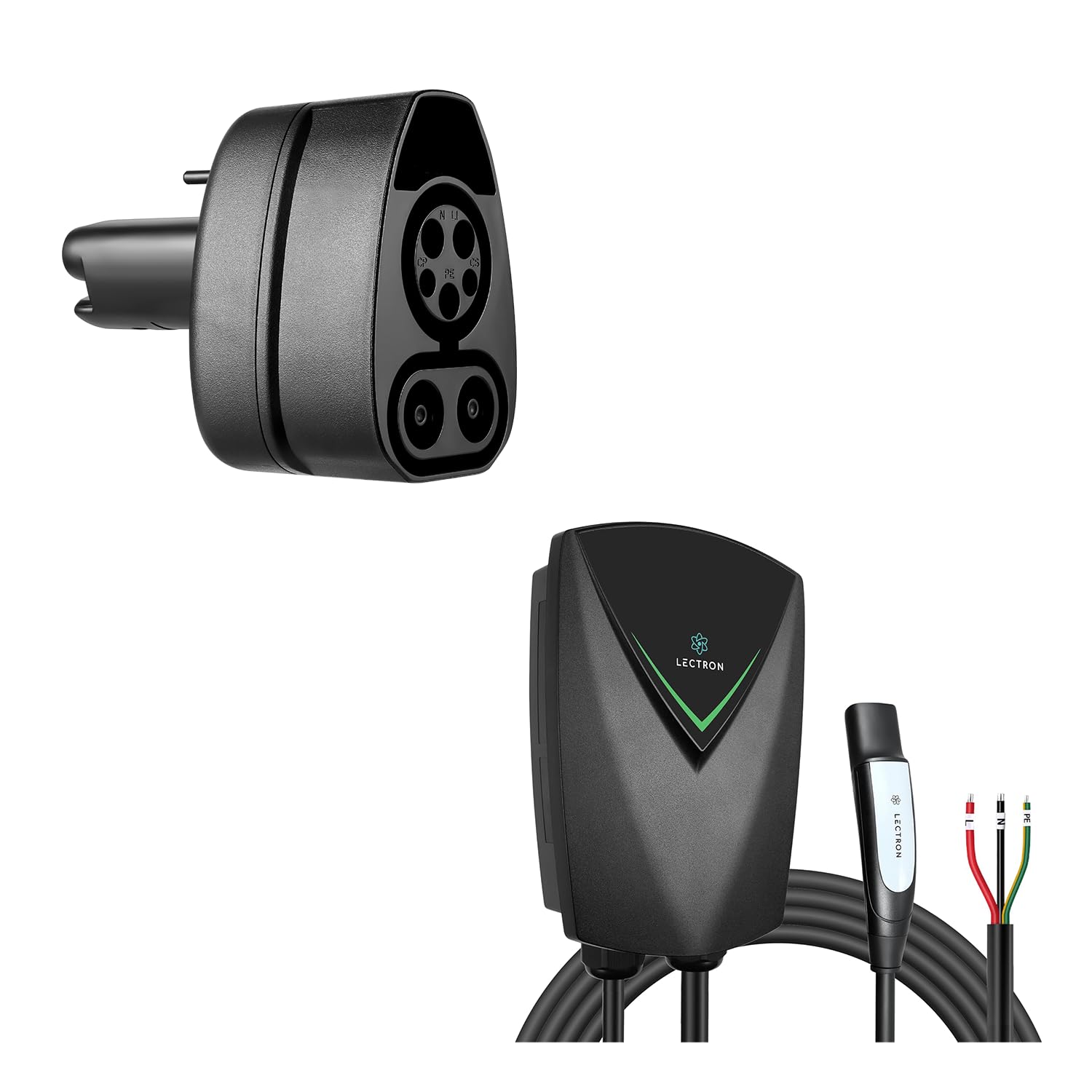
This adapter is the practical tool you reach for when you want reliable DC fast charging without swapping cars or hunting for Tesla-only stalls. You get broad CCS access for Tesla Model S/3/X/Y and other NACS-equipped EVs, robust thermal monitoring, and a compact plug-and-play design that makes road trips and daily charging simpler.
In day-to-day use you can top up quickly at a nearby CCS station instead of detouring, and for long drives it reduces charging uncertainty by opening thousands of additional chargers. If you value convenience, predictable charging speeds, and safety-certified hardware, this is a solid, easy-to-carry option to keep in the trunk.
What People Say
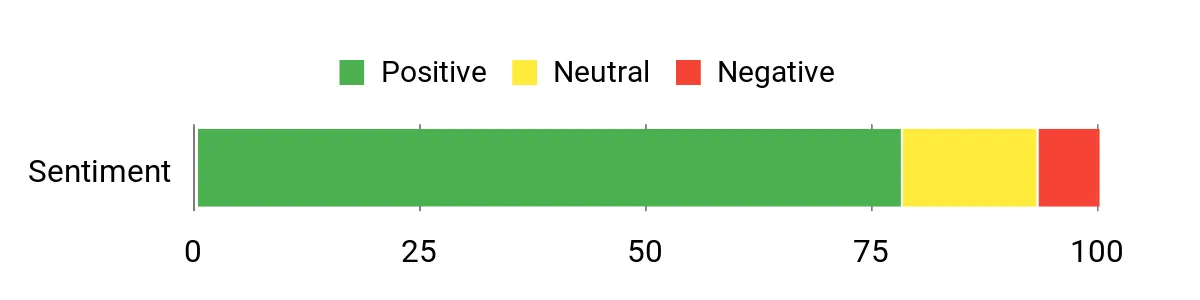
Customers commonly praise the adapter for expanding charging options and for feeling solidly built. People note the convenience of plug-and-play use and the reassurance of UL safety certifications. There are frequent mentions of reliable thermal monitoring and that the unit performs well on long trips in a range of temperatures.
Overall Sentiment: Positive
|
Pros |
Cons |
|---|---|
|
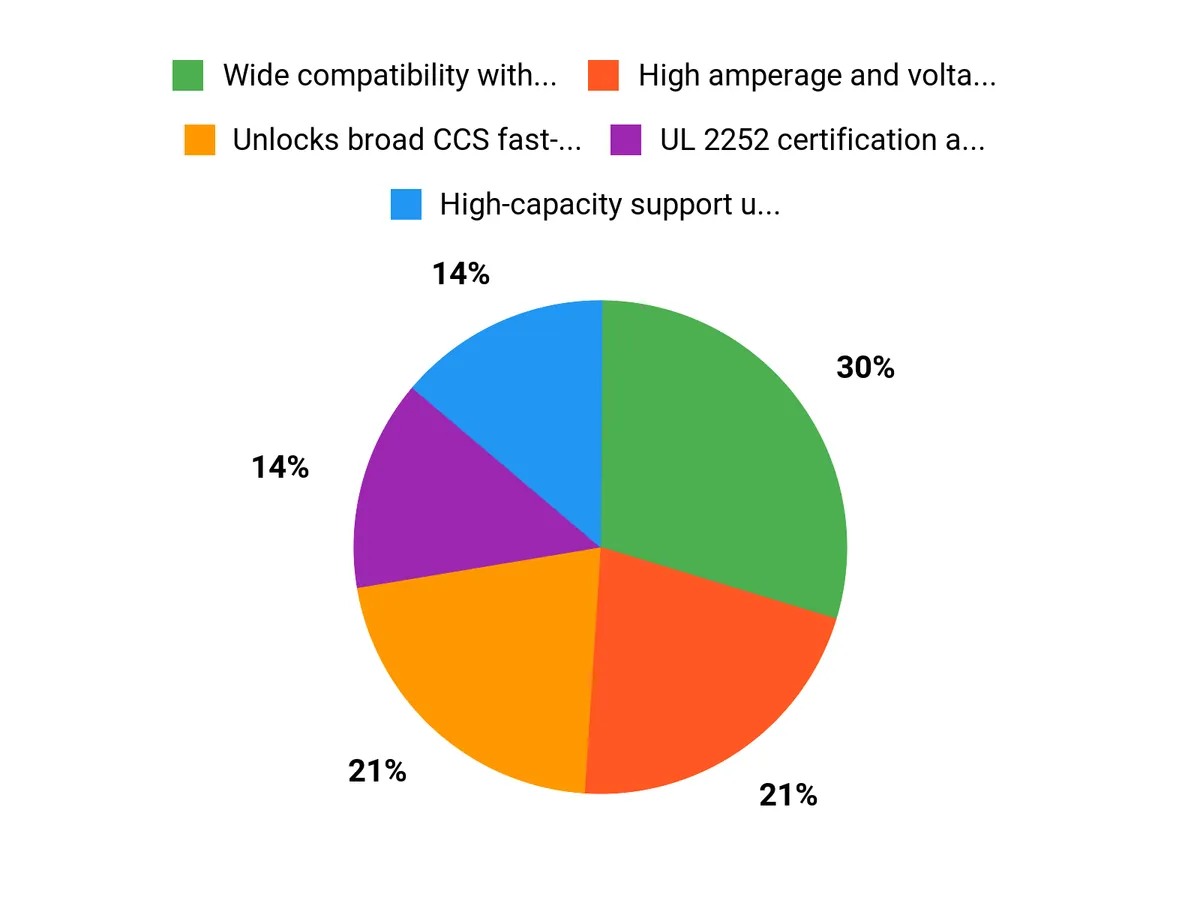
✅ Wide compatibility with Tesla and NACS vehicles |
❌ Performance limited by vehicle and charger capabilities |
|
✅ High amperage and voltage support for faster charging when available |
❌ May require familiarizing yourself with local CCS station behavior |
|
✅ UL 2252 certification and real-time temperature protection |
|
|
✅ Portable and straightforward to use |
Long-Term Cost Benefits
By giving you access to a larger pool of DC fast chargers, the adapter reduces detours and downtime, which saves time and lowers indirect travel costs. Fewer range-related delays and more predictable routing also cut the chance of costly last-minute charging decisions.
Return on Investment
Your return comes as improved convenience and travel flexibility rather than direct monetary rebates. If you frequently use public fast charging or take road trips, the value shows up in saved time, reduced planning friction, and more consistent trip pacing.
Situational Benefits
|
Situation |
How It Helps |
|---|---|
|
Daily commutes with occasional fast top-ups |
You can use nearby CCS chargers when needed, cutting out long waits at busier Tesla hubs and letting you fill range quickly between errands. |
|
Long road trips across regions with mixed networks |
The adapter opens many additional charging stops so you can plan routes with more options and less risk of long detours. |
|
Charging in extreme weather |
Built thermal tolerance and active temperature monitoring reduce the chances of thermal throttling or shutdowns in very cold or hot conditions. |
Ease of Use
|
Feature |
Ease Level |
|---|---|
|
Initial Setup |
Easy |
|
Daily Connection |
Very Easy |
|
Travel Portability |
Easy |
|
Maintenance |
Low |
Versatility
This adapter works well for routine local charging and for expanding options on longer trips. It pairs with many NACS vehicles and most CCS1 public chargers, making it a flexible accessory whether you commute or travel.
Safety Features
Multiple UL certifications and real-time temperature monitoring are the key safety features that help protect the adapter and your vehicle during high-power DC sessions. Those protections reduce thermal and electrical risk during fast charging.
Innovation
The product blends proven connector standards with active monitoring and a compact form factor, which is practical rather than flashy innovation. It focuses on solving the real problem of network access and thermal safety for high-current charging.
Energy Efficiency
The adapter itself does not alter charging efficiency significantly, but by enabling access to appropriately matched CCS chargers you can often charge more quickly and reduce energy lost to idle time and repeated partial charges.
Key Benefits
- Unlocks broad CCS fast-charging access for NACS-equipped vehicles
- High-capacity support up to 500 A and 1,000 V for faster sessions when available
- Active temperature monitoring and industry safety certification
- Compact, travel-ready design that fits routine and long-distance needs
Rating: (total: +)
FAQ
Will This Work With My Tesla?
If you drive a Tesla Model S, 3, X, Y or any vehicle using the NACS connector, this adapter is designed for that setup and gives you access to CCS1 chargers. Make sure your car has a compatible NACS inlet and that regional charging standards match CCS1; some older or region-specific vehicles may need a dealer check or software update before high-power public charging.
How Fast Will It Charge My Car?
The adapter supports up to 500 A and 1,000 V, which allows for very high-power sessions when both the charger and your vehicle can accept it. Actual charging speed is determined by the charger’s output, your car’s battery acceptance curve, and thermal conditions, so you should expect variability and occasional throttling to protect battery health.
Is It Safe To Use?
Yes, the unit is built with safety in mind and carries industry certifications including UL 2252 along with active temperature monitoring to reduce thermal risk during high-current charging. You should still inspect connectors for damage, follow charging station procedures, avoid using compromised equipment, and keep your vehicle firmware up to date to ensure the protections function as intended.
Why Customers Choose
You pick the Lectron adapter because it reliably opens thousands of CCS fast chargers to Tesla and other NACS-equipped vehicles while supporting up to 500 A and 1,000 V for the fastest practical sessions. Its UL 2252 certification, real-time temperature monitoring, wide operating temperature range, and compact plug-and-play design give you confidence for daily use and long road trips.
Wrapping Up
If you want to unlock broad DC fast-charging access for a Tesla or NACS-equipped vehicle, the Lectron CCS1 to NACS Adapter is built around the right priorities: wide compatibility, high charging capacity, and industry-standard safety certifications. You get up to 500 A and 1,000 V support, UL 2252 certification, and active temperature monitoring, which together make high-power charging both practical and safer. The adapter’s compact, travel-ready design and extended operating temperature range make it a solid choice for regular use and road trips, so you can rely on public CCS infrastructure with confidence.
This Roundup is reader-supported. When you click through links we may earn a referral commission on qualifying purchases.