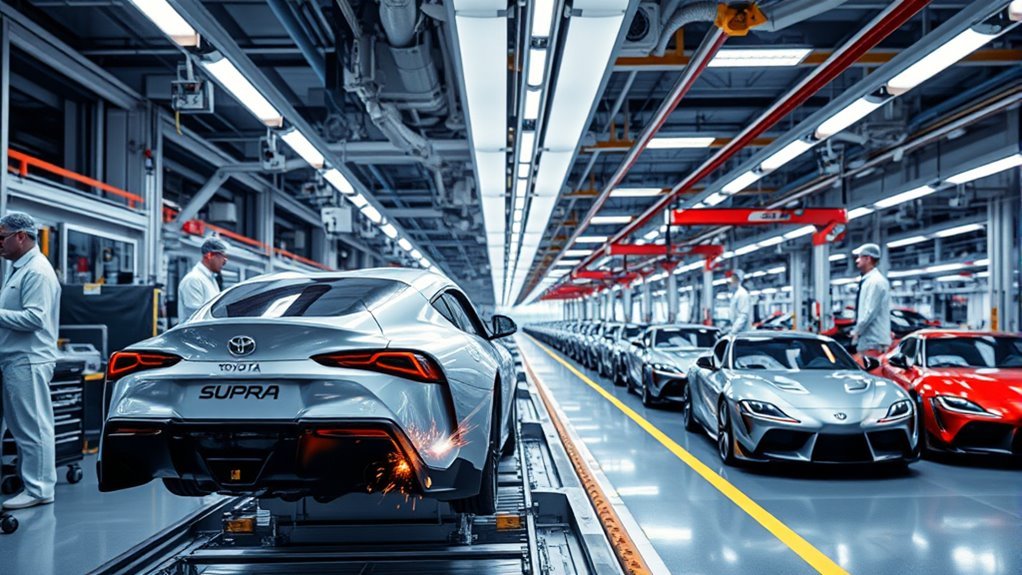
The Toyota GR Supra is built at the Magna Steyr manufacturing facility in Graz, Austria. This site also produces the BMW Z4, which shares a platform, drivetrain components, and assembly line with the Supra. Toyota maintains strict quality control oversight at this plant to ensure the vehicle meets its specific performance standards. Production of the current generation is scheduled to conclude in March 2026.
Quick Answer
Toyota manufactures the GR Supra at the Magna Steyr plant in Graz, Austria. The car shares its assembly line, platform, and key mechanical components like the engine and transmission with the BMW Z4. This partnership leverages shared engineering resources while Toyota maintains its own design and tuning identity.
Where the Toyota GR Supra Is Built
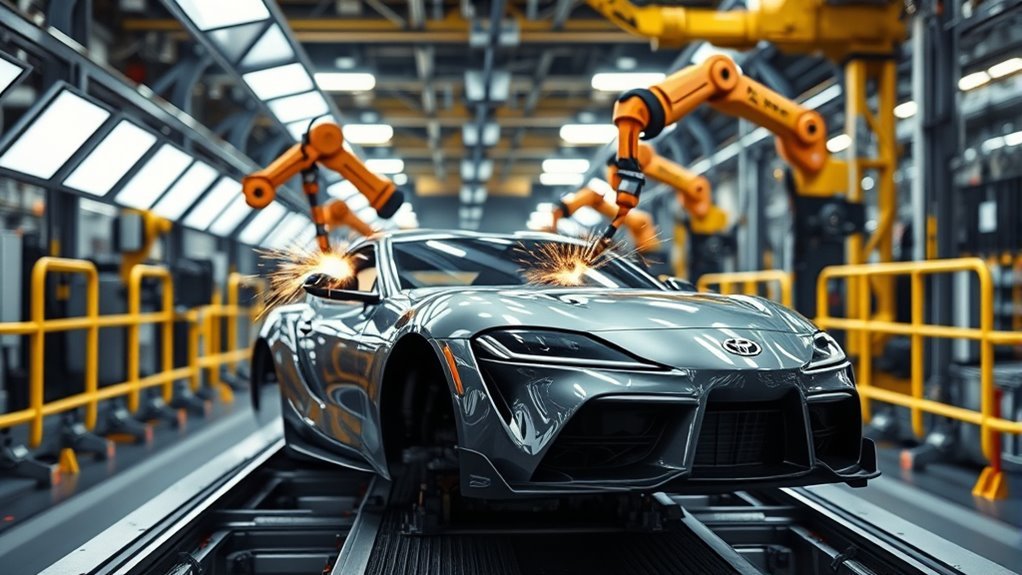
The GR Supra originates from the Magna Steyr facility in Graz, Austria. This plant specializes in low-volume, high-precision vehicle assembly. Since production started in 2019, this location has served as the sole production point for the model.
The facility integrates Toyota and BMW engineering requirements on a shared line. This approach uses common tooling to maintain high build standards. You can expect consistent vehicle quality because the plant optimizes for precise tolerances and repeatable manufacturing processes.
Why Toyota Uses Magna Steyr for Supra Production
Toyota selected Magna Steyr because the firm excels at building niche sports cars with low production volumes. This partnership provides access to specialized manufacturing infrastructure that Toyota would otherwise have to build from scratch.
- Proven low-volume capability: Processes are tuned specifically for sports cars rather than high-volume commuter vehicles.
- Quality systems: The plant uses advanced inspection regimes to ensure parts meet tight specifications.
- Advanced technologies: Flexible manufacturing cells allow for rapid adjustments during the assembly process.
- Strategic partnership: Magna Steyr manages complex logistics, which allows Toyota to focus on design and performance calibration.
Shared Assembly Line for Supra and BMW Z4
The GR Supra and BMW Z4 share an integrated assembly line. Technicians at the Graz plant use a single, unified workflow for both vehicles. This consolidation streamlines logistics and reduces the cost of maintaining separate production facilities.
The line uses automated assembly cells and cross-manufacturer quality checkpoints. These systems verify that every vehicle meets the unique specifications of both brands.
Shared Platform and Component Integration
Engineers designed the Supra and Z4 to share a common architecture, including chassis geometry and the 3.0-liter turbocharged inline-six engine. Because the components are largely identical, the assembly team can treat the two cars as siblings. This compatibility simplifies tool swaps and ensures consistent calibration across the production run.
Unified Quality Control Protocols
Quality control remains consistent across the entire Graz line. The facility uses robotic measurement systems to verify chassis rigidity to within micron tolerances. Skilled inspectors also conduct manual audits to confirm that interior materials and exterior panels meet brand-specific expectations.
Magna Steyr’s Role in Supra Build Quality
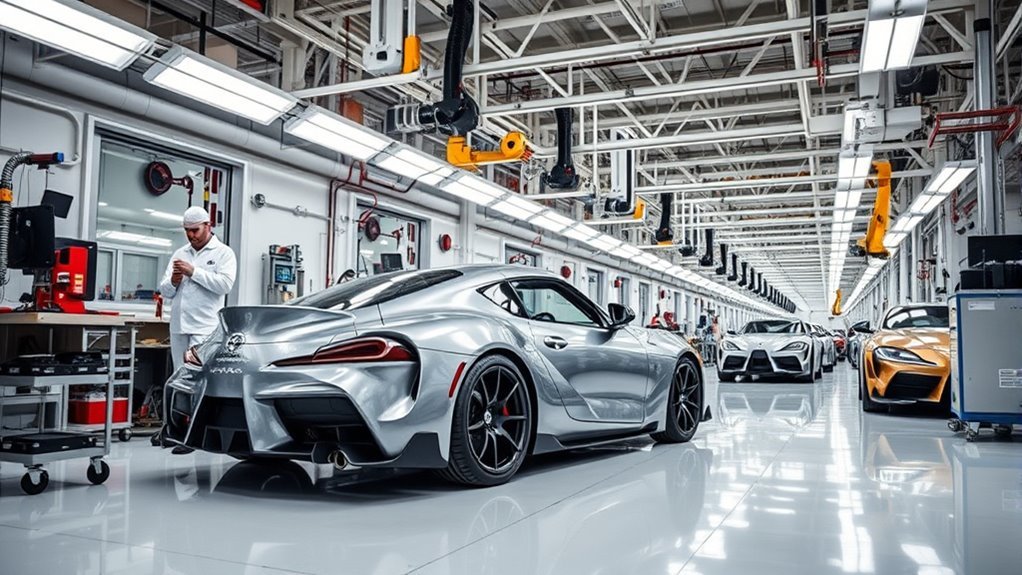
Magna Steyr serves as the technical backbone for the Supra’s physical construction. The plant uses specialized bonding and welding methods to achieve a stiff chassis. These processes allow the car to maintain its structural integrity during demanding driving conditions. You can trust that the vehicle’s assembly reflects the high standards required for modern performance cars.
Key Toyota and BMW-Sourced Components
The GR Supra combines Toyota’s design language with a foundation of BMW hardware. Understanding this split helps owners manage expectations regarding service and parts.
- Engine: The BMW 3.0-liter inline-six provides the power delivery and torque curve for the Supra.
- Chassis: BMW provides the core structural design, which focuses on rigidity and balanced weight distribution.
- Suspension: M-derived hardware and electronic differentials define the car’s handling and feedback.
- Interior: The infotainment system and cabin controls rely on BMW architecture, though Toyota provides the specific visual layout.
Production Timeline: 2019 to March 2026
The A90/A91 generation of the Supra has a planned seven-year lifecycle. Production began in 2019 and remains on schedule to finish in March 2026. This timeline allows for a clear window of factory support and consistent parts availability.
Market Rollout and Planned Termination
Global markets received the car in staggered phases starting in May 2019. The production strategy focused on consistent output throughout this seven-year period. The A90 Final Edition serves as the closing chapter for this specific manufacturing program.
Impact of Final Edition Changes
The latest versions of the Supra incorporate chassis tweaks to improve rigidity. These updates target better cornering precision and steering feedback. While the mechanical powertrain remains unchanged, the refined structural control provides a more focused driving experience for enthusiasts.
Availability Implications by Region
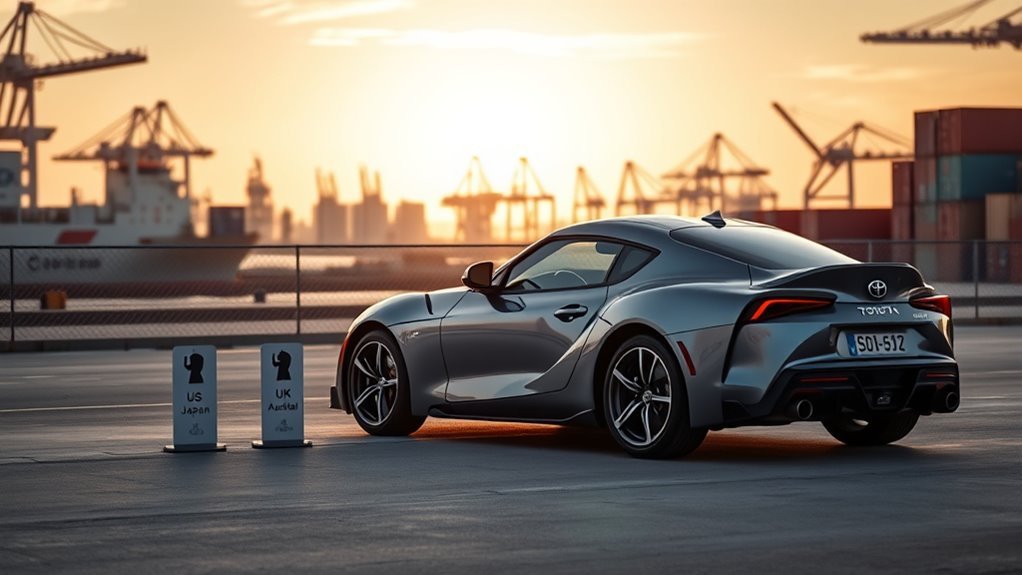
Because Graz is the only production site, regional allocations depend on export quotas and local demand. U.S. markets generally see steady supply, while markets like the UK or Australia may experience more volatility due to shipping priorities and right-hand-drive requirements.
Ownership Impact: Service and Parts
Graz-built Supras require a specific approach to maintenance. Because the car shares mechanical systems with BMW, many owners find that BMW-trained technicians can perform reliable service. You can source many parts through either Toyota or BMW networks, which often provides more flexibility for repairs. Always consult a qualified professional before making maintenance decisions based on this information.
Conclusion
The GR Supra’s manufacturing at the Magna Steyr plant in Graz combines German technical precision with Toyota’s performance vision. This contract manufacturing arrangement ensures high build quality and consistent mechanical reliability. As the production run nears its March 2026 conclusion, keep this origin in mind when evaluating long-term parts sourcing and maintenance. Treating the Supra as a collaborative project helps you better understand its performance capabilities and future collector potential.